
Business & personal lease
Pickup Truck Leasing UK
Compare the best van lease deals in the UK. Swiss Vans offers flexible van leasing for businesses and sole traders — new stock, competitive monthly rates, and expert advice since 2005.
Products






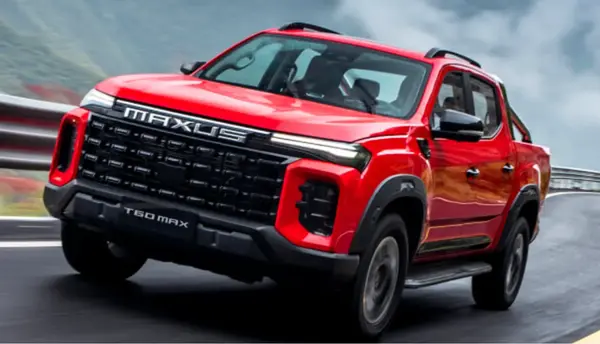

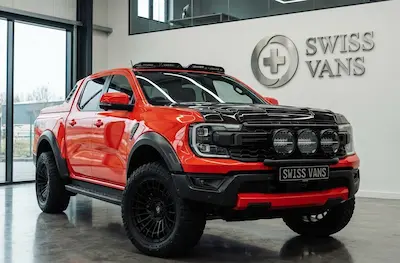
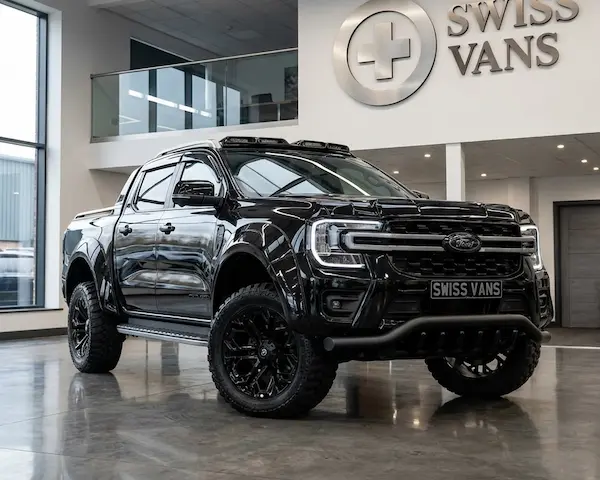


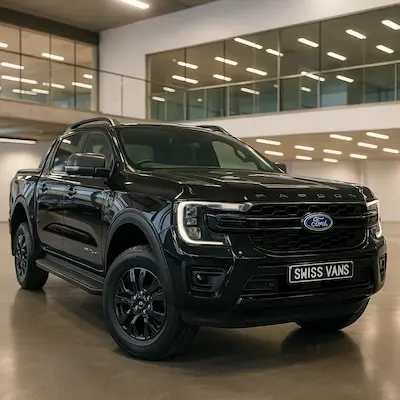
Pick Up Truck Lease : You Need to Know
Pick up truck leases have become an increasingly popular option for those seeking the versatility and power of a truck without the long-term commitment of ownership. These leases offer individuals and businesses the opportunity to drive the latest models with lower monthly payments compared to purchasing. With a wide range of options available, from compact trucks to heavy-duty workhorses, leasing a pick up truck has an impact on both personal and professional transportation needs. Source
This comprehensive guide aims to provide readers with all the essential information they need to consider when exploring pick up truck lease deals. It covers the fundamentals of leasing, highlights popular models available for lease, and discusses key factors to weigh before signing an agreement. The guide also explains the leasing process, maintenance responsibilities, and insurance requirements. By the end, readers will have a clear understanding of how to navigate the world of pick up truck leasing and make an informed decision that suits their specific needs and budget. See all Ford Van Leasing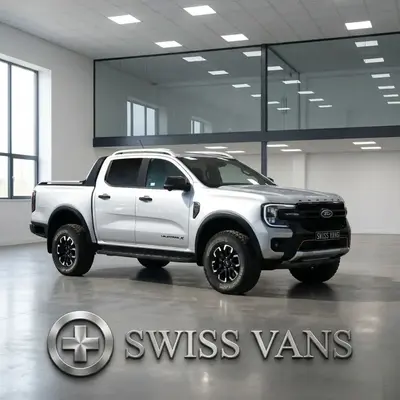
Understanding Pick Up Truck Leases
Flexible Pickup Leasing Options
A pickup truck lease is an arrangement that allows individuals or businesses to use a brand new pickup truck for a specified period, typically two to four years, without the need for a large upfront payment. This option has gained popularity as it combines the versatility of a pickup truck with the convenience of a flexible financial agreement. Leasing a pickup truck is similar to owning one, but without the long-term commitment and substantial initial costs. See all pick up trucks for sale
The leasing process involves selecting a desired pickup truck model, agreeing to a set term, and making monthly payments for the duration of the lease. At the end of the lease term, the lessee returns the vehicle and has the option to lease a new pickup truck, effectively creating a cycle of driving the latest models. See all Van Lease Deals UK See all vans for lease
Benefits of Leasing vs. Buying
Leasing a pickup truck offers several advantages over purchasing:
- Lower Upfront Costs: Leasing eliminates the need for a large down payment or substantial savings, making it easier to access a new pickup truck without depleting capital.
- Predictable Monthly Expenses: With fixed monthly payments, leasing allows for easier budgeting and financial planning.
- Access to Newer Models: Leasing enables drivers to enjoy the latest pickup truck models with advanced features and technology every few years.
- Reduced Maintenance Hassles: New pickup trucks typically require less maintenance, and many lease agreements include maintenance packages, further reducing potential costs and inconvenience.
- Tax Advantages: For businesses, leasing a pickup truck can offer tax benefits, as lease payments may be tax-deductible expenses.
- Avoiding Depreciation: Lessees don't have to worry about the vehicle's depreciation, as they simply return it at the end of the lease term.
- Flexibility: Leasing provides the flexibility to change vehicles more frequently, allowing users to adapt to changing needs or preferences. See all Volkswagen Van Leasing
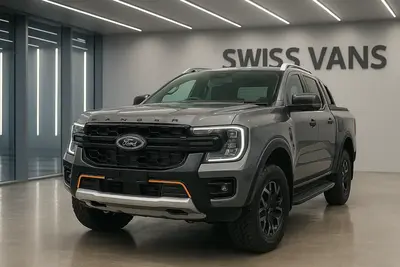
Types of Pick Up Truck Leases
There are several types of pickup truck leases available to cater to different needs: See all Business Van Lease Deals
- Personal Contract Hire (PCH): This option is ideal for individuals who want to lease a pickup truck for personal use. It typically involves fixed monthly payments and mileage limits.
- Business Contract Hire (BCH): Designed for businesses, this type of lease allows companies to lease pickup trucks for commercial purposes. It often includes maintenance packages and can offer tax benefits.
- Finance Lease: This option is suitable for businesses that want more flexibility in terms of mileage and vehicle modifications. At the end of the lease, the lessee has the option to purchase the vehicle or extend the lease.
- Short-Term Lease: For those who need a pickup truck for a brief period, short-term leases offer flexibility with terms ranging from a few months to a year. See all Van Finance
When considering a pickup truck lease, it's essential to evaluate factors such as the intended use of the vehicle, mileage requirements, and budget constraints. Many leasing companies offer a wide range of pickup truck models, from compact trucks to heavy-duty workhorses, ensuring that lessees can find a vehicle that suits their specific needs.
Leasing a pickup truck has become an attractive option for both individuals and businesses seeking the benefits of a versatile vehicle without the long-term commitment of ownership. By understanding the different types of leases available and the advantages they offer, potential lessees can make informed decisions that align with their transportation needs and financial goals.
Popular Pick Up Truck Models for Leasing
The pickup truck market offers a range of versatile vehicles suitable for both work and leisure. Here's an overview of some popular models available for leasing: See refridgerated van lease
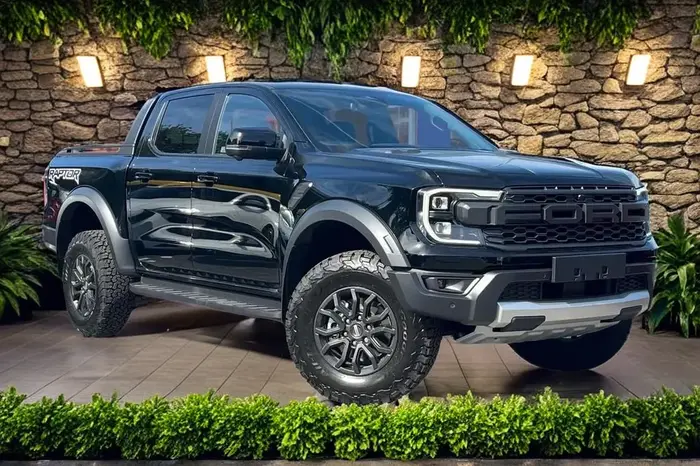
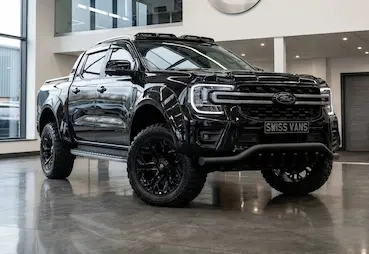
Ford Ranger Pick Up Truck Lease
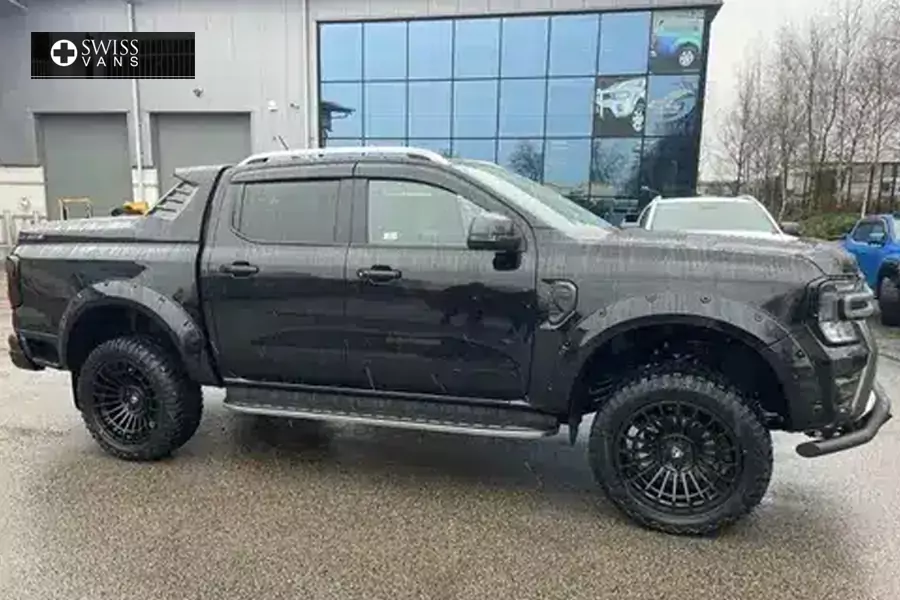
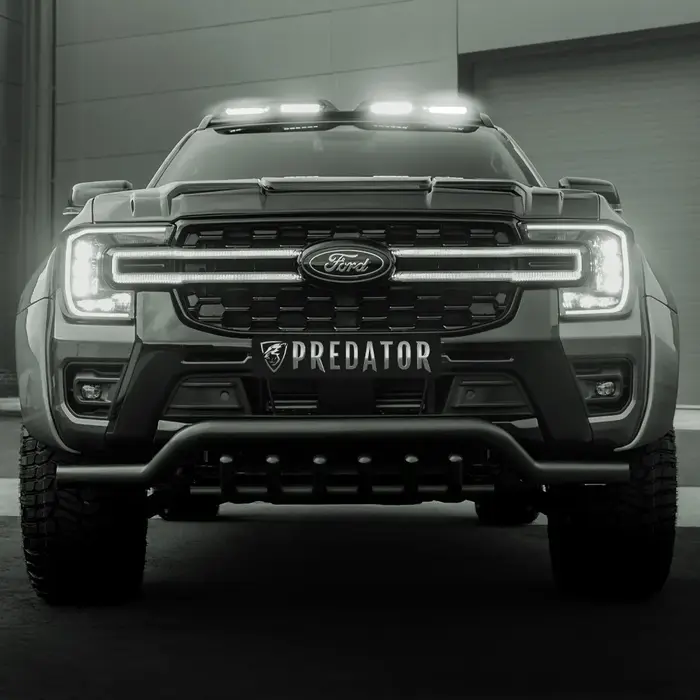
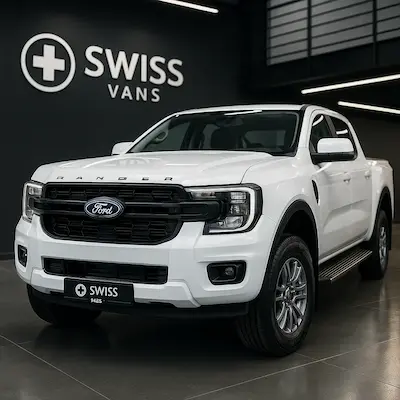
The Ford Ranger has long been the UK's best-selling pickup truck, and its latest incarnation continues to impress. It combines work-ready capabilities with family-friendly features, making it an excellent choice for those seeking a versatile vehicle. See Ford Ranger Lease
Key features of the Ford Ranger include:
- Available in single cab, double cab, and chassis cab variants
- Four-wheel drive options for superior off-road performance
- Impressive towing capacity of up to 3,500kg
- Payload capacity of at least 1,000kg (except for the Raptor model)
- Choice of engines, including 2.0-liter EcoBlue diesel and 3.0-liter V6
- Five trim levels: XL, XLT, Tremor, Wildtrak, and Platinum
The Ranger's dimensions are substantial, measuring 5,370mm in length, 1,918mm in width (excluding mirrors), and 1,884mm in height. Its double cab variant offers a load deck of 1,564mm in length, 1,224mm in width, and 511mm in height.
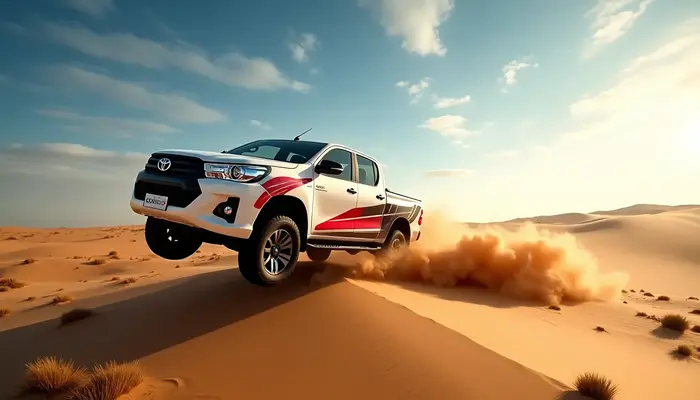
Toyota Hilux Pick Up Truck Lease
The Toyota Hilux has been a staple in the UK pickup market since 1972, earning a reputation for exceptional reliability. Toyota describes it as "the world's toughest icon" in the pickup leasing sector.
Notable aspects of the Toyota Hilux include:
- Available in single cab, extra cab, and double cab configurations
- All-wheel drive as standard across all variants
- Mild-hybrid technology in diesel engines for improved fuel efficiency
- Rugged design suitable for various terrains and working conditions
- Comfortable suspension for improved on-road performance
- Strong resale value, contributing to competitive lease rates
The Hilux combines work-ready capabilities with modern comforts, making it an attractive option for those who need a reliable vehicle for both professional and personal use. See all crew van lease deals
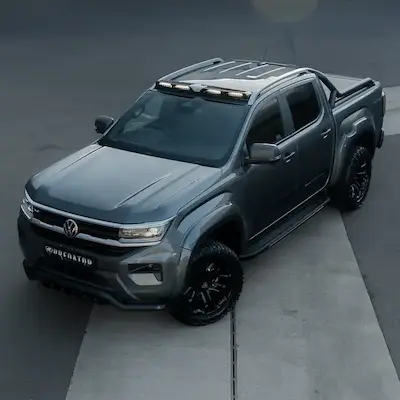
Volkswagen Amarok Pick Up Truck Lease
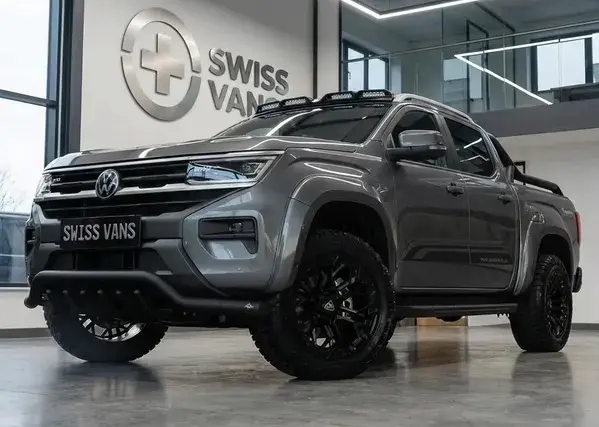
The Volkswagen Amarok aims to blend the comfort of a car with the practicality of a pickup truck. It shares its platform with the Ford Ranger, benefiting from the expertise of both manufacturers. See VW Amarok Lease
Key features of the Volkswagen Amarok include:
- Available only as a double-cab version
- Dimensions: 5,350mm length, 1,910mm width (body only), 1,884mm height
- Load space dimensions: 1,624mm length, 1,584mm width, 529mm height
- Four trim levels: Life, Style, PanAmericana, and Aventura
- Engine options include 2.0-liter diesel (170hp and 205hp) and 3.0-liter diesel
- Standard features include 17-inch alloy wheels, rear-view camera, and 10-inch infotainment screen
The Amarok offers a balance between work capabilities and lifestyle features, making it a popular choice for those who want a pickup that can handle both roles effectively.
Nissan Navara RIP Pick Up Truck Lease
The Nissan Navara has gained popularity for its combination of workhorse capabilities and SUV-like refinement. It offers a range of features that cater to both professional and personal needs.
Notable aspects of the Nissan Navara include:
- Available in single cab and double cab variants
- Towing capacity of up to 3,500kg
- Multiple trim levels, from the entry-level Visia to the top-spec N-Guard
- Standard features include DAB radio, Bluetooth connectivity, and air conditioning
- Higher trims offer additional luxuries like leather seats, LED headlights, and a 360-degree camera
The Navara's versatility and comfort make it an attractive option for those seeking a pickup truck that can seamlessly transition from work to leisure activities.
These popular pickup truck models offer a range of features and capabilities to suit various needs and preferences. When considering a pickup truck lease, it's essential to evaluate factors such as intended use, required payload capacity, and desired comfort features to choose the model that best fits individual or business requirements.
Factors to Consider When Leasing a Pick Up Truck
When considering a pick up truck lease, several key factors come into play. These elements have an impact on the overall cost, flexibility, and suitability of the lease agreement for the lessee's needs. Understanding these factors helps individuals and businesses make informed decisions when entering into a lease contract.
Lease Terms Pick Up Truck Lease
The duration of a pick up truck lease typically ranges from two to five years. This flexibility allows lessees to choose a term that aligns with their needs and preferences. Shorter lease terms offer the advantage of driving newer models more frequently, while longer terms may result in lower monthly payments. It's crucial to consider how long one wants to commit to a particular vehicle and how often they'd like to upgrade to newer models. See Toyota Hilux Lease
Mileage Limits Pick Up Truck Lease
Almost all pick up truck leases come with mileage restrictions, usually based on an annual or contracted mileage. These limits are essential to consider as they directly affect the vehicle's residual value at the end of the lease term. Exceeding the agreed-upon mileage typically results in excess mileage charges, which can be costly. See Ford Ranger Lease
When discussing mileage limits with a leasing company, it's advisable to:
- Overestimate annual mileage to avoid potential charges
- Understand that the total mileage is often pooled over the entire lease term
- Consider the possibility of adding more miles to the agreement if needed
Most leasing companies set maximum mileage allowances around 50,000 miles per year, with a general limit of 180,000 miles for the entire lease period. It's crucial to accurately estimate mileage needs to avoid unexpected costs at the end of the lease.
Residual Value Pick Up Truck Lease
The residual value of a pick up truck has a significant impact on lease payments. It represents the estimated worth of the vehicle at the end of the lease term. Factors affecting residual value include:
- Expected depreciation
- Historical demand for the chosen model
- Anticipated mileage
A higher residual value typically results in lower monthly payments, as the lessee is essentially paying for the difference between the vehicle's current value and its projected residual value. It's beneficial to research and compare residual values offered by different leasing companies to ensure a fair deal.
Money Factor Pick Up Truck Lease
The money factor, also known as the lease factor or lease fee, is essentially the interest rate for a lease agreement. It's usually presented as a small decimal (e.g., 0.002) and can be converted to an annual percentage rate (APR) by multiplying it by 2,400.
Key points to understand about the money factor include:
- It's directly influenced by the lessee's credit score
- A lower money factor is more favorable for the lessee
- It can often be negotiated with the dealer
- A money factor of 0.0025 (or 25 when expressed as a whole number) translates to a 6% APR, which is considered fairly good
When evaluating a lease offer, it's important to consider the money factor alongside other terms to get a comprehensive understanding of the lease's cost.
By carefully considering these factors - lease terms, mileage limits, residual value, and money factor - potential lessees can make well-informed decisions when leasing a pick up truck. Each factor plays a crucial role in determining the overall cost and suitability of the lease agreement, allowing individuals and businesses to find a lease that best suits their needs and budget.
The Leasing Process Explained
Choosing a Truck
The process of leasing a pick up truck begins with selecting the right vehicle for one's needs. Individuals should consider factors such as the intended use of the truck, required payload capacity, and desired comfort features. It's essential to determine a budget and base choices around it. Leasing often makes it surprisingly affordable to obtain an ideal pickup, as monthly payments are determined solely by the vehicle's depreciation throughout the lease period rather than its total value.
When choosing a truck, one should consider the following:
- Transmission type: Automatic transmissions are increasingly popular due to their convenience and suitability for various driving conditions. However, manual transmissions are still available in some models and often come with a slightly lower price tag.
- Cab options: Understanding different cab configurations is crucial, depending on whether one prioritizes hauling a large crew or requires extra storage space.
- Optional features: Identify essential features based on the truck's primary purpose, such as a towing package for heavy loads or advanced infotainment systems for connectivity.
- Towing and payload capacity: Assess towing needs and match them with a truck that offers an appropriate towing capacity. Similarly, consider the payload capacity based on the weight of items typically carried.
Negotiating the Lease
Negotiating a fair truck lease agreement is crucial for ensuring profitability on the road. Key aspects to consider during negotiations include:
- Base truck payments
- Maintenance fees
- Mileage allowances
- Early termination clauses
- Lease length
- Upgrade terms
It's important to pay close attention to mileage details, as they can significantly impact operating costs and profitability. Flexibility in the agreement allows for adaptation to business changes, so negotiating favorable early termination, lease length, and upgrade terms is essential.
Finalizing the Agreement Pick Up Truck Lease
Once negotiations are complete, the next step is to finalize the lease agreement. This typically involves the following steps:
- Reviewing the customer order form, which confirms the van leasing deal terms and vehicle details.
- Signing the agreement to accept the terms and pricing.
- Authorizing the leasing company to apply for vehicle financing on the lessee's behalf.
- Providing any supporting documents required by the funder, especially for new companies or those with limited credit history.
The leasing application process may take a couple of days, during which additional questions or information may be requested. Prompt responses to these inquiries help expedite the process.
Taking Delivery Pick Up Truck Lease
Once the finance application has been approved, the final step is taking delivery of the leased pick up truck. The delivery process typically includes:
- Arranging a delivery date and location, usually at the lessee's home or workplace
- Inspecting the vehicle upon arrival, checking for any damage or missing items.
- Reviewing key functions of the vehicle with the delivery driver.
- Signing the delivery note to confirm receipt of the vehicle.
Pick Up Truck Lease
It's crucial to thoroughly inspect the truck before signing the delivery note. If any damage is noticed, it should be highlighted to the driver and noted on the delivery document. Taking photographs of any damage is also advisable.
The vehicle should arrive clean, both inside and out, with enough fuel to reach the nearest fuel station. The delivery mileage will be recorded but typically doesn't count towards the pre-agreed contracted mileage.
By understanding and carefully navigating each step of the leasing process, individuals and businesses can secure a pick up truck lease that best suits their needs and budget.
Maintenance and Insurance for Leased Pick Up Trucks
Routine Maintenance
Regular servicing has a significant impact on the longevity, performance, safety, and reliability of leased pick up trucks. As part of the lease agreement, lessees are responsible for maintaining and servicing the vehicle according to the manufacturer's guidelines. This typically involves full or interim services at specific mileage points or every 12-24 months.
A comprehensive service usually includes checks and replacements of various components, such as:
- Air filters
- Brake pads, drums, and disks
- Clutch
- Coolant (antifreeze)
- Engine and gearbox mounts
- Engine oil
- Exhaust
- Gearbox
- Lights
- Steering and suspension
- Timing and auxiliary belts
- Tire condition and pressure
- Wiper blades
Regular maintenance offers several benefits:
- Improved running efficiency, leading to fuel cost savings
- Early detection of potential issues, preventing costly breakdowns
- Increased vehicle lifespan
- Compliance with lease contract terms
Lessees without a maintenance package must arrange servicing and MOTs as required. While using a local main dealer is recommended, some finance providers allow the use of VAT-registered local garages, provided they use genuine manufacturer parts.
Insurance Requirements
UK law mandates that leased vehicles must be insured on a fully comprehensive insurance policy. This coverage protects the full cost of repairing any damage to the vehicle and third-party property in the event of an accident.
Insurance must be arranged from the day of delivery and maintained until the finance provider collects the vehicle. For personal lease agreements, the hirer obtaining finance must be the main policyholder on the insurance certificate. Business lease agreements require the insurance certificate to be in the company name or a director's name.
It's crucial to inform the insurance provider that the finance company is the registered owner and keeper of the vehicle when setting up the policy. While not legally required, lessees may opt for Guaranteed Asset Protection (GAP) insurance, which covers the difference between the car's value and the amount owed to the finance company in case of theft or total loss.
Wear and Tear Considerations
Fair wear and tear refers to the natural deterioration that occurs due to regular use throughout the lease term. It's essential to distinguish this from damage caused by accidents, negligence, or poor treatment. The British Vehicle Rental and Leasing Association (BVRLA) provides general guidelines on fair wear and tear, which finance providers use to create their own specific rules.
To avoid unexpected costs at the end of the lease, lessees should:
- Inspect the vehicle 10-12 weeks before return
- Arrange necessary repairs for unacceptable damage
- Maintain the vehicle's appearance through regular cleaning and polishing
- Ensure all maintenance and servicing is carried out by accredited outlets
- Keep the vehicle service record up to date
Pick Up Truck Lease
Common issues that may result in lease-end penalty charges include excessive damage, excessive mileage, missing items, and unacceptable condition. By adhering to these guidelines and maintaining the vehicle properly, lessees can minimize the risk of additional charges and ensure a smooth return process at the end of their lease term.
Conclusion Pick Up Truck Lease
Pick up truck leases offer a flexible and cost-effective way to enjoy the benefits of these versatile vehicles. This guide has explored the ins and outs of leasing, from understanding different lease types to navigating the leasing process. It has also shed light on popular models and key factors to consider, helping readers make informed decisions.
To wrap up, leasing a pick up truck has an impact on both personal and professional transportation needs. By weighing the pros and cons, considering maintenance responsibilities, and understanding insurance requirements, individuals and businesses can find a lease agreement that fits their specific needs and budget. This approach allows them to drive the latest models without the long-term commitment of ownership, making it an attractive option for many.
FAQs Pick Up Truck Lease
Currently, there are no specific FAQs available related to the article "The Ultimate Guide to Pick Up Truck Leases: Everything You Need to Know." Please refer to the detailed article sections for comprehensive information on pick up truck leases, including understanding leases, popular models, factors to consider, the leasing process, and maintenance and insurance requirements.