Mon–Fri: 08:30-17:00 | Sat: 09:00-13:00

ViberCall us on 01656 674620

Vans For Sale

Sub Categories
Vans For Sale

Searching for electric vans for sale can be an exciting yet daunting task. With countless options available, from new vans to used vans for sale, finding the perfect vehicle to suit your needs requires careful consideration. Whether you're in the market for cargo vans for sale to support your business or seeking passenger vans for sale for family adventures, understanding the diverse landscape of van offerings is crucial to making an informed decision. Van Lease


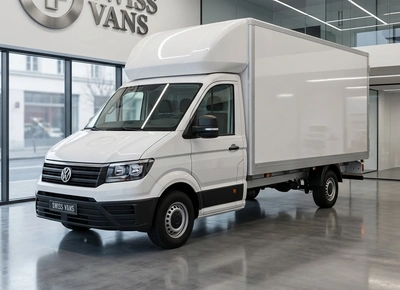
This comprehensive guide aims to help you navigate the world of vans for sale near me and beyond. Chedk out our Van Rental deals. We'll explore various types of vans, including minivans and camper vans for sale, and discuss key factors to consider when making a purchase. Additionally, we'll delve into top van brands and models, weigh the pros and cons of new versus used vans, and examine financing options. By the end, you'll be well-equipped to find the ideal van that fits your budget and requirements, whether you're looking for luton Ford Refridgerated vans for sale Scotland or considering higher-end options.

Types of Vans Available

The world of vans offers a diverse range of options to suit various needs, from business operations to family adventures.Understanding the different types of vans available helps buyers make informed decisions based on their specific requirements. See all van lease deals

Cargo Vans For Sale

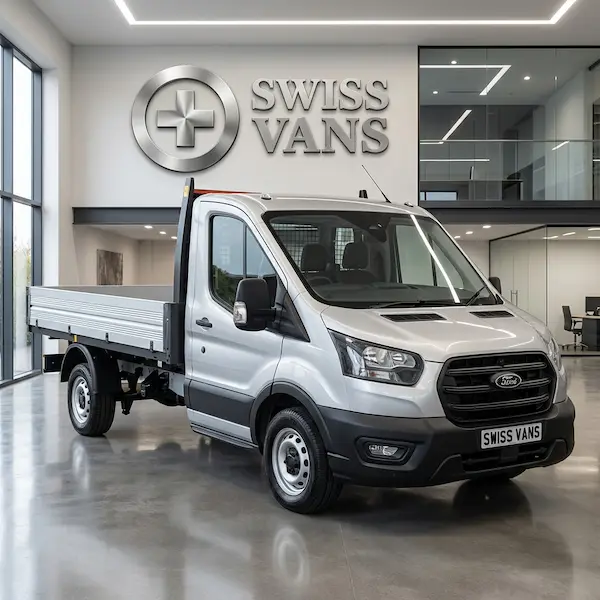
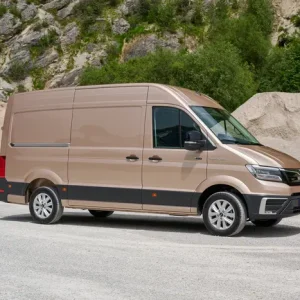
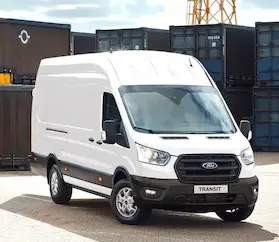
Cargo vans are designed primarily for transporting goods and equipment. These vehicles feature an enclosed body with a separate cab and a spacious, boxy cargo area. They prove ideal for businesses that need to transport large items or bulk materials securely. Cargo vans often come with customizable interiors, allowing for the installation of shelving or equipment racks to suit specific business needs. The Ford Transit and Mercedes-Benz Sprinter are popular examples of cargo vans.

Vans For Sale

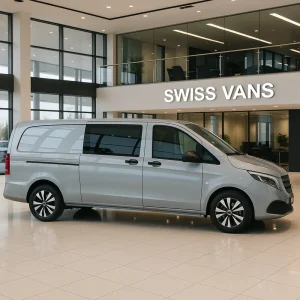
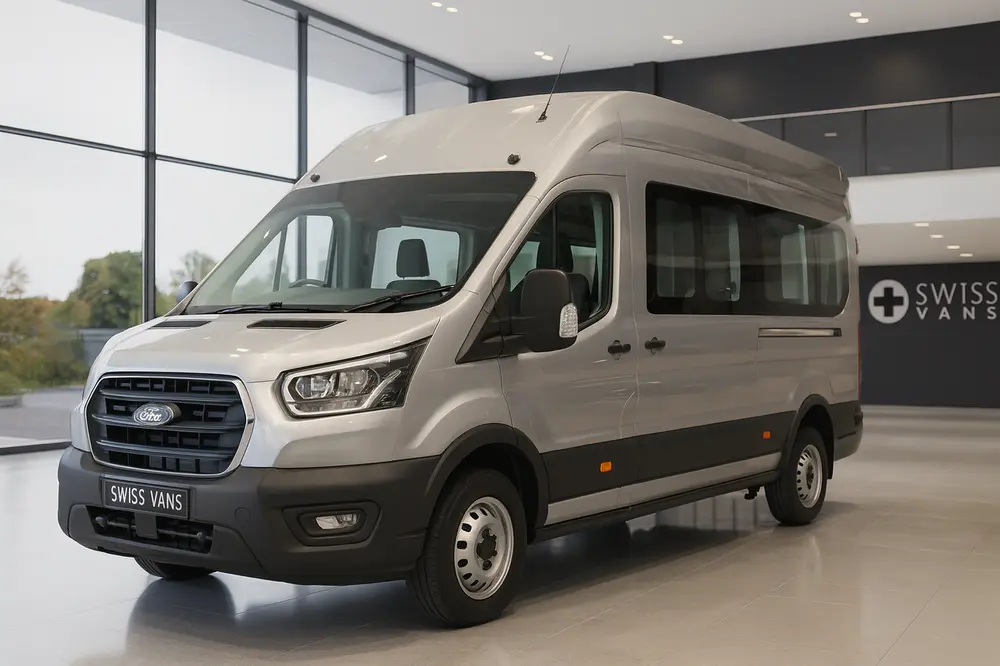
Also known as people carriers or van-based MPVs (multi-purpose vehicles), passenger vans are designed to transport larger groups of people comfortably. These vans can accommodate up to nine passengers in some cases, making them an excellent alternative to family cars. Passenger vans offer several advantages, including:

A car-like driving experience

Versatile seat configurations

Increased storage capacity

Customizable interiors

Better visibility due to a higher seating position

Ample headroom for tall passengers


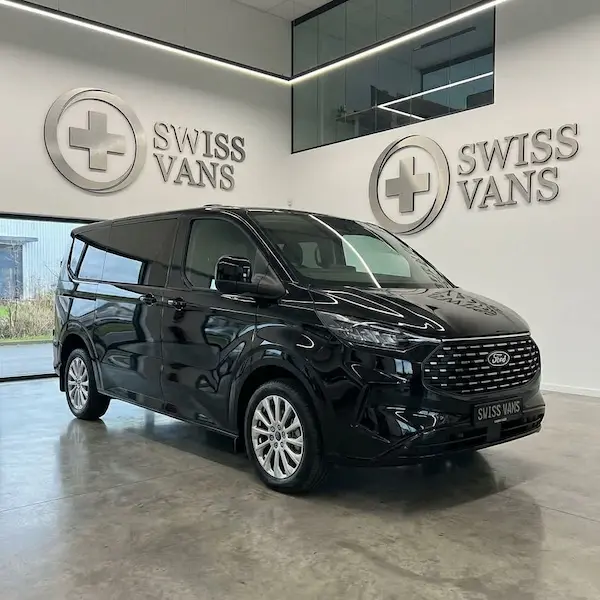
Popular models in this category include the Citroën SpaceTourer, Ford Tourneo Custom, and Vauxhall Vivaro Life.

Conversion Vans

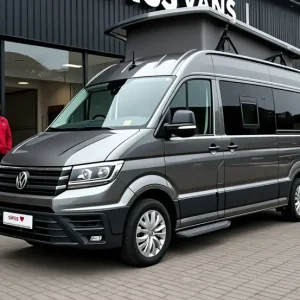
Conversion vans are versatile vehicles that can be transformed to serve various purposes. One popular type of conversion is the campervan. With the right modifications, any van can become a home-on-wheels, offering comfort and convenience for road trips and outdoor adventures. The Volkswagen Transporter and Vauxhall Vivaro are frequently chosen for campervan conversions due to their adaptable interiors and reliable performance. See all van lease deals

Another type of conversion van is the crew cab or double cab. These vans cater to both cargo and passenger needs, featuring an additional row of removable seats behind the driver's cab. This configuration allows for transporting up to six people while still providing ample cargo space. The Renault Trafic Crew Cab is a notable example in this category.

Minivans

Minivans, also referred to as MPVs, are designed with families in mind. They typically offer seating for up to seven passengers, with two seats that can fold flat to the floor for increased versatility. Minivans prioritize comfort, spaciousness, and practicality, making them ideal for large families or those who frequently transport groups of people.


Key features of minivans include:

Sliding doors for easy access

Flexible seating arrangements

Ample storage space

Car-like handling

Enhanced safety features

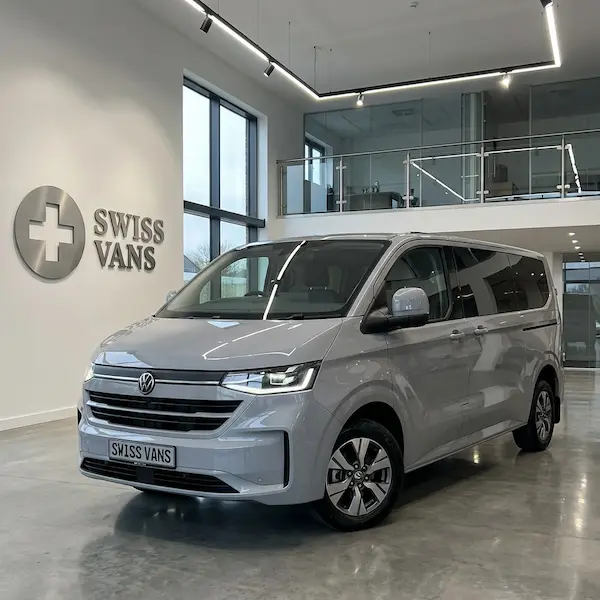
The Volkswagen Transporter Shuttle exemplifies the minivan category, offering a balance of comfort and functionality.

When choosing a van, it's essential to consider factors such as intended use, required cargo capacity, number of passengers, and specific features needed. Whether it's for business operations, family transportation, or a combination of both, there's a van type to suit every requirement. By understanding the characteristics and benefits of each van category, buyers can make well-informed decisions that align with their needs and preferences.

Key Factors to Consider When Buying a Van

When purchasing a van, several crucial factors should be taken into account to ensure the vehicle meets specific needs and provides optimal performance. These considerations range from the van's intended purpose to its safety features, all of which play a significant role in making an informed decision.

Purpose and Usage

The primary factor to consider when buying a van is its intended purpose and usage. Different professions and businesses have varying requirements for their vehicles. For instance, a florist may need a compact van for city deliveries, while a removals firm might require a larger vehicle with ample cargo space. Understanding the specific needs of the business helps in selecting the right type of van, whether it's a cargo van for transporting goods, a passenger van for carrying people, or a conversion van for specialized purposes.

Size and Capacity

The size and capacity of a van are critical factors that directly impact its functionality. Vans typically come in various sizes, ranging from small to extra-large. The dimensions to consider include:


Length: Coded as L1 (short), L2 (medium), L3 (long), and L4 (extra-long)

Height: Categorized as H1 (standard), H2 (high), and H3 (extra high)

Wheelbase: Classified as Short Wheelbase (SWB), Medium Wheelbase (MWB), Long Wheelbase (LWB), and Extra Long Wheelbase (XLWB)

It's essential to calculate the required space for equipment, supplies, and potential future growth. For example, a small van like the Renault Kangoo might have load space dimensions of approximately 1.7 meters in length, 1.5 meters in width, and 1.2 meters in height, with a payload capacity of 500kg to 900kg. In contrast, a large van such as the Citroën Relay could offer load space dimensions of around 3.4 meters in length, 1.7 meters in width, and 1.7 meters in height, with a payload capacity of 1,200kg to 1,500kg.

Fuel Efficiency Vans For Sale

Fuel efficiency has become an increasingly important consideration for van owners due to its impact on operational costs and environmental sustainability. When evaluating fuel efficiency:


Check the van's MPG (miles per gallon) rating, which indicates its fuel consumption.

Consider diesel vans, as they generally offer better fuel economy compared to petrol models.

Look for vans with newer, more efficient engines that comply with the latest emission standards.

Evaluate the Worldwide Harmonized Light Vehicle Test Procedure (WLTP) figures, which provide more accurate fuel economy data than previous testing methods.


To maximize fuel efficiency, drivers should also adopt fuel-saving practices such as proper vehicle maintenance, smooth driving techniques, and efficient route planning.

Safety Features

Modern vans come equipped with a range of advanced safety features that enhance driver and passenger protection. When selecting a van, consider the following safety technologies:


Electronic Stability Control (ESC): This system helps prevent swerving and reduces the risk of overturning, especially important for larger vans with high centers of gravity.

Automatic Emergency Braking (AEB): AEB systems can detect potential collisions and apply the brakes if the driver fails to respond in time.

Lane Keeping Assist: This feature helps prevent accidents by alerting the driver or correcting the vehicle's position if it begins to drift out of its lane.

Driver Fatigue Warning: Given that 25% of fatal accidents are caused by drivers falling asleep at the wheel, this system can significantly enhance safety by alerting tired drivers.

Adaptive Cruise Control: This advanced feature maintains a safe distance from other vehicles, reducing driver stress and improving overall safety.


By carefully considering these key factors - purpose and usage, size and capacity, fuel efficiency, and safety features - buyers can make an informed decision when selecting a van that best suits their needs and provides optimal performance and safety.

Top Van Brands and Models

The van market offers a diverse range of options to suit various needs, from cargo transportation to passenger comfort. Among the top contenders, four brands stand out for their reliability, performance, and innovative features.

Ford Transit

The Ford Transit has become synonymous with versatility and dependability in the van segment. With a history spanning over 50 years, it has earned its place as a benchmark in the industry. The Transit offers an impressive array of configurations, including three load lengths (L2, L3, and L4) and two roof heights (H2 and H3). Buyers can choose between front-, rear-, and four-wheel drive options, catering to diverse operational requirements.


Ford has continually updated the Transit to keep pace with evolving emissions regulations and market demands. The 2019 facelift introduced EcoBlue TDCi engines, which are Euro6 compliant and offer improved efficiency. A mild-hybrid option is available on some variants, further enhancing fuel economy.


The Transit's cab borrows heavily from Ford's passenger cars, creating a familiar and comfortable environment for drivers. The Trend and Limited trim levels offer an 8-inch touchscreen infotainment system with SYNC 3 software, Apple CarPlay, and Android Auto integration. FordPass Connect provides on-board Wi-Fi, live traffic information, and remote vehicle management via smartphone.


Safety features are a strong suit for the Transit, with an advanced ESC stability control system and innovative technologies like Side Wind Stabilization and Curve Control. The Pre-Collision Assist with pedestrian detection is a standout feature, enhancing overall safety for both the driver and other road users.

Mercedes-Benz Sprinter

The Mercedes-Benz Sprinter is often considered the pinnacle of van engineering, combining luxury with practicality. Now in its third generation, the Sprinter continues to impress with its refined design, advanced technology, and superior build quality.


One of the Sprinter's greatest strengths is its versatility. It offers four length options and three roof heights in panel-van form, along with crew-cab, chassis-cab, and dropside alternatives. This flexibility allows businesses to tailor the van to their specific needs.


The Sprinter's powertrain options include a range of 2.0-liter, four-cylinder diesel engines with power outputs ranging from 141bhp to 187bhp. Mercedes has also introduced an electric variant, the eSprinter, catering to the growing demand for zero-emission commercial vehicles.


Inside the cab, the Sprinter sets new standards for comfort and technology. The Mercedes-Benz User Experience (MBUX) infotainment system, first seen in the A-Class passenger car, is now available in the Sprinter. This system offers voice commands, real-time data, and an intuitive interface for drivers.


Safety is a top priority for Mercedes, with features like Crosswind Assist, Attention Assist, and optional Active Distance Assist and Active Brake Assist. These systems work together to create a safer driving experience, particularly important for long-haul journeys.

Ram ProMaster

The Ram ProMaster, while less prominent than some of its European counterparts, offers unique advantages for urban and delivery-focused operations. Its front-wheel-drive system provides excellent traction and maneuverability, making it ideal for navigating tight city streets and cramped worksites.


One of the ProMaster's standout features is its impressive turning diameter of 36 feet, allowing for easy navigation in confined spaces. The van also boasts a low load floor height of 21 inches, facilitating easier loading and unloading of cargo.

Chevrolet Express Vans For Sale

The Chevrolet Express Cargo Van is a compact yet versatile option, particularly well-suited for local businesses. With 122.7 cubic feet of cargo space and a turning diameter of 36.7 feet, it strikes a balance between capacity and maneuverability in high-traffic urban environments.


Safety features include rear park assist and a tire pressure monitoring system, helping to prevent collisions and unexpected repairs. Chevrolet also offers the Business Choice Program with the Express Cargo Van, providing owner perks and customization packages to enhance the van's utility for specific business needs.


Each of these top van brands offers unique strengths, catering to different aspects of commercial transportation needs. From the versatile Ford Transit to the luxurious Mercedes-Benz Sprinter, the maneuverable Ram ProMaster to the compact Chevrolet Express, businesses have a wide range of options to choose from based on their specific requirements and preferences.

New vs Used Vans: Pros and Cons

When it comes to purchasing a van for business or personal use, one of the first decisions to make is whether to buy new or used. Both options have their merits and drawbacks, and the choice depends on various factors such as budget, intended use, and personal preferences.

Benefits of Buying New

Purchasing a new van offers several advantages. Firstly, it provides peace of mind with a full manufacturer's warranty, covering maintenance and wear-and-tear issues. This can significantly reduce unexpected expenses and downtime. New vans also come equipped with the latest technology and safety features, ensuring compliance with current regulations and potentially improving fuel efficiency.


Another benefit is the ability to customize the van to specific needs. Buyers can choose from various options and configurations, tailoring the vehicle to their exact requirements. This level of customization is particularly valuable for businesses with specialized needs.


New vans generally require less maintenance initially, which can lead to lower running costs in the short term. They also offer a smoother purchasing process, with less paperwork and hassle compared to buying used vehicles.

Advantages of Used Vans

The most significant advantage of opting for a used van is the potential for substantial cost savings. Used vans are typically more affordable than their new counterparts, allowing buyers to get more value for their money. This cost benefit is particularly advantageous for small businesses or individuals working with tight budgets.


Used vans have already undergone the steepest part of their depreciation curve, which means they tend to hold their value better over time. This can result in a lower overall cost of ownership and potentially higher resale value in the future.


Insurance premiums for used vans are often lower due to their reduced market value. This can lead to significant long-term savings on operating costs. Additionally, the used van market offers a wider selection of models, makes, and years, increasing the chances of finding a vehicle that perfectly matches specific needs and preferences.

Factors to Consider

When deciding between new and used vans, several factors should be taken into account. For used vans, it's crucial to consider the vehicle's history, including its service record and any potential issues. While a vehicle history report can provide valuable information, it may not reveal every detail about the van's past.


Used vans may come with limited or no warranty coverage, potentially leading to higher maintenance and repair costs over time. It's essential to factor in these potential expenses when evaluating the overall cost of ownership.


For new vans, the higher initial investment is a significant consideration. Buyers should also be prepared for potential wait times if specific configurations or options are desired. Additionally, for those planning to customize their vans, there's a higher risk of making costly mistakes during the build-out process, which could potentially decrease the vehicle's value.


Ultimately, the decision between new and used vans depends on individual circumstances and priorities. By carefully weighing the pros and cons and considering factors such as budget, intended use, and long-term goals, buyers can make an informed decision that best suits their needs.

Financing and Insurance Options

When considering the acquisition of a van for business or personal use, understanding the available financing and insurance options is crucial. These choices can significantly impact the overall cost and operational aspects of van ownership.

Loan vs Lease Vans For Sale

The decision between buying and leasing a van depends on various factors. Buying a van typically involves paying the full price upfront or taking out a loan to be repaid in installments. This option leads to ownership of the vehicle, allowing for customization and unrestricted use. It can be more cost-effective in the long term, especially for businesses that plan to keep the van for an extended period.


Leasing, on the other hand, offers the flexibility to drive a new van for a fixed monthly payment. Lease payments are often lower than loan installments, and the leasing company retains ownership of the vehicle. At the end of the contract, the van is returned, and a new lease can be started if desired.


Several financing options are available:


Personal Contract Purchase (PCP): This involves an initial deposit, monthly installments, and a large deferred payment at the end of the agreement.

Hire Purchase (HP): After an initial deposit, the balance plus interest is paid in equal monthly installments.

Personal Contract Hire (PCH): A form of leasing with a deposit and monthly payments, often lower than other agreements.


Insurance Considerations

Van insurance is a legal requirement unless the vehicle is registered with a Statutory Off-Road Notice (SORN). The type of insurance needed depends on how the van is used:


Social only: For leisure activities and general errands.

Social and commuting: Includes coverage for commuting to work.

Business use: Covers tasks related to business operations, including protection for tools and equipment.

Haulage: Specifically for delivering items owned by other parties.

Insurance policies typically offer different levels of coverage:


Third-party only: The minimum legal requirement, covering damage to third parties and their property.

Third-party, fire, and theft: Adds protection against theft and fire damage to the van.

Fully comprehensive: The highest level of cover, protecting the van, driver, passengers, and third parties.


Additional features can be added to policies, such as legal cover, breakdown assistance, and protection for tools and goods in transit.

Tax Implications Vans For Sale

The tax treatment of vans can be more favorable compared to cars for both employers and employees. Key considerations include:


VAT reclaim: Input VAT on commercial vehicles can often be reclaimed, unlike with cars used for personal purposes.

Benefit in Kind (BIK) charges: Vans are subject to a uniform BIK charge, while cars have variable rates based on CO2 emissions. For the 2024/25 tax year, the taxable amount for vans is £3,960, resulting in annual charges of £792 for basic rate taxpayers and £1,584 for higher rate taxpayers.

Fuel benefit: If an employer covers private travel fuel costs, an additional charge of £757 applies for the 2024/25 tax year.

Electric vans: These are exempt from the van benefit charge.


It's important to note that vans used solely for work-related purposes, with minimal private use, are exempt from BIK taxation. However, recent legal cases have highlighted the complexities in classifying vehicles as vans or cars for tax purposes, emphasizing the need for careful consideration when selecting company vehicles.

Conclusion Vans For Sale

The world of vans for sale offers a diverse range of options to suit various needs, from cargo transport to family adventures. By understanding the different types of vans, key factors to consider, top brands, and the pros and cons of new versus used vehicles, buyers can make informed decisions. The financing and insurance options available further enhance the ability to find a van that fits both budget and requirements.


In the end, choosing the right van has a big impact on both personal and business operations. Whether opting for a new model with cutting-edge features or a used van that provides value for money, the key is to align the choice with specific needs and long-term goals. With careful consideration and research, finding the perfect van becomes an achievable task, opening up new possibilities for transport, work, or leisure.

FAQs Vans For Sale

No frequently asked questions are available at this time. Please check back later for updates.

Why Lease With Swiss Vans

Whatsapp
Book a Call
PX My Van
Ring Now
Upgrade