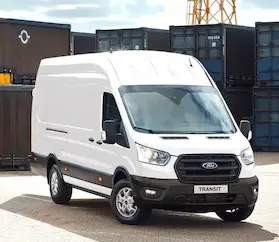
In stock now
Refrigerated Vans For Sale
New and used commercial vans, ready to drive away. Browse by make below, or talk to the team for a deal built around your business.
Products


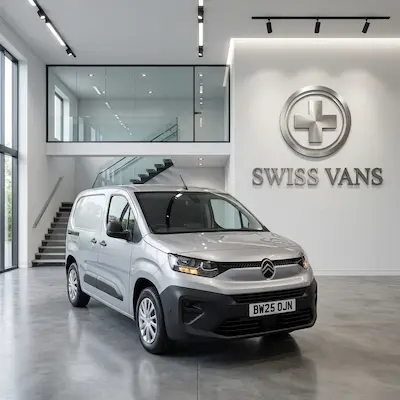


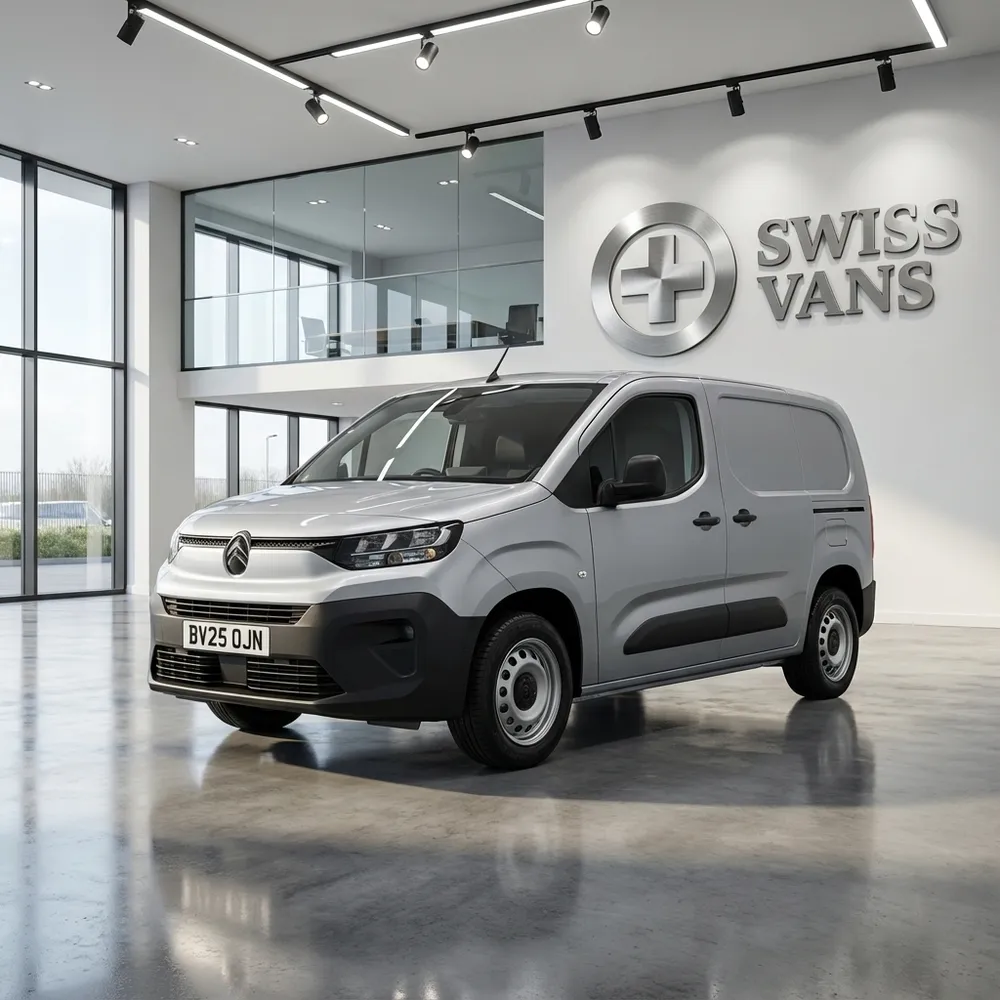

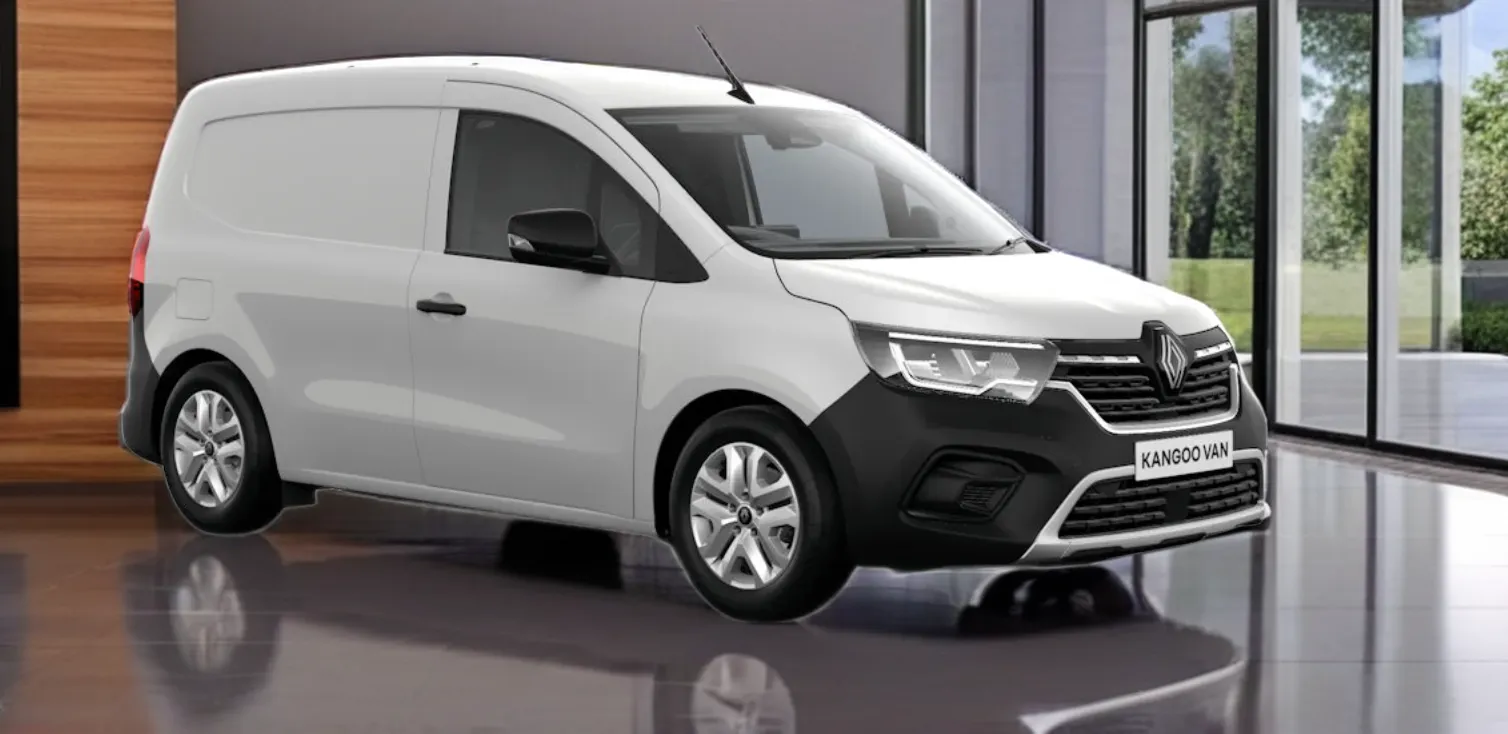


Refrigerated Vans for Sale: Top Features
Picking the right refrigerated van for your business feels like finding your way through a maze of specs and features. The market offers many refrigerated vans for sale, and your choice is vital to your operation's success and profits. Source
You might feel overwhelmed by the options when you look for used refrigerated vans in the UK or search for new ones nearby. Each choice needs careful thought - from compact models perfect for city deliveries to larger vans built for wide distribution networks. See Renault Kangoo 5 Seater For Sale
A refrigerated van does more than keep things cold. Your van's ability to maintain exact temperatures, meet compliance standards, and protect valuable cargo makes it a vital business asset. Let us help you understand the features you need to think over before you make this most important investment. See Used Van Conversions For Sale
This piece breaks down the technical specifications, advanced refrigeration features, safety requirements, and everything you need to know. These elements will guide your business's decision-making process effectively. See Fiat Doblo Van For Sale
Essential Technical Specifications
Let's tuck into the technical heart of refrigerated vans and get into the most important specifications that make these vehicles ideal for temperature-controlled transport. See Ford Ranger Raptor For Sale
Which Refrigerated Van Is Right for You?
The refrigeration unit needs substantial power to maintain consistent temperatures in refrigerated vans. Modern units need an over-capacity of 1.75 times the overall heat ingress at +30.0°C ambient temperature. Systems with 2.25 times over-capacity work best in warmer climates to ensure peak performance. See Peugeot Boxer For Sale
Insulation Technology Types
Insulation is the life-blood of temperature control in refrigerated vans. High-performance units typically use these materials: See Ford Transit Custom Sport For Sale
| Insulation Type | Thickness | Best Use Case |
|---|---|---|
| Polyurethane Foam | 50-100mm | Chilled Transport |
| Extruded Polystyrene | 75-150mm | Frozen Transport |
| Vacuum Insulation Panels | Custom | Premium Solutions |
The K-coefficient (heat transfer rate) should be ≤ 0.4 W/m²K to transport frozen goods and ≤ 0.7 W/m²K for chilled items. The lower K-coefficient of 0.4 W/m²K proves more energy efficient and makes a better choice. See Mercedes Sprinter Vans For Sale
Modern Temperature Control Systems
Temperature control systems in new refrigerated vans now come with advanced features: See Citroen Berlingo For Sale
- Smart temperature monitoring with immediate alert
- Multi-zone cooling capabilities for different cargo requirements
- Automatic temperature adjustment systems
- Pre-cooling functionality for optimal loading condition
These modern systems maintain temperatures from +8°C for fresh produce to -25°C for frozen goods, making them suitable for businesses of all types. See all vans for sale
Advanced Refrigeration Features
Learning about modern refrigerated vans for sale reveals remarkable advances in cooling technology that revolutionise how businesses handle temperature-sensitive deliveries. See Vauxhall Movano For Sale
Smart Temperature Monitoring
Modern refrigerated vans incorporate sophisticated monitoring systems that provide unprecedented control. These systems offer:
- Live temperature data tracking
- Instant alerts for temperature deviations
- Remote monitoring via mobile apps
- Historical data logging for compliance
Multi-Zone Cooling Options Refrigerated Vans For Sale
Multi-zone cooling has become a game-changer in new refrigerated vans for sale. Dual-compartment systems are impressive because they allow simultaneous transport of: See Mercedes Sprinter Minibus For Sale
| Temperature Zone | Range | Typical Use |
|---|---|---|
| Chilled Zone | +2°C to +8°C | Fresh Produce |
| Frozen Zone | -18°C to -25°C | Frozen Foods |
Energy-Efficient Systems
The latest energy-saving innovations in used refrigerated vans for sale across the UK are remarkable. Solar panel technology integration with battery systems has revolutionised these vehicles' operation. Small refrigerated vans for sale now come with standard overnight electrical standby capability that allows continuous cooling without engine operation.
Modern units' smart power management systems can reduce fuel consumption by up to 25% compared to traditional systems. These innovations combine adaptive battery capacity and solar power integration that appeal to sustainability-focused businesses. See Ford Transit Tipper For Sale
Safety and Compliance Refrigerated Vans For Sale
Safety and compliance are the foundations of any refrigerated transport operation. Our experience with refrigerated vans for sale over the last several years shows these aspects play a significant role in business success.
Temperature Recording Devices
Modern refrigerated vans need Electronic Data Logging Monitors (EDLMs). These sophisticated devices measure and store temperature data at predetermined intervals. They provide:
- Up-to-the-minute temperature monitoring with programmable alarms
- Detailed reports and graphs for compliance documentation
- Integration with fleet management systems
- Permanent data storage capabilities
Health and Safety Standards
Our assessment of used refrigerated vans for sale UK-wide confirms they meet The Food Safety and Hygiene Regulations requirements. The standards mandate that:
| Product Type | Required Temperature |
|---|---|
| Chilled Foods | Below 8°C |
| Frozen Products | Below -18°C |
| Pharmaceuticals | Between 2°C and 8°C |
Cold Chain Compliance
ATP agreement compliance remains non-negotiable for international transport based on our work with new refrigerated vans for sale. Each vehicle comes with proper certification and documentation that includes:
- Certificate of compliance for international experiences
- Unique identification for insulated bodies and temperature control units
- Complete qualification documentation
- Regular inspection and maintenance records
Our work with small refrigerated vans for sale demonstrates that proper documentation goes beyond meeting regulations. It protects your business and ensures product integrity throughout the cold chain.
Maintenance Considerations
A well-maintained refrigerated van delivers consistent performance and lasts longer. Our experience with new and used refrigerated vans has helped us create detailed maintenance protocols that keep these specialised vehicles running at their best.
Refrigeration Unit Service Requirements
Schedule maintenance after 500-700 hours or 2000 kilometres of operation. Our service checklist has:
- Refrigeration compressor belt and bracket adjustment
- Condenser and evaporator coil cleaning
- Refrigerant level checks and top-ups
- Electrical system inspection
Common Technical Issues
Our analysis of used refrigerated vans across the UK reveals these common problems:
| Issue | Common Cause | Solution |
|---|---|---|
| Temperature Fluctuations | Sensor calibration | Professional recalibration |
| Cooling Inefficiency | Refrigerant leaks | System pressure test and repair |
| Unusual Noises | Loose components | Immediate inspection and tightening |
| Power Issues | Battery problems | Electrical system check |
Preventive Maintenance Schedule
Our experience with refrigerated vans of all sizes has helped us create a detailed maintenance schedule. Regular checks should include:
Daily Checks:
- Temperature monitoring system verification
- Door seal inspection
- Condensation drainage clearance
Monthly Service:
- Deep clean of storage area
- Insulation integrity check
- Battery terminal cleaning
- Refrigerant pressure testing
These maintenance guidelines help refrigerated vans maintain optimal performance for years. New refrigerated van owners should establish these maintenance routines immediately.
Conclusion
Choosing the right refrigerated van depends on several key factors. You need to balance technical specs with practical features and maintenance needs. Our team's experience shows this balance leads to successful refrigerated van operations.
Modern refrigerated vans must have smart temperature monitoring systems and proper insulation technology. We recommend units with K-coefficients of ≤ 0.4 W/m²K. These units deliver optimal energy efficiency and keep temperatures stable for cargo of all types.
Many buyers overlook everything in safety compliance and regular maintenance. Your refrigerated van will run efficiently when you schedule service every 500-700 hours and perform daily checks. Quality refrigerated vans require a larger upfront investment, but they deliver reliable performance and lower operating costs over time.
Our exceptional experience in refrigerated transport points to two priorities. Advanced temperature control systems and proper insulation matter more than aesthetic features. These core components help your van maintain steady temperatures and protect valuable cargo effectively.
FAQs
- What are the key features to look for when buying a refrigerated van? When purchasing a refrigerated van, it's essential to consider features such as engine performance, insulation technology, temperature control systems, smart monitoring capabilities, multi-zone cooling options, energy efficiency, safety compliance features, and maintenance requirements. These aspects ensure optimal performance, cargo protection, and regulatory compliance.
- How often should a refrigerated van be serviced? We recommend scheduling maintenance for refrigerated vans every 500-700 hours of operation or every 2000 kilometres, whichever comes first. This includes checks on the refrigeration compressor, condenser and evaporator coils, refrigerant levels, and electrical systems.
- What temperature range can modern refrigerated vans maintain? Modern refrigerated vans can maintain temperatures ranging from +8°C for fresh produce down to -25°C for frozen goods. This versatility allows businesses to transport a wide variety of temperature-sensitive products.
- Are there energy-efficient options available for refrigerated vans? Yes, many modern refrigerated vans incorporate energy-efficient features such as solar panel technology integrated with battery systems, smart power management, and overnight electrical standby capability. These innovations can reduce fuel consumption by up to 25% compared to traditional systems.
- What safety standards should a refrigerated van comply with? Refrigerated vans must comply with The Food Safety and Hygiene Regulations, which mandate specific temperature requirements for different product types. For international transport, compliance with the ATP agreement is crucial, including proper certification and documentation.
- How important is insulation in a refrigerated van? Insulation is crucial for temperature control in refrigerated vans. High-performance units typically use materials like polyurethane foam or extruded polystyrene, with thicknesses ranging from 50-150mm depending on the intended use. The insulation's effectiveness is measured by the K-coefficient, with lower values indicating better insulation.
- What are common technical issues with refrigerated vans? Common issues include temperature fluctuations due to sensor calibration problems, cooling inefficiency caused by refrigerant leaks, unusual noises from loose components, and power issues related to battery problems. Regular maintenance can help prevent or quickly address these issues.
- Can refrigerated vans transport different types of goods at various temperatures simultaneously? Yes, many modern refrigerated vans offer multi-zone cooling options. For example, dual-compartment systems allow for simultaneous transport of chilled goods (typically +2°C to +8°C) and frozen products (-18°C to -25°C) in separate zones within the same van.