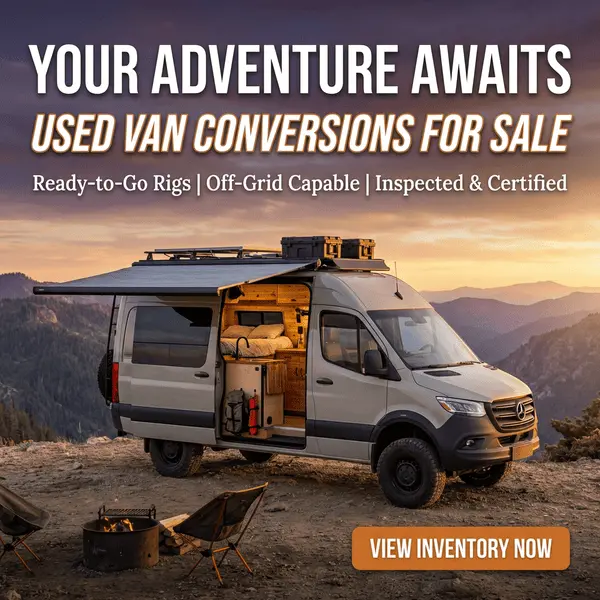
Used Van Conversions For Sale
Used Van Conversions For Sale
Looking for a versatile and comfortable way to travel? Used van conversions for sale offer an exciting opportunity for adventurers and road trip enthusiasts. These custom-built vehicles combine the practicality of a van with the comforts of a home, making them ideal for long journeys or weekend getaways. Whether you’re searching for used van conversions for sale near California, Texas, or anywhere else in the country, this guide has you covered.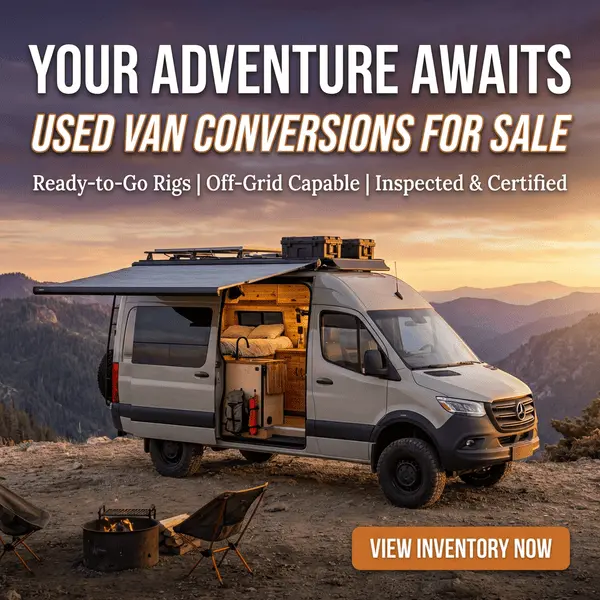
This comprehensive article delves into the world of used conversion vans such as Vauxhall , helping readers to understand what to look for when making a purchase. It covers key aspects such as assessing your needs, inspecting the exterior and interior, and evaluating mechanical considerations. From used van conversions for sale under $10,000 to more luxurious options, this guide provides valuable insights for buyers at every budget level. Whether you’re browsing Craigslist, looking for used van conversions for sale by owner, or exploring wheelchair accessible vehicles, you’ll find the tips and tricks you need to make an informed decision.
Understanding Conversion Vans
Conversion vans and even tipper vans for sale and all our vans for sale offer a versatile and practical solution for various personal and commercial needs. These vehicles have evolved significantly since their introduction in the 1960s, becoming increasingly popular among travelers, families, and businesses alike.
Best Used Van Conversions For Sale UK
A conversion van is essentially a full-sized cargo van that has been modified by third-party companies to include various luxuries and amenities. These modifications transform the basic van into a comfortable and functional space suitable for road trips, camping, or specialized purposes.
The history of conversion vans dates back to the 1960s when they first gained popularity. Early models were primarily designed for camping, featuring pop-tops or fixed fiberglass bubble tops. These vans came equipped with basic amenities such as gas stoves, sleeping areas, tables, carpets, and lighting.
As the concept evolved, conversion vans began to sport more elaborate designs. In the 1970s, many featured eye-catching murals painted along the sides and uniquely shaped windows. By the mid-1980s, luxurious interiors became common, with thickly padded seats, wood trim, and sophisticated lighting systems.
Types of conversion vans
Conversion vans come in various types, each designed to serve specific purposes:
- Travel/Family Vans: These are the standard conversion vans, available in both low-top and high-top configurations. They’re ideal for family trips and recreational use.
- Disability/Wheelchair Vans: These vehicles are modified to accommodate passengers with mobility equipment. They often feature raised roofs, lowered floors, and specialized entry systems.
- Office Vans: Designed for mobile professionals, these vans include a small office setup with a desk, chair, and electrical outlets for computers and other equipment.
- Class B Motorhomes: Built on full-size cargo vans, these compact RVs typically range from 17 to 20 feet in length and include basic living amenities.
- Shuttle Vans: Similar to travel vans but configured for business use, shuttle vans are often used by airports, hotels, and other organizations for transporting multiple passengers.
- Commercial Vans: These vehicles feature custom-built interiors with specialized storage solutions to meet specific business needs.
- Adventure Vans: Often custom-made by small conversion outfitters, these vans cater to outdoor enthusiasts looking to explore off the beaten path.
Benefits of owning a conversion van
Owning a conversion van comes with numerous advantages:
- Versatility: Conversion vans serve multiple purposes, from family vehicles to mobile offices or campers.
- Comfort: With luxurious interiors and ample space, these vans provide a comfortable travel experience.
- Customization: Owners can tailor their vans to suit specific needs, whether for business or leisure.
- Cost-effective: Compared to traditional RVs, conversion vans are often more affordable and fuel-efficient.
- Ease of use: These vans are easier to drive and park than larger recreational vehicles, making them suitable for various destinations.
- Community: Van life has created a vibrant community of like-minded individuals who share tips and experiences.
- Freedom: Conversion vans offer the freedom to travel and explore with the comforts of home.
While conversion vans offer numerous benefits, potential owners should also consider factors such as maintenance costs, parking challenges, and the need for occasional repairs. Additionally, those considering full-time van life should be prepared for some lifestyle adjustments, including limited space and the need to plan for amenities like bathrooms and showers.
In conclusion, conversion vans such as Iveco Vans for sale provide a unique blend of functionality, comfort, and adventure. Whether used for family trips, business purposes, or as a mobile home, these versatile vehicles continue to appeal to a wide range of users seeking flexibility and freedom in their travels.
Assessing Your Needs
Before diving into the world of used van conversions for sale, it’s crucial to assess individual needs and preferences. This step helps narrow down options and ensures the chosen vehicle aligns with the buyer’s lifestyle and travel plans.
Intended Use
The first consideration when looking at used van conversions for sale is the intended use of the vehicle. Buyers should reflect on their travel goals and how they plan to utilize the van. Some key questions to ponder include:
- Trip duration: Will the van be used for weekend getaways, week-long adventures, or extended journeys?
- Travel style: Does the buyer prefer campsite stays with hook-ups or off-grid experiences with solar power?
- Storage location: Where will the van be kept when not in use?
Understanding these factors helps determine the size and features needed in a conversion van. For instance, those planning longer trips or off-grid adventures might prioritize larger water tanks and robust solar systems.
Passenger Capacity
The number of people traveling in the van has a significant impact on the choice of vehicle. Buyers should consider:
- Regular occupants: How many individuals will typically use the van?
- Occasional guests: Is there a need for extra sleeping space for occasional visitors?
It’s important to avoid overestimating capacity needs. As one experienced van owner advises, “Don’t plan for the whole family if 90% of the time it will just be the two of you.” Choosing a van based on regular occupancy rather than occasional maximum capacity can lead to a more practical and efficient vehicle.
Required Amenities
The amenities needed in a conversion van vary greatly depending on individual preferences and travel styles. Some key considerations include:
- Sleeping arrangements: Is a rock and roll bed sufficient, or is a fixed bed preferred?
- Kitchen facilities: Does the buyer need a full kitchen setup or just basic cooking equipment?
- Bathroom facilities: Is a built-in toilet or shower necessary, or are portable options sufficient?
- Storage solutions: What type of storage is needed for personal items and equipment?
- Entertainment systems: Are features like DVD players or sound systems important?
For those who enjoy outdoor activities, storage for equipment like bikes, surfboards, or climbing gear might be a priority. Pull-out kitchens and tables can be excellent space-saving solutions for smaller vans.
It’s also worth considering the driving experience. Larger vans offer more space but can be challenging to maneuver in urban areas or on narrow roads. Buyers should assess their comfort level with driving larger vehicles and consider where they plan to travel.
Lastly, it’s highly recommended to try before buying. Renting a campervan for a weekend can provide valuable insights into personal preferences and needs. This experience can help refine the list of must-have features and identify which aspects of van life are most important to the individual buyer.
By thoroughly assessing these needs, buyers can make more informed decisions when browsing used van conversions for sale. This approach ensures that the chosen vehicle not only fits within the budget but also provides the comfort and functionality needed for enjoyable travels.
Inspecting the Exterior
When examining a used conversion van, a thorough inspection of the exterior is crucial. This step helps buyers identify potential issues that may affect the vehicle’s condition, safety, and value. By paying close attention to specific areas, buyers can make informed decisions and avoid costly surprises down the road.
Body Condition
The first step in inspecting the exterior is to assess the overall body condition. Buyers should carefully examine the van’s body for any signs of damage, including dents, scratches, or uneven paint. These imperfections may be merely cosmetic, but they can also indicate more serious underlying issues.
When inspecting the body, it’s important to:
- Look for any bare metal showing, as this can quickly lead to rust if left untreated.
- Check for signs of previous repairs or poor-quality paint jobs, which may indicate past accidents or damage.
- Examine the roof for any dents or bumps that could compromise the van’s structural integrity.
- Inspect the wheel arches, sills, and other hidden areas for signs of damage or rust.
Rust and Damage
Rust is a significant concern when buying a used conversion van, as it can compromise the vehicle’s structural integrity and lead to expensive repairs. Buyers should be thorough in their inspection, looking for both visible and hidden rust.
Key areas to check for rust include:
- Wheel wells and sills (underneath the van along the sides)
- Areas around windows and doors, especially where the windshield meets the body
- The seam near the back door and windows
- Panels and other areas prone to water accumulation
To assess the extent of rust damage, buyers can:
- Use a knife or screwdriver to poke through the rubber underseal in areas like wheel wells and near walls.
- Check the area where the wheel well attaches to the floor from inside the van.
- Inspect the exhaust and other components for signs of rust.
- Look for the emergency brake cable and check its condition, as a broken or obviously replaced cable can indicate the overall rust condition of the van.
It’s important to remember that visible rust often indicates more extensive hidden damage. Buyers should be prepared to walk away from a deal if significant rust is found, as repairing extensive rust damage can be costly and time-consuming.
Tires and Wheels
The condition of a van’s tires and wheels is crucial for safety and performance. Buyers should carefully inspect these components, considering both their current state and potential future costs.
When examining tires and wheels:
- Check the tread depth to ensure it meets legal requirements and provides adequate traction.
- Inspect tire sidewalls for any cracks, bulges, or other signs of damage.
- Verify that all tires are properly inflated and show even wear patterns.
- Examine the wheels for any cracks, bends, or other damage that could affect handling and safety.
- Consider the cost of potential replacements if the tires are near the end of their lifespan.
Uneven tire wear can indicate suspension or alignment issues, which may require additional repairs. Buyers should be wary of vans with severely worn or damaged tires, as this could be a sign of poor maintenance or underlying mechanical problems.
By thoroughly inspecting the exterior, including the body condition, checking for rust and damage, and examining the tires and wheels, buyers can make more informed decisions when purchasing a used conversion van. This careful assessment helps ensure that the chosen vehicle is not only esthetically pleasing but also safe and reliable for future adventures.
Evaluating the Interior
When assessing used van conversions for sale, evaluating the interior is crucial. This step helps buyers determine if the van meets their needs and preferences. A well-designed interior can make a significant difference in comfort and functionality during travel.
Seating and sleeping arrangements
The layout of seating and sleeping areas plays a vital role in the overall comfort of a conversion van. Buyers should consider the following:
- Versatility: Look for vans with convertible seating options, such as rock and roll beds. These allow for efficient use of space, serving as seating during the day and converting to a bed at night.
- Comfort: Assess the quality and comfort of the seating. Thickly padded seats can enhance comfort during long journeys.
- Capacity: Ensure the van can accommodate the intended number of travelers. Some vans may have additional sleeping options, such as overhead bunks or convertible dinette areas.
- Privacy: For those who value privacy, consider vans with separate sleeping areas or curtains to partition spaces.
Kitchen and bathroom facilities
The presence and quality of kitchen and bathroom facilities can greatly impact the van’s functionality and comfort level.
Kitchen considerations:
- Layout: Evaluate the kitchen layout for efficiency and ease of use. Some vans feature galley-style kitchens along one side, while others may have L-shaped or U-shaped designs.
- Appliances: Check for essential appliances such as a stove, sink, and refrigerator. Assess their condition and functionality.
- Counter space: Look for adequate counter space for food preparation. Some vans incorporate clever solutions like fold-out or slide-out countertops.
- Storage: Examine the kitchen storage options for pots, pans, utensils, and food items. Look for efficient use of space with cabinets, drawers, and overhead lockers.
Bathroom considerations:
- Type: Determine if the van has a wet bath (where the entire bathroom can get wet) or a dry bath (with separate shower and toilet areas).
- Size: Assess the bathroom size and layout. While space is often limited, ensure it meets basic needs.
- Facilities: Check for essential components such as a toilet, sink, and shower. Some vans may have composting toilets or cassette toilets, which require different maintenance.
- Ventilation: Look for proper ventilation to prevent moisture buildup and odors.
Storage options
Efficient storage is crucial in a conversion van to maximize space and keep belongings organized.
- Overhead lockers: Many vans feature overhead lockers for storing clothes, bedding, and other items. Assess their capacity and ease of access.
- Under-bed storage: Look for vans with storage space under fixed beds or within bench seats. This area can be ideal for storing larger items or equipment.
- Wardrobe space: Check for dedicated wardrobe areas or closets for hanging clothes.
- Creative solutions: Some vans incorporate innovative storage ideas such as:
- Slide-out pantries for food storage
- Shoe racks near the entrance
- Magnetic knife holders in the kitchen
- Hidden compartments for valuables
- Exterior storage: Consider vans with exterior storage compartments or roof racks for additional storage capacity.
When evaluating the interior of a used conversion van, buyers should prioritize their needs and preferences. A well-designed interior can enhance the overall travel experience, providing comfort and functionality in a compact space. By carefully assessing seating and sleeping arrangements, kitchen and bathroom facilities, and storage options, buyers can make informed decisions and choose a van that best suits their lifestyle and travel goals.
Mechanical Considerations
When evaluating used van conversions for sale, it’s crucial to pay close attention to the mechanical aspects of the vehicle. These considerations can significantly impact the van’s performance, reliability, and long-term costs.
Engine and transmission
The engine and transmission are critical components that determine the vehicle’s performance, reliability, and overall driving experience. When inspecting a used conversion van, it’s essential to consider the following:
- Engine condition: Check the consistency and color of the oil. Ideally, the oil should be amber-colored. If it’s milky, it may indicate a coolant leak or frequent short drives. Jet black oil suggests a lack of regular oil changes, while sludgy black oil is a red flag.
- Transmission health: Ensure the transmission fluid is at the correct level and in good condition. A smooth gear change is indicative of a well-maintained transmission.
- Vehicle history: Find out what the van has been used for, as this can significantly affect its condition. For example, a van used for light cargo on motorways may be in better condition than one used for heavy loads in city traffic.
Mileage and maintenance history
Mileage and maintenance history provide valuable insights into the vehicle’s condition and longevity. Consider the following points:
- MOT status: Check if the van has a current MOT. Be cautious of vans being sold near the end of their MOT period, as this may indicate potential costly repairs.
- Mileage verification: Compare the current mileage with the last recorded MOT test mileage. If the current mileage is lower, it’s a red flag.
- Service records: Look for a comprehensive maintenance history. Regular servicing can significantly extend a van’s lifespan.
- High mileage considerations: Be cautious of vans with over 100,000 miles, especially if you plan on extensive travel. Some buyers prefer vans with less than 60,000 miles to ensure longevity.
Fuel efficiency
Fuel efficiency is an important factor to consider, as it impacts the vehicle’s operating costs and environmental impact. Here are some key points to keep in mind:
- Average fuel economy: Typical conversion vans get approximately 12-16 miles per gallon (mpg), depending on the model.
- Factors affecting fuel efficiency:
- Weight: Heavier vans consume more fuel.
- Driving style: Aggressive driving can lower gas mileage by up to 33% on highways.
- Speed: Fuel economy decreases rapidly at speeds above 50 mph.
- Maintenance: Proper tire inflation, clean air filters, and regular oil changes can improve fuel efficiency.
- Tips for improving fuel economy:
- Use cruise control on highways.
- Avoid excessive idling.
- Remove unnecessary weight from the van.
- Maintain proper tire pressure.
- Calculating fuel efficiency: To accurately determine your van’s fuel economy, divide the miles driven by the gallons of fuel used.
By carefully considering these mechanical aspects, buyers can make informed decisions when purchasing used van conversions for sale. A thorough inspection and understanding of the vehicle’s history and performance can help ensure a reliable and cost-effective investment for future adventures.
Conclusion
The world of used conversion vans offers a thrilling chance to explore and travel in comfort. This guide has shed light on key aspects to consider, from understanding different types of vans to assessing your needs and inspecting both exterior and interior features. By taking these factors into account, you can make a well-informed choice that aligns with your lifestyle and travel goals.
When you’re on the hunt for the perfect used conversion van, remember to look beyond the surface. A thorough check of the mechanical components, including the engine, transmission, and fuel efficiency, is crucial to ensure a reliable and cost-effective investment. By paying attention to these details and following the tips provided, you’ll be well-equipped to find a van that not only meets your needs but also provides years of enjoyable adventures on the road.
FAQs
What should I look for when inspecting a used van before purchase? When examining a used van, pay close attention to the bodywork for significant damage, which might suggest further issues. Check the functionality of the lights, the condition of the tires, the suspension system, and the air conditioning.
How do I select a used campervan? To choose a used campervan, start by thoroughly inspecting the vehicle. Inquire about its service history and consider the reputation of its brand. Look for any signs of mold and assess the type of roof. If it’s a converted campervan, consider its suitability for your needs. Always take the campervan for a test drive to ensure it meets your expectations and enjoy the lifestyle it offers.
What is considered good mileage for a used van? A used van with up to 150,000 miles can generally be expected to perform reliably, but it’s not uncommon for such vehicles to reach up to 250,000 miles. Aim for a van with no more than 150,000 miles to maximize its utility and lifespan.
Which manufacturer offers the most reliable conversion van? The Mercedes Sprinter van is often highlighted for its style, luxury, and reliability, making it a top choice for a conversion van. It is easier to drive and is considered a reliable long-term investment compared to other vans in the market.