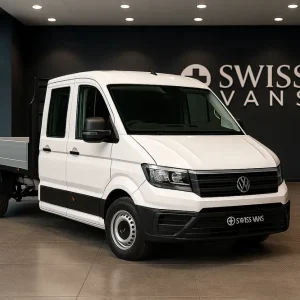
In stock now
Tipper Vans For Sale
New and used commercial vans, ready to drive away. Browse by make below, or talk to the team for a deal built around your business.
Sub Categories

Products



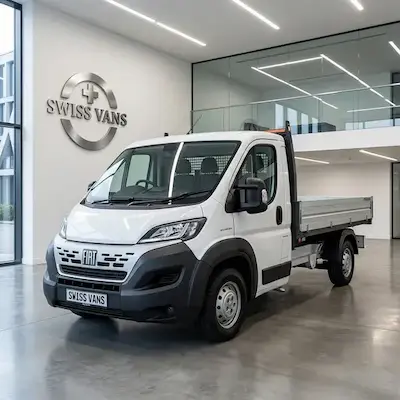

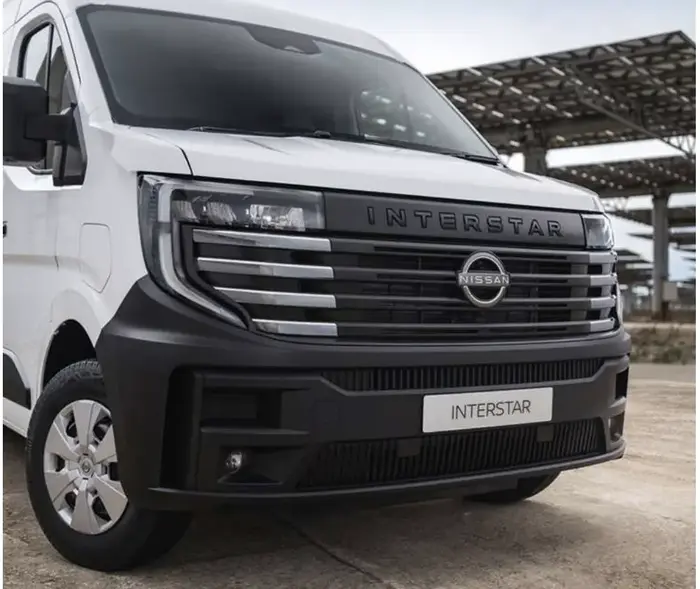

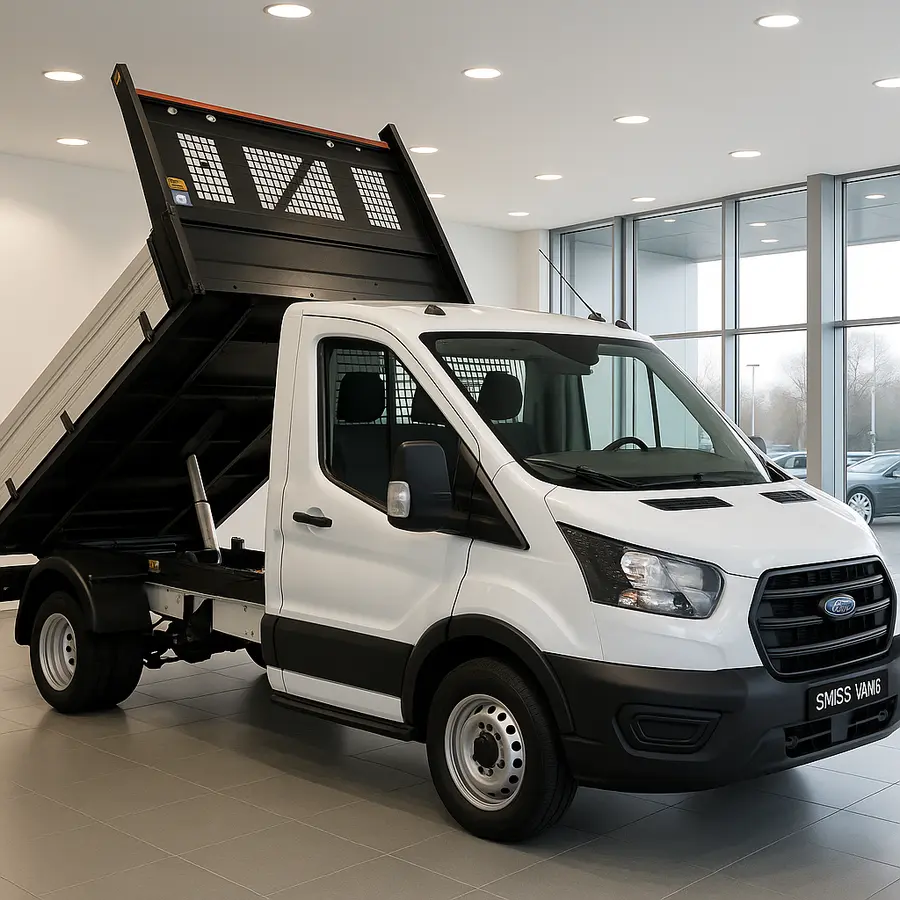

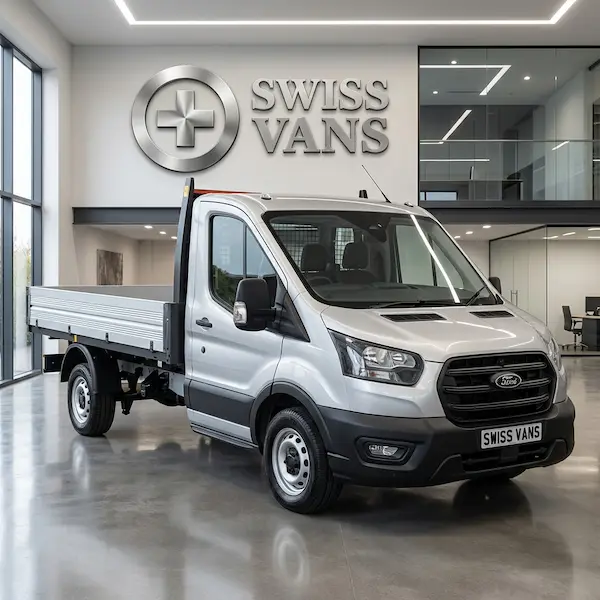
Tipper Vans for Sale
Tipper vans for sale are becoming increasingly popular among businesses and individuals looking for versatile commercial vehicles. These specialized vans, equipped with a hydraulic tipping mechanism, offer unparalleled convenience for transporting and unloading various materials. From construction sites to landscaping projects, tipper vans have an impact on efficiency and productivity across numerous industries.
This guide aims to provide a comprehensive overview of tipper vans, helping readers make informed decisions when purchasing. It covers key aspects such as understanding different types of tipper vans, exploring top brands and models, and examining factors to consider when buying. The guide also delves into the pros and cons of new versus used tipper vans, financing options, and insurance considerations, giving readers the knowledge they need to find their perfect work vehicle. Source
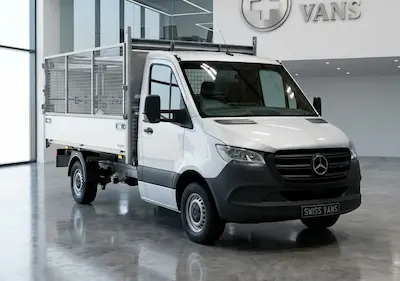
UnderstandingTipper Vans for Sale
What is a tipper van?
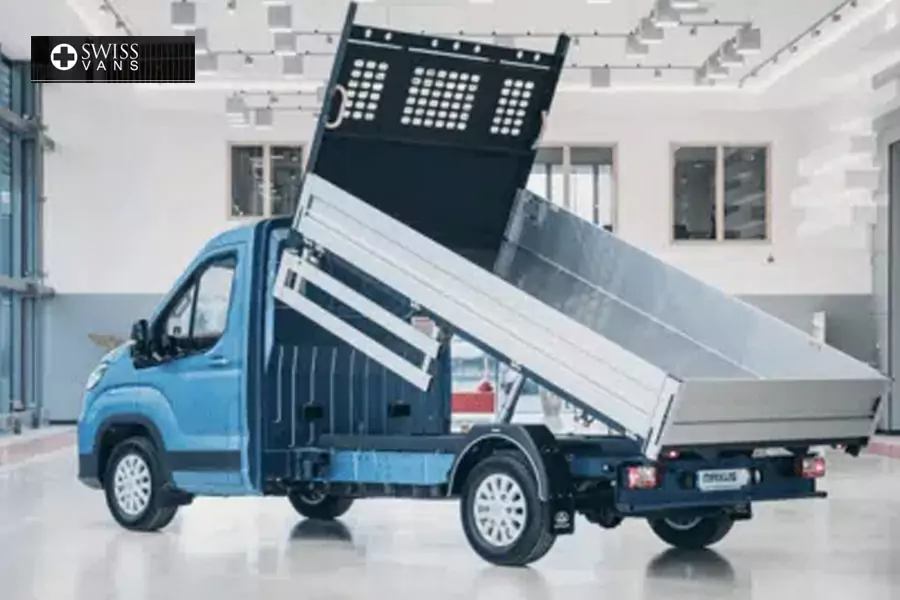
A tipper van is a specialized commercial vehicle designed for transporting and unloading heavy materials. It features a unique hydraulic tipping mechanism that allows the cargo bed to be raised and emptied, making it ideal for handling loose materials such as construction debris, soil, gravel, or waste. The tipping mechanism is controlled by a panel located in the cab, enabling the driver to operate it safely and easily. See Tipper Vans
Tipper vans are similar to pickup trucks but offer additional functionality. They typically have a flatbed with a hydraulic arm that lifts the front of the cargo area, allowing materials to slide off the back. This design combines the convenience of a pickup with the capacity of a van, making it suitable for carrying cargo that's too heavy or large for standard vans. See all Electric Vans For Sale
Types Of Tipper Vans for Sale
There are several types of tipper vans available in the market, each catering to specific needs: See Citroen Dispatch For Sale
Standard Tipper Vans: These are the most common type, featuring a single tipping mechanism at the rear.
Three-Way Tippers: These vans can tip to the rear and both sides, offering more flexibility in unloading.
Crew Cab Tippers: These models have an extended cab to accommodate additional passengers, making them ideal for team projects.
Dropside Tippers: These vans have hinged side panels that can be lowered for easier loading and unloading from the sides.
Popular examples of tipper vans include the Ford Transit Tipper, Citroën Relay Tipper, and Volkswagen Crafter Tipper.
Key features and benefits Tipper Vans For Sale
Tipper vans offer numerous advantages that make them a popular choice for various industries: See Mercedes Vans For Sale
Versatility: Tipper vans can handle a wide range of materials, from loose earth and brick rubble to scrap metal. They're suitable for construction, landscaping, waste removal, and agricultural applications.
Efficiency: The hydraulic tipping mechanism allows for quick and easy unloading, saving time and labor costs.
Payload Capacity: Tipper vans can carry substantial loads, with some models offering payloads of up to 1705kg.
Maneuverability: These vans offer precision in unloading, allowing users to place materials in specific areas with ease.
Safety: Modern tipper vans are equipped with safety features, including remote-controlled tipping mechanisms that can only be operated from within the cab.
Multi-purpose Use: Many tipper vans can transport both materials and personnel, with some models accommodating up to three people in the cab.
Fuel Efficiency: Despite their size and capacity, many tipper vans offer reasonable fuel consumption, typically ranging from 20 to 30 mpg. See pur Tipper Van Lease Deals
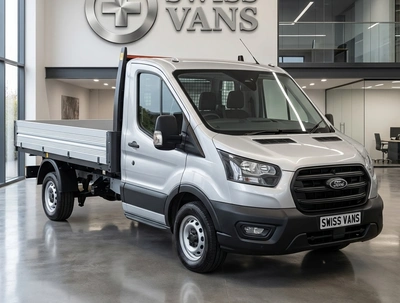
Tipper vans have an impact on various industries, including construction, landscaping, civil engineering, waste removal, and agriculture. They're particularly useful for projects that require frequent transportation of materials to and from job sites. Their ability to handle loose materials like sand, gravel, or turf makes them indispensable for many businesses. See Used Van Conversions For Sale
In conclusion, tipper vans represent a significant advancement in commercial vehicle technology, offering a blend of functionality, efficiency, and versatility. Their unique design and capabilities make them an essential tool for businesses that regularly handle heavy or loose materials, contributing to increased productivity and streamlined operations across multiple sectors. See Land Rover Defender Hardtop For Sale
Top Tipper Van Brands and Models
The tipper van market offers a variety of options to suit different needs and preferences. This section explores some of the top tipper van brands and models, highlighting their key features and benefits.
Ford Transit Tipper
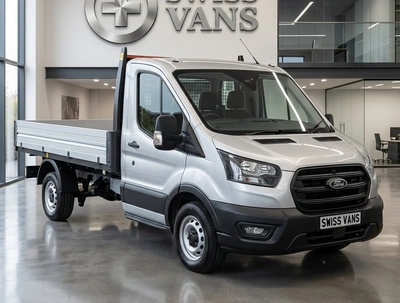
The Ford Transit Tipper has made a name for itself over the past four decades as one of the world's most celebrated van models. Known for its quality, durability, and versatility, the Transit Tipper is designed to make transporting and unloading heavy goods efficient and easy.
Key features of the Ford Transit Tipper include:
Underfloor tipping system for easy unloading
2.0-liter EcoBlue engine, offering 13% more efficiency than its predecessor
Power output of up to 185hp in top-end models
Generous payload rating of 1,023kg for single cab models
Unibody chassis for stronger and more secure load space
Sections to attach straps for added security when transporting fragile items
The Transit Tipper is available in various configurations, including the L2 single cab with a payload of up to 1,257kg and the L3 double cab with a payload of up to 1,084kg. The body is supplied by Scattolini, a well-respected European bodybuilder, and can be ordered in 1-way or 3-way configurations. See Minivans For Sale
Mercedes-Benz Sprinter Tipper
The Mercedes-Benz Sprinter Tipper is widely recognized as a market leader in the tipper truck segment. While it may sell fewer units than some competitors, the Sprinter Tipper offers exceptional quality and longevity. See Ford Transit Tipper For Sale
Notable features of the Mercedes-Benz Sprinter Tipper include:
Powerful 150PS engine with impressive towing capacity
Excellent traction, making it ideal for heavy-duty applications
Versatile tipper configuration for easy loading and unloading
Spacious cargo area
Robust build quality
The Sprinter Tipper is part of Mercedes-Benz's 'Ready to Work' range of factory conversions. It is built on the L2 single chassis cab with an internal length of 3,320mm and has a payload of 1,069kg. The side and tailboards are constructed from weight-saving aluminum, left unpainted but still looking stylish.
One of the Sprinter's standout features is its 3-year / 100,000-mile warranty and an impressive 30 years of roadside assistance cover, provided the vehicle is serviced annually by a main dealer.
Iveco Daily Tipper
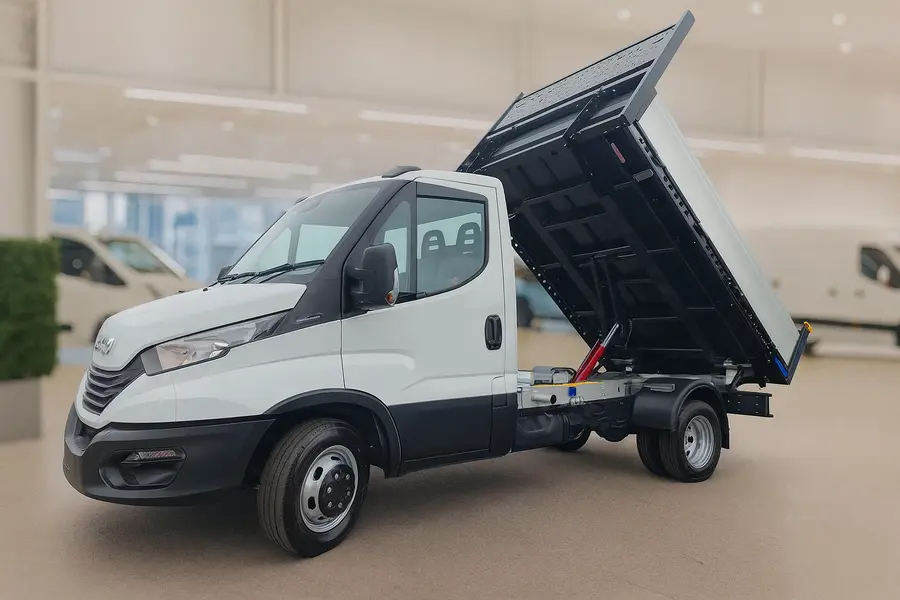
The Iveco Daily Tipper has an impact on the market with its robust design and versatile capabilities. It offers a range of options to suit various business needs.
Key aspects of the Iveco Daily Tipper include:
Available in various configurations, including crew cab and single cab options
Powerful engine options, with some models featuring a 3.0-liter engine
Payload capacities varying across different models
Some models offer features like toolboxes and tarmac shoots
Euro 6 compliant engines available, making them suitable for urban use
The Iveco Daily Tipper has an impact on industries such as construction, landscaping, and waste management. Its versatility and range of configurations make it a popular choice for businesses requiring a reliable and efficient tipper van. See Crew Vans For Sale
Other Popular Models Tipper Vans For Sale
While the Ford Transit, Mercedes-Benz Sprinter, and Iveco Daily are among the most well-known tipper vans, there are other notable models in the market:
Volkswagen Crafter Tipper: A close competitor to the Sprinter, offering similar features and build quality.
Nissan NT400 Cabstar: Known for its versatility and competitive payload capacity.
Fiat Ducato Tipper: Offers a good balance of performance and efficiency.
Citroen Relay Tipper: Known for its practicality and cost-effectiveness.
Peugeot Boxer Tipper: Shares many features with the Citroen Relay, offering another reliable option in the market.
When choosing a tipper van, factors such as payload capacity, engine performance, fuel efficiency, and after-sales support should be considered. Each of these models has its strengths, and the best choice will depend on specific business requirements and preferences. See Small Vans For Sale
Factors to Consider When Buying a Tipper Van
When purchasing a tipper van, several crucial factors should be taken into account to ensure the vehicle meets specific business requirements and operational needs. These considerations will help buyers make informed decisions and select the most suitable tipper van for their intended use.
Payload Capacity Tipper Vans For Sale
One of the most critical factors to consider when buying a tipper van is its payload capacity. This refers to the maximum weight the van can safely carry in its goods area, accounting for the vehicle's empty weight or curb weight. Understanding the Gross Vehicle Weight (GVW) is essential to prevent damage to the truck and ensure safe operation.
To calculate the payload capacity, one can use the following formula:
Gross Vehicle Weight – Unladen Weight = Payload
It's crucial to choose a tipper van with a payload capacity that aligns with the nature and weight of the loads intended for transport. Overloading a van can lead to serious consequences, including:
Increased fuel consumption and slower journeys
Excessive engine strain and pressure on the vehicle's structure
Compromised safety due to increased stopping distances
Potential legal penalties from regulatory bodies like the Driver and Vehicle Standards Agency (DVSA)
Tipping Mechanism Tipper Vans For Sale
The tipping mechanism is a defining feature of tipper vans, allowing for efficient unloading of materials. When evaluating this aspect, consider the following:
Hydraulic system efficiency
Tipping angle and stability
Safety features, such as remote-controlled operation
Ease of use and maintenance requirements
Some tipper vans offer additional features like three-way tipping, which provides greater flexibility in unloading materials. The choice of tipping mechanism should align with the specific needs of the intended applications.
Fuel Efficiency Tipper Vans For Sale
Fuel economy has a significant impact on operational costs and is an essential factor to consider when choosing a tipper van. Key points to consider include:
Miles per gallon (MPG) ratings
Engine type (diesel vans generally offer better fuel economy)
Worldwide Harmonized Light Vehicle Test Procedure (WLTP) figures for more accurate fuel consumption data
To maximize fuel efficiency, consider the following tips:
Regular maintenance of the engine, including air filters and fuel injectors
Smooth driving techniques, avoiding unnecessary acceleration or braking
Proper tire inflation
Minimizing vehicle weight by removing unnecessary cargo
Route planning to avoid traffic congestion
Implementing eco-driving techniques
Size and Maneuverability Tipper Vans For Sale
The size and maneuverability of a tipper van are crucial factors that affect its suitability for different job sites and applications. Consider the following aspects:
Wheelbase length: Long Wheel Base (LWB) vans offer more storage but require larger turning areas, while Short Wheel Base (SWB) vans are better suited for city traffic and narrow streets.
Overall dimensions: Ensure the van can access the intended work sites and storage areas.
Turning radius: A smaller turning radius improves maneuverability in tight spaces.
Cab configuration: Options like crew cabs can accommodate additional passengers but may impact payload capacity.
By carefully considering these factors, buyers can select a tipper van that best suits their specific needs, ensuring optimal performance, efficiency, and safety in their operations.
New vs Used Tipper Vans
When considering the purchase of a tipper van, buyers face the decision of opting for a new or used vehicle. Both options have their merits and drawbacks, and the choice ultimately depends on individual needs, budget constraints, and long-term goals.
Pros and Cons of New Tipper Vans
New tipper vans offer several advantages that make them an attractive option for businesses. They come equipped with the latest technology, safety features, and fuel-efficient engines. Buyers can customize new vans to their specific requirements, ensuring they get exactly what they need for their operations. Additionally, new vans typically come with comprehensive warranties, providing peace of mind and protection against unexpected repair costs.
However, the primary drawback of purchasing a new tipper van is the higher upfront cost. New vehicles depreciate quickly, losing a significant portion of their value within the first few years of ownership. This can be a considerable financial burden for small businesses or those with limited capital.
Benefits of Buying Used Tipper Vans For Sale
Purchasing a used tipper van has an impact on affordability and can be a convenient way to acquire a well-maintained vehicle at a discounted price. The lower initial investment allows businesses to allocate funds to other areas of their operations. Used vans have already undergone their steepest depreciation, meaning buyers can potentially resell the vehicle for a similar price to what they paid, provided they maintain it well.
Used tipper vans often come with a proven track record of reliability and performance. Buyers can research the model's history and common issues, making more informed decisions. Additionally, insurance costs for used vans are typically lower than for new models.
What to Look for in a Used Tipper Van
When considering a used tipper van, buyers should pay attention to several key factors to ensure they make a sound investment:
Mileage: Lower mileage generally indicates less wear and tear on the vehicle. However, extremely low mileage on an older van might suggest long periods of inactivity, which can lead to other issues.
Service History: A comprehensive service history provides insight into how well the van has been maintained. Regular servicing and timely repairs are indicators of a well-cared-for vehicle.
Number of Previous Owners: Fewer owners often suggest better care and maintenance of the vehicle.
Visual Inspection: Conduct a thorough visual inspection of both the exterior and interior. Look for signs of rust, especially under the wheel arches, and check for any cosmetic damage that might indicate underlying issues.
Tires: Ensure the tires have adequate tread depth (minimum 1.6mm) and are free from cuts or bulges. Research the brand of tires to confirm their quality and reliability.
Lights and Suspension: Check that all lights function properly and test the suspension by pushing down on one corner of the van to ensure it bounces back quickly.
Interior Condition: While some cosmetic wear is expected in used vans, ensure that safety features like seatbelts and headrests are in good working order.
Test Drive: Always take the van for a test drive to assess its mechanical condition. Pay attention to:
Brakes: They should feel firm and responsive, not spongy or loose.
Steering: The van should handle smoothly without pulling to one side.
Warning Lights: Query any illuminated warning lights on the dashboard.
Unusual Noises: Listen for any loud or unfamiliar sounds that could indicate mechanical issues.
Documentation: Ensure all necessary documents, including the V5C (logbook), are present and valid. Check that the VIN numbers match and that the logbook has the correct watermark and serial number.
Price Comparison: Research the average market price for the make and model you're interested in. Be cautious of vans priced significantly below market value, as this could indicate hidden problems.
By carefully considering these factors and conducting thorough research, buyers can make informed decisions when choosing between new and used tipper vans, ultimately selecting the option that best suits their business needs and financial situation.
Financing and Insurance Options
When considering the purchase of a tipper van, businesses have various financing options to explore. The two primary choices are buying and leasing, each with its own set of advantages and considerations.
Lease vs Buy Tipper Vans For Sale
Buying a tipper van involves paying the full price upfront or taking out a loan to pay in installments. This option offers several benefits:
Ownership: The buyer gains full ownership of the vehicle, allowing for customization and unrestricted use.
Equity building: As loan payments are made, equity in the van increases.
Cost-effectiveness: Over time, buying can be more economical than leasing.
No restrictions: There are no mileage limits or extra charges for vehicle damage.
Tax benefits: The full value of the van can be claimed as capital allowances, reducing corporation tax.
Leasing, on the other hand, provides flexibility and different advantages:
Fixed monthly costs: Consistent payments aid in budgeting and cash flow management.
Lower initial outlay: Leasing typically requires a smaller upfront payment.
Access to newer models: Businesses can drive the latest vans with up-to-date features.
Maintenance coverage: Many leasing agreements include maintenance and repair costs.
Flexibility: At the end of the lease term, businesses can choose a new van or walk away.
No depreciation worries: The monthly cost covers predicted depreciation.
Insurance Considerations
Insuring a tipper van requires careful consideration of various factors:
Commercial use: Tipper vans used for work purposes need specific commercial van insurance.
Coverage types:
Third-party only: Covers injury to others or damage to their property.
Third-party, fire, and theft: Adds protection against vehicle theft and fire damage.
Comprehensive: Includes coverage for damage to the tipper van itself.
Additional coverage:
Public liability insurance: Protects against damage to others' property during loading or unloading.
Employers' liability insurance: Required by law if employing drivers.
Specialized policies: Some insurers offer tailored policies for tipper vans, considering their unique use and risks.
Fleet insurance: For businesses with multiple tipper vans, fleet insurance can be a cost-effective option.
Government Incentives
The UK government offers various incentives to encourage the adoption of low-emission and electric vehicles:
Plug-In Van Grant (PIVG): Provides financial support for purchasing electric vans.
Small vans (less than 2500kg): Up to 35% of the purchase price, maximum £2,500.
Large vans (2500kg - 4250kg): Up to 35% of the purchase price, maximum £5,000.
Workplace Charging Scheme (WCS): Helps businesses with the costs of installing electric vehicle charging points.
Covers up to 75% of total costs, capped at £350 per socket.
Maximum of 40 sockets per applicant.
Road tax benefits: Electric vans may qualify for reduced or zero road tax.
Congestion charge exemptions: Electric vans may be exempt from congestion charges in certain areas.
These government incentives aim to make the transition to electric and low-emission vehicles more accessible and affordable for businesses. When considering financing options for a tipper van, it's essential to factor in these potential savings and benefits, especially as the UK moves towards phasing out new petrol and diesel vans by 2035.
Conclusion Tipper Vans for Sale
Tipper vans have a significant impact on various industries, offering a blend of versatility, efficiency, and practicality. From construction sites to landscaping projects, these specialized vehicles streamline operations and boost productivity. The market offers a range of options, from well-known brands like Ford and Mercedes-Benz to other reliable manufacturers, each with unique features to suit different business needs.
When choosing a tipper van, it's crucial to consider factors such as payload capacity, fuel efficiency, and the tipping mechanism. The decision between new and used vans depends on budget constraints and specific requirements. Financing options, including leasing and buying, along with insurance considerations and government incentives for low-emission vehicles, play a key role in making an informed purchase. By carefully weighing these factors, businesses can find the perfect tipper van to meet their operational demands and drive their success forward.
FAQs Tipper Vans For Sale
What is the most recommended tipper truck to purchase?
The Mercedes-Benz Sprinter Tipper is widely regarded as the leading choice in the market for tipper trucks.
What is the maximum load capacity of a tipper van?
Tipper vans can handle a maximum load of about 44 tons, although there are models designed for lighter tasks with a total vehicle weight limit of 7.5 tons.
What is the payload capacity of a 3.5 ton tipper van?
Vans such as dropsides, tippers, and flatbeds, which are often thought of as larger vehicles, can also come with a 3.5-ton limit. Their payload typically ranges between 1200 to 1400 kg (1.2 to 1.4 tons).
How much does a new Ford Transit tipper cost?
The price of a new Ford Transit tipper can vary depending on the specifications and features.