Van Conversions: Done Right By Swiss Vans

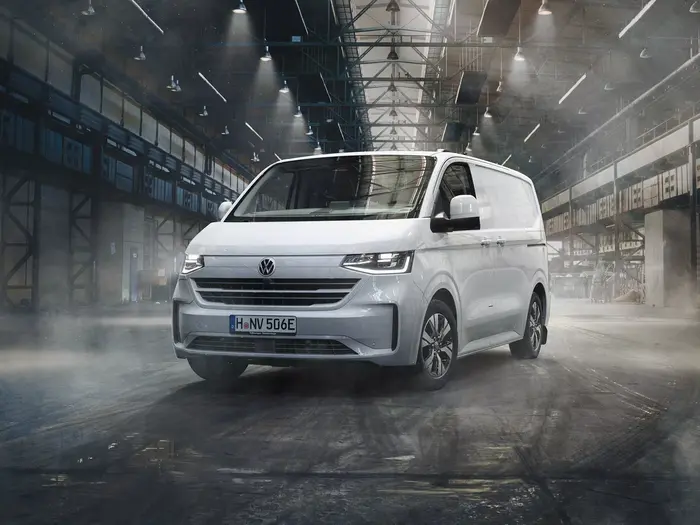
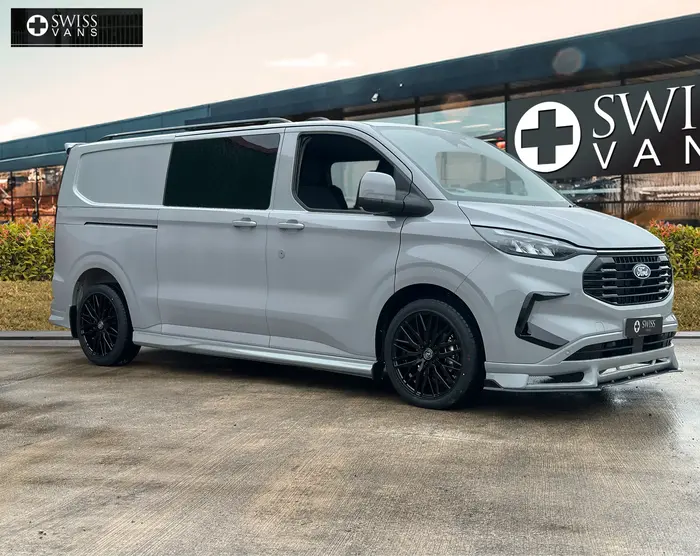
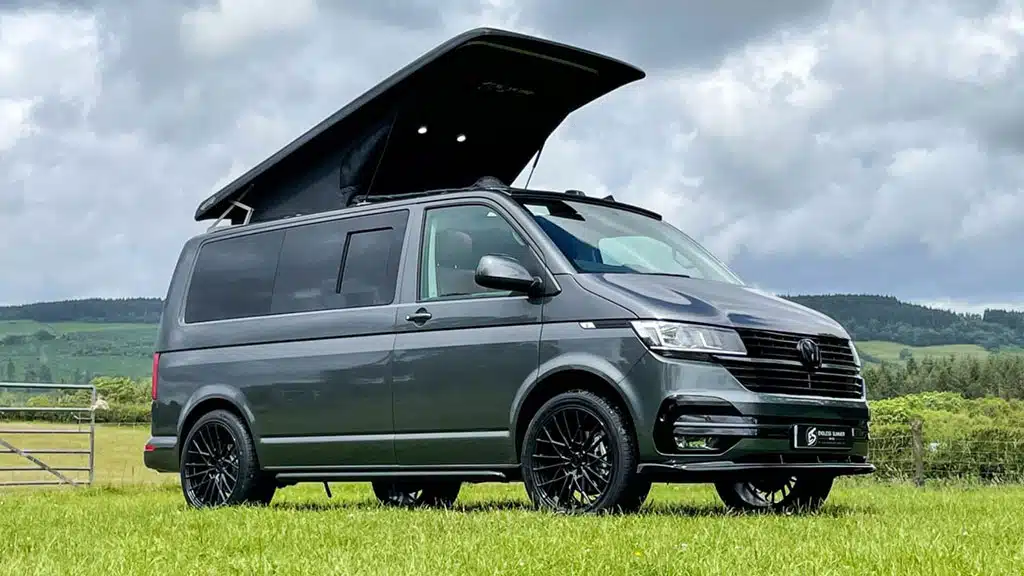
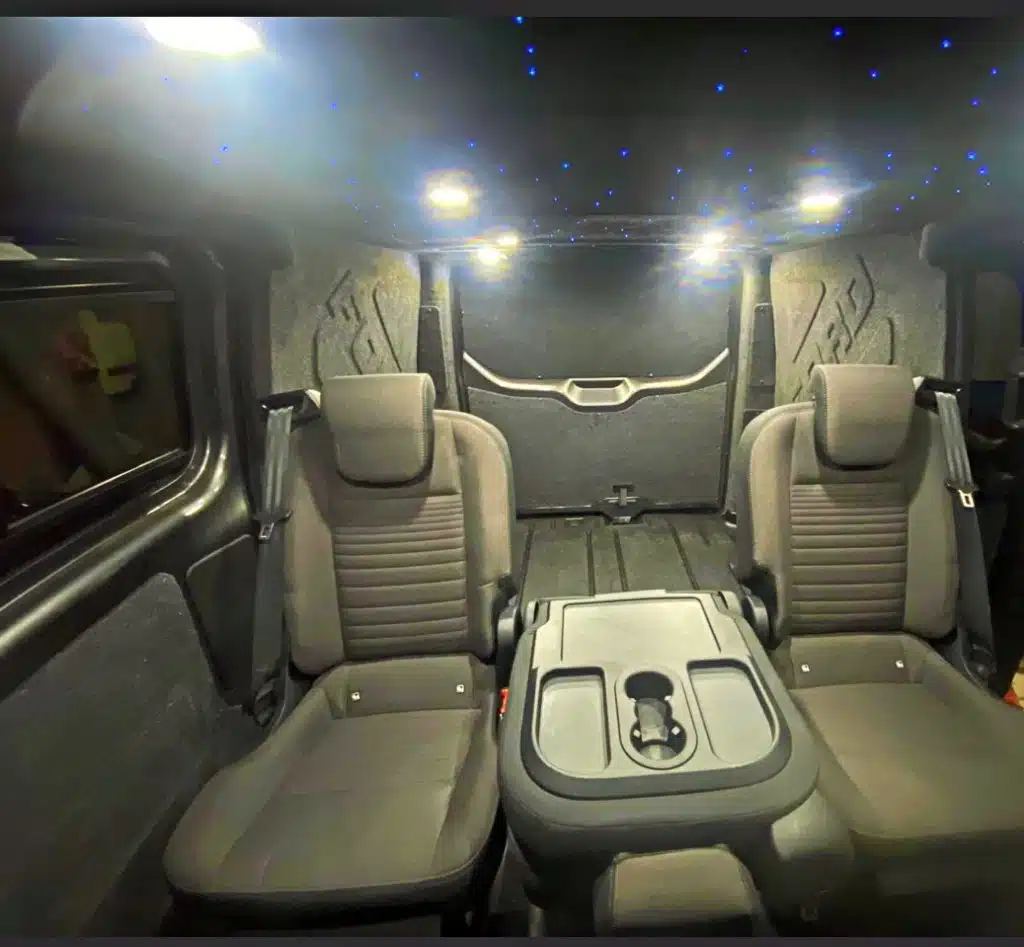
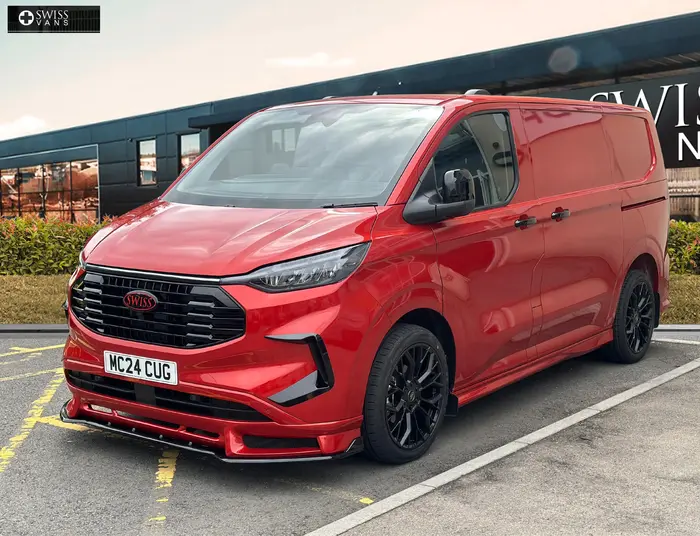
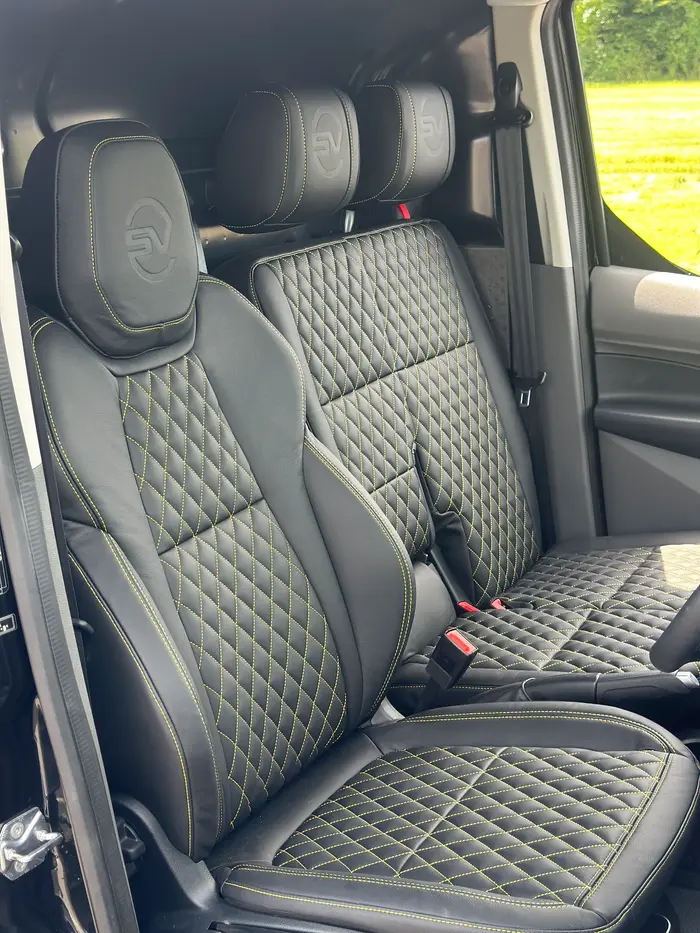

Van Conversions:
Van conversions. See also Van Hire have gained immense popularity in recent years, offering a unique blend of adventure and comfort for those seeking a nomadic lifestyle. This trend has an impact on how people view travel and living spaces, with many opting to transform their vehicles into cozy homes on wheels. From DIY enthusiasts to professional conversion companies, the possibilities to create custom living spaces within vans are endless. Source
This comprehensive guide will explore the various aspects of van conversions, covering everything from choosing the right vehicle to finalizing interior design. Readers will learn about essential tools and materials, planning efficient layouts, and installing insulation and electrical systems. Additionally, the guide will delve into the world of interior furnishing, helping aspiring van dwellers create their perfect mobile sanctuary. Whether someone is interested in small van conversions or fully equipped motorhome van conversions, this guide aims to provide valuable insights for their journey. See all our vans for sale
Choosing the Right Van for Conversion
Selecting the appropriate vehicle for a camper van conversion has a significant impact on the overall success of the project. This decision involves evaluating several factors, from cost and reliability to customization potential and personal preferences. By carefully considering these aspects, individuals can ensure they choose a van that aligns with their van life goals and budget.
Factors to Consider Van Conversions
When embarking on a van conversion journey, several key factors should guide the decision-making process:
- Size and Height: The dimensions of the van play a crucial role in determining comfort and practicality. Larger vans offer more space for amenities but may present challenges in parking and maneuverability. Consider factors such as the number of travelers, intended use, and desired features when deciding on size.
- Budget: Establishing a clear budget is essential. A helpful rule of thumb is to allocate approximately two-thirds of the total budget to the vehicle cost and one-third to the conversion expenses. This approach ensures a balance between vehicle quality and customization options.
- Mileage: While finding a van with low mileage can be challenging, it’s an important consideration, especially for those planning extensive travel. Ideally, aim for a van with less than 100,000 miles, but be prepared to compromise based on other factors.
- Maintenance: Consider the long-term maintenance requirements of the chosen van. Some older or niche models may require specialized parts or services, potentially increasing costs and downtime.
- Intended Use: Reflect on how the van will be used. Will it be for full-time living, weekend getaways, or something in between? This consideration will influence decisions on features like standing height, bed size, and kitchen facilities.
Popular Van Models Van Conversions
Several van models have gained popularity among conversion enthusiasts due to their versatility and reliability:
- Mercedes Sprinter: Known for its reliability and spacious interior, the Sprinter is a favorite among full-time van dwellers.
- Ford Transit: Offers a good balance of size, affordability, and customization options.
- Volkswagen Transporter: A classic choice, particularly popular for its compact size and iconic design.
- Citroen Berlingo: Ideal for those seeking a smaller, more fuel-efficient option.
- Renault Kangoo: Another compact choice, suitable for weekend warriors or those with minimal space requirements.
New vs. Used Vans Van Conversions
The decision between a new or used van involves weighing several factors:
- Cost: New vans come with a higher price tag but offer the latest technology and warranties. Used vans can significantly reduce upfront costs, allowing more budget for customization.
- Reliability: New vehicles typically provide better reliability and come with manufacturer warranties. However, a well-maintained used van can be equally dependable with proper inspection and care.
- Customization: New vans offer a blank canvas for customization, while used vans may have pre-existing layouts that could be either an advantage or a challenge.
- Depreciation: New vans depreciate rapidly initially but can be a sound long-term investment. Used vans have already undergone significant depreciation, potentially offering better value retention.
- Environmental Impact: Newer models often boast better fuel efficiency and lower emissions. However, some van lifers enhance the eco-friendliness of older models through modifications like solar panels and efficient insulation.
Ultimately, the choice between new and used depends on individual priorities, budget constraints, and long-term plans for van life. By carefully weighing these factors and considering personal needs, aspiring van dwellers can make an informed decision that best suits their unique journey into the world of van conversions.

Essential Tools and Materials Van Conversions
Must-Have Tools
When embarking on a van conversion project, having the right tools can make a significant difference in the efficiency and quality of the work. A power drill is an essential tool, primarily used for drilling holes and driving screws. It offers better control and is suitable for more delicate tasks. Complementing the drill, an impact driver is invaluable for high-torque applications, such as driving screws and tightening nuts quickly.
A jigsaw has a crucial role in van conversions, especially for detailed cuts in wood and metal. It’s particularly useful for installing roof fans and other non-straight cuts. For straight cuts, a track saw proves to be an excellent investment. It offers safety, precision, and portability, making long, accurate cuts faster and easier than traditional circular saws.
Other indispensable tools include:
- Tape measure: Essential for accurate measurements throughout the build.
- Utility knife: Handy for cutting various materials, including upholstery and foam board.
- Circular saw: Versatile for cutting sheets of wood and ACP panels.
- Level and square: To ensure straight edges and proper angles in construction.
- Brad nail gun: Ideal for installing walls, ceilings, and cabinets efficiently.
Recommended Materials Van Conversions
The choice of materials can greatly impact the functionality and esthetics of a van conversion. Insulation is a critical component, helping to regulate temperature and reduce condensation. High-quality insulation materials should be selected based on the specific needs of the van and intended use.
For interior construction, consider using:
- Plywood or MDF for cabinetry and furniture
- Lining carpet for a finished look and additional insulation
- Vinyl or laminate flooring for durability and easy cleaning
- Foam board for additional insulation and soundproofing
Electrical components are also essential, including:
- Deep-cycle batteries
- Solar panels for off-grid power
- Wiring kits and fuse boxes
For plumbing and water systems, key materials include:
- Water tanks (fresh and gray water)
- Pumps and filtration systems
- Flexible hoses and fittings
Where to Source Supplies Van Conversions
Sourcing the right supplies for a van conversion can be as important as the tools and materials themselves. Specialized retailers like Grasshopper Leisure offer a comprehensive range of products specifically designed for campervans, caravans, and motorhomes. These stores typically stock everything from fixings and fittings to furniture trims, handles, and catches.
For kitchen and bathroom components, look for retailers that offer:
- Compact fridges and cookers
- Combination units and grills
- Sinks and shower trays
- Portable toilets and cassettes
Many DIY enthusiasts find success in combining purchases from specialized campervan supply stores with general hardware stores. This approach often provides a good balance between specialized equipment and more common building materials.
Online marketplaces can also be valuable resources for finding both new and used components, often at competitive prices. However, when purchasing used items, it’s crucial to ensure they are in good condition and compatible with your specific van model. See all Vauxhall Vans for sale See Toyota Vans
Remember, while sourcing materials and tools, it’s essential to prioritize quality and compatibility with your van’s make and model. This attention to detail will contribute significantly to the success and longevity of your van conversion project.
Planning Your Layout Van Conversions
When embarking on a van conversion journey, planning the layout has a significant impact on the overall functionality and comfort of the living space. This crucial step requires careful consideration of various factors to ensure the final design meets the specific needs of the van dweller.
Assessing Your Needs
Before diving into the van conversion process, it’s essential to ask oneself several key questions. These inquiries help determine the necessary elements to include in the final van build. Some critical considerations include:
- Purpose of the van: Will it be used for full-time living, weekend trips, or remote work?
- Number of occupants: Is the van for solo travel, a couple, or a family?
- Travel destinations: Will the van be used in extreme weather conditions or for off-grid adventures?
- Budget constraints: How much can be allocated to the conversion process?
By addressing these questions, van enthusiasts can better visualize their ideal layout and prioritize features accordingly.
Popular Layout Options Van Conversions
Van conversion layouts can vary greatly depending on individual needs and preferences. Some common elements often included in campervan conversions are:
- Kitchen area
- Sleeping space
- Living room/workspace
- Bathroom facilities
- Storage solutions
The extent to which these elements are incorporated depends on factors such as available space, budget, and intended use. For instance, weekend travelers might opt for a minimal approach with just a bed and simple kitchen, while full-time van dwellers may require a more comprehensive layout with additional amenities.
Space-Saving Tips Van Conversions
Maximizing space in a van conversion is crucial to creating a functional and comfortable living environment. Here are some space-saving tips to consider:
- Multi-functional furniture: Implement dual-purpose items, such as a bed that converts into a seating area or a table that can be folded away when not in use.
- Vertical storage: Utilize overhead cabinets and wall-mounted organizers to make the most of vertical space.
- Slide-out features: Incorporate slide-out pantries or tables to maximize usable space when needed.
- Recessed shelving: Install recessed shelves to maintain an open feel while providing additional storage.
- Raised floor storage: Create a raised floor to add extra storage space underneath.
- Compact appliances: Choose space-efficient appliances, such as a butcher’s block sink that doubles as counter space.
- Garage area: Utilize the space under a platform bed for storing larger items like sporting equipment or water tanks.
By implementing these space-saving techniques, van dwellers can create a layout that feels spacious and accommodates all their essential needs within the limited confines of a vehicle.
In conclusion, planning a van layout requires careful consideration of personal needs, budget constraints, and space limitations. By assessing these factors and implementing creative storage solutions, individuals can design a van conversion that serves as a comfortable and functional home on wheels, tailored to their unique lifestyle and adventures.
Insulation and Electrical Systems
Insulation Types and Installation
Proper insulation has a significant impact on the comfort and energy efficiency of a van conversion. Understanding heat transfer mechanisms is crucial for effective insulation. There are three main types of heat transfer to consider: radiant, conduction, and convection.
Radiant heat transfer occurs when electromagnetic waves travel from warmer objects to cooler ones. In van conversions, this is particularly relevant for windows. To combat radiant heat transfer, quality window shades are essential.
Conduction heat transfer happens through direct contact between materials. The metal body of a van is highly efficient at conducting heat. To mitigate this, a thermal break in the insulation strategy is necessary. Options like Lizard Skin or closed cell foam can serve as effective thermal breaks.
Convection heat transfer involves the movement of heat through gas or liquid. In a van, this manifests as hot or cold air circulating within the interior. To combat convection, it’s crucial to minimize air gaps in mass insulation and insulate all beams and walls thoroughly.
When selecting insulation materials, consider both mass insulation and thermal break layers. Mass insulation, such as 3M Thinsulate or Havelock Wool, is used in cavities, walls, and ceilings to fight against convection and conduction heat transfer. Thermal break layers, like Lizard Skin Ceramic Insulation or closed cell foam, are applied to wall panels and anywhere the chassis touches an extruded aluminum module to combat conduction heat transfer.
The effectiveness of insulation is often measured by its R-value, with higher values indicating better insulation properties. However, it’s important to note that R-value primarily applies to mass insulation materials and their ability to slow convection heat loss or gain.
To create a stable interior environment, preventing thermal bridging is crucial. Many van building materials, including metal, wood, and vinyl, are good thermal conductors but poor insulators. Using thermal break materials can significantly improve overall insulation performance.
Solar Panel Setup Van Conversions
Solar panels are a crucial component of many van conversion electrical systems, providing a renewable energy source for off-grid living. A typical campervan solar setup consists of three main components: solar panels, a solar charge controller, and leisure batteries.
Photovoltaic (PV) panels convert sunlight into electricity. When sunlight hits the panel, it’s absorbed by PV cells, knocking electrons free from atoms and generating an electrical flow. The most common setups range from 300W to 400W, but the ideal size depends on individual energy needs and usage patterns.
Several factors affect solar panel performance, including geographical location, time of year, weather, and panel tilt angle. Shading can significantly impact performance, with even small amounts of shade from trees, buildings, or dirt potentially reducing energy production dramatically.
To install solar panels on a van roof, one can choose between flexible (thin film) panels or rigid mono/polycrystalline panels. Each type has its advantages and installation methods, which should be considered based on the specific van design and energy requirements.
Battery and Inverter Choices Van Conversions
The battery system is a critical component of a van’s electrical finance setup. When sizing batteries for use with an inverter, it’s important to consider factors such as inverter load, battery capacity, and depth of discharge (DoD). As a general rule, aim for at least 100Ah of battery capacity for every 1,000 watts of inverter capacity.
Inverters play a crucial role in converting the 12V DC electricity from leisure batteries into 110/120V (North America) or 230V (Europe) AC electricity for powering household appliances. When choosing an inverter, consider both continuous and surge power ratings to ensure it can handle the power requirements of all devices in the van.
Pure sine wave inverters are generally recommended for van conversions as they provide cleaner electricity, closely matching the sine wave of AC voltage. This is particularly important for sensitive devices like laptops or medical equipment. Modified sine wave inverters, while less expensive, may not be compatible with all devices and can cause issues with sensitive electronics.
Efficiency is another important factor to consider when selecting an inverter. High-quality sine wave inverters typically have efficiency ratings of 90-95%. It’s also worth noting that inverter efficiency can vary depending on the load, with most inverters operating most efficiently when running at 50-75% of their maximum capacity.
By carefully considering insulation strategies, solar panel setups, and battery and inverter choices, van conversion enthusiasts can create efficient and comfortable living spaces that meet their power needs while embracing the freedom of off-grid living.
Interior Design and Furnishing
Flooring and Wall Paneling
When it comes to flooring in a van conversion, durability and water resistance are key factors to consider. Many van enthusiasts opt for laminate flooring due to its durability, scratch resistance, and waterproof properties. It’s also relatively easy to install, making it a popular choice for DIY conversions. For those seeking a more budget-friendly option, vinyl flooring has a significant impact on esthetics while being affordable and easy to clean.
For the subfloor, plywood is commonly used. A 10mm thick plywood sheet can serve as a solid foundation for the flooring. It’s important to ensure that the plywood is cut to fit the van’s specific shape, which can be achieved by using the old floor as a template.
Wall paneling has a significant impact on the overall look and feel of the van interior. Two popular options are tongue and groove cladding and plywood lining. Tongue and groove cladding gives a more rustic, cabin-like appearance, while plywood lining creates a modern, sleek look. For those seeking a unique touch, some van converters use scrap wood or pallet wood, although this approach requires careful consideration due to potential moisture content and weight issues.
When installing wall panels, it’s crucial to use proper insulation beforehand. Typically, wooden furring strips are attached vertically to the van’s walls, providing a base for the paneling. For a polished look, installing campervan carpet (autocarpet) before the paneling can cover any exposed metal or unsightly surfaces.
Custom Furniture Ideas Van Conversions
Custom furniture has a significant impact on maximizing space and functionality in a van conversion. One popular feature is a convertible bed system that can transform into seating during the day. U-shaped bed systems are gaining popularity for their versatility and space-saving design.
For the kitchen area, custom cabinets built from laminated plywood offer durability and a clean esthetic. A pull-out kitchen design can be an excellent space-saving solution for smaller vans, utilizing heavy-duty drawer runners for smooth operation.
To create a cozy living space, consider installing a pedestal table that can be lowered to form part of the bed. Surrounding this with storage benches provides both seating and valuable storage space.
Storage Solutions Van Conversions
Effective storage solutions are crucial in van conversions, where space is at a premium. Overhead lockers are a popular choice, utilizing the often-awkward space near the ceiling for storing books, toiletries, and other small items. The bulkhead area above the driver’s seat can be transformed into a spacious storage compartment, ideal for food and kitchenware.
For clothing and gear storage, a custom-built wardrobe or cupboard can be invaluable. Under-bed storage boxes serve dual purposes as seating and storage, maximizing the use of available space.
Creative storage ideas include hanging macrame nets for fruits and vegetables, installing magnetic knife holders in the kitchen area, and using mason jars for dry food storage. A spice rack can keep cooking essentials organized and easily accessible.
For shoe storage, a purpose-built shoe hanger near the van’s entrance can keep footwear organized and out of the way. If roof space is available, a roof rack or large roof box can provide additional storage for bulky items, freeing up valuable interior space.
By carefully considering these interior design and furnishing elements, van conversion enthusiasts can create a comfortable, functional, and esthetically pleasing living space on wheels.
Conclusion Van Conversions
The world of van conversions offers a unique blend of adventure and comfort, allowing individuals to create their perfect home on wheels. From choosing the right vehicle to finalizing interior design, this guide has explored the essential aspects of transforming a van into a cozy living space. The process has a significant impact on how people view travel and living spaces, opening up new possibilities for those seeking a nomadic lifestyle.
To embark on a van conversion journey is to embrace creativity, problem-solving, and a desire for freedom. Whether opting for a DIY approach or working with professional conversion companies, the key is to tailor the space to personal needs and preferences. With careful planning, the right tools and materials, and a bit of imagination, anyone can turn their van into a comfortable, functional, and stylish mobile sanctuary, ready to hit the road and explore the world.
FAQs Van Conversions
- What type of wood is most commonly used for van conversions?
- For van conversions, 10mm plywood is widely used due to its durability and ease of handling.
- What should be the initial step in converting a van?
- The first step in converting a van typically involves cutting holes for windows in the van walls, based on your planned layout. It’s crucial to measure multiple times before cutting to avoid any costly errors.
- Which wood is the lightest yet strong enough for van conversions?
- Paulownia wood is recommended for van conversions due to its excellent strength-to-weight ratio, making it ideal for maintaining structural integrity while keeping the build lightweight.
- What are the key considerations when converting a van into a camper?
- When converting a van into a camper, consider setting a budget, determining your needs from the campervan, choosing the right size, ensuring adequate ventilation, managing power and gas requirements, not compromising on insulation, and planning for both fresh and waste water storage. Additionally, make sure that the furniture you plan to install fits properly.