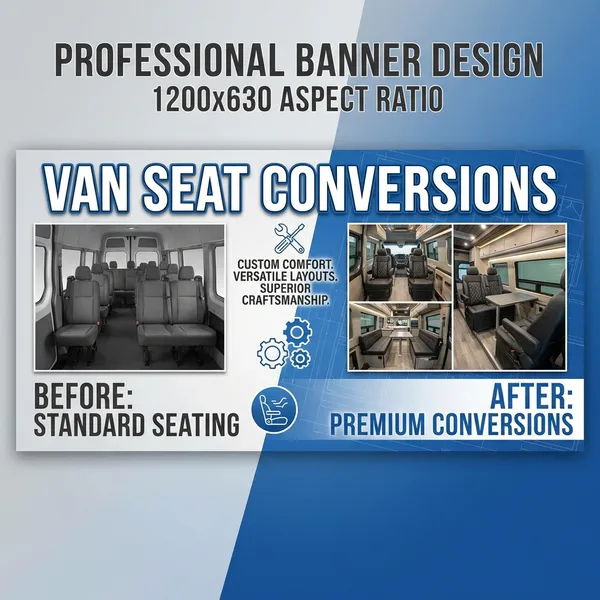
Van Seat Conversions
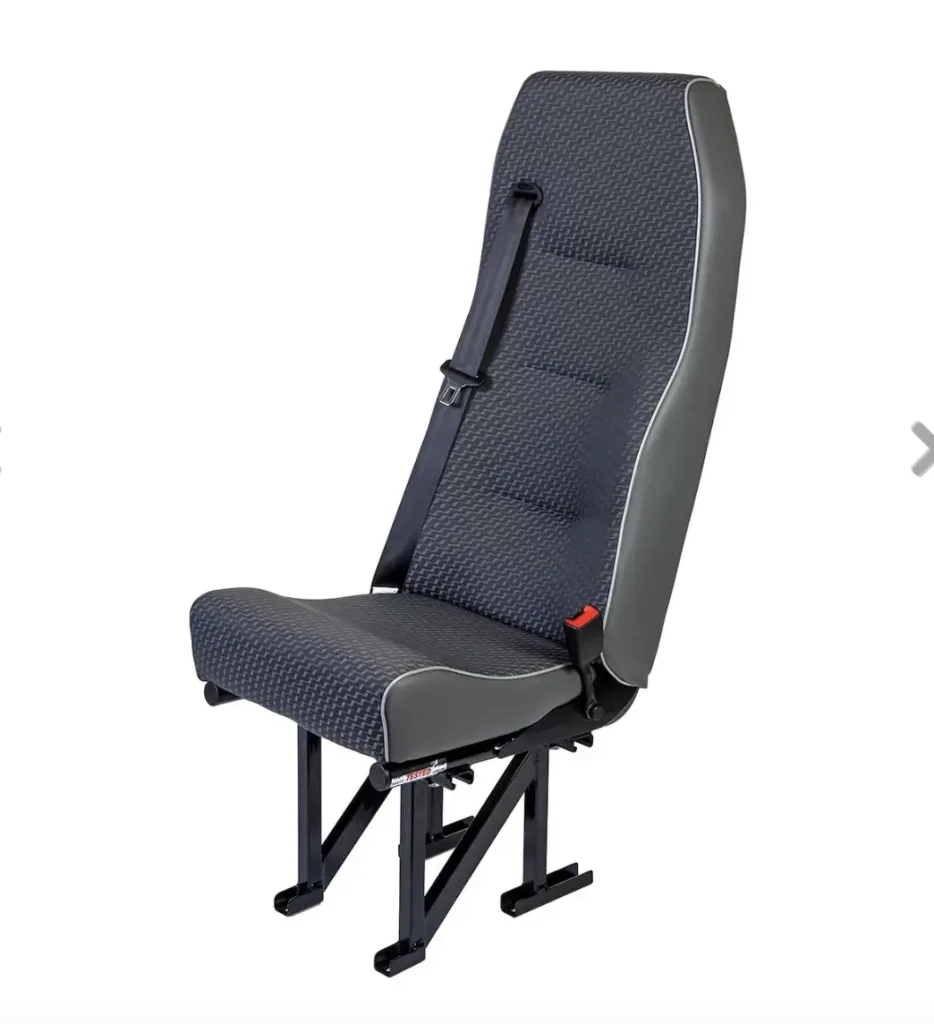
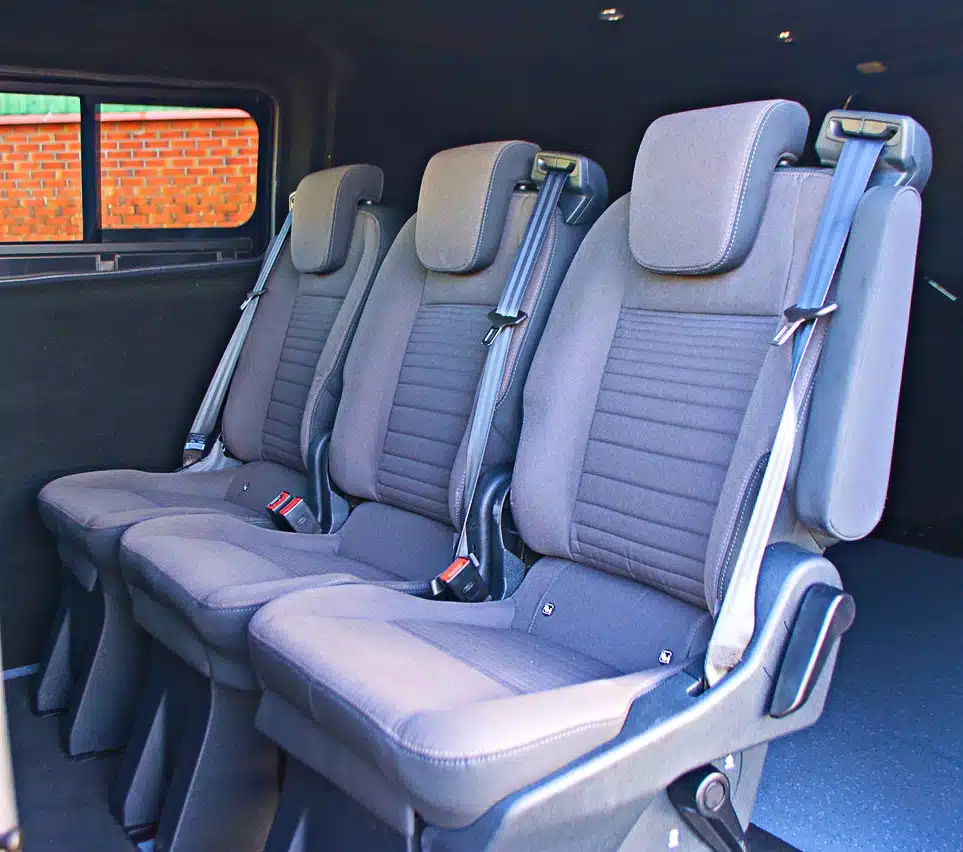
Genuine Seats
Genuine Ford, Land Rover, Volkswagen, Mercedes Seats Generally Used Seats Most Popular
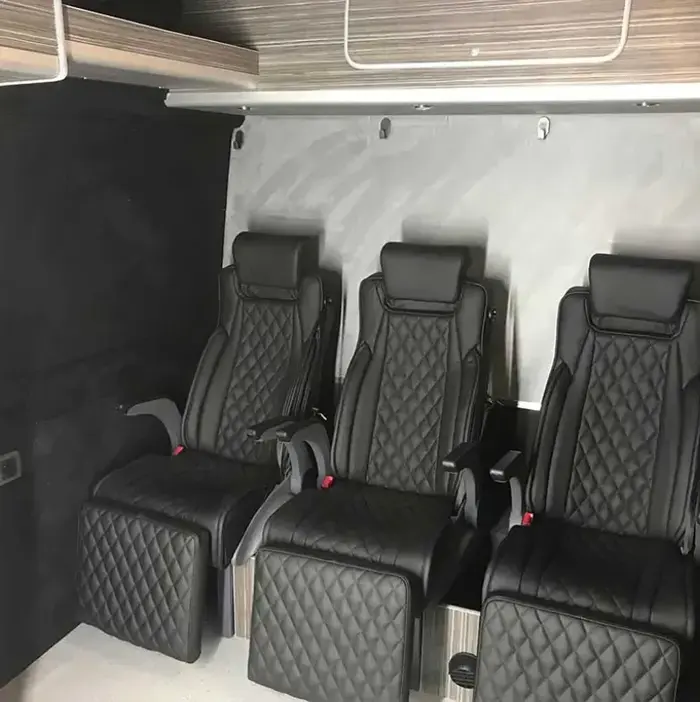
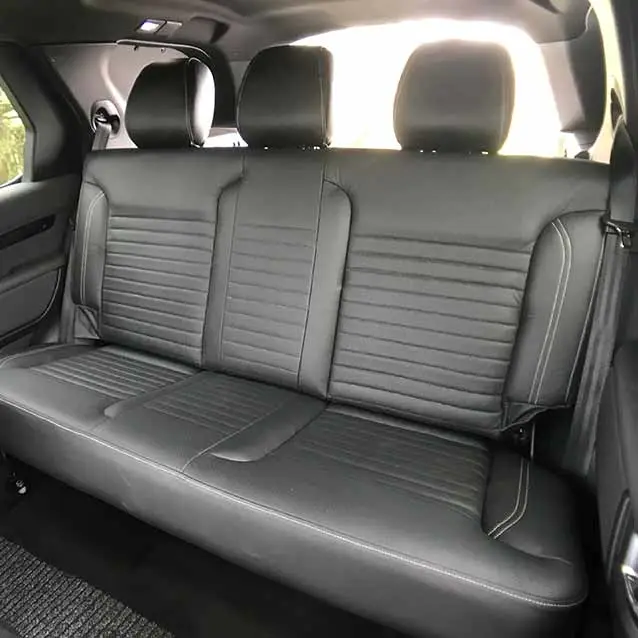

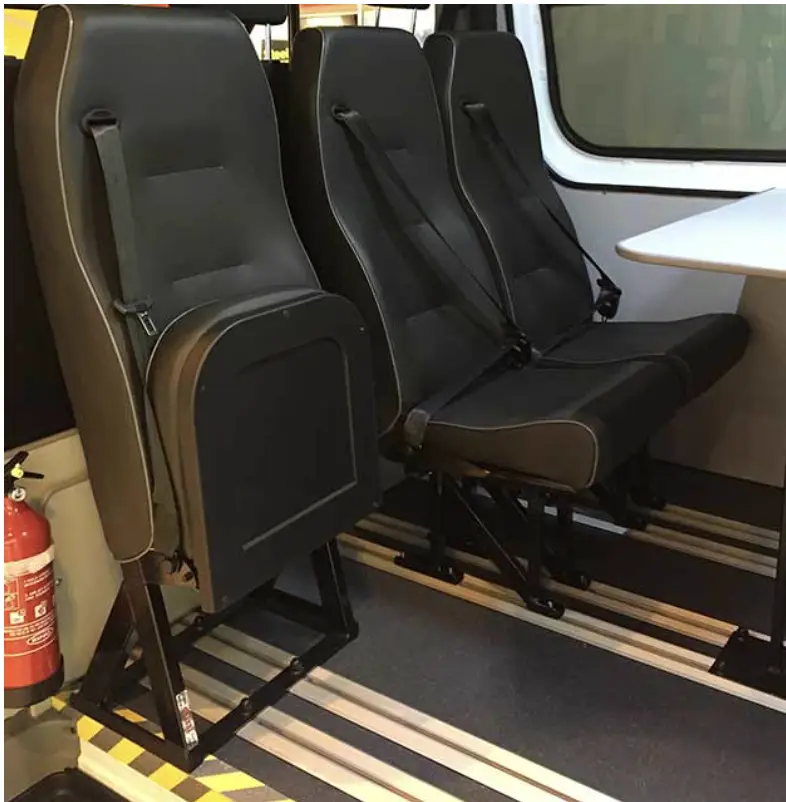
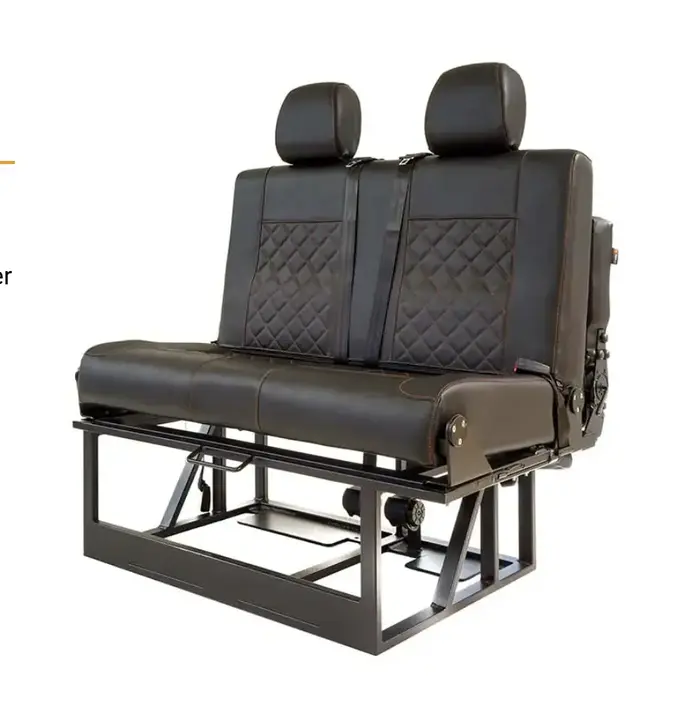
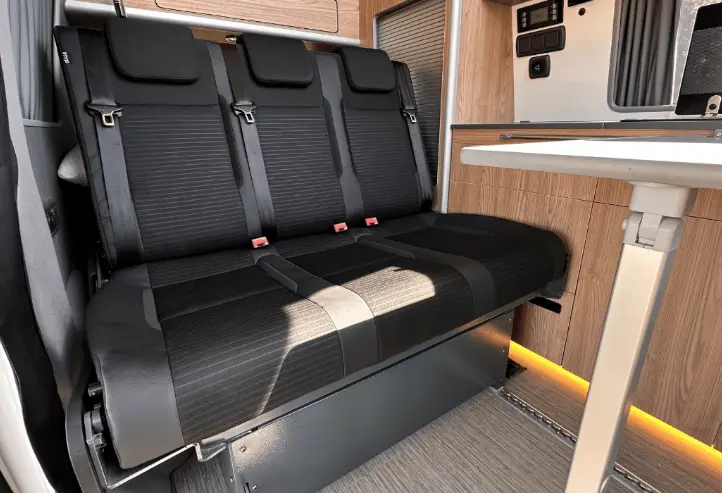

Guide to Van Seat Conversions: Transform Your Vehicle's Interior
Van seat conversions have become increasingly popular among vehicle owners looking to transform their vehicles’ interiors. This growing trend allows individuals to customize their vans, adapting them to suit various needs, from family travel to mobile workspaces. Van seat conversions offer a practical solution for those seeking to maximize space, improve comfort, and enhance the functionality of their vehicles.
This guide will explore the process of van seat conversions, covering essential aspects such as planning, selecting quality seats and materials, and the step-by-step installation process. Readers will gain insights into enhancing their converted interiors and learn about options available for different types of vans. Whether someone is considering a DIY project or looking to hire professionals, this comprehensive resource will provide valuable information to help them make informed decisions about transforming their van’s interior. Source
Understanding Van Seat Conversions
Van seat conversions offer vehicle owners the opportunity to customize their vans to suit their unique lifestyles and needs. These conversions involve modifying the interior layout of a van to create a more functional and personalized space. From comfortable seating areas for enjoying scenic views to storage solutions for outdoor activities, van seat conversions allow individuals to tailor their vehicles to their specific requirements.
Professional Seating Conversion Options
There are several types of van seat conversions available, each designed to meet different needs and preferences:
-
Traditional Layout: This classic design features a rear kitchenette with a sink, hob, and storage. The central area includes a fold-down table and seating that converts into a bed, providing both dining and sleeping accommodations.
-
Slimline Cabinet Layout: This efficient design maximizes functionality in a confined space. Tall, slender cabinets allow for a wider bed while still providing essential amenities like a sink and hob. This layout often includes integrated appliances and a concealed pull-up table.
-
U-Shape Lounge: This layout creates a communal and inviting space, encouraging social interaction. The U-shaped seating arrangement can often be transformed into an additional sleeping area, offering flexibility for accommodating extra passengers or guests.
-
Bed System on Rails: This innovative concept utilizes a rail-based bed system that allows for effortless adjustment and reconfiguration of the sleeping area. By sliding the bed along the rails, users can create a spacious seating or dining area during the day and convert it into a comfortable sleeping space at night.
-
Spacious, Simplistic Layout: Ideal for larger vans like Crafters or Sprinters, this layout emphasizes ample space and freedom of movement. The simplicity of the design reduces clutter and fosters a calming ambiance.
-
Fully-Equipped Layout: This comprehensive design includes a shower, toilet, full kitchen, double bed, and various other amenities. It’s perfect for those seeking a home-like experience on the road.
Benefits of Converting Your Van’s Interior
Van seat conversions offer numerous advantages for vehicle owners:
-
Personalization: Conversions allow individuals to create a layout tailored to their specific needs and reflect their personal style. Whether someone prefers a contemporary look or a nautical theme, they can work with a converter to achieve their desired esthetic.
-
Cost-Effective Living: Converting a van can be more economical than paying for a mortgage, electricity, gas, and other bills associated with traditional housing.
-
Mobility and Freedom: A converted van provides the freedom to change locations easily, making it an attractive option for remote workers who desire flexibility in their living arrangements.
-
Self-Sufficiency: Full conversions typically include all necessary amenities for comfortable living, such as a toilet, kitchen, and sleeping area. This reduces dependence on external facilities and allows for more secluded travel experiences.
-
Efficient Use of Space: Well-planned layouts make the most of the available space, ensuring comfortable living without feeling cramped.
-
Adaptability: Converted vans can serve multiple purposes, from daily routines to weekend getaways, adapting to various needs and weather conditions.
-
Enhanced Travel Experience: A thoughtfully designed van layout can significantly improve the quality of life on the road, making journeys more enjoyable and comfortable for individuals and families alike.
By understanding the various types of van seat conversions and their benefits, individuals can make informed decisions about transforming their vehicles to best suit their lifestyle and travel aspirations.
Planning Your Van Seat Conversion
Assessing Your Needs
When planning a van seat conversion, it’s crucial to assess one’s needs carefully. The first step is to calculate the maximum number of passengers the vehicle will carry. This consideration is particularly important for businesses involving teams or for those who plan to use the van for family activities during evenings and weekends.
One should also think about the van’s current use and how it might change in the next couple of years. This foresight is essential, as converting a van now might lead to regrets later if more cargo space becomes necessary. It’s important to ensure that the remaining storage area will still be sufficient after fitting extra seats.
For businesses, crew vans offer an extra row of seating behind the front seats, increasing passenger capacity. Also known as double cabs, these modified panel vans are ideal for businesses such as road gangs or scaffolders that need to transport additional crew members.
Driver comfort is another crucial factor to consider. While most modern vans are relatively comfortable, those who spend all day in the vehicle might want to invest in a higher trim level for added comfort.
Choosing the Right Seat Configuration
Selecting the appropriate seat configuration is a critical aspect of van seat conversion. Here are some key considerations:
-
Seat Type: Decide between individual seats or bench-type seats. Individual seats are often preferred for their flexibility and comfort.
-
Foldable vs. Static Seats: Consider foldable or tip seats if the van needs to accommodate varying amounts of cargo or supplies. This option provides flexibility in space utilization.
-
Seat Material and Trim: Think about the seat material and available trims. These factors affect both esthetics and durability.
-
Armrests: Determine if armrests are necessary for added comfort.
-
Seat Belts: Check if seat belts are fitted or if the seats have fixtures for fitting belts. While the law doesn’t always mandate seatbelts, they are highly recommended for safety.
-
Seat Dimensions: Ensure the seats will fit into the van. Accurate measurements are crucial to avoid installation issues.
-
Vehicle Compatibility: Make sure the seats are suitable for the specific class of vehicle. For instance, some seats are suitable for M1, M2, and M3 vehicles, while others may only fit one or two of these categories.
-
Seat Height: Consider the seat height, which is typically around 400mm for van seats.
-
Installation Method: Decide on the installation method. Options include permanent installation using floor strengthening kits, semi-permanent options like ‘sandwich plates’, or removable seats using track and bracket systems.
-
Seat Position: For rear van seats, consider where they will be placed. They can typically be bolted to the floor where required, with adjustable legs to avoid underside obstructions.
-
Front Seat Conversions: For front seat conversions, such as changing a double passenger seat to a single, consider the availability of appropriate seat boxes or bespoke single passenger seats.
By carefully considering these factors, one can ensure that the van seat conversion meets their specific needs, enhances the vehicle’s functionality, and provides comfort for all passengers. Remember, the goal is to create a versatile interior that balances passenger capacity with cargo space, tailored to the unique requirements of the user.
Selecting Quality Seats and Materials
When it comes to van seat conversions, selecting quality seats and materials is crucial for ensuring comfort, durability, and safety. The right choices can significantly enhance the overall experience of traveling in a converted van.
Comfort and Durability Factors
Comfort should be a top priority when selecting campervan bench seats. A comfortable seating area makes traveling more enjoyable, especially on long journeys. Look for seats with thick foam padding or those offering adjustable comfort settings. The comfort level achieved from camper van bench seats varies depending on factors such as materials used and individual preferences.
Durability is equally important. The materials used in the construction of bench seats play a significant role in their longevity. Leather or vinyl upholstery is often preferred as it’s easier to clean than fabric upholstery and stands up better against wear and tear over time. These materials are particularly suitable for vans that see frequent use or carry multiple passengers.
When considering seating options, versatility is key. Side basing and dinette benches are popular choices due to their multifunctionality. These can often be converted into beds and typically come with flat-only seat belts. This configuration allows for increased passenger capacity, making it an excellent choice for those who frequently travel with larger groups.
Another space-saving option is the Friedman fold-up seat. This permanently mounted bench seat folds up against the wall when not in use, providing additional floor space. Despite its compact design, it’s still FMVSS certified, ensuring passenger safety.
Safety Certifications to Look For
Safety should never be compromised when selecting seats for a van conversion. It’s crucial to ensure that all seats and their installation meet the necessary safety standards and regulations.
One important certification to look for is the FMVSS (Federal Motor Vehicle Safety Standards) certification. Seats with this certification have undergone rigorous testing to ensure they meet safety requirements. This is particularly important for seats that will be used for children or car seats.
When installing seats, it’s essential to have them professionally fitted and to double-check that all components, including seat belts, are in proper working condition. This is especially critical before embarking on long trips.
For vehicles requiring a seat belt installation check, several factors need to be considered:
- The number of passenger seats fitted (more than 8 requires a check)
- The legally required number of seat belts
- Proof of type-approved seat belt anchorage points
- Evidence of previous seat belt installation checks
It’s important to note that only original certificates are accepted as proof of compliance with safety standards. Photocopies are not considered valid documentation.
When examining seat belt installations, pay attention to the following:
- Bolt grade and size: High-tensile steel bolts (marked S, 8.8, or SAE equivalent) are preferred. The bolt size should match the anchorage hole diameter.
- Reinforcement: Seats with tubular frames or ‘H’ pattern legs should have appropriate reinforcements, such as welded metal buttresses or diagonal braces.
- Padding: Vehicles with lap belts should have adequate padding on hard surfaces to prevent head injuries in case of an accident.
By carefully considering these factors and prioritizing safety certifications, van owners can ensure that their seat conversions not only provide comfort and functionality but also meet the necessary safety standards for peace of mind during their travels.
Step-by-Step Installation Process
Preparing Your Van
Before beginning the van seat conversion process, it’s crucial to prepare the vehicle properly. The first step is to disconnect the battery. This precaution is necessary because some manufacturers, particularly Mercedes, have strict guidelines regarding customizations. Disconnecting the battery ensures safety during the installation process.
Next, remove the existing seats from the van. This step may involve cutting off two spikes from the seats, depending on the model. It’s essential to have a clear workspace to proceed with the installation.
For those planning to install seats in the rear of the van, careful consideration of the fuel tank location is necessary. In many cases, the fuel tank is positioned directly beneath the area where seats will be installed. This situation may require lowering the fuel tank to avoid accidentally puncturing it during the installation process.
Installing Seat Bases and Tracks
The installation of seat bases and tracks is a critical part of the process that ensures the safety and stability of the new seating arrangement. For optimal safety, it’s recommended to install seats directly onto the metal floor of the van, rather than on top of floor insulation or other materials.
One popular option for seat installation is the use of a bracket system. These brackets, such as those produced by Fenton Seats, are typically made of thick, half-inch sheet metal with pre-drilled holes. These brackets have undergone FMVSS (Federal Motor Vehicle Safety Standards) pull testing, ensuring they meet safety requirements.
To install the bracket:
- Position the bracket approximately 6.5 inches from any wall, not including additional wall coverings that may be added later.
- Mark the positions for the bolt holes using a tool such as a 3D-printed insert that fits into the bracket holes.
- Drill the marked holes carefully, being mindful of the fuel tank’s location.
- Paint the drilled holes to prevent rust.
- Install rivnuts into three of the holes using a rivnut tool.
- Secure the bracket using bolts, washers, and locktight, ensuring everything is torqued to the appropriate specifications.
For added stability, consider installing metal strapping or plating underneath the van. This helps distribute the load of the seats across the floor. Prepare these metal pieces by treating any rust and applying primer before installation.
Securing Seats and Seatbelts
When it comes to securing seats and seatbelts, safety should be the top priority. One popular option is to use Mark Eight Transit seats, which have integrated seatbelts. These seats simplify the installation process as they don’t require separate seatbelt mounts or restraints.
To install the seats:
- Attach the seat to the installed bracket or track system.
- Ensure all bolts are properly tightened and secured.
- Double-check that the seat is stable and doesn’t wobble.
For seatbelt installation, it’s crucial to follow safety regulations:
- Use high-tensile steel bolts (marked S, 8.8, or SAE equivalent) that match the anchorage hole diameter.
- Reinforce seats with tubular frames or ‘H’ pattern legs using welded metal buttresses or diagonal braces.
- Provide adequate padding on hard surfaces for vehicles with lap belts to prevent head injuries in case of an accident.
After installation, it’s highly recommended to have the setup professionally checked to ensure everything is correctly installed and meets safety standards. Remember, while DIY installation is possible, professional installation is always the safest option.
Enhancing Your Converted Interior
Once the basic structure of a van conversion is complete, the focus shifts to enhancing the interior to maximize functionality and create a comfortable living space. This process involves adding storage solutions and improving esthetics and comfort.
Adding Storage Solutions
Storage is a critical aspect of van life, especially for those who travel for extended periods. Efficient storage solutions allow travelers to keep their food, clothes, camping gear, and other essentials organized and easily accessible. There are numerous clever tricks to increase storage capacity in a converted van.
One popular option is utilizing the space above the cabin. This area, often an existing space in the van, can be insulated to prevent overheating and fitted with doors that open upwards. The left side can be used for bedding storage, while the right side provides ample space for clothes. This area also serves as a discreet hiding spot for valuables such as laptops and cameras, enhancing security during van life adventures.
Bench storage is another effective solution. The short bench can house electrical installations, toolboxes, and even drones, while the longer bench can accommodate sporting gear, food, and yoga mats. Side rails present in some van models, such as the Renault Trafic Campervan, can be repurposed to create shelves. By adding wood for esthetics and a simple bar system, these rails can be transformed into kitchen and book shelves.
For those with limited floor space, vertical storage options are invaluable. Floor-to-ceiling storage units can be installed above the wheel arch to store small to medium-sized items. These units can also serve as mounting points for dining tables. The space behind the driver’s seat can be utilized for a small campervan fridge, while the area between can store bedding, clothing, and larger items.
Innovative solutions like slide-out pantries can make use of narrow, awkward spaces in the kitchen area. These pantries provide ample food storage for dry goods and are easy to access. For those struggling with kitchen counter space, a butcher’s block sink cover can create a smooth, continuous surface for meal preparation when not using the sink.
Improving Esthetics and Comfort
The interior design of a campervan plays a crucial role in creating a welcoming atmosphere. While functionality is paramount, esthetics and comfort should not be overlooked.
One simple way to enhance the van’s interior is by adding curtains. For vans with cabins that open directly into the living area, kitchen rails from IKEA can be repurposed to hang white curtains, creating a cohesive look. Window curtains can be made from the same fabric as the cushions, providing both shade and privacy.
Color choices can significantly impact the perception of space in a small van. Keeping the majority of the interior white can create an illusion of more space. Adding a pop of color, such as blue wallpaper on the walls of the seating area, can bring life to the interior without overwhelming the space.
Throws, scatter cushions, and rugs can add warmth and personality to the van’s interior. These soft furnishings not only enhance comfort but also keep toes warm during cooler months. A welcome mat can be a practical addition, allowing travelers to wipe off dirty feet before entering the van.
For those looking to make a bold statement, consider using patterned wallpaper on the ceiling or lining cupboards with matching patterns. These unique touches can give the van a signature finish and reflect the owner’s personality.
Lastly, don’t shy away from adding personal touches through decorative items. Framed pictures, antiques, or handcrafted objects can inject life, color, and personality into the space. However, it’s crucial to secure these items properly to prevent movement while on the road.
Conclusion
Van seat conversions have a significant impact on transforming vehicles into personalized spaces that cater to diverse needs and lifestyles. From assessing requirements to selecting quality materials and carrying out the installation process, each step plays a crucial role in creating a functional and comfortable interior. The various configuration options and storage solutions offer flexibility, allowing individuals to tailor their vans to suit their specific preferences and travel aspirations.
To wrap up, the process of converting a van’s interior goes beyond mere functionality, encompassing esthetics and comfort to create a truly inviting space. By carefully considering factors such as safety certifications, storage solutions, and interior design elements, van owners can craft a mobile living environment that reflects their personality and meets their practical needs. This comprehensive approach to van seat conversions enables individuals to embark on their journeys with confidence, knowing they have a well-equipped and personalized space to call home on the road.
FAQs
What should I consider when converting a van into a camper?
When planning a van conversion into a camper, it’s essential to set a budget first. Consider your specific needs from a campervan, choose the appropriate size, and think about necessary features such as ventilation, power, and gas supply. It’s also crucial not to overlook insulation, as well as the storage for fresh and waste water. Finally, ensure that the furniture you plan to install fits properly.
Is it legal to add additional seats to my van?
While there are no specific laws that govern the addition of extra seats to vans, it’s important to ensure that any modifications meet general vehicle safety standards and are properly installed.
How many people can a conversion van typically seat?
A standard conversion van, often used as a travel or family van, can typically accommodate seven passengers. This configuration usually includes one rear bench and four captain’s chairs. The rear bench can often be electronically converted into a bed.
Is it permissible to sit in the back of a converted van?
Yes, you can sit in the back of a converted van, but caution is advised when carrying both heavy goods and passengers. Ensure that any load is securely fastened to the van’s bodywork to prevent movement during transit, which could pose a safety risk.