
Van Security Solutions UK
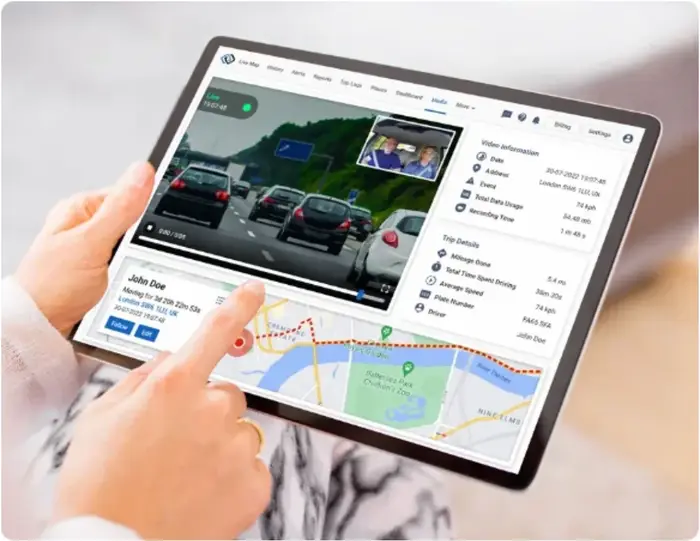
Van CCTV
Stream pictures outside and inside van to your phone

Lock Upgrades
Protect your van with high security deadlocks
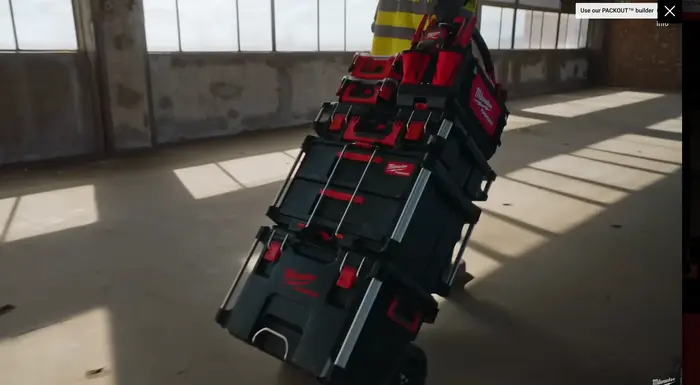
Bring Inside Tools
See our racking solutions that make your power tools secure

Vehicle Tracking
Such a cheap option DIY fit or let us

Ghost
One word one immobilizer that prevents theft

Specialists
Find a local company. Get it fitted after delivery. Add to your finance if quote in advance
Van Security
As van owners, we know the importance of protecting our vehicles and the valuable contents inside. Van security is a critical concern for many of us, whether we use our vans for work, travel, or daily transportation. With the rising rates of vehicle theft and break-ins, it’s essential to take proactive steps to safeguard our investments and peace of mind. Source
In this comprehensive guide, we’ll explore the world of van security, covering everything from basic locks to advanced security systems. We’ll discuss the best van security ideas, including cameras, alarms, and security cages. We’ll also look into specific solutions for different van models, such as transit van security and sprinter van security. By the end, you’ll have a clear understanding of how to upgrade your van’s security and keep your vehicle and valuables safe.
Understanding Van Security Risks
We need to be aware of the vulnerabilities that make our vans attractive targets for thieves. By understanding these risks, we can take steps to protect our vehicles and valuables more effectively.
Protect Your Vehicle & Tools
Vans are often targeted due to their potential for containing valuable tools and equipment. Many of us unknowingly leave our vans at risk by not taking basic security precautions. For instance, nearly half of van drivers don’t even lock their vehicles when they’re not in use. This complacency extends to other aspects of van security as well.
Two-thirds of us admit to leaving tools and other valuables in our vans when they’re not being driven. This practice makes our vehicles prime targets for thieves looking for a quick score. Additionally, over three-quarters of van owners don’t have an alarm or immobilizer installed, leaving their vehicles vulnerable to break-ins and theft.
Another common vulnerability is the catalytic converter. Despite a significant rise in catalytic converter thefts, a shocking 95% of van owners haven’t taken steps to secure this valuable component. Parking habits also play a role in van security, with eight in ten drivers not considering how to park in a way that makes it difficult for thieves to gain access.
Statistics on Van Break-ins
The numbers paint a concerning picture of van security in the UK. On average, a van is broken into every 23 minutes. This translates to about 62 thefts per day, with around 47,000 commercial vehicles falling victim to theft each year.
Recent studies have shown a worrying trend. Between 2017 and 2018, there was an 8.21% increase in van theft, with the trend continuing into 2019. Since 2016, over 43,000 vans have been stolen, averaging 30 vans per day. Additionally, 117,000 vans were broken into during the same period.
Certain regions in the UK are more prone to van theft than others. South Yorkshire tops the list as the number one hotspot for van thefts, with 14.07 stolen vans for every 1,000 registered. Northumbria follows closely behind with 12.69 per 1,000, while London Metropolitan takes third place with 10.37 thefts for every 1,000 vans.
Financial Impact of Theft
The financial consequences of van theft are substantial and far-reaching. Since 2016, businesses have lost over £61.9 million due to stolen tools and other items from vans. For individual tradespeople, the average claim for tool theft is around £2,685. However, the true cost often exceeds this figure.
When a van is broken into, the impact goes beyond the immediate loss of tools and equipment. Many tradespeople find themselves unable to work the next day, with some forced to take up to two weeks off. This loss of work can cost at least £500 for half of the affected tradespeople.
The financial burden doesn’t stop at replacing stolen items. Van owners often face increased insurance premiums following a theft. There’s also the potential for lost contracts and damaged customer relationships if work has to be canceled or delayed due to theft. For small businesses and sole traders, these setbacks can have long-lasting effects on their financial stability and growth prospects.
Essential Van Security Measures
We know that protecting our vans is crucial, so let’s explore some essential van security measures that can help safeguard our vehicles and valuables.
High-Quality Locks
One of the most important aspects of van security is having reliable locks. And we ask what are the best van security locks?We shouldn’t settle for the standard locks that come with our vans. Instead, we should look for ways to enhance them. If we own our vans, it’s highly recommended to upgrade the locking system to a more secure one. Even if we lease our vans, we can ask the leasing company if they have any alternative locks available for an upgrade.
There are several types of high-quality locks we can consider:
Deadlocks: These locks require us to double lock our van, bolting the doors shut with no spring mechanism. This makes it much harder for thieves to force the doors open. Deadlocks are ideal for drivers who can be relied upon to lock the doors, as they won’t lock automatically when closed.
Slamlocks: These are great for vans that make multiple stops or carry high-value loads. Slamlocks lock the door automatically when we slam it shut, eliminating the need for a key to lock it. This is particularly useful for tradespeople who frequently go back and forth between their vans.
Hooklocks: These are popular aftermarket van security locks that work independently from the manufacturer’s locking mechanism. Hooklocks provide a higher level of security once the hook bolt engages.
Alarm Systems
Installing a van alarm system can provide an essential layer of security, acting as a deterrent against thieves. The best van alarm system can alert us in case of a break-in attempt, enabling prompt action.
There are different types of van alarm systems available:
Basic Audible Alarms: These systems trigger a loud alarm or siren when the vehicle is tampered with. They typically use door sensors to detect unauthorized entry.
Immobilizer Systems: These add an extra layer of security by preventing the van from being started without the correct key. Immobilizers are often integrated with basic alarm systems for enhanced security.
Two-way Paging Systems: These provide real-time updates on our vehicle’s status directly to a remote or a smartphone. This allows us to be immediately alerted of any potential security breaches, regardless of our proximity to the vehicle.
GPS Tracking Devices
Adding a GPS tracker to our van can be a game-changer in terms of security. With a tracker installed, we can know where our van is at all times and if it moves unexpectedly. This can be particularly useful if we’re in charge of a large fleet of vans, as trackers allow us to know where our employees are at all times.
GPS tracking devices offer several benefits:
Real-time Location Monitoring: We can track the van’s location in real-time, which is crucial if the vehicle is stolen.
Geofencing Capabilities: Some systems allow us to set boundaries for our vehicle and receive alerts if it leaves the designated area.
Anti-theft Functionalities: Features such as tamper alerts add an extra layer of security to our vans.
Quick Recovery: In case of theft, GPS trackers can significantly increase the chances of recovering our van quickly and easily.
By implementing these essential van security measures, we can greatly enhance the protection of our vehicles and the valuable contents inside. Remember, the key to effective van security is using a combination of these measures to create a comprehensive security system.
Advanced Security Solutions
We’re always looking for new ways to protect our vans, and advanced security solutions offer cutting-edge protection against increasingly sophisticated thieves. Let’s explore some innovative options that can give us an extra layer of security.
Anti-Peel Plates
One of the most effective advanced security measures we can implement is the installation of anti-peel plates. These robust brackets, made from high-strength stainless steel, are designed to strengthen door edges and distribute force more evenly when attacked. The L4V Anti-Peel Kit, for example, can make a side load door up to 3,000% stronger.
These kits are vehicle-specific, ensuring maximum security for the most popular vans on the road. They automatically engage when the door is shut, providing constant protection against the ‘peel and steal’ attack method. This technique involves thieves leveraging weight and applying pressure to weak points on van doors, prising them open in seconds.
To get the most out of anti-peel plates, we recommend using them in conjunction with a hook lock in the high position of the rear end of the same side load door. This combination significantly reduces the chances of thieves successfully gaining entry.
Catalytic Converter Protection
With catalytic converter theft on the rise, protecting this valuable component has become crucial. The CatStrap UK offers a universal fit solution that has proven 99.75% successful in preventing converter theft across 100,000+ vehicles over 10 years.
This system features three levels of protection:
- The CatStrap: A patented shield that acts as a physical barrier against cutting and theft.
- CatEye Alarm Add-On: A sonic deterrent that emits a painful sound to drive thieves away.
- DyeDefender Add-On: Its intimidating appearance deters thieves, and if cut, it sprays a mist of blue staining dye to help identify culprits.
The CatStrap’s ultra-hardened steel is five times harder than stainless steel, destroying saw blades and turning a 60-second job into an exhausting struggle. Its bright orange strip serves as a visible warning to potential thieves.
OBD Port Protection
As thieves become more tech-savvy, protecting our van’s OBD (On-Board Diagnostics) port has become essential. Criminals can use this port to bypass the manufacturer’s immobilization system and program a new key into the ECU.
To combat this, we can use a Universal OBD Port Protector. This device fits all OBD ports universally and uses a special security screw similar to a locking wheel nut. It can only be removed with a provided key, making unauthorized access extremely difficult.
Installation is quick and easy, taking just five minutes without any special tools. Once in place, it immediately shields our van’s electronic systems from potential attacks, providing an instant defense against OBD port hacking attempts.
By implementing these advanced security solutions, we can significantly enhance our van’s protection against theft and tampering. Remember, a comprehensive approach combining multiple security measures often provides the best defense against determined thieves.
Best Practices for Van Owners
We know that protecting our vans is crucial, so let’s explore some best practices that can help us safeguard our vehicles and valuables.
Parking Strategies
When it comes to van security, where we park plays a significant role. We should always aim to park in well-lit areas, preferably with CCTV cameras nearby. This visibility can deter potential thieves from attempting a break-in. If possible, we should back our van against a wall to make it harder for thieves to access the rear doors.
At night, if we’re parking on a driveway, we should position our van as close to a wall as possible. This makes it nearly impossible for thieves to get behind and into the back of the vehicle. When parking in public spaces, we should look for car parks that meet the Park Mark safe parking criteria. About a quarter of the UK’s car parks have achieved this standard, offering enhanced security features.
Inventory Management
Keeping track of our tools and equipment is essential for both security and insurance purposes. We should maintain a detailed inventory of all items stored in our van, including make, model, and serial numbers. This information can be invaluable if we need to make an insurance claim or report stolen items to the police.
It’s a good practice to mark our tools with a unique identifier, such as our postcode or a special code, using an invisible UV marker. This can help the police identify our property if it’s recovered after a theft. We should also consider using lockable tool boxes that can be fixed to the floor of our van, making it much harder for opportunistic thieves to quickly grab and run with our valuable equipment.
Insurance Considerations
Having the right insurance coverage is crucial for protecting our van and its contents. We need to ensure that our policy covers not just the vehicle itself, but also the tools and equipment we carry. It’s important to note that standard van insurance policies often don’t cover the contents, so we may need to add specific tool coverage.
When choosing an insurance policy, we should look for key elements such as coverage for the contents of our van, the full value of the vehicle, and any modifications we’ve made for security purposes. If we’ve installed approved security systems, such as alarms or immobilizers, we should inform our insurance provider as this might lead to lower premiums.
By implementing these best practices, we can significantly enhance the security of our van and its contents, giving us peace of mind as we go about our daily work or travels.
Conclusion
Van security is a crucial aspect of vehicle ownership that has a significant impact on protecting our investments and peace of mind. Throughout this guide, we’ve explored various strategies to enhance van security, from basic locks to advanced solutions like anti-peel plates and GPS tracking devices. By implementing these measures and following best practices for parking and inventory management, we can greatly reduce the risk of theft and break-ins.
To wrap up, the key to effective van security lies in adopting a comprehensive approach that combines multiple layers of protection. This means using high-quality locks, alarm systems, and GPS trackers, while also being mindful of parking strategies and insurance considerations. By taking these steps to secure our vans, we not only protect our vehicles and valuables but also ensure the smooth running of our businesses or daily activities.
FAQs
Q: How can I enhance the security of my van?
A: To boost your van’s security, consider the following strategies:
- Remove tools and store them in a secure location overnight.
- Clearly mark your property for easy identification.
- Opt for van signage to deter thieves.
- Choose secure parking locations, preferably backing up against a wall to limit access.
- Install a GPS tracking system to monitor your van’s location.
- Stay vigilant during high-risk times and employ traditional security tactics.
van security
Q: What are the best methods to theft-proof my van?
A: To make your van theft-proof, implement these measures:
- Install grills or use medium-thickness plywood or MDF to secure the van windows.
- Fit a full bulkhead to separate the cab from the cargo area.
- Use anti-theft devices such as OBD port protectors, immobilizers, or trackers.
- Install a tool safe to securely store valuable equipment.
- Always ensure nothing valuable is visible inside the van.
Q: How can I securely transport goods in my van?
A: Secure your goods effectively by using various lashing methods such as over-the-top lashings, kites, sails, and direct lashings to anchor points. Utilize lashing straps, webbing straps, and chains to keep items firmly in place and minimize movement during transit.
Q: What steps can I take to prevent theft of tools from my van?
A: Protect your tools from theft with these precautions:
- Always remove tools from the van when not in use.
van security
- Install a tool safe for added security.
- Keep your van locked and ensure valuables are not visible.
- Be mindful of parking locations, especially in less secure areas.
- Request additional security measures when staying at hotels.
- Equip your van with an alarm system and upgrade locks as needed.
- Mark your tools and other items to deter theft and facilitate recovery if stolen.