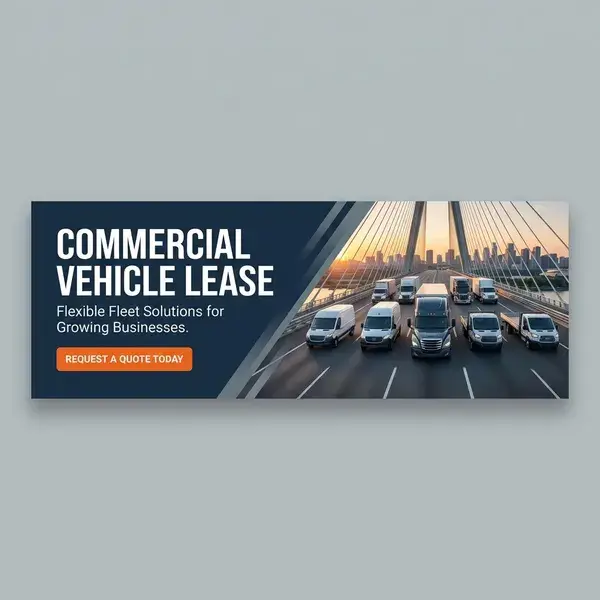
Commercial Vehicle Lease
UK businesses in Commercial Vehicle Lease are revolutionising their transportation management through commercial vehicle lease options. Your company can save thousands of pounds in 2025 by leasing instead of buying commercial vans and company cars. More businesses now prefer this option because they can drive new vehicles for a set time and switch to another model afterward. Source 
The accessibility of commercial vehicle leasing makes it really appealing. Startups and sole traders benefit since there are no minimum trading requirements. Your business’s limited credit history won’t hold you back – a director’s guarantee can help you secure good leasing terms. On top of that, you don’t need VAT registration to lease business vehicles, which works well for businesses of all types. The savings on maintenance and depreciation compared to purchase costs make leasing worth thinking over for any business looking ahead. See all van lease deals
Understanding Commercial Vehicle Leasing
Commercial vehicle leasing works like a long-term rental deal. Businesses can use vehicles without buying them outright. You don’t need a big upfront payment – just fixed monthly payments over 24 to 60 months. See Best Van Lease Deals
The process is simple. Pick your vehicle, decide on contract length and mileage limit, then make regular payments. The vehicle goes back to the leasing company when the contract ends. This setup has become very popular. Corporate leasing alone accounts for over 2 million vehicles in the UK. See Ford Van Lease
Businesses can choose between two main leasing options:
- Contract Hire – The most common type, where you never own the vehicle. You pay to use it during the contract period and return it at the end. This option has road tax coverage and lets VAT-registered businesses reclaim VAT on payments.
- Finance Lease – This gives your business more risk and potential rewards. Monthly rentals depend on the vehicle’s cost percentage, with a final “balloon payment” due at the end. You can sell the vehicle to cover this payment or keep using it for a small fee.
Leasing is different from buying in one vital way – who owns the vehicle. The leasing company keeps ownership while you pay to use it during the depreciation period. See VW Van Lease
The money side of leasing focuses on paying for depreciation instead of the full vehicle cost. Monthly payments end up lower than loan payments, which helps manage cash flow better. Your capital stays free for other business needs. See all Van Leasing

Leasing brings more than just financial benefits. Many deals come with maintenance packages that bundle servicing, repairs, and breakdown cover into your monthly payment. This setup cuts down on paperwork and helps you avoid surprise costs that could hurt your budget. See long term van lease
A closer look at commercial vehicle lease versus purchase shows how leasing moves depreciation risk away from your business. You can upgrade to newer models that have the latest technology and safety features regularly.
Eligibility and Requirements for Business Leasing
Commercial vehicle lease companies work with businesses of all types. You can apply whether you’re a sole trader, partnership, limited company (Ltd and PLCs), limited liability partnership (LLP), VAT-registered business, charity, or embassy. See van leasing companies
Leasing companies will run a credit check to see how financially stable your business is. They look at your borrowing history, working capital, and overall liquidity. Businesses with poor credit can still get approved, but they’ll need bigger deposits and might face higher finance costs.
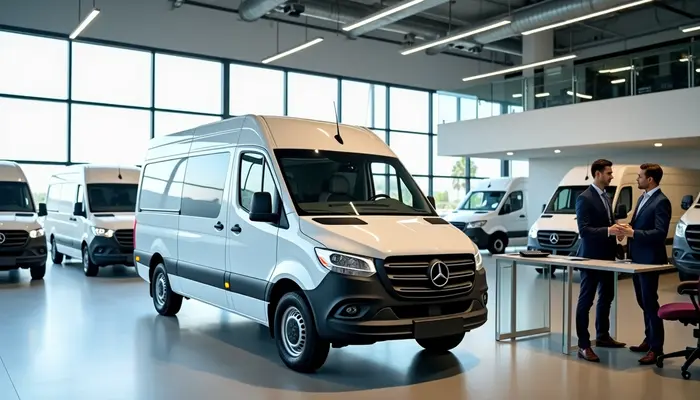
To apply, you’ll need these basic documents:
- Company details (name, address, registration number, annual turnover)
- Director information (names, dates of birth, marital status)
- Business bank details (account number, sort code, bank name)
- Photographic identification (valid passport or driving licence)
New businesses need extra checks because they don’t have much financial history. You don’t need to be in business for a specific time to get a lease. Many finance providers prefer to work with companies that are at least two years old. See cheap van lease
If your business is less than two years old, you should have:
- Three months of business bank statements
- Management accounts or draught financial statements
- A director’s guarantee (for Limited Companies)
A director’s guarantee can help newer businesses get approved. This means the company’s director will personally cover the monthly payments if the business can’t pay. Companies with lower credit scores might want to offer bigger upfront payments to improve their chances. See long term van lease
VAT registration isn’t required to lease a business vehicle. This makes commercial vehicle leases available to businesses of all types, whatever their VAT status. Lenders just want to make sure you can keep up with payments throughout the lease term. See van lease insurance
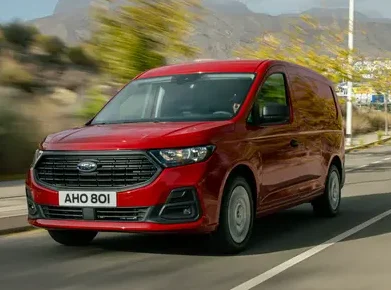
How Commercial Vehicle Lease Can Save Your Business Money
Commercial vehicle leasing offers financial advantages that go way beyond the reach and influence of simple convenience. Leasing eliminates the most important capital spending needed to purchase vehicles outright. Your business can redirect these savings toward core operations, marketing, or expansion plans. See cheap van lease
The tax benefits alone can reduce your overall costs. VAT-registered businesses enjoy these perks:
- Reclaim up to 100% of VAT for vehicles used solely for business purposes
- Reclaim 50% of VAT on cars with mixed business and personal use
- Claim lease payments as allowable business expenses to reduce taxable profits
Avoiding depreciation with Commercial Vehicle Lease stands out as the biggest financial advantage. New vehicles lose up to 40% of their value right after leaving the forecourt. A commercial vehicle lease shifts this financial burden to the leasing company instead of your business.
Fixed payments through leasing create predictable monthly expenses. Budget planning becomes simpler without surprise repair costs. Many agreements bundle maintenance packages that include servicing and repairs in your monthly payment.
Leasing creates extra credit lines for your company and preserves working capital. Your business avoids tying up money in assets that lose value faster.
Market conditions make leasing an attractive option right now. Manufacturer discounts and fixed-price servicing plans might cost less over a fixed term than buying and reselling the same vehicle. This deal gets better since many commercial vehicle lease packages include road tax and breakdown cover in the monthly rate.
Businesses focused on environmental impact and running costs can save more through electric vehicle leasing. The EV Plug-in Grant and road tax exemptions available until April 2025 add extra value.
Conclusion Commercial Vehicle Lease
Commercial vehicle leasing proves to be a smart financial move for UK businesses that want to optimise their transportation needs in 2025. This piece shows how flexible leasing arrangements give businesses major advantages over buying vehicles outright. Your bottom line will benefit when you avoid heavy depreciation costs and get access to newer, more efficient vehicles.
Leasing works well for companies at any growth stage. Both startups and 10-year-old companies can save capital, plan for fixed monthly costs, and take advantage of tax benefits. Even new businesses can get quality commercial vehicles without financial strain, thanks to no minimum trading requirements and options like director’s guarantees. See van lease hire
Fixed leasing costs help stabilise your business planning during shaky economic periods. You can also easily upgrade to electric vehicles through leasing, which matches your corporate responsibility goals and qualifies for tax incentives available until 2025.
Your specific business situation will determine whether to lease or buy. Notwithstanding that, the facts show many UK businesses can save thousands through commercial vehicle leasing while staying flexible with operations. Take time to think over how these leasing benefits could boost your company’s financial health soon. Smart transportation decisions today will accelerate your business success tomorrow. See van on finance
FAQs Commercial Vehicle Lease
Q1. What are the main advantages of leasing a commercial vehicle for businesses? Leasing offers lower upfront costs, fixed monthly payments, potential tax benefits, and protection from depreciation losses. It also allows businesses to access newer vehicles with the latest technology and safety features without a large capital investment. See finance for vans
Q2. How does commercial vehicle leasing differ from purchasing? When leasing, you pay for the vehicle’s use during a set period rather than its full cost. You don’t own the vehicle, which means lower monthly payments and no depreciation risk. At the end of the lease, you can simply return the vehicle and choose a new one.
Q3. Are there minimum trading requirements for businesses to lease a commercial vehicle? No, there are no minimum trading requirements for commercial vehicle leasing. Even new businesses with limited credit history can often secure leasing agreements, sometimes with options like a director’s guarantee to support their application.
Q4. Do businesses need to be VAT registered to lease a commercial vehicle? VAT registration is not mandatory for business vehicle leasing. This flexibility makes commercial vehicle leases accessible to various business types, regardless of their VAT status.
Q5. What documents are typically required for a commercial vehicle lease application? Standard applications usually require company details, director information, business bank details, and photographic identification. New businesses may need to provide additional documentation such as bank statements, management accounts, or a director’s guarantee.