 Call us on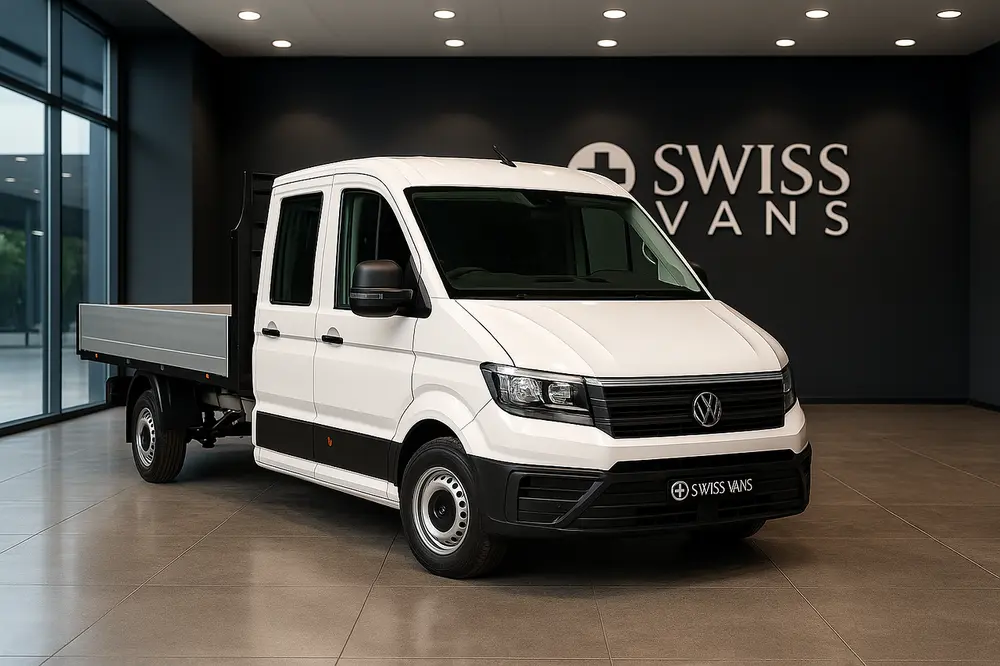
Business & personal lease
Tipper Van Leasing
Compare the best van lease deals in the UK. Swiss Vans offers flexible van leasing for businesses and sole traders — new stock, competitive monthly rates, and expert advice since 2005.
Products






Tipper Van Lease: Everything You Need
Tipper van leasing has become an increasingly popular option for businesses in need of versatile and efficient commercial vehicles. These specialized vans offer a unique combination of cargo capacity and the ability to easily unload materials, making them indispensable in industries like construction, landscaping, and waste management. With the rising costs of vehicle ownership, many companies are turning to tipper van lease deals as a cost-effective solution to meet their transportation needs.
Leasing a tipper van comes with numerous benefits that can positively impact a business's operations and bottom line. This guide will explore the various aspects of tipper van leasing, including the different types available, factors to consider when choosing a lease, and the steps involved in the leasing process. By understanding these key points, businesses can make informed decisions about whether tipper van leasing is the right choice for their specific requirements and how to get the most value from their lease agreement. See Mercedes Sprinter tipper
What is a Tipper Van?
Heavy-Duty Lease Options
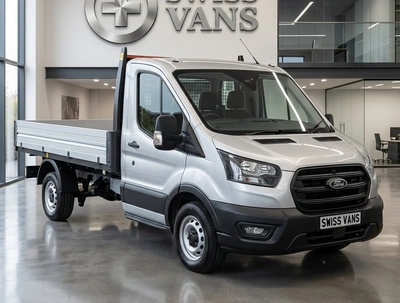
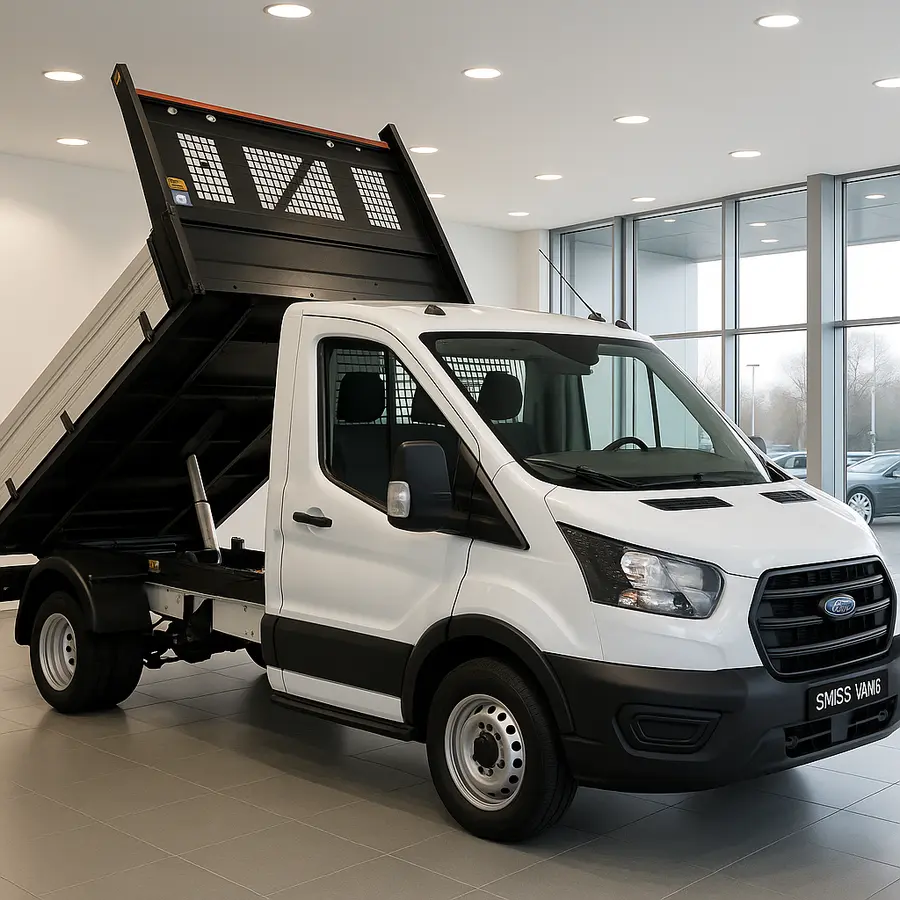
A tipper van is a light commercial vehicle designed to transport and unload a variety of materials efficiently. It combines the versatility of a van with the functionality of a dump truck, making it an invaluable asset for many industries. The key feature that sets a tipper van apart from regular vans is its specialized tipping mechanism, which allows for easy unloading of cargo. See Ford Transit Tipper
Key Features
Tipper vans come equipped with several distinctive features that enhance their functionality: See all van leasing deals UK
- Open Body: The vehicle has an open cargo area, allowing for easy loading and unloading of materials.
- Hydraulic Tipping System: An under-floor hydraulic mechanism enables the cargo bed to be raised, facilitating the unloading process.
- Control Panel: Located in the cab, this panel allows the driver to operate the tipping mechanism safely and easily.
-
- Three-way tipping: Allows unloading to the rear and both sides, offering more flexibility
- Rear-only tipping: The most basic and cost-effective optionTipping Directions: Depending on the model, tipper vans can have different tipping capabilities:
- Three-way tipping: Allows unloading to the rear and both sides, offering more flexibility
- Cargo Capacity: Tipper vans can handle a wide range of load weights, making them suitable for various job sizes.
- Size Options: These vehicles come in different sizes to accommodate various job requirements and site constraints.
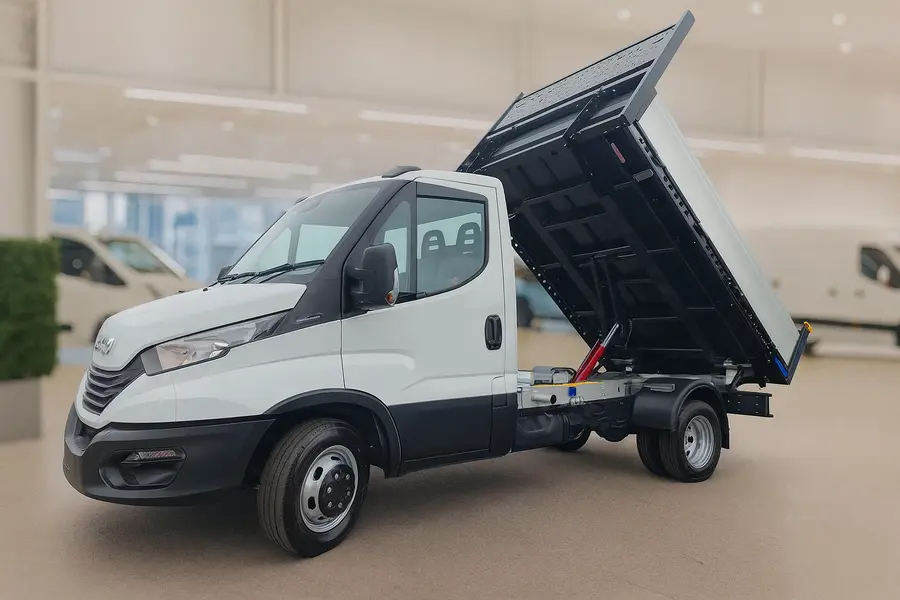
The tipping action is a crucial consideration when selecting a tipper van. It not only determines the unloading options but also impacts the vehicle's versatility and suitability for specific tasks. See Iveco Tipper
Common Uses
Tipper vans have found applications across numerous industries due to their versatility and efficiency. Some common uses include: See Ex Lease vans direct
- Construction: Transporting building materials, debris, and waste around construction sites.
- Landscaping: Moving soil, gravel, mulch, and garden waste for landscaping projects.
- Agriculture: Hauling livestock feed, grain, silage, manure, and fertilizer on farms.
- Civil Engineering: Assisting in projects such as creating driveways, earthworks, and installing service trenches.
- Waste Management: Efficiently removing and transporting bulky waste or recyclable materials.
- Demolition: Clearing and transporting site debris and rubble during demolition projects.
These vehicles excel at handling loose materials such as:
- Asphalt
- Construction aggregate
- Dirt and soil
- Grain
- Gravel and sand
- Snow
- Wood chips
- Turf
The ability of tipper vans to handle such a diverse range of materials makes them indispensable in many sectors. They offer significant advantages over manual labor, as they can transport and unload heavy cargo precisely and efficiently. This capability not only saves time but also reduces the need for multiple workers to manually lift and carry materials, resulting in cost savings for businesses. See Citroen Relay Tipper
In essence, a tipper van serves as a versatile and efficient solution for businesses that regularly deal with the transportation and unloading of loose materials. Its unique design and functionality make it an essential tool in various industries, streamlining operations and enhancing productivity on job sites of all sizes. See Electric Renault Master Lease
Benefits of Leasing a Tipper Van
Cost-Effectiveness
Leasing a tipper van offers significant financial advantages for businesses. Instead of making a substantial upfront investment to purchase a vehicle outright, companies can spread the cost over time through manageable monthly payments. This approach allows businesses to preserve capital for other essential expenses and growth opportunities. Electric Crafter Lease
One of the primary benefits is the fixed monthly cost associated with leasing. Before entering into a lease agreement, businesses agree to a set monthly fee that remains constant throughout the lease term, typically lasting 2-3 years. This predictability enables better cash flow management and facilitates more accurate financial planning for the future.
Another cost-saving aspect of leasing is the absence of depreciation concerns. When a business purchases a van, its value begins to decrease as soon as it leaves the dealership. With a lease, companies avoid the worry of owning a depreciating asset. At the end of the lease term, they simply return the vehicle and choose a new one, eliminating the hassle and potential financial loss associated with selling a used van.
For VAT-registered businesses, leasing a tipper van comes with additional tax benefits. Companies can claim back their monthly lease payments as a tax-deductible expense, further reducing the overall cost of using the vehicle for business purposes. See all Tipper vans for sale
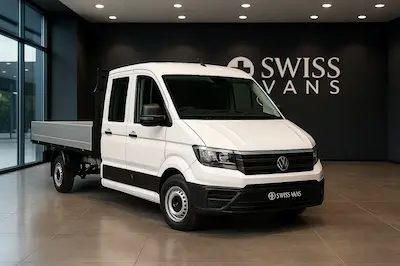
Access to Newer Models Tipper Van Lease
One of the most appealing aspects of leasing a tipper van is the ability to drive the latest models regularly. Similar to upgrading a mobile phone, leasing allows businesses to access new vehicles every few years. This ensures that companies always have access to the most up-to-date technology, safety features, and fuel-efficient engines.
At the end of each lease term, businesses have the opportunity to upgrade to a newer model. This flexibility is particularly beneficial in industries where having modern, reliable equipment is crucial for efficiency and competitiveness. By consistently using newer vehicles, companies can enhance their professional image and potentially improve their operational capabilities. See all van leasing offers
Moreover, newer models often come with advanced safety features and improved fuel efficiency, which can lead to reduced fuel costs and a lower environmental impact. This aligns with the growing focus on sustainability in many industries and can contribute to a company's green initiatives. See all Van Finance deals
Flexible Terms Tipper Van Lease
Leasing a tipper van provides businesses with flexible options to suit their specific needs. Lease agreements typically run from 2 to 5 years, allowing companies to choose a term that aligns with their business plans and projected vehicle requirements. See all Van Lease purchase
This flexibility extends to mileage allowances as well. While most finance companies limit annual mileage to 50,000, businesses can choose from various mileage options to best match their usage patterns. It's important to note that exceeding the stated mileage may result in additional charges or negative equity at the end of the agreement, so it's advisable to overestimate mileage needs when setting up the lease.
Maintenance packages are another flexible aspect of tipper van leasing. For an additional low monthly fee, businesses can include a maintenance package in their lease agreement. This typically covers routine maintenance, servicing, tire replacements, and any MOTs that fall within the contract duration. Such packages can provide peace of mind and help businesses avoid unexpected maintenance costs.
Leasing also offers flexibility in terms of vehicle selection. As business needs evolve, companies can choose different van models or configurations at the end of each lease term. This adaptability is particularly valuable for growing businesses or those operating in dynamic industries where transportation needs may change over time.
Types of Tipper Vans Available for Lease
Tipper vans are specialized vehicles that have become indispensable in various industries, particularly in construction, landscaping, and waste management. These versatile vehicles offer efficient solutions for transporting and unloading a wide range of materials. When considering a tipper van lease, businesses have several options to choose from, each designed to meet specific operational needs.
One-Way Tippers
One-way tippers are the most basic and cost-effective option available for lease. These vehicles are equipped with a hydraulic system that allows the load bed to be raised and tipped to the rear. This design is particularly useful for businesses that primarily need to unload materials in a single direction.
Key features of one-way tippers include:
- Simplified operation: The straightforward tipping mechanism makes it easy for drivers to use.
- Lower cost: Generally, these models are more affordable to lease due to their simpler design.
- Suitable for various materials: They can handle a wide range of loads, from crushed rock to soil.
One-way tippers are ideal for businesses that frequently transport materials to construction sites or landscaping projects where rear unloading is sufficient.
Three-Way Tippers
For businesses requiring more flexibility in their operations, three-way tippers offer enhanced versatility. These vehicles have the ability to tip the load not only to the rear but also to either side. This additional functionality provides greater flexibility in unloading materials, making them suitable for a wider range of applications.
Advantages of three-way tippers include:
- Increased unloading options: The ability to tip to the sides as well as the rear allows for more precise material placement.
- Enhanced maneuverability: Side-tipping can be particularly useful in confined spaces or when working alongside trenches.
- Improved efficiency: The versatility of three-way tipping can save time and labor on job sites.
Both one-way and three-way tippers are available in various cab configurations, including single cab and double cab models, allowing businesses to choose the option that best suits their crew size and transportation needs.
Popular Manufacturers Tipper Van Lease
Several reputable manufacturers offer tipper vans for lease, each with their own unique features and benefits. Some of the most popular brands in the UK market include:
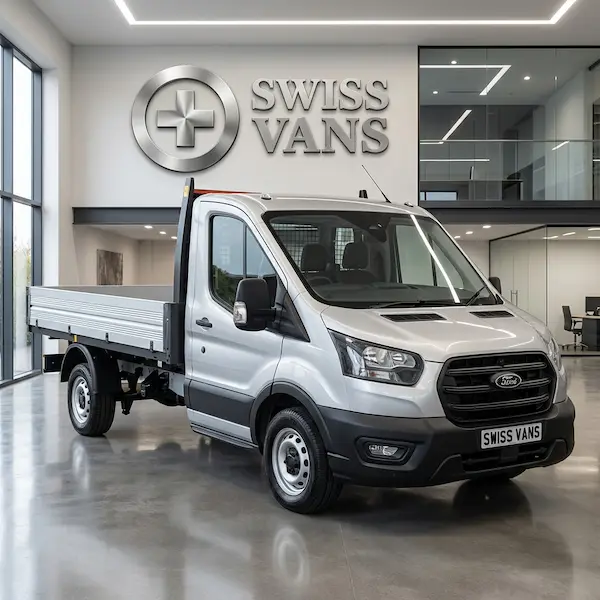
- Ford: The Ford Transit tipper is a mainstay in the British workforce, known for its reliability and efficiency. It's available in both one-way and three-way tipping variants and offers competitive lease deals.
- Peugeot: The Peugeot Boxer tipper is renowned for its durability and efficiency. It's a popular choice for businesses looking for a budget-friendly option without compromising on quality.
- Citroen: The Citroen Relay tipper is known for its practicality and advanced features. It offers a good balance of payload capacity and fuel efficiency.
- Volkswagen: As part of their 'Engineered To Go' program, Volkswagen offers the Crafter tipper, which is known for its quality construction and reliability.
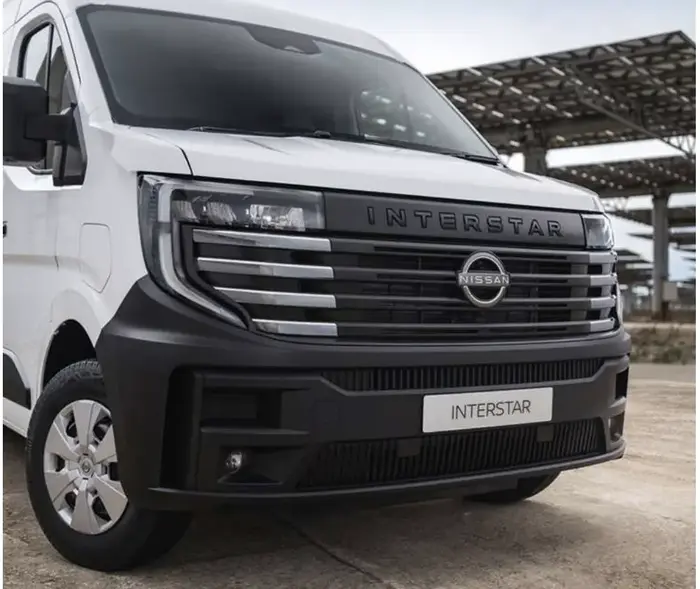
- Nissan: The Nissan NV400 tipper (soon to be rebranded as Interstar) stands out with its impressive 5-year/100,000-mile warranty, offering peace of mind for businesses.
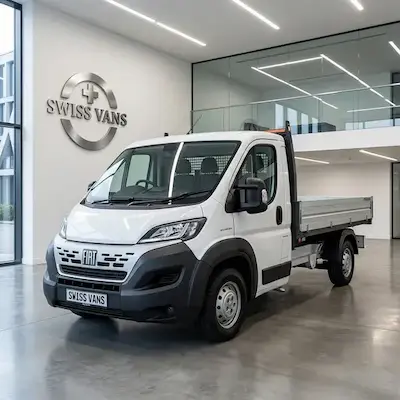
- Fiat: The Fiat Ducato tipper, part of their 'Ready For Professionals' range, offers versatility with various body lengths available.
When selecting a tipper van for lease, businesses should consider factors such as payload capacity, tipping options, and specific features that align with their operational requirements. For instance, the Ford Transit tipper offers a robust electro-hydraulic tipping system and optional custom-fit modifications, while the Peugeot Boxer boasts reinforced suspension and a high payload capacity.
Leasing a tipper van from these manufacturers often comes with additional benefits such as advanced safety features, modern infotainment systems, and fuel-efficient engines. Many models also offer customization options, allowing businesses to tailor the vehicle to their specific needs, whether it's adding toolboxes, beacons, or tow bars.
Factors to Consider When Leasing a Tipper Van
When considering a tipper van lease, businesses need to evaluate several key factors to ensure they select the most suitable vehicle for their specific needs. These factors can have a significant impact on the efficiency and effectiveness of operations, as well as the overall cost-effectiveness of the lease agreement.
Payload Capacity
One of the most crucial factors to consider when leasing a tipper van is its payload capacity. This refers to the maximum weight the vehicle can legally carry, including cargo, passengers, and any additional equipment. Understanding payload capacity is essential for several reasons:
- Legal compliance: Overloading a vehicle is illegal and can result in hefty fines. The Driver and Vehicle Standards Agency (DVSA) conducts regular spot checks, stopping over 10,000 vans annually to ensure compliance.
- Safety: An overloaded van can lead to increased stopping distances, compromising the safety of the driver and other road users.
- Vehicle performance: Exceeding the payload capacity can cause excessive strain on the engine, suspension, and brakes, potentially leading to mechanical failures and increased fuel consumption.
- Operational efficiency: Choosing a van with the right payload capacity ensures that businesses can transport the necessary materials without making multiple trips.
Tipper vans typically offer payloads ranging from 700kg to 1.3 tons. To calculate the payload, subtract the kerb weight (the weight of the van with a full tank of fuel and standard equipment) from the Gross Vehicle Weight (GVW). It's advisable to choose a van with a payload that slightly exceeds the business's typical needs to allow for occasional heavier loads.
Tipping Mechanism Tipper Van Lease
The tipping mechanism is a defining feature of tipper vans and plays a crucial role in their functionality. When leasing a tipper van, businesses should consider the following aspects of the tipping mechanism:
-
- Three-way tippers: These offer greater versatility, allowing tipping to the rear and both sides.
- One-way tippers: These are the most basic and cost-effective options, allowing tipping only to the rear.Tipping directions: Tipper vans come in two main configurations:
- Three-way tippers: These offer greater versatility, allowing tipping to the rear and both sides.
- Hydraulic system: Ensure the van has a robust and reliable hydraulic system for smooth and efficient tipping operations.
- Safety features: Look for vans with safety features such as body props, which secure the tipper body in the raised position during maintenance or inspections.
- Ease of use: Consider the control panel location and ease of operation, as this can impact the efficiency of unloading processes.
The choice between a one-way and three-way tipper depends on the specific needs of the business. While one-way tippers are more affordable, three-way tippers offer increased flexibility, which can be particularly useful in confined spaces or when working alongside trenches.
Cab Configuration
The cab configuration is another important factor to consider when leasing a tipper van. The two main options are:
- Single cab: This configuration offers a single row of seats, typically accommodating two to three people. It maximizes the load area and payload capacity, making it ideal for businesses that prioritize cargo space over passenger capacity.
- Double cab: This configuration features two rows of seats, accommodating up to six people. While it reduces the load area slightly, it's beneficial for businesses that need to transport larger crews to job sites.
When choosing between single and double cab configurations, businesses should consider:
- Team size: How many workers typically need to be transported to job sites
- Load requirements: Will the reduced load area of a double cab still meet the business's needs?
- Versatility: Would the ability to transport more passengers outweigh the reduction in cargo space?
By carefully considering these factors - payload capacity, tipping mechanism, and cab configuration - businesses can make an informed decision when leasing a tipper van. This ensures that the chosen vehicle aligns with their operational requirements, enhances efficiency, and provides the best value for their investment.
The Tipper Van Leasing Process
Choosing a Leasing Company
When embarking on the tipper van leasing journey, selecting the right leasing company is crucial. Businesses should look for providers with proper accreditations, such as those regulated by the Financial Conduct Authority (FCA) and the British Vehicle Rental and Leasing Association (BVRLA). These accreditations ensure that the company adheres to industry standards and treats customers fairly.
Experience is another key factor to consider. Companies with a long-standing presence in the industry often have a better understanding of customer needs and can offer more tailored solutions. It's advisable to seek out providers that combine years of experience with competitive pricing and high-quality service.
Customer reviews and testimonials can offer valuable insights into a company's reputation. Positive feedback from previous clients is a good indicator of reliable service. Even more trustworthy are recommendations from friends or family members who have had firsthand experience with the leasing company.
Lastly, consider working with a local company. Local providers often have a better understanding of the regional market, can offer more personalized advice, and may be more accessible for face-to-face interactions if needed.
Application and Approval
Once a suitable leasing company has been chosen, the next step is the application and approval process. This typically begins with selecting the desired van and lease package. Leasing companies offer various options, including short-term and long-term leases, so it's important to choose one that aligns with the business's needs and financial situation.
The application process usually involves providing financial details to secure credit from the leasing company's partner finance providers. This step includes a credit check to ensure the business can afford the monthly payments. The company will need to specify how much they can afford as an initial payment, and a holding deposit may be required to secure the van.
For limited companies, additional documentation may be necessary. This can include proof of company registration, such as a certificate of incorporation. New businesses without an established credit history might need to provide supplementary information, such as profit and loss statements and recent balance sheets. Some funders may also require a comprehensive business plan that outlines the company's goals, strategies, and financial forecasts.
Delivery and Maintenance
Once the application is approved and all paperwork is completed, the tipper van will be prepared for delivery. The leasing company will arrange a convenient time and location for the handover, ensuring the business has a thorough understanding of the van's features and any maintenance responsibilities.
Maintenance is a crucial aspect of the leasing process. As part of the lease agreement, the business is typically responsible for keeping the van properly serviced in accordance with the manufacturer's recommended schedule. This should be done by an agent approved by the finance company.
Regular servicing and maintenance offer several benefits. It helps keep the van running efficiently, potentially saving money on fuel in the long run. It also enhances safety on the road by identifying potential problems before they occur, reducing the risk of breakdowns and costly repairs.
Some lease agreements include maintenance packages. If this is the case, the business will need to contact the finance company to book the van into a local approved garage for its annual service and/or MOT (if required). If maintenance is not included in the contract, the business will need to arrange for servicing at appropriate intervals, preferably at a local main dealer or a VAT-registered garage using genuine manufacturer parts.
By following these steps and considerations, businesses can navigate the tipper van leasing process effectively, ensuring they secure a vehicle that meets their needs while maintaining it properly throughout the lease term.
Conclusion Tipper Van Lease
Tipper van leasing offers a practical solution for businesses looking to enhance their operations without the burden of vehicle ownership. Its impact on cost-effectiveness, access to newer models, and flexibility in terms makes it an attractive option for many industries. The variety of tipper vans available, from one-way to three-way tippers, allows companies to choose a vehicle that best suits their specific needs and job requirements.
To make the most of tipper van leasing, businesses should carefully consider factors such as payload capacity, tipping mechanism, and cab configuration. By taking these aspects into account and following a structured leasing process, companies can secure a tipper van that boosts their productivity and meets their operational demands. This approach enables businesses to stay competitive and adapt to changing market conditions while managing their resources effectively.
Tipper Van Lease FAQ
What documents are necessary to lease a van?
To lease a van, particularly for business purposes, you'll need to provide several documents including the owner’s valid identification (such as a passport or driving license), details of the business director, business information like address, status, registration number, and VAT details, as well as proof of the business’s annual net income or a bank statement covering the last three months.
What are some potential drawbacks of leasing a van?
Leasing a van can have certain disadvantages including limitations on mileage, lack of ownership, and potentially higher costs over the long term. It’s crucial to consider these factors to determine if leasing is the best option for your business needs.
How does a finance lease for a van operate?
A van finance lease is essentially a long-term rental agreement that allows you to use a van or pick-up truck exclusively for a predetermined period. Initially, you make an upfront payment followed by monthly payments over a span of 2 to 4 years.
What occurs when a van lease concludes?
At the end of the lease term, you return the van without any final payment required. This allows you the flexibility to upgrade to a newer model and start a new lease agreement if you choose.