 Call us on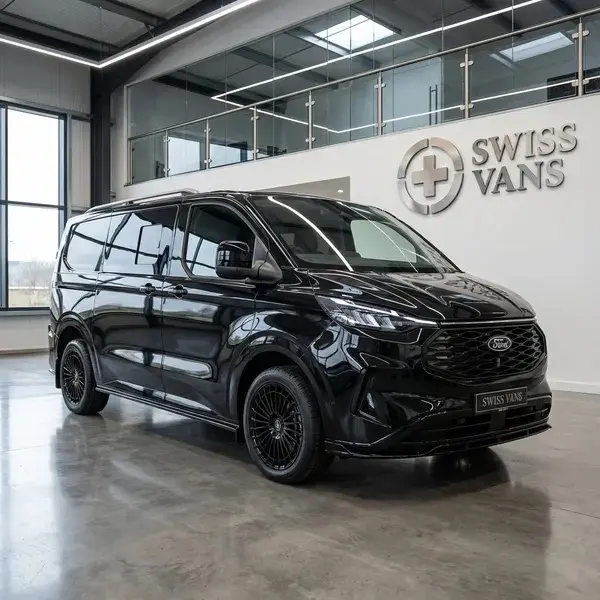
Finance available on every van →
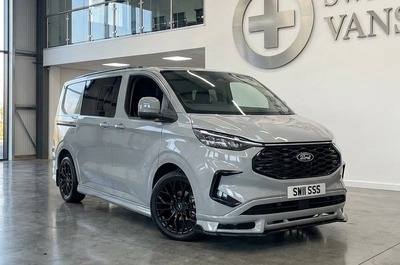
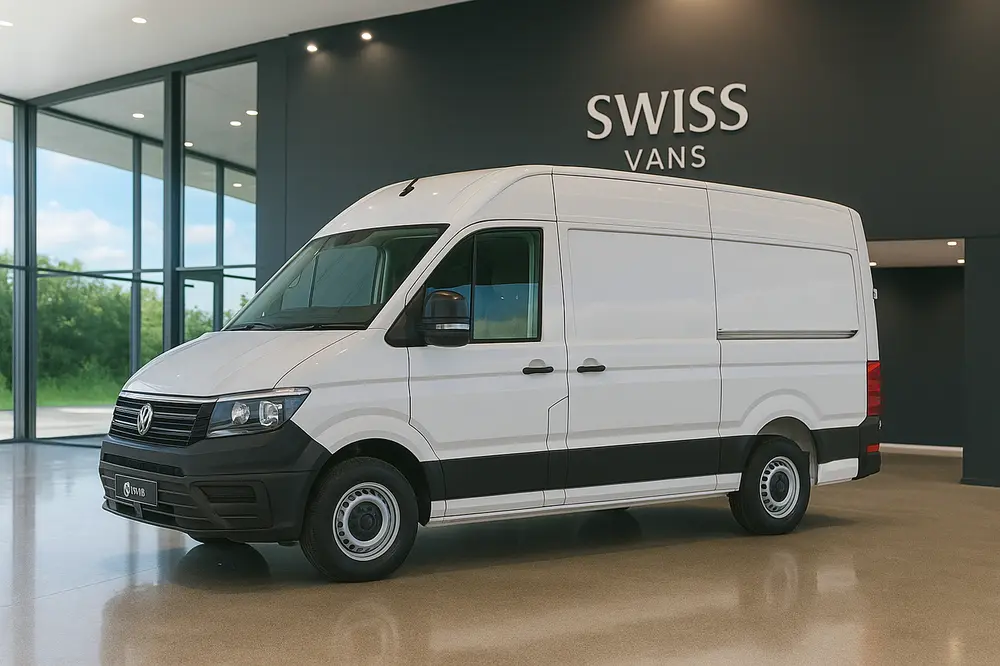
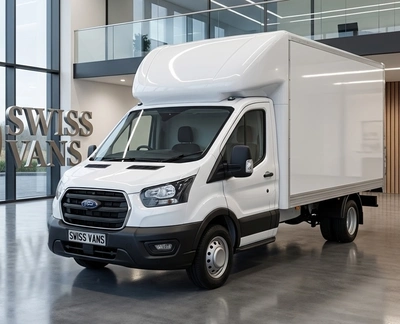
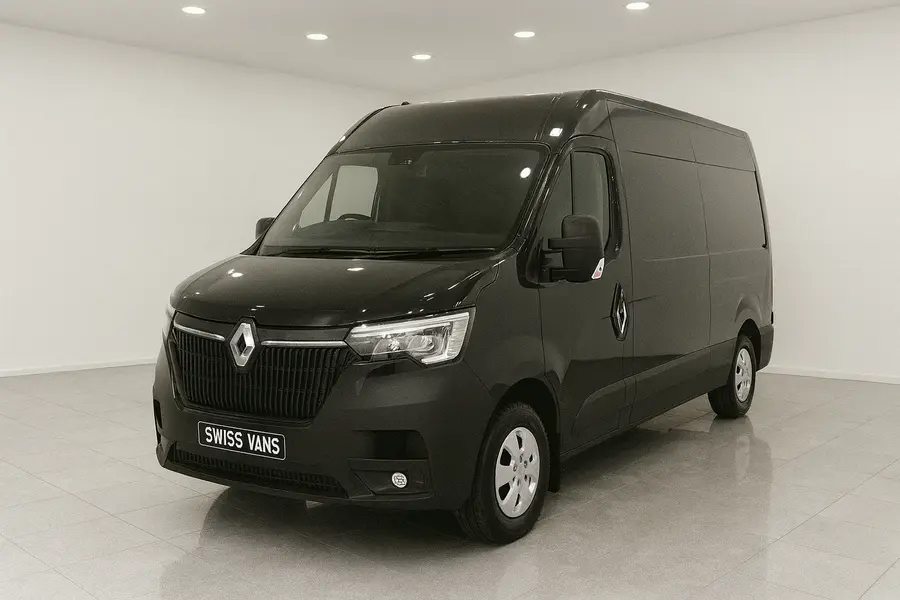
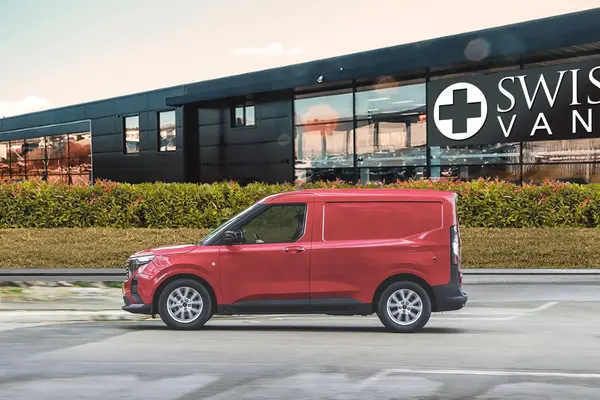
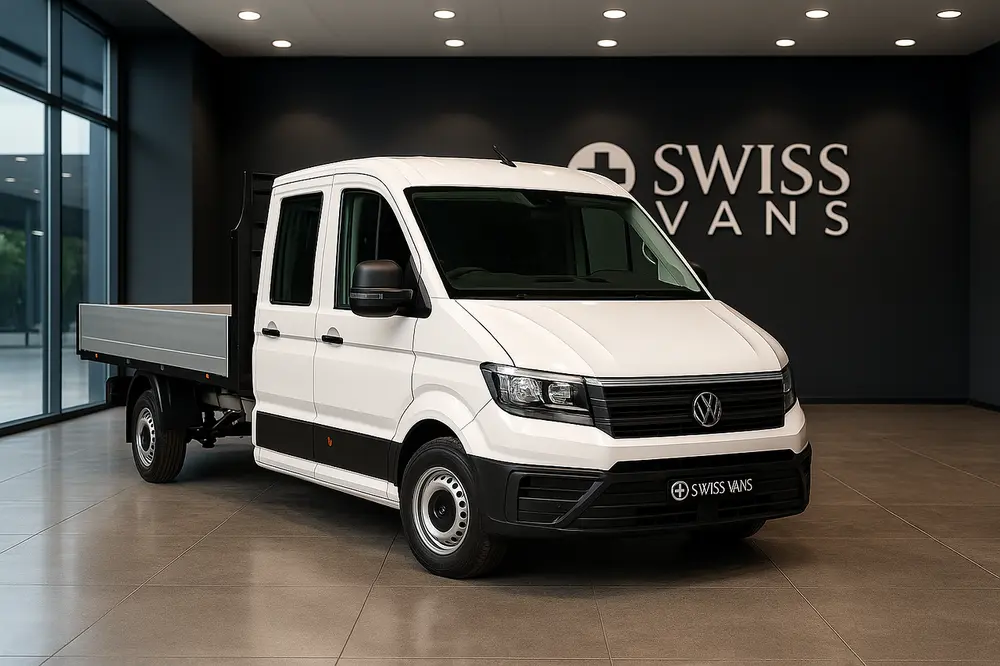
Swiss Vans specialises in van leasing for UK businesses and sole traders. Whether you need a single vehicle or a full fleet, our van leasing service covers Ford, VW, Mercedes and more on flexible contract-hire terms — low deposits, fixed monthly payments, and no end-of-term balloon. Browse the categories below to compare the best van lease deals by type, or get in touch for a tailored quote. We lease vans from Ford, Volkswagen and Land Rover Defender, as well as other leading manufacturers.
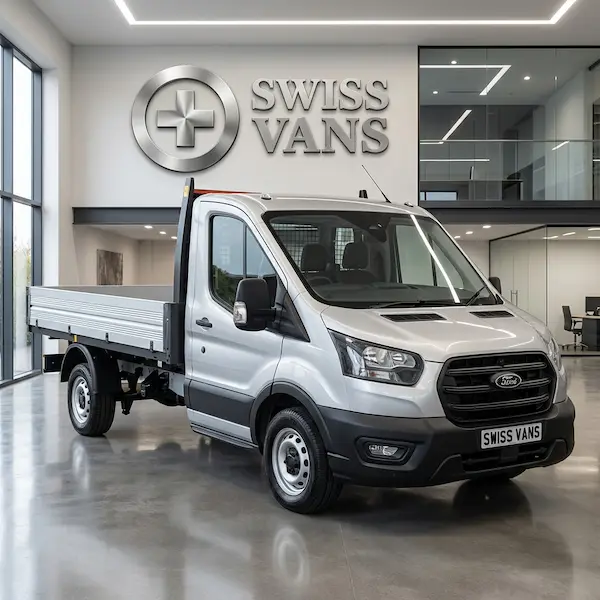
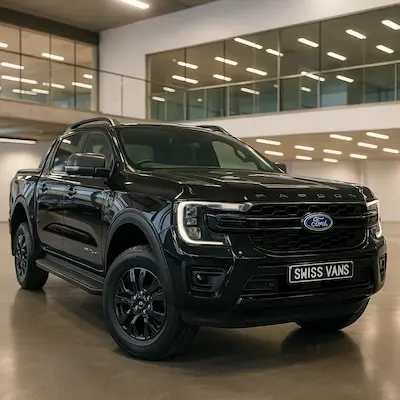
A selection of current lease deals from Ford, Volkswagen and Land Rover Defender.
Van Lease Deals




Sub Categories
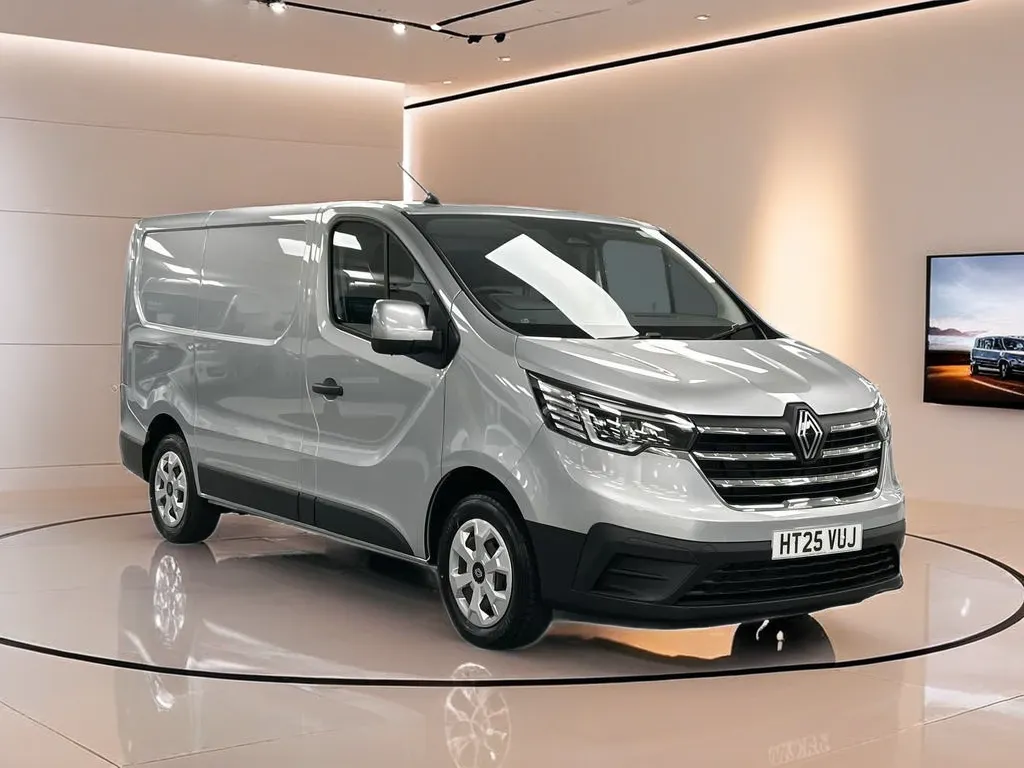

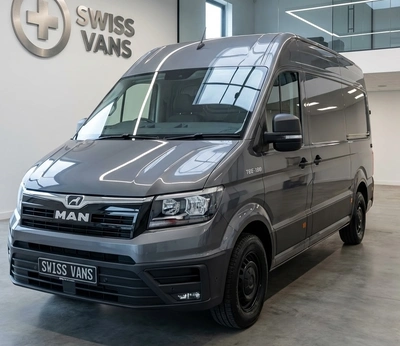
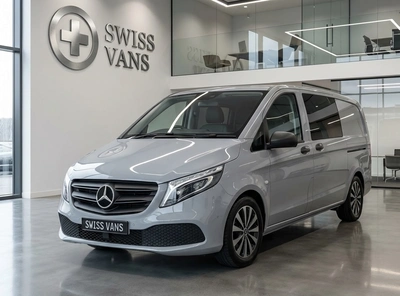
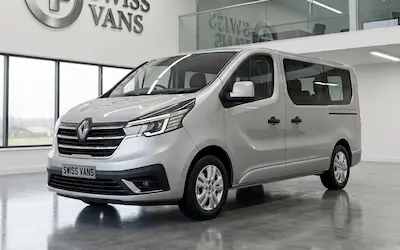
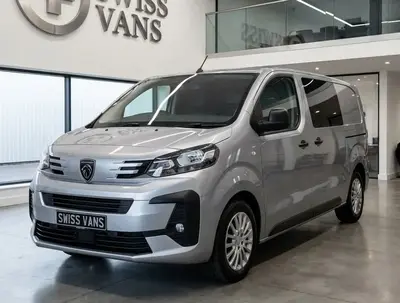

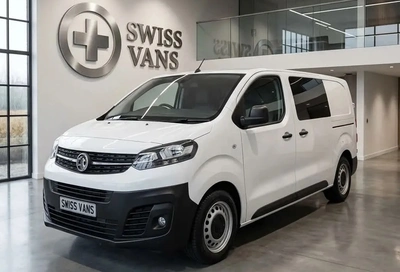
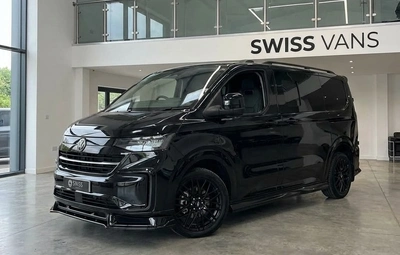
Van Lease
Van Lease for New Business
The UK's business van lease landscape is booming. By late 2023, more than 801,006 new companies registered - a 6.4% jump from the previous year. But these startups face a tough reality: used van prices have shot up 20% over the last several years. Source

Here's some good news for business owners looking at their first van lease. Leasing costs less upfront than buying, plus you get predictable monthly payments that simplify your budget planning. The lease terms run from two to five years, letting you upgrade to newer models while enjoying tax advantages. See Vans for sale
Starting a business brings unique challenges when it comes to vehicle financing. We've put together a complete guide to direct you through van leasing options. This will help you cut costs and make smart choices that accelerate your company's growth. See Van lease
Understanding Van Leasing for New Businesses
Business van leasing has become a popular choice for new companies that need reliable transportation without spending big money upfront. Let's look at what van leasing means, why it works, and what challenges you might face with your first lease agreement.
Business van leasing works like a long-term rental. Your company pays monthly to use a brand-new van for 2-5 years. You don't own the vehicle - you just pay to use it during the contract. The van goes back to the leasing provider when your agreement ends.
The process starts with an original rental payment that's smaller than what you'd need to buy a van. You'll make fixed monthly payments throughout the lease term. Most agreements cover road tax, and some contracts come with maintenance packages that take care of servicing.
Two main types of business lease deals exist:
Business Contract Hire (BCH): The most common option where you use the van and return it when the contract ends
Business Contract Purchase (BCP): This lets you own the van after a final payment
Why van leasing makes sense for startups
Van leasing gives new businesses several key advantages.
Your capital stays in your pocket since there's no big purchase cost upfront. This money can help grow other parts of your business like marketing or product development.
Fixed monthly payments make budget planning simple and help keep finances stable. You won't worry about the van losing value since it's not your asset.
Lease payments are a great way to get tax benefits as business expenses. VAT-registered businesses can usually claim VAT back on commercial vehicle leases.
Maintenance packages that come with lease deals cut repair costs and keep your van running. You'll also drive newer, more fuel-efficient models every few years.
Common challenges for new businesses
New businesses face several hurdles when trying to lease vans.
The biggest problem comes from limited credit history affecting how leasing companies see you. Companies without a financial track record might pay higher interest rates.
Leasing companies often want personal guarantees from directors if your business has weak credit. This means you're personally responsible if anything goes wrong.
Many providers limit vehicle choices for new businesses or need 6-12 months of trading history before they'll approve you. You might also need to show detailed paperwork, including business plans and financial forecasts, to prove your business can succeed.
Preparing Your New Business for Van Lease Approval
Getting a van lease for your new business needs good preparation. Lenders see new ventures as risky investments. Let me show you how to make your application stronger.
Essential documentation you'll need
New businesses need more paperwork than companies that are years old. Your business contract hire agreement needs these documents:
Company's details including name, address, registration number and annual turnover
Director's information (name, date of birth, marital status)
Business bank details
Photo ID (valid passport or driving licence)
Your business doesn't have a trading history yet, so lenders will ask for more documents:
Three months' business bank statements
Management accounts or opening balance sheet
Proof of positive trading if you have it
Personal and business tax returns
Building a business case for lenders
A strong business case helps you get approval from careful lenders. Your presentation should show:
Executive summary that highlights your business purpose
Background information for context
Clear objectives that support your business strategy
Benefits and limitations analysis
Financial projections and ROI calculations
Note that you should include proof of your industry experience from previous jobs. This shows your capability even though your business is new.
Improving your approval chances
Your personal credit history affects approval decisions for new business applications by a lot. So, check your personal credit score first and fix any issues you find.
These strategies can boost your approval odds:
Give a director's guarantee (crucial for limited companies)
Show proof of your relevant past experience
Submit full business plans with realistic financial forecasts
Have proof of business registration and verification ready
A finance broker can help make the application process smoother
Setting realistic van lease budget expectations
New businesses usually pay more and have fewer leasing options. You should be ready for:
Bigger deposits upfront
Monthly payments higher than established businesses
Extra fees if you end the lease early
Costs for maintenance packages
VAT implications (you might claim it back if registered)
Make sure your budget can handle these payments throughout your lease term. Your cash flow should stay healthy too.
Step-by-Step Guide to Securing Your First Van Lease
The actual leasing process begins after you prepare your business documentation. Let's get into the practical steps you need to secure your first van lease.
Choosing the right van for your business needs
Your perfect van should match your specific operational requirements. Here are the key factors to think about:
Van size categories: Small vans like the Ford Transit Connect work well for limited cargo and urban routes. Medium vans such as the Mercedes-Benz Vito offer balance between capacity and manoeuvrability. Large vans including the Ford Transit provide maximum payload capacity for heavy-duty needs. Our Ford Transit Custom lease is the top choice for medium-duty business fleets.
Operational factors: Size isn't everything - you should assess fuel efficiency, load capacity, and comfort. This becomes especially important if you plan long trips.
Future growth: A slightly larger van than your current needs might accommodate future business expansion.
Comparing lease types and terms
New businesses can benefit from different types of lease agreements:
Contract Hire remains the most popular option. You pay fixed monthly instalments for 2-5 years with an agreed mileage limit and return the vehicle when the contract ends.
Finance Lease lets you pay monthly instalments over a set period. After this, you can continue leasing at a reduced rate or sell to a third party.
Lease Purchase/Contract Purchase leads to ownership through a final "balloon payment" at the contract term's end.
Submitting a strong application
Your application process typically follows these steps:
Select your preferred van and lease type
Provide financial details for credit assessment
Specify initial payment amount
Complete documentation signing
Arrange delivery once approved
Standard credit checks will verify your ability to handle monthly payments. Accuracy and honesty with financial information are vital during this stage.
Negotiating favourable terms as a new business
New ventures still have bargaining power:
Start your search early before urgent needs arise. This gives you time to explore options without rushed decisions. Comparison services help identify competitive rates from different providers.
Dealerships often have flexibility on stock vehicle prices as they want to move inventory. You should be ready to walk away if terms don't meet your needs.
Make generous estimates of your annual mileage to avoid expensive excess mileage charges later. Remember to arrange complete insurance coverage before taking delivery.
Money-Saving Strategies for New Business Van Leasing
Smart cost management can cut your van lease expenses big time. Here's how you can save money by making the right choices.
Getting the timing right for your lease
Van leasing prices change with the seasons. Booking ahead when you know you'll need a van helps you get better rates. You'll find the best deals during slower business times, especially in winter months.
New businesses that aren't sure about their growth should look at short-term leases during busy seasons. This helps avoid getting stuck with high rates for too long. Market conditions also affect pricing - economic slowdowns often lead to better lease terms.
How mileage affects your costs
Your monthly costs depend on your mileage allowance. Yearly allowances usually run from 10,000-30,000 miles. All the same, you need to be realistic with your estimates. Going over your limit means paying extra charges - usually about 10p per mile.
Getting your mileage right is vital because extra miles lower the van's value. This is why finance companies won't let you go beyond 50,000 miles yearly or 180,000 for the whole agreement. The right mileage estimate keeps you from surprise charges when your contract ends.
Should you get a maintenance package?
Maintenance packages let you pay fixed monthly fees that cover servicing and repairs. Different providers offer different packages, but most include:
li]:mt-2" style="--tw-border-spacing-x: 0;--tw-border-spacing-y: 0;--tw-translate-x: 0;--tw-translate-y: 0;--tw-rotate: 0;--tw-skew-x: 0;--tw-skew-y: 0;--tw-scale-x: 1;--tw-scale-y: 1;--tw-scroll-snap-strictness: proximity;--tw-ring-offset-width: 0px;--tw-ring-offset-color: #fff;--tw-ring-offset-shadow: 0 0 #0000;--tw-ring-shadow: 0 0 #0000;--tw-shadow: 0 0 #0000;--tw-shadow-colored: 0 0 #0000;margin: 0px 0px 0.5rem 20px;padding: 0px 0px 0px 1rem;color: #1c2024;font-family: Inter, sans-serif;font-size: medium;font-style: normal;font-weight: 400;letter-spacing: normal;text-align: start;text-indent: 0px;text-transform: none;background-color: #ffffff">
Service check-up costs
Repairs and replacements
Oil checks and top-ups
Breakdown recovery assistance
These packages make sense if you drive a lot (30,000+ miles yearly). Drivers who cover fewer miles might save by paying for maintenance as needed. It's worth mentioning that these costs are tax-deductible business expenses, and VAT-registered businesses can claim back 100% of the VAT.
Tax perks of business van leasing
Van leasing comes with substantial tax benefits. You can deduct monthly lease payments fully from your taxes, whatever the emissions. This lowers your taxable profits. VAT-registered businesses can usually claim back 100% of the VAT if they use the van only for business.
Leasing also keeps vans off your balance sheet, which gives you more financial flexibility. Electric vans offer even better tax benefits - they're exempt from road tax and have lower Benefit-in-Kind rates.
These options help new businesses control their costs while meeting their needs. Van leasing can be a smart financial choice when you know how to work the system.
Conclusion
Van leasing definitely makes financial sense for new businesses today. Rising vehicle costs and market uncertainties have made it an attractive choice. Lower upfront investments, predictable monthly payments, and tax benefits help startups manage their resources better.
Good preparation and knowledge of the leasing process lead to success. Your business case needs proper documentation. Complete paperwork and realistic budget expectations will boost your position with lenders. Smart timing of your application and accurate mileage calculations can help you get better rates.
Your business's lease agreement should align with its current needs and future growth plans. We suggest you compare different lease types first. Take time to evaluate maintenance packages and calculate tax advantages before deciding. Van leasing gives new businesses a practical way to get vehicles while keeping capital free for other significant investments.
FAQs
Q1. Can a new business lease a van? Yes, new businesses can lease vans. It's often a cost-effective option, offering advantages such as lower upfront costs, fixed monthly payments, and potential tax benefits. However, new businesses may face stricter requirements and potentially higher rates due to their limited credit history.
Q2. What documentation is needed for a new business to lease a van? New businesses typically need to provide company details, director information, bank statements, management accounts or opening balance sheet, proof of positive trading (if available), and personal and business tax returns. Additional documents like a business plan and financial forecasts may also be required.
Q3. How can a new business improve its chances of van lease approval? To improve approval chances, new businesses should check and improve their personal credit score, offer a director's guarantee, provide evidence of relevant experience, submit comprehensive business plans with realistic financial forecasts, and consider working with a finance broker.
Q4. Are maintenance packages worth considering for a new business van lease? Maintenance packages can be beneficial, especially for high-mileage users (30,000+ miles annually). They offer predictable costs through fixed monthly fees covering servicing and repairs. However, low-mileage drivers might find it more cost-effective to pay for maintenance as needed.
Q5. What tax benefits are available for new businesses leasing vans? New businesses can benefit from several tax advantages when leasing vans. Monthly lease payments are fully tax-deductible expenses, reducing taxable profits. VAT-registered businesses can typically reclaim 100% of the VAT on payments if the van is used solely for business. Additionally, leasing keeps vans off the balance sheet, offering greater financial flexibility.