 Call us on
Business Van Lease Deals
In today’s fast-paced business van lease world, entrepreneurs are constantly seeking ways to optimize their operations and maximize efficiency. Business van leasing has emerged as a popular solution for companies looking to expand their fleet without the burden of ownership. This flexible approach allows businesses to access new, reliable vehicles while preserving capital for other crucial investments. Source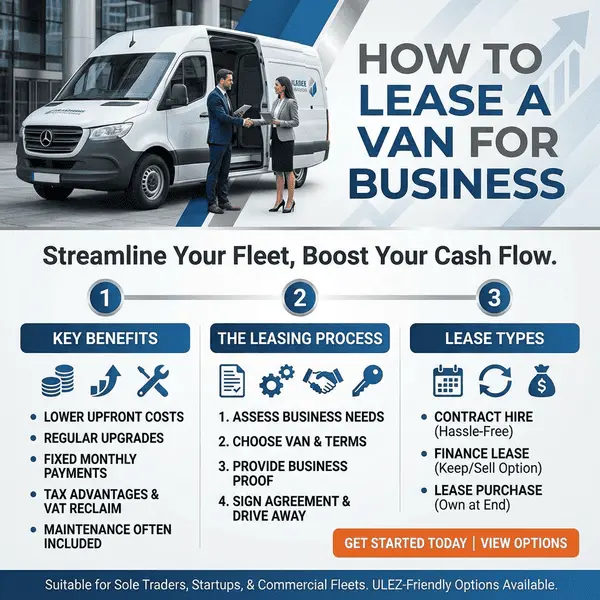
For entrepreneurs navigating the complex landscape of Business Van Lease commercial transportation, understanding the ins and outs of van leasing is essential. This guide delves into the key aspects of business van leasing, covering everything from choosing the right vehicle to financial considerations. Whether you’re a sole trader, a growing startup, or an established company, we’ll explore how van leasing can help drive your business forward while managing costs effectively.
business van lease
Commercial Lease Options
Business van leasing is a cost-effective method for companies to acquire vehicles without the commitment of outright purchase. It involves entering into an agreement with a leasing company, where the business pays regular installments over an agreed period in exchange for the temporary use of a van. This approach allows entrepreneurs to spread the cost over time rather than investing a large sum of capital upfront.
Essentially, Business Van Lease a van is similar to renting it for an extended period, typically ranging from one to five years. At the end of the contract, the business returns the van to the leasing provider. This arrangement often includes a small initial rental payment, which is usually lower compared to deposits required for other van finance options. See all van lease hire
Benefits of Leasing vs. Buying
Business Van Lease offers several advantages for companies
- Improved Cash Flow: With lower monthly payments compared to loan repayments for purchasing, leasing helps preserve cash for other operational needs.
- Access to Newer Models: Businesses can drive newer vans with the latest features and technologies, presenting a professional image to clients.
- Fixed Monthly Costs: Business Van Lease provides predictable expenses, allowing for better budgeting and financial management.
- Reduced Maintenance Worries: Many leasing agreements cover maintenance and repairs under the manufacturer’s warranty, saving businesses from unexpected expenses.
- No Depreciation Concerns: Unlike owning a van, leasing eliminates worries about the vehicle’s decreasing value over time.
- Tax Benefits: VAT-registered businesses can often reclaim VAT on lease payments and claim the cost as an allowable business expense.
- Flexibility: At the end of the lease term, businesses can choose to lease a new van, adapting to changing needs without long-term commitments. See VW Van Centre Manchester
Types of Van Finance Lease Agreements
There are three main types of van leasing options available to businesses:
- Business Contract Hire (BCH): This is the most common form of leasing. It involves paying a monthly fee for the use of the van and returning it at the end of the contract. BCH typically offers the lowest initial payments and affordable monthly costs.
- Van Finance Lease: This option bridges the gap between renting and buying. Businesses have responsibility for the vehicle at the end of the lease, with the option to sell it and potentially make a profit. However, there’s also a risk of being liable for a balloon payment higher than the van’s value.
- Contract Purchase: This option is suitable for businesses that want to own the van eventually. It involves fixed monthly payments, which are usually higher than other leasing options, and a final payment to take ownership of the vehicle.
When choosing between these options, businesses should consider their long-term goals, financial situation, and whether they intend to keep the vehicle after the lease term.
It’s important to note that while leasing offers many benefits, it also comes with some considerations. Businesses are committed to the lease agreement, and early termination can be expensive. Additionally, there may be charges for exceeding agreed mileage limits or for damage beyond fair wear and tear.
To van lease, a businesses need to provide company details to prove their financial ability to make the required payments. Some providers may also offer maintenance packages, which can further simplify budgeting by including services like tire replacements, routine maintenance, and MOT tests.
Choosing the Right Van for Your Business
Selecting the ideal for a business van lease is a crucial decision that can significantly impact operations and efficiency. Entrepreneurs must carefully consider various factors to ensure they choose a vehicle that aligns with their specific needs and requirements. See Used VW Luton Vans
Assessing Your Business Van Lease Needs
Before diving into the selection process, it’s essential to evaluate the company’s unique requirements. Entrepreneurs should consider how their business would function without a van and determine if it’s necessary for trade. This assessment will help gage the urgency of acquiring a newer van and the availability of in-stock deals. See all Minivans for sale
Key considerations include Business Van Lease
- Cargo space: Identify the size and volume of goods regularly transported.
- Payload capacity: Ensure the chosen van can handle the weight of goods without compromising performance or safety.
- Frequency and length of trips: Determine if the van will be used for short urban journeys or long-distance hauls.
- Number of passengers: Consider how many people will typically travel in the van.
- Specific business activities: Evaluate any specialized equipment or features required for day-to-day operations.
Popular Van Models for Entrepreneurs
With numerous options available, it’s helpful to explore popular van models that cater to different business needs:
- Small vans: Ideal for urban environments and limited cargo needs. Examples include:
- Ford Transit Connect
- Volkswagen Caddy
- Medium vans: Offer a balance between cargo capacity and maneuverability. Popular choices are:
- Mercedes-Benz Vito
- Renault Trafic
- Ford Transit (classic choice)
- Large vans: Suitable for businesses requiring maximum cargo space and payload capacity. Options include:
- Ford Transit (larger version)
- Iveco Daily
- Mercedes Sprinter
Considering Payload and Dimensions
Understanding a van’s payload capacity is crucial for efficient and safe transportation. Payload refers to the maximum weight a van can legally carry, including cargo, passengers, and equipment.
To calculate payload capacity:
- Find the van’s Gross Vehicle Weight (GVW) in the owner’s manual or vehicle registration document.
- Determine the van’s kerb weight (weight without passengers or cargo, but with a full tank of fuel).
- Subtract the kerb weight from the GVW to get the payload capacity.
When assessing dimensions, consider:
- Load space: Measured in liters or square meters
- Width: Note that the space between rear wheel arches is typically 40cm narrower than the overall load width
- Height: Important for businesses operating in areas with height restrictions
- Length: Crucial for transporting longer items
To maximize payload capacity:
- Minimize unnecessary weight by removing non-essential equipment
- Use lightweight materials for shelving and storage solutions
- Distribute weight evenly across the cargo area
- Maintain the van regularly for optimal performance
Remember, exceeding payload capacity is illegal and can lead to safety risks, vehicle damage, and increased fuel consumption. It’s crucial to stay within the specified limits to ensure safe and efficient operations.
By carefully assessing business needs, exploring popular van models, and considering payload and dimensions, entrepreneurs can make an informed decision when choosing the right van for their business. This approach will help ensure the selected vehicle aligns with operational requirements and contributes to the company’s success.
The Van Leasing Process
Initial Steps
The van leasing process begins with gathering the necessary documentation. For personal leases, individuals need to provide photographic identification, such as a valid driving license or passport, and proof of address, which can be a recent bank statement or utility bill. Financial information, including details of current monthly income and major expenditures, is also required. Additionally, a three-year address history and bank account details for lease payment processing are necessary.
Business van lease require more comprehensive documentation. Companies must provide their name, registration number, address, annual turnover information, and VAT number (if applicable). Director information, including names, dates of birth, and marital status, is also needed. Business bank details and financial documents, such as three months’ business bank statements and up-to-date accounts, may be requested by some lenders. In some cases, especially for new businesses, a director’s guarantee might be necessary.
Credit Checks and Approval
A crucial part of the leasing process is the credit check, which helps finance providers assess the applicant’s creditworthiness. The process typically follows these steps: See Best Van Lease Deals
- Application Submission: Applicants fill out a finance application form with personal or business details.
- Credit Reference Check: Lenders contact credit reference agencies to determine an overall credit score. They examine various factors, including:
- Address history via the Electoral Roll
- Public records for CCJs, bankruptcies, or IVAs
- Bank account and loan management history
- Financial connections to other individuals
- Credit Score Evaluation: The obtained credit score is compared against the lender’s threshold. Most funders require a good to excellent credit score for van finance approval.
- Additional Factors: Lenders consider other factors beyond the credit score, such as:
- Ability to make regular payments on time
- Existing debts and financial obligations
The decision timeline for credit applications typically ranges from two to five working days. Applicants are notified of the approval decision via telephone or email. See crew van lease
It’s important to note that a credit score of at least 700 is generally needed to pass the credit check and lease a van. However, credit scoring scales and systems may vary between companies.
Customizing Your Lease Agreement Business Van Lease
Once approved, lessees have the opportunity to customize their lease agreement to suit their specific needs. This includes:
- Choosing Lease Terms: Lease durations typically range from 24 to 60 months, allowing businesses and individuals to select a term that aligns with their plans and requirements.
- Mileage Options: Most Peugeot van leases, for example, come with a 12,000-mile annual cap included in the cost. However, additional mileage can be purchased for those expecting to cover longer distances.
- Additional Features and Accessories: Lessees can enhance their vehicles with various options to better suit their business or personal needs. These may include connected services and original accessories to improve safety, comfort, and driving pleasure. See Renault van lease
It’s crucial to note that before making any modifications to a leased van, lessees should always contact their finance provider. This ensures that any changes are permitted within the leasing agreement. Some modifications, such as changing the van’s paint color or making permanent alterations to the bodywork, are typically not allowed on lease vans. See Fiat van lease
By understanding and following these steps, entrepreneurs can navigate the van leasing process more effectively, ensuring they secure a vehicle that meets their business needs while complying with the terms of their lease agreement.
Financial Considerations
Monthly Payments and Initial Deposits Business Van Lease
Van leasing offers entrepreneurs an affordable way to access quality vehicles without a substantial upfront investment. The process typically involves fixed monthly payments, which help businesses maintain a stable budget and manage cash flow effectively. These payments are calculated based on several factors:
- Vehicle Cost: The value of the chosen van directly impacts the monthly payment amount.
- Interest Rates: Current market rates influence the overall cost of the lease.
- Residual Value: The estimated worth of the van at the end of the lease term affects payment calculations.
- Initial Rental: The upfront payment made at the start of the lease. See small van lease no deposit
The initial rental, also known as the initial payment or deposit, is a crucial component of the leasing process. It’s not a traditional deposit but rather an advance payment towards the total lease value. Lessees can choose to pay between 1 to 12 months’ worth of payments upfront, which in turn affects the subsequent monthly payments. For example, a £250 per month lease with a six-month initial payment would require £1,500 upfront.
It’s important to note that the total cost remains the same regardless of the initial payment amount chosen. The decision on how much to pay upfront depends on the lessee’s financial situation and preferences. A higher initial payment results in lower monthly installments, while a lower upfront amount leads to slightly higher monthly payments. See Luton Van Leasing
Tax Benefits of Business Van Leasing
Van leasing comes with several tax advantages for businesses:
- Tax-Deductible Expenses: Lease payments are treated as fully tax-deductible expenses in profit and loss accounts.
- VAT Reclamation: VAT-registered businesses can reclaim VAT on lease payments, subject to certain criteria.
- Benefits in Kind (BIK) Tax: Employees using company vans for private journeys may be liable for BIK tax, but this doesn’t apply if the van is used exclusively for business purposes or as a pool van.
The tax treatment varies depending on the type of lease:
- Contract Hire: All rental payments are tax-deductible, and VAT is reclaimable.
- Finance Lease: Interest charges can be offset against annual profits, and the van is capitalized as a fixed asset.
- Contract Purchase: VAT-registered companies don’t pay VAT on monthly finance payments but may pay it on optional service or maintenance packages.
It’s crucial for businesses to understand these tax implications and consult with a professional accountant to maximize the benefits of van leasing Bristol
Hidden Costs to Watch Out For Business Van Lease
While van leasing offers many financial advantages for Business Van Lease, entrepreneurs should be aware of potential hidden costs:
- VAT: Most advertised prices exclude VAT, which can significantly increase the actual cost for non-VAT registered businesses or individuals.
- Admin Fees: These are often not included in the quoted lease price and can amount to around £300.
- Servicing and Maintenance: Regular servicing is mandatory for leased vans and can vary in cost depending on the model.
- Insurance: Lessees are responsible for insuring the van, which must be fully comprehensive and acknowledge that the lessee is not the registered keeper. See small van lease
- Damage Repairs: Any damage beyond fair wear and tear must be repaired before returning the van, potentially incurring additional costs. See van leasing wales
- Excess Mileage Charges: Exceeding the agreed mileage limit can result in charges, typically ranging from 10-30 cents per extra mile.
- Early Termination Fees: Ending a lease before the agreed term can lead to significant penalties.
By carefully considering these financial aspects, entrepreneurs can make informed decisions about van leasing, ensuring it aligns with their business needs and budget constraints. It’s essential to thoroughly review lease agreements and factor in all potential costs before committing to a van lease.
Maintaining Your Leased Van
Routine Maintenance Requirements
Regular servicing plays a crucial role in maintaining a leased van. It ensures essential safety checks are carried out on components such as the braking system and suspension, providing peace of mind that the vehicle remains roadworthy. Moreover, adhering to the vehicle manufacturer’s servicing and maintenance schedule is an obligation under the leasing contract. Failure to produce evidence of regular servicing may result in penalties.
To stay on top of maintenance:
- Consult the vehicle’s operating manual for service intervals and regular maintenance tasks.
- Contact the leasing provider for advice on economical and appropriate servicing options.
- Ensure services are carried out following manufacturer’s procedures and use original or ‘equivalent quality’ parts.
- Keep detailed records of all maintenance work, including date-stamped service booklets or receipts.
Regular maintenance also helps identify potential issues early, preventing costly repairs later. For instance, maintaining proper engine oil levels is crucial to prevent engine seizure, which could cost thousands of pounds to repair or replace.
Dealing with Repairs Business Van Lease
When faced with repairs, lessees should follow these steps:
- Pay attention to dashboard warning messages, which indicate issues with various systems.
- For urgent warnings (usually red lights), find a safe place to stop immediately.
- For mechanical faults under warranty, contact the leasing company’s customer service for guidance.
- Take the vehicle to an approved dealership for inspection if covered under warranty.
It’s important to note that wear and tear items such as brake linings, clutch wear, tires, and wiper blades are typically excluded from warranty coverage. Additionally, the warranty may be invalidated if services are missed, unauthorized garages are used, or unapproved modifications are made to the vehicle.
For minor damage or missing items, most Business Van Lease providers allow lessees to arrange repairs before returning the vehicle. However, ensure that:
- Work is carried out to a professional standard by a competent repairer.
- A transferable warranty is provided for the work.
- Any windscreen repairs or replacements are recalibrated according to manufacturer specifications.
End-of-Lease Considerations Business Van Lease
As the lease term nears its end, lessees should be aware of the following:
- Fair Wear & Tear Policy: Familiarize yourself with this policy early in the leasing process. It outlines acceptable conditions for returning the van, helping prevent unexpected charges.
- Interior Condition: The vehicle’s interior should be clean and odorless, with no burns, scratches, tears, or staining. Consider purchasing in-car mats to preserve carpet condition in high-wear areas.
- Exterior Condition: Check for acceptable levels of wear on various components:
- Wing mirrors should clearly reflect and have no cracks.
- Wheels should meet minimum legal requirements with scuffs not exceeding 25mm lengthwise.
- Bumpers can have minor scuffs, but deep scuffs, dents, or cracks are unacceptable.
- Windscreen should be free of chips or cracks in the driver’s line of sight.
- Bodywork can have light scratches up to 25mm in length, but exposed metal or rust requires repair.
- Decals and Signage: Professionally remove any custom decals or business logos, ensuring all residue is cleaned off.
- Documentation: Ensure all necessary paperwork, spare keys, and important equipment are in order for the van’s return.
By adhering to these maintenance and end-of-lease guidelines, lessees can avoid unexpected charges and ensure a smooth transition at the end of their van lease term.
Conclusion Business Van Lease
Business van leasing offers entrepreneurs a flexible and cost-effective way to manage their transportation needs. It has an impact on cash flow management, provides access to newer vehicles, and offers potential tax benefits. The leasing process, from initial steps to customizing agreements, enables businesses to tailor their vehicle choices to specific operational requirements.
To make the most of van leasing, entrepreneurs should carefully consider their business needs, understand the financial implications, and stay on top of maintenance requirements. By keeping these factors in mind, businesses can leverage van leasing to boost their operations, present a professional image, and adapt to changing market conditions. In the end, van leasing can be a smart move to drive business growth and efficiency.