Business & personal lease
Luton Leasing
Compare the best van lease deals in the UK. Swiss Vans offers flexible van leasing for businesses and sole traders — new stock, competitive monthly rates, and expert advice since 2005.
Products
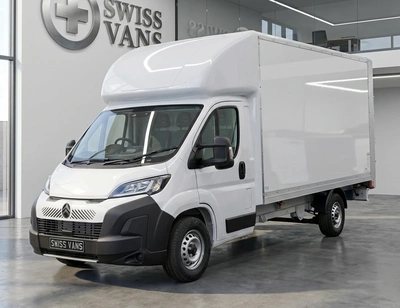


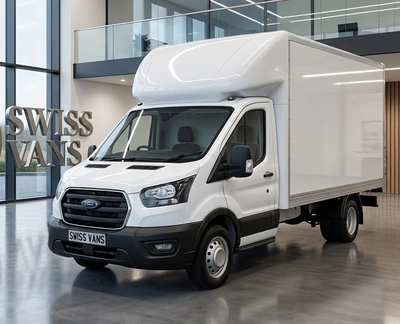


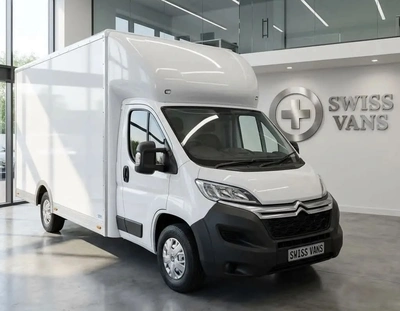
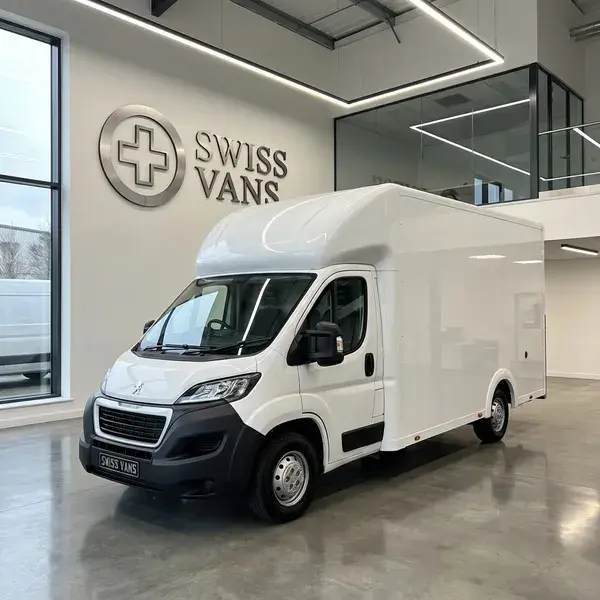
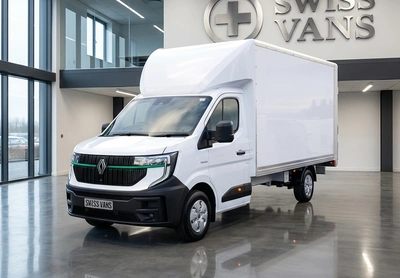
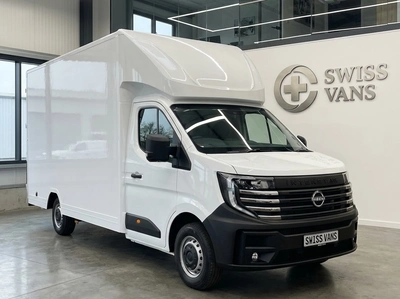

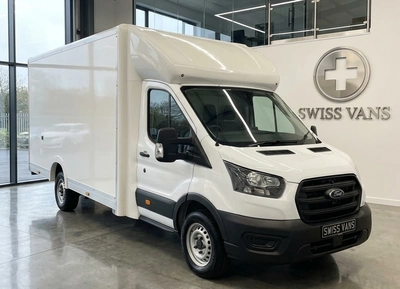
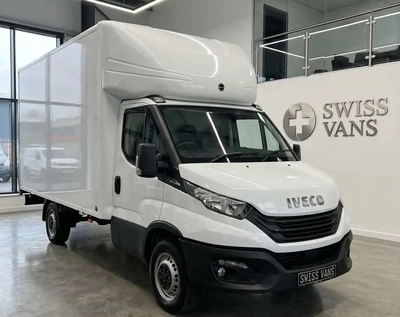
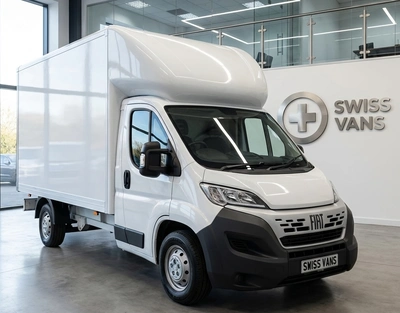
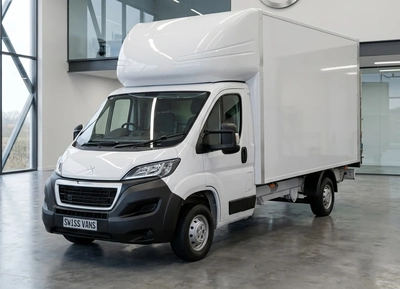
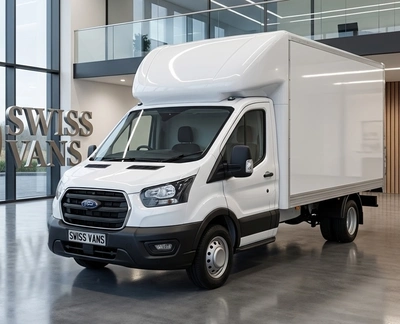
Luton Van Leasing
Businesses and individuals transporting substantial cargo volumes find exceptional value in a Luton van lease arrangement. The distinctive design—featuring a box-shaped body extending above the driver's cabin—delivers maximum storage capacity without sacrificing road manoeuvrability. Moving companies, delivery operations, and anyone hauling sizeable loads benefit from the generous interior dimensions these vehicles provide. Source
Choosing to lease rather than purchase a Luton van has become increasingly popular thanks to budget-friendly terms and operational flexibility. This comprehensive resource examines why Luton van lease agreements make commercial sense, walks through vehicle selection criteria tailored to your cargo profile, and shares proven strategies for utilising every cubic metre of load space. We also clarify lease contract mechanics—including Mercedes Luton van lease options and large van lease packages—so whether your requirement is short-term or you're exploring long-term van lease hire, you'll have the insight needed to secure the right deal.
Getting to Know Luton Vans
Flexible Business Leasing
Originating in Bedfordshire during the early twentieth century, Luton vans were engineered by Bedford Vehicles to serve the region's thriving straw hat trade. The town of Luton lent its name to these commercial vehicles, which feature a defining characteristic: a box-body structure that projects forward over the cab area. See all vans on lease
Referred to as the "Luton peak" or "Luton box," this overhead extension creates additional storage volume above the driver compartment. Bedford's original intent was to maximise "strawage" capacity—space for lightweight, bulky materials—and that design philosophy persists in modern iterations, making these vans perfect for transporting oversized items requiring vertical clearance.
Most Luton vans are built on a 3.5-tonne large van platform, though 7.5-tonne variants exist for heavier-duty applications. Internal dimensions frequently exceed six metres in length and 2.5 metres in height, yielding total load volumes around 32 cubic metres—roughly double what the largest panel vans can accommodate.
Main Characteristics of Luton Vans
Several core attributes enhance the practicality and adaptability of Luton vans:

- Tail lift: A hydraulic loading platform mounted at the rear simplifies handling of heavy goods, cutting manual effort and injury risk—an invaluable feature for operations that regularly move substantial items.
- Roller shutter door: Large shutter-style access at the back streamlines loading and unloading workflows, improving turnaround efficiency.
- Lightweight rear chassis: Constructed from reinforced plastic or fibreglass, the rear chassis balances durability with low kerb weight, preserving payload allowance.
- Spacious cargo area: Interior dimensions are optimised to accommodate large furniture pieces, household appliances, and other sizeable freight.
- Wide body: The broad profile eases loading of bulky objects such as wardrobes or pianos, explaining why removal firms favour these vehicles.
Why Luton Vans Excel for Load Capacity
When cargo capacity is paramount, Luton vans deliver multiple advantages:
- Increased storage capacity: The signature overhead peak substantially boosts loading volume; this extra zone can store additional goods or even serve as a sleeping berth in certain configurations.
- Versatility: From house removals and commercial deliveries to construction material transport, the robust build and generous cargo bay suit a wide array of tasks.
- Efficient use of space: Despite their large internal volume, Luton vans maintain a manageable road footprint, offering easier manoeuvrability than full-size lorries while retaining ample storage.
- Weight efficiency: A fully laden 3.5-tonne Luton van remains at or below the 3.5-tonne threshold, meaning drivers holding a standard UK Category B or B1 licence can operate them legally—broadening driver pool accessibility.
- Customisation options: While often less feature-rich than passenger-focused vehicles, Luton vans accept various fitments and modifications, allowing businesses to configure the interior to match specific operational demands.
Why Choose Luton van leasing?
Financial Benefits
Opting for a Luton van lease delivers tangible financial benefits for both commercial operators and private users. Monthly outgoings are markedly lower than loan repayments tied to outright purchase, freeing working capital for other critical expenditure or investment opportunities. Cost advantages multiply when you consider that most lease packages bundle road tax, and vehicles remain under full manufacturer warranty throughout the term—shielding you from unforeseen repair bills. See best van lease deals
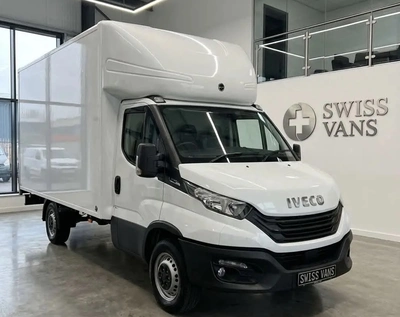
Your monthly payment for a Luton van lease hinges on several variables:
- Make and model of the van
- Initial payment amount
- Annual mileage expectations
- Contract length
- Optional add-ons
Adjusting these parameters lets you shape an agreement that aligns with budget constraints and operational needs. A longer contract period or higher upfront deposit typically reduces monthly instalments, giving you control over cash flow.
Adaptable Terms for Luton van leasing
Operational agility stands out as a major draw of Luton van leasing, particularly for businesses facing fluctuating transport demands. Contract durations commonly span 24 to 60 months, enabling you to select a timeframe that mirrors your business cycle. This adaptability proves especially useful for growing enterprises or those navigating uncertain markets. See Business van lease
Certain leasing providers extend even greater flexibility:
- Minimum lease periods as brief as 28 days
- No long-term commitments
- No termination penalties
Such arrangements prove invaluable across numerous scenarios:
- Onboarding temporary or trial personnel
- Launching a new business venture
- Replacing existing company vehicles
- Accommodating overseas staff on temporary assignment
- Bridging delivery delays for new vehicle orders
- Meeting short-term project demands
- Handling seasonal workload spikes
Latest Vehicle Options via Luton van leasing
A Luton van lease grants access to the latest vehicle generations without tying up capital in depreciating assets—a strategic advantage for industries reliant on modern, dependable transport. See small van lease no deposit
Contemporary Luton vans arrive equipped with cutting-edge features and technology tailored to diverse haulage requirements, including:
- Large enclosed boxes extending over the cab for increased storage capacity
- Standard kit and technology to enhance practicality and ease of access
- Safety features such as restraints and load retention poles in the rear
Leasing enables you to benefit from these technological and safety advances without ownership burdens. Many providers permit upgrades to newer vehicles once mileage caps are reached, ensuring your fleet remains current.
Furthermore, Luton van lease agreements often include optional extras covering maintenance, servicing, and tyre replacement. This comprehensive package lets you concentrate on core business activities while enjoying a well-maintained, modern vehicle fleet.
In today's volatile business climate, demand for adaptable leasing solutions has surged. Luton van leasing presents a pragmatic, cost-effective answer for businesses seeking to optimise transport capabilities without long-term ownership commitments. By combining affordability, flexibility, and access to the latest models, Luton van leasing has become an attractive proposition for companies spanning logistics, moving services, delivery operations, and beyond.
Selecting Your Ideal Luton Van
Selecting an appropriate Luton van is fundamental to meeting your haulage requirements effectively. Or even just hiring a luton van. To arrive at an informed choice, assess cargo capacity needs, scrutinise vehicle specifications, and compare popular models available in today's market.
Evaluating Your Load Needs
Begin by evaluating the nature and volume of items you'll be transporting. Furniture movers and those handling large, bulky goods require a spacious cargo bay, whereas operators dealing with lighter, voluminous materials may find a smaller Luton van sufficient.
Two critical metrics warrant close attention:
- Payload capacity: The maximum weight the van can legally carry. A typical 3.5-tonne Luton van offers payload capacity between 0.8 and 1.21 tonnes (800 to 1,210 kilograms).
- Load volume: The physical size of cargo the van can accommodate. Average load volume for a Luton van sits around 18.79 cubic metres (663.56 cubic feet).
Calculate maximum load volume by measuring the cargo compartment's internal dimensions—length, width, and height—then multiplying them together.
Additional considerations include:
- Travel distance: Longer journeys demand comfortable, adequately sized vans to accommodate cargo plus any extra items required en route.
- Accessibility: Navigating narrow streets or tight parking areas may favour a slightly smaller Luton van for improved manoeuvrability and practicality.
Leading Luton Van Options
Multiple manufacturers produce Luton vans with varying features and specifications. Here's a comparison of leading models:
| Model | Payload Capacity | Load Volume |
|---|---|---|
| Ford Transit Luton | 1.02 t | 20.04 m³ |
| Citroen Relay Luton | 1.08 t | 20.40 m³ |
| Iveco Daily Luton | 1.12 t | 17.03 m³ |
| Mercedes Sprinter Luton | 1 t | 18.98 m³ |
| Renault Master Luton | 1.21 t | 18.67 m³ |
Specification Comparisons for Luton van leasing
When evaluating different Luton van models, examine the following specifications and features:
- Dimensions: Interior length, load height, and width differ across models. Typically, Luton vans offer six-metre interior length along the flat loading floor, load height around 2,200 millimetres, and width approximately 2,000 millimetres.
- Loading features: Many Luton vans incorporate tail lifts rated to carry loads up to 500 kilograms, simplifying heavy-item handling. Some models provide low loading options with a height of just 550 millimetres from the floor; ramps can be fitted for exceptionally heavy loads.
- Interior features: Seek vans with plywood flooring, load locking strips, tie rails, and LED interior lighting for enhanced functionality.
- Engine performance: Engine power varies across models, with some delivering up to 140PS. Higher power becomes important when regularly carrying heavy loads on hilly terrain.
- Comfort and technology: Consider features such as adjustable seats, infotainment systems, and cabin storage solutions.
- Safety features: Look for vans equipped with Electronic Stability Control (ESC), Side Wind Stabilisation, and Roll Stability Control.
- Construction: Robust construction using galvanised steel and aluminium frames ensures durability and longevity.
- Door options: Vans may feature rear barn doors or roller shutter doors for convenient cargo area access.
By carefully weighing these factors and comparing different models, businesses and individuals can pinpoint the Luton van that best matches their specific needs, ensuring efficient and effective goods transportation.
Optimising Load Space in Your Leased Luton Van
Smart Loading Strategies
Getting the most from your leased Luton van's cargo space demands careful planning and strategic loading. One of the most effective approaches is distributing weight evenly throughout the vehicle. This method not only optimises payload capacity but also improves handling and on-road performance.
Begin by positioning heavier items against the van's internal walls, creating a stable foundation for remaining cargo. From there, work inward, placing lighter items centrally or atop heavier boxes. This technique prevents the van becoming lopsided, which would place undue stress on one set of tyres.
When stacking boxes, build one tier at a time. If boxes share similar size and shape, stack them to roof height provided they remain stable. For larger items like furniture, use tie-down points or ratchet straps to secure them in place, preventing movement during transit and protecting both items and the van's interior.
Implementing Cargo Organisation Systems
Implementing cargo management systems can dramatically enhance organisation and efficiency within your Luton van's storage space. Custom shelving and racking solutions tailored to the van's dimensions help optimise capacity and create a structured layout that aids loading and unloading workflows.
Consider installing adjustable shelves and racks capable of accommodating various tool and equipment sizes. This flexibility allows you to adapt storage space to evolving needs. For smaller items, plastic organisers or Euro containers secured on angled shelving provide easy access and prevent items shifting during transport.
For businesses handling high-value items, security is paramount. Incorporate lockable drawers or security vaults into your cargo management system. These can be built into a false floor, offering an additional protection layer for valuable tools and equipment.
Organising Your Load in a Leased Luton Van
- Assess and plan: Before loading, inventory what you typically carry and plan layout accordingly. Frequently used items should be readily accessible.
- Use vertical space: Exploit the Luton van's height by using tall shelving units or stacking containers vertically.
- Implement a labelling system: Clearly label boxes and containers to quickly identify contents without searching through multiple items.
- Utilise modular storage: Opt for stackable containers or bins that can be easily reconfigured based on cargo needs.
- Create designated areas: Assign specific zones for different equipment types or goods to maintain organisation and efficiency.
- Regular maintenance: Keep your van well-maintained to ensure it can safely handle maximum payload capacity.
- Remove unnecessary items: Regularly review and remove non-essential items to reduce weight and free up space.
By implementing these strategies, you can maximise cargo space in your leased Luton van, improving operational efficiency and productivity. Remember, an organised van not only saves time but also contributes to a more professional appearance and smoother workflow.
Terms of Your Luton van leasing Agreement
When considering a Luton van lease, understanding the terms and conditions governing your agreement is essential. These typically encompass contract duration, mileage limits, and maintenance responsibilities. Let's examine these key areas to help you make an informed decision.
Available Contract Lengths
Luton van lease agreements provide flexibility regarding contract duration. The shortest lease term typically available is two years, with options extending to a maximum of five years. This range allows businesses to select a term aligning with operational needs and financial planning.
Agreement structures usually involve an initial rental payment followed by fixed monthly payments for the contract duration. The initial rental is commonly set at a minimum of three months' worth of payments in advance. This upfront cost helps reduce subsequent monthly payments, making the lease more manageable over time.
Different leasing options are available depending on what you'd like to happen at contract end. For instance, you might prefer to own the vehicle outright or return it and upgrade to a new one. These end-of-lease options can influence agreement terms, so consider your long-term plans when selecting contract duration.
Permitted Mileage for Luton van leasing
Mileage limits represent a crucial aspect of Luton van lease agreements. When entering a contract, you'll estimate your annual mileage. This estimate helps lenders assess the van's residual value at lease term end.
For contract hire agreements, staying within the agreed mileage limit is essential. Exceeding this limit typically results in excess mileage charges at contract end. These charges are calculated on a pay-per-mile basis and vary depending on manufacturer and finance provider. On average, cost per mile often sits around 10 pence, though it can be higher.
Finance Lease agreements handle mileage differently. While you'll still be asked about typical mileage, excess mileage charges won't apply directly. Instead, your final rental (often called a balloon payment) is calculated based on the vehicle's residual value at contract end. This means accurate mileage estimation remains important, as it impacts vehicle residual value.
Most van lease agreements include mileage options ranging from 10,000 to 30,000 miles annually. When setting estimated mileage, consider factors such as:
- Your typical business routes and trip frequency
- Any potential changes in business operations that might affect mileage
- Historical mileage data from previous vehicles
Service and Upkeep Requirements
Maintenance and servicing are critical considerations when leasing a Luton van. Many lease agreements offer the option to include a maintenance package, which can be added to monthly payments. This package typically covers routine servicing, MOTs, replacement tyres, and other repairs. See all Ford van lease
Including a maintenance package in your lease agreement offers several benefits:
- Predictable costs: Maintenance expenses are spread across your lease term, avoiding unexpected repair fees.
- Quality assurance: All repairs are carried out by accredited garages adhering to manufacturer standards.
- Convenience: Service scheduling is often included, removing the hassle of arranging routine maintenance. See all Volkswagen Van Lease
Maintenance packages vary between providers. Generally, they include:
- Routine servicing
- MOT tests (after the third year)
- Replacement of worn parts
- Tyre replacements due to fair wear and tear
Some providers may offer additional services, such as a relief vehicle while your van is off the road, often at extra cost. When considering a maintenance package, carefully review what's included and ensure it aligns with your business needs.
Remember, maintenance packages must be added at the point of order and cannot be included later in the lease term. This underscores the importance of carefully considering your maintenance needs when initially setting up your Luton van lease agreement.
Final Thoughts on Luton Van Lease Options
Luton van leasing provides a practical solution for maximising cargo space while delivering flexibility and cost-effectiveness. This approach significantly benefits businesses needing to transport large goods volumes, granting access to modern vehicles with advanced features without long-term ownership commitments. The ability to choose from various models, customise cargo management systems, and optimise loading techniques enables companies to tailor transportation solutions to specific needs.
To extract maximum value from a Luton van lease, carefully consider contract terms, mileage limits, and maintenance options. By thoroughly evaluating these factors and aligning them with business requirements, companies can ensure they secure the best value from their lease agreement. Ultimately, Luton van leasing represents a smart choice for businesses looking to enhance logistics capabilities while maintaining financial flexibility in an ever-changing business landscape.
Common Questions About Luton van lease
What is the maximum payload capacity of a Luton van?
Payload capacity for a 3.5-tonne Luton van ranges from 800 to 1,210 kilograms (0.8 to 1.21 tonnes). Different models from various manufacturers may have varying payload limits.
What is the storage capacity of a Luton van?
A Luton van, also known as a 3.5 Ton Luton Van, offers loading capacity of approximately 550 cubic feet. These vans are favoured for their larger space and often come equipped with a tail lift, making them more versatile than long wheelbase (LWB) vans.
How much can a 3.5 ton Luton van hold?
A 3.5 ton Luton van is typically sufficient for moving the contents of a small house or a 1-2 bedroom flat. It can accommodate about 45 boxes along with other furniture items. If used solely for boxes, it can hold up to 60 moving boxes.
What is the cargo space available in a cargo van?
Cargo space in a cargo van varies widely depending on model and make. Generally, these vans are designed to maximise storage space for transporting goods efficiently.