Business & personal lease
VW Van Lease
Compare the best van lease deals in the UK. Swiss Vans offers flexible van leasing for businesses and sole traders — new stock, competitive monthly rates, and expert advice since 2005.
Products


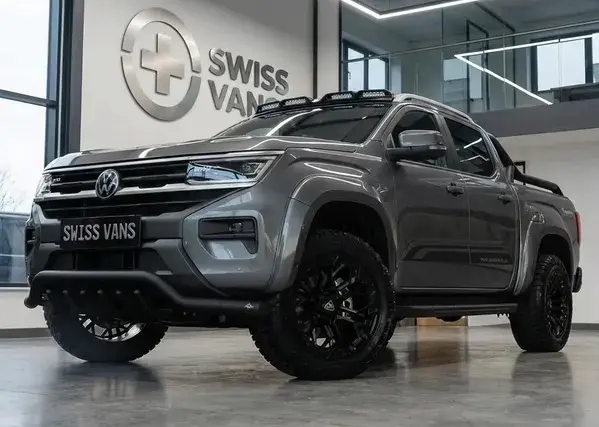


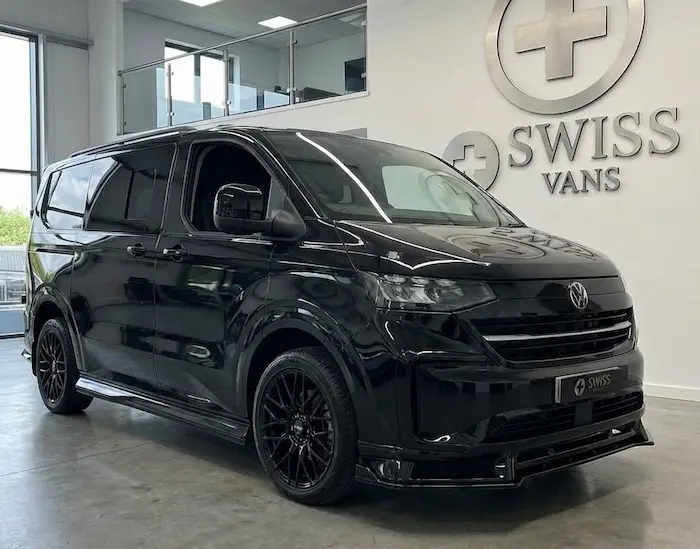
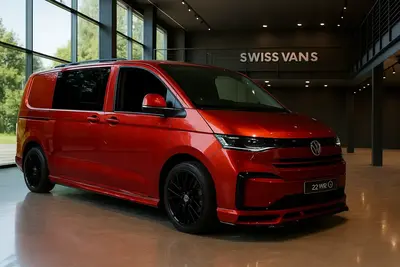


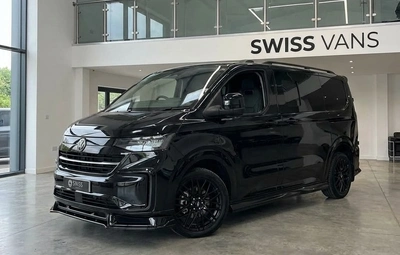
VW Van Lease
VW Van Lease Versatile
VW van and Ford Lease options have revolutionized the way businesses and individuals acquire commercial vehicles. With a wide range of models available, from the compact Caddy to the spacious Crafter, Volkswagen offers versatile solutions to meet diverse transportation needs. VW van lease deals provide an opportunity to access these reliable vehicles without the burden of full ownership, making it an attractive choice for those seeking flexibility and cost-effectiveness in their vehicle procurement strategy. Official site
This comprehensive guide explores the ins and outs of VW van leasing, covering everything from the leasing process to associated costs. It delves into the comparison between leasing and other financing options, offers valuable tips for securing the best VW van lease deals, and examines the benefits of options like VW van lease purchase and VW van lease contract hire. Whether you're considering a VW Transporter lease or exploring VW van lease offers in the UK, this article aims to equip you with the knowledge to make an informed decision about your next commercial vehicle acquisition.
Understanding VW Van Leasing
VW van leasing has become an increasingly popular option for businesses and individuals seeking cost-effective and flexible transportation solutions. This section explores the concept of VW van leasing, its benefits, and the types of vans available.
What is VW Van Lease?
VW van leasing is a method of acquiring a commercial vehicle without the need for full ownership. It allows businesses and individuals to drive the latest Volkswagen vans for a fixed monthly cost over an agreed period. Essentially, it's like renting a van for an extended time, typically ranging from two to five years.
The leasing process involves making an initial payment, often referred to as the "Initial Payment," followed by regular monthly payments for the duration of the lease contract. At the end of the lease term, the van is returned to the leasing company. This arrangement offers several advantages, particularly for businesses looking to manage their cash flow effectively.
Benefits of Leasing a VW Van
Leasing a VW van comes with numerous benefits that make it an attractive option for many:
Lower Monthly Payments: Compared to financing or buying a van outright, leasing often results in lower monthly payments. This can be particularly advantageous for businesses just starting out or those looking to manage their cash flow more effectively.
Access to New Vehicles: Leasing allows businesses to drive the latest VW van models, complete with the newest technology and safety features. This can help maintain a professional image and provide reliable transportation for employees.
Fixed Costs: With leasing, most costs are fixed and agreed upon upfront. This includes road tax, which is typically included in the monthly payment. Additionally, leasing a new van means avoiding unexpected repair and maintenance costs associated with older vehicles.
Tax Benefits: For businesses, cheap van leasing can offer significant tax advantages. Lease payments can often be deducted as a business expense on tax returns. VAT-registered businesses can reclaim up to 100% of the VAT on their lease contract.
Avoid Depreciation Concerns: One of the most significant costs of vehicle ownership is depreciation. With leasing, this risk is taken on by the finance company, allowing businesses to avoid the uncertainty of future resale values.
Flexibility: At the end of the lease term, businesses can simply return the van and choose a new model, providing the flexibility to adapt to changing business needs without the hassle of selling a used vehicle.
Types of VW Vans site Available for Lease
Volkswagen offers a diverse range of vans suitable for various business needs:
Volkswagen Caddy: A compact van ideal for urban deliveries and small businesses.
Volkswagen Transporter: A versatile mid-sized van known for its reliability and performance. It offers various configurations, including front-wheel drive, rear-wheel drive, or all-wheel drive options.
Volkswagen Crafter: A larger van suitable for businesses with significant cargo needs. It comes in three vehicle lengths and three roof heights, providing excellent versatility.
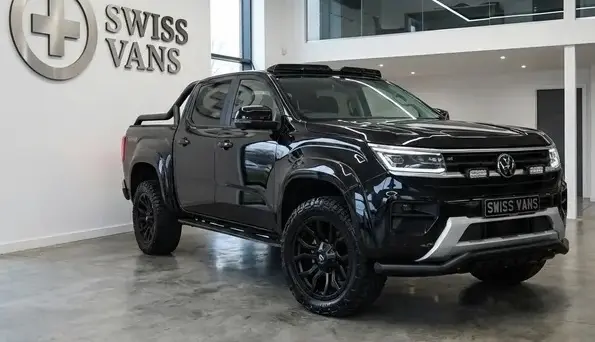
Volkswagen Amarok: A robust pickup truck that combines power with comfort, suitable for businesses requiring both cargo capacity and off-road capabilities.
These VW vans have gained popularity due to their low running costs, versatile designs, and implementation of advanced technology. They cater to a wide range of business needs, from compact urban delivery vehicles to spacious high-roof vans for larger cargo requirements.
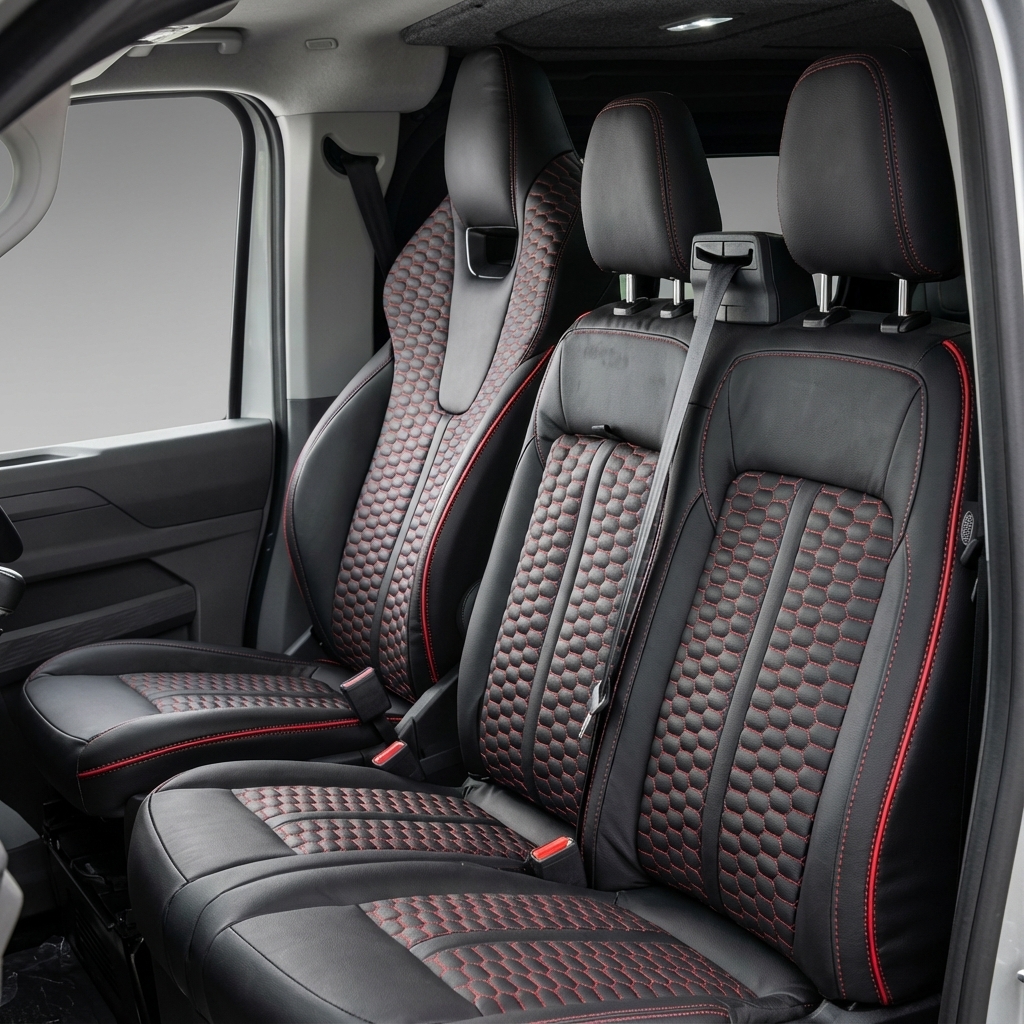
VW's commitment to safety is evident in features like the Automatic Post-Collision Braking System, Electronic Stabilization Program, and Traction Control System, which come standard in many models. Additionally, comfort features such as leatherette upholstery and optional heated seats in models like the Transporter ensure a pleasant driving experience.
The VW Van Leasing Process
Choosing the Right VW Van
The first step in the VW van leasing process involves selecting the appropriate vehicle for your business needs. Volkswagen offers a diverse range of vans, from the compact Caddy to the spacious VW Crafter, catering to various requirements. To make the right choice, businesses need to consider several factors:
Payload capacity: Determine the maximum load your van needs to carry safely. For instance, a bag of dry sand weighs about 1330kg per cubic meter, while a Euro pallet measures 1200mm x 800mm.
Load space: Calculate the required cargo area, usually measured in liters or square meters. Small tools might fit in a medium or small van, while transporting Euro pallets may necessitate a larger vehicle.
Access requirements: Consider how the load will be accessed. Heavy loads might require forklift access, while side access could be crucial for urban operations.
Passenger capacity: Determine the maximum number of passengers you'll need to transport. Some businesses may require additional seating for teams or family use.
Journey types: Assess whether your trips will be primarily short urban routes or long motorway journeys, as this affects the choice of van and its features.
Access restrictions: Take into account any potential limitations in your work areas, such as narrow streets or height restrictions.
Determining Lease Terms
Once you've chosen the right VW van, the next step is to determine the lease terms. This involves:
Initial payment: Decide on the amount you can afford as an upfront payment. Some leases allow for deposits as low as one monthly payment.
Lease duration: Choose the length of your agreement, typically ranging from two to five years.
Mileage allowance: Estimate your annual mileage accurately to avoid excess mileage charges at the end of the lease.
Additional options: Consider whether you need any extra features or higher trim levels for added comfort, especially if you spend long hours in the van.
Applying for a Lease
After determining your lease terms, you'll need to apply for the lease. This process typically involves:
Providing business details: Supply information about your company, including financial records and business history.
Credit check: The leasing company will perform a credit check to assess your financial stability.
Discussing options: Work with a lease consultant who can guide you through the process and help you understand the various lease options available.
Finalizing the VW Van Lease Agreement
The final stage of the VW van leasing process involves reviewing and signing the lease agreement. Key points to consider include:
Monthly payments: Ensure you understand the fixed monthly cost and what it includes (e.g., road tax).
End-of-lease options: Familiarize yourself with your choices at the end of the lease term, which may include returning the van, extending the lease, or potentially purchasing the vehicle.
Maintenance responsibilities: Clarify who has an obligation to maintain the van during the lease period.
Wear and tear guidelines: Understand the acceptable level of wear and tear to avoid additional charges when returning the vehicle.
Early termination clauses: Review any penalties or procedures for ending the lease early if your business needs change.
By following this process, businesses can secure a VW van lease that aligns with their specific requirements and budget constraints. VW van leasing offers a cost-effective and flexible solution for businesses seeking reliable transportation without the burden of full ownership.
Costs Associated with VW Van Leasing
Monthly Payments
The core of any VW van lease agreement is the monthly payment. These payments are often lower than those associated with purchasing a vehicle outright, making leasing an attractive option for businesses looking to manage their cash flow effectively. The amount of the monthly payment depends on several factors, including the specific VW van model chosen, the lease term, and the agreed-upon mileage allowance.
For example, a typical VW van lease might have 35 monthly rentals of £439.00, based on a 3-year, 10,000 mile per annum non-maintained Contract Hire agreement. This structure allows businesses to budget more accurately for their vehicle expenses.
Initial Deposit
The initial deposit, also known as the upfront payment or initial rental, is a crucial component of the lease agreement. This non-refundable payment is typically equivalent to 3, 6, or 9 monthly rentals and forms part of the hire agreement. It's usually payable within 7 to 14 days of delivery, though some providers may require it prior to delivery.
An important consideration is that a larger initial rental results in lower monthly payments. For businesses looking to minimize upfront costs, it's possible to lease a VW Transporter with a minimal deposit by setting the initial payment to just one month. However, this will increase the monthly payments.
Using the same example as before, a VW van lease might require a customer initial rental of £2,634.00. This upfront cost helps to reduce the overall monthly payments over the course of the lease.
Mileage Limits and Charges
When setting up a VW van lease, an annual mileage allowance is agreed upon at the start of the contract. This is a crucial aspect of the lease agreement as it helps lenders assess the residual value of the van at the end of the lease term.
Exceeding the agreed mileage limit incurs an excess mileage charge, typically calculated per mile over the agreed limit. For instance, a VW van lease might have an excess mileage charge of 7.2p per mile.
It's important to be realistic when estimating your annual mileage. If you think you might exceed the limit, it's possible to adjust your agreement to avoid paying extra costs, though this is at the discretion of the lender and should be done well in advance.
Maintenance and Repair Costs
While a manufacturer's warranty is included for brand-new VW vans being leased, many businesses opt for additional maintenance packages for peace of mind. These packages are designed to cover a range of potential issues beyond the standard warranty.
For a fixed monthly fee, a maintenance package can cover:
All scheduled servicing and routine maintenance
Mechanical repairs or replacements
Electrical repairs or replacements
Tire replacements (excluding damage through driver misuse)
Replacement of items due to normal wear and tear
MOT Tests (from three years onwards)
A dedicated driver line booking number
It's worth noting that even with a maintenance package, the driver has a responsibility for the upkeep of the leased van. The van should function well and pass its MOT on its return, which is required after the first three years of use.
For those who prefer more flexibility, Volkswagen offers the option to pay for services as and when needed. Their National Service Pricing ensures consistent costs across all Van Centers, covering services such as oil and filter changes, full vehicle road tests, and diagnostic health checks.
By understanding these costs associated with VW van leasing, businesses can make informed decisions about their vehicle procurement strategy, balancing upfront costs with ongoing expenses to find the most cost-effective solution for their needs.
Comparing VW Van Leasing to Other Options
When considering a commercial vehicle for business use, there are several options available. VW van leasing has become increasingly popular, but it's essential to understand how it compares to other alternatives. Let's explore the pros and cons of VW van leasing versus buying, renting, and leasing from other brands.
VW Van Leasing vs. Buying
Leasing a VW van offers several advantages over buying:
Lower upfront costs: Leasing typically requires a smaller initial payment compared to the substantial capital needed to purchase a van outright.
Fixed monthly payments: Leasing allows for easier budgeting with set monthly costs, helping businesses manage cash flow more effectively.
Access to newer models: With leasing, businesses can drive the latest VW van models every few years, benefiting from the newest technology and safety features.
Reduced maintenance concerns: New leased vans are often covered by manufacturer warranties, potentially reducing maintenance costs.
Tax benefits: VAT-registered businesses can reclaim VAT on lease payments and claim them as tax-deductible expenses.
However, buying a van also has its merits:
Ownership: The van becomes a valuable business asset.
No mileage restrictions: Unlike leasing, there are no limitations on annual mileage.
Customization: Owners have the freedom to modify the van for specific business needs.
VW Van Leasing vs. Renting
While both leasing and renting involve temporary use of a vehicle, they differ in several key aspects:
Contract length: Leasing typically involves longer-term agreements (2-3 years), while renting is more flexible, ranging from daily to weekly or monthly terms.
Cost-effectiveness: For businesses needing a van for extended periods, leasing often proves more cost-effective than long-term renting.
Vehicle condition: Leased vans are usually brand new, whereas rental vans may have varying degrees of wear and tear.
Availability: Renting offers immediate access to vehicles, while leasing may involve a waiting period of 3-4 months for delivery.
VW Van Leasing vs. Other Brands
When considering VW van leasing, it's worth comparing it to options from other manufacturers:
Brand reputation: Volkswagen is known for its reliability and build quality, which can be a significant factor for businesses.
Model range: VW offers a diverse range of vans, from the compact Caddy to the spacious Crafter, catering to various business needs.
Residual value: VW vans often retain their value well, which can result in more favorable lease terms compared to some other brands.
Running costs: VW vans are known for their fuel efficiency and low maintenance costs, potentially offering long-term savings.
Lease terms: It's essential to compare lease deals across brands, as some may offer more competitive rates or flexible terms.
When making a decision, businesses should consider their specific needs, financial situation, and long-term goals. While VW van leasing offers numerous benefits, including lower monthly payments, access to new vehicles, and reduced maintenance concerns, it's crucial to weigh these against the advantages of buying or renting. Factors such as mileage requirements, desired level of customization, and length of vehicle need should all play a role in the decision-making process. By carefully evaluating these options, businesses can choose the most suitable solution for their commercial vehicle needs.
Tips for Getting the Best VW Van Lease Deal
Research and Compare Offers
To secure the best VW van lease deal, it's crucial to start by researching and comparing various offers. Take the time to explore different leasing companies and their proposals. This approach allows you to gain a comprehensive understanding of the market and the available options. By gathering multiple offers, you'll be better equipped to negotiate favorable terms and find the most cost-effective solution for your needs.
When comparing lease options, consider factors such as lease terms, monthly payments, mileage allowances, and any additional services included. Pay close attention to the total cost of the lease, not just the monthly payment. This broader perspective will help you make a more informed decision and ensure you're getting the best value for your money.
Negotiate Terms
Once you've gathered information on various lease offers, it's time to negotiate. Don't hesitate to reach out to multiple leasing companies and let them know you're considering various options. This approach can encourage them to provide more attractive terms.
When negotiating, focus on the overall cost of the lease rather than just the monthly payment. Consider factors such as the down payment, interest rates, and additional fees. Be prepared to walk away if the terms aren't favorable, as this demonstrates that you're a serious and informed consumer.
Consider Timing
Timing can play a significant role in securing a great VW van lease deal. Towards the end of the month or quarter, leasing companies may be more motivated to close deals and achieve their sales targets. Use this to your advantage by negotiating during these periods.
Additionally, keep an eye out for seasonal promotions and special offers. Black Friday and Cyber Monday are common sale days that can offer significant discounts on car leases. March and September are also key dates in the UK when new registration plates are released. Leasing around these months could mean you're among the first to have the new reg plates.
Conversely, in the months leading up to March and September, you may find special offers on current vehicles that are due to be succeeded by updated models. These lease deals still offer all the main leasing benefits but with the added bonus of reduced monthly installments.
Read the Fine Print
Before finalizing any VW van lease deal, it's crucial to carefully read and understand the terms and conditions outlined in the lease agreement. Pay close attention to details such as:
Mileage limitations
Maintenance responsibilities
Early termination penalties
Additional fees
Understanding these aspects will help you avoid unexpected costs and legal complications in the future. Be sure to clarify any points you're unsure about with the leasing company before signing the agreement.
By following these tips, you'll be well-equipped to secure the best VW van lease deal that suits your needs and budget. Remember, thorough research, effective negotiation, strategic timing, and a clear understanding of the lease terms are key to getting the most value out of your VW van lease.
VW Van lease Conclusion
VW van leasing has a significant impact on the way businesses and individuals acquire commercial vehicles. It offers a blend of flexibility, cost-effectiveness, and access to the latest models, making it an attractive option for many. The process of leasing a VW van, from choosing the right vehicle to finalizing the agreement, allows businesses to tailor their transportation solutions to their specific needs.
To get the best deal, it's crucial to compare offers, negotiate terms, and time your lease strategically. By understanding the costs involved and weighing the benefits against other options like buying or renting, businesses can make informed decisions about their vehicle procurement strategy. In the end, VW van leasing provides a practical solution for those looking to balance their transportation needs with financial considerations.
VW Van lease FAQ
What are some potential drawbacks of leasing a van?
Leasing a van can have several disadvantages, including restrictions on mileage, lack of ownership, and potentially higher costs over the long term. It's crucial to evaluate both the advantages and disadvantages to decide if leasing is suitable for your business needs.
How does van leasing work?
Van leasing operates similarly to renting but over a longer duration. You start with a small initial payment, followed by regular monthly payments throughout the lease term. At the end of the lease, you return the van.
What are the tax advantages of leasing a van for business purposes?
Leasing a van for business has specific tax benefits. For tax purposes, leasing a van is treated similarly to renting one. The payments made under a van lease are fully deductible as business expenses on your profit and loss accounts.
Is it advisable to lease a work van?
Leasing a work van can be beneficial as it generally involves lower monthly payments compared to buying a van outright. This arrangement can help improve cash flow for your business, making it a cost-effective option since you are only paying for the van's use during the lease term rather than the full purchase price.