Business & personal lease
Small Van Leasing
Compare the best van lease deals in the UK. Swiss Vans offers flexible van leasing for businesses and sole traders — new stock, competitive monthly rates, and expert advice since 2005.
Products
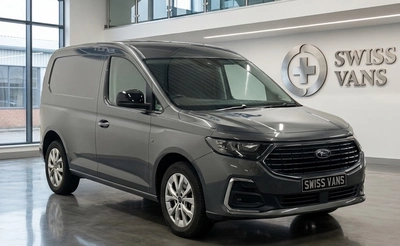


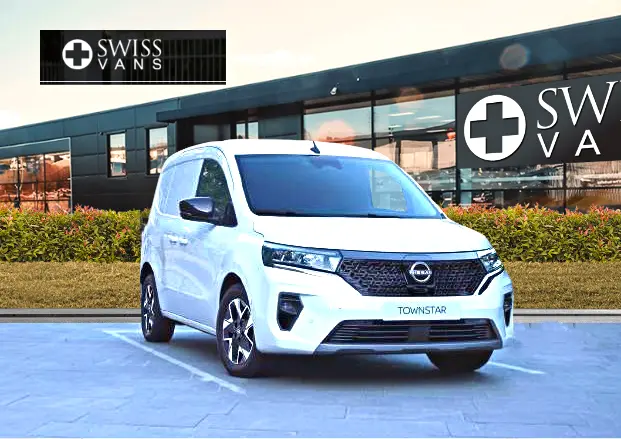
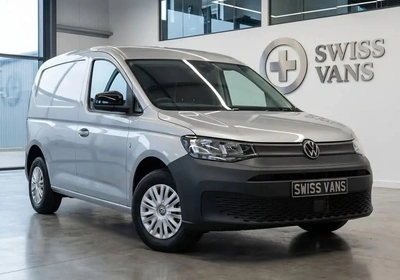
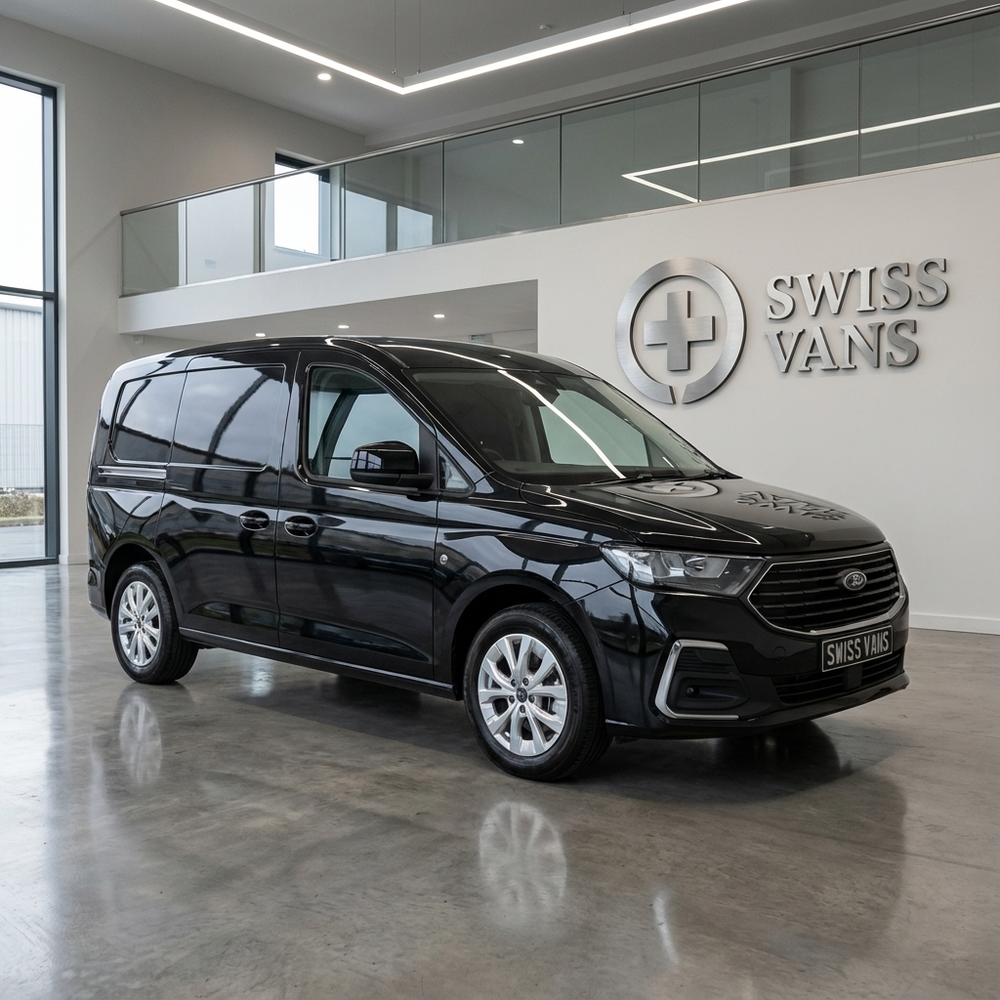
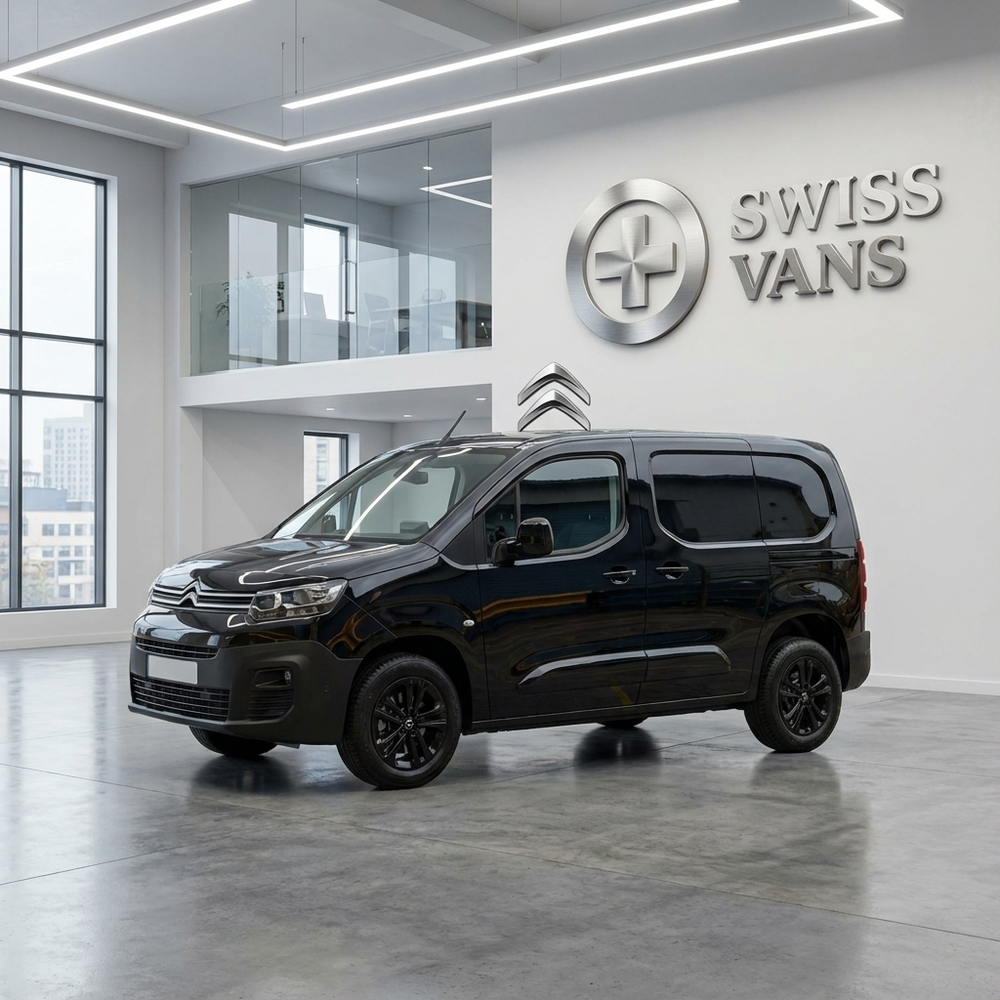
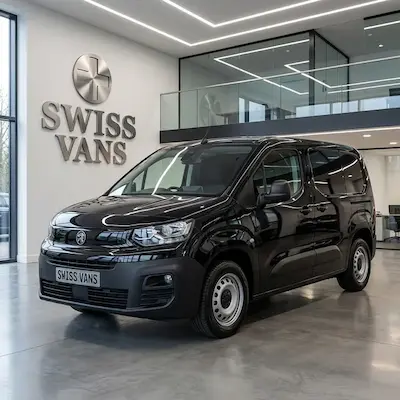

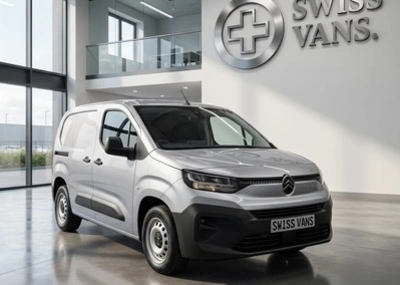

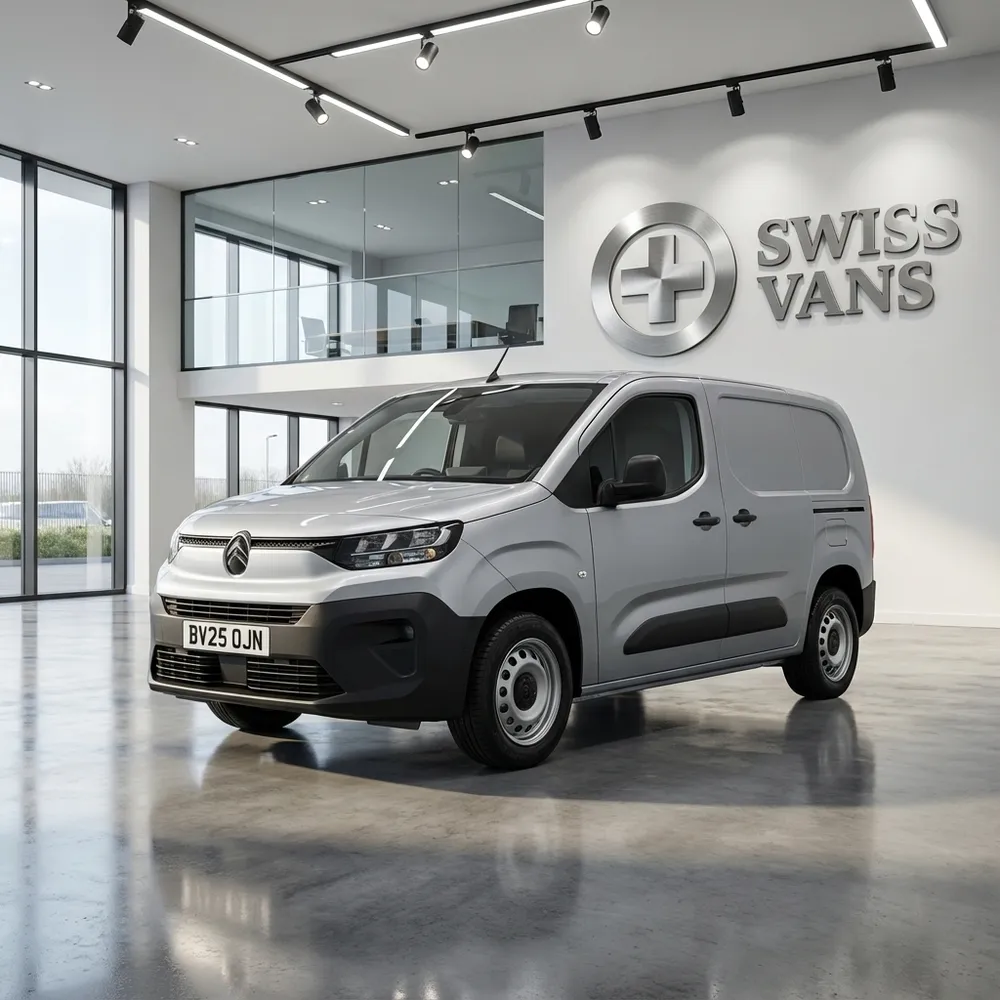

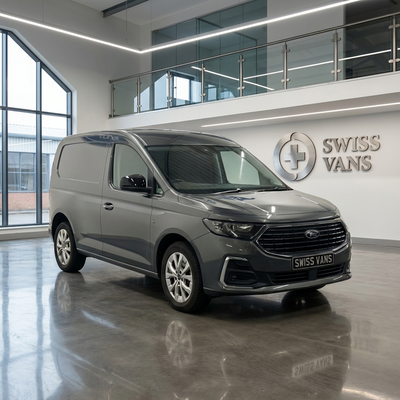


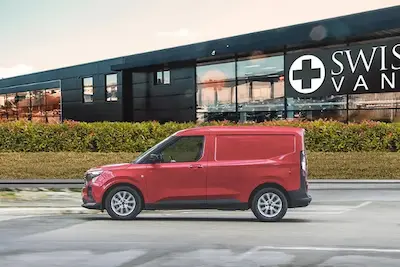
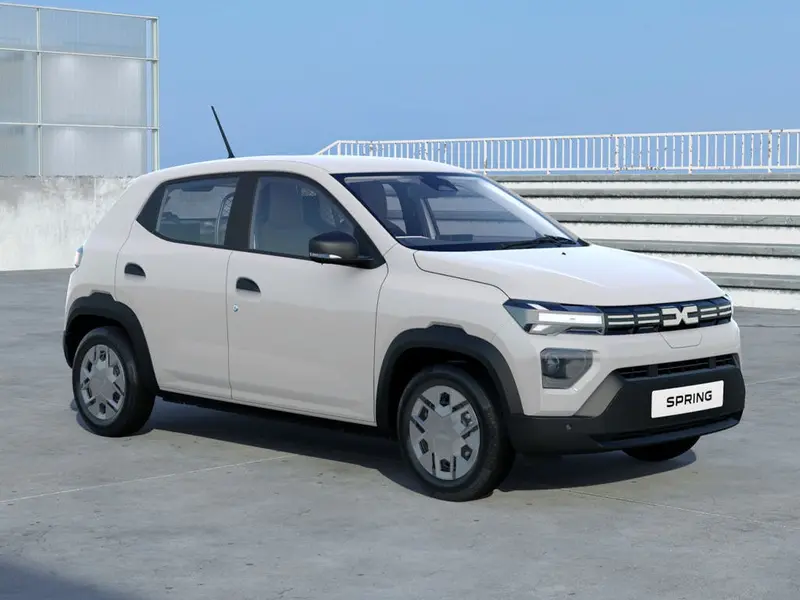
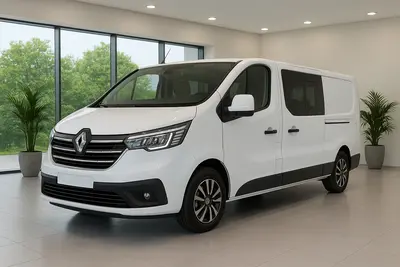
Small Van Lease : Everything
Small van leasing has become an ideal solution for businesses and individuals seeking flexible transportation options. With a great range of small van lease deals available, it's easier than ever to find a vehicle that meets specific needs without the long-term commitment of ownership If you'd rather avoid a large upfront cost, see our small van lease with no deposit options.. This hassle-free approach to acquiring a commercial vehicle has gained popularity due to its tax benefits and the convenience of predictable monthly payments. See All Small Vans
For those considering a small van lease, there are several factors to take into account. From choosing the right size and model to understanding the terms of vehicle contracts, this guide will cover everything one needs to know about small van leasing. We'll explore the types of vans available for lease, the leasing process itself, and important considerations such as excess mileage and end-of-contract obligations. Whether you're looking for a small van lease near you or browsing options across the UK, this comprehensive overview will help you make an informed decision. See all van lease deals

What is Small Van Lease?
Compact Van Lease Options
Small van leasing, also known as Business Contract Hire, is a long-term rental agreement that allows businesses to use a small commercial vehicle for a set period without the commitment of ownership. This arrangement has gained popularity among businesses of all sizes due to its flexibility and cost-effectiveness. Essentially, it involves renting a van over an extended period, typically ranging from one to five years, with the lessee paying a monthly fee for the duration of the contract. See all van leasing
How Small Van Leasing Works
The process of small van leasing is straightforward and designed to be hassle-free for businesses. Here's how it typically works:
- Initial Payment: At the start of the lease, the lessee makes an initial rental payment. This amount is usually smaller compared to deposits required for other types of van finance deals.
- Monthly Payments: Following the initial payment, the lessee makes fixed monthly payments for the agreed-upon term, which can be 2, 3, or 4 years.
- Mileage Agreement: The lease contract includes an agreed-upon annual mileage limit. This factor influences the monthly cost, and exceeding this limit may result in additional charges.
- Vehicle Use: During the lease period, the business has exclusive use of the van, allowing them to transport goods, equipment, or make deliveries as needed.
- End of Contract: When the lease term ends, the van is returned to the leasing provider. At this point, the lessee can choose to lease another vehicle or explore other options. See large van Lease
Benefits of Small Van Leasing
Small van leasing offers numerous advantages for businesses, making it an attractive option for many:
- Low Initial Costs: Leasing requires minimal upfront investment, helping businesses avoid large capital expenditures and preserve cash flow.
- Fixed Monthly Payments: The predictable monthly costs make budgeting and financial planning easier for businesses.
- Access to New Vehicles: Leasing allows businesses to drive the latest van models, benefiting from new technologies, improved fuel efficiency, and enhanced safety features.
- Flexibility: Lease terms can be tailored to meet specific business needs, with options for duration and mileage limits.
- Reduced Maintenance Concerns: Most leased vans are new, covered by manufacturer warranties, and don't require MOT tests for the first three years, reducing maintenance worries
- Tax Benefits: For VAT-registered businesses, there's potential to reclaim up to 100% of the VAT on lease payments and maintenance costs.
- No Depreciation Risk: The leasing company bears the burden of vehicle depreciation, eliminating this financial concern for the lessee.
- Improved Cash Flow Management: With lower monthly payments compared to loan repayments for purchasing a van, businesses can better manage their cash flow.
- Option to Include Additional Services: Many lease agreements offer the possibility to include maintenance, servicing, and even replacement tires in the monthly fee, further simplifying vehicle management.
- Regular Fleet Updates: Leasing allows businesses to regularly update their vehicle fleet, maintaining a professional image and ensuring access to the latest van technologies. See Hybrid Van Lease
By offering these benefits, small van leasing provides an ideal solution for businesses seeking flexible, cost-effective transportation options without the long-term commitment and financial implications of van ownership.
Types of Small Vans Available for Lease
The small van market offers a diverse range of options to suit various business needs. From traditional diesel and petrol models to the latest electric and hybrid variants, there's a small van for every purpose. This section explores the popular models, electric options, and cargo capacities available in the small van leasing market. See small vans for sale
Popular Small Van Models
Small vans have evolved significantly over the years, offering improved payload capacities and more car-like driving experiences. Some of the most sought-after models include: See all VW Van Lease deals
- Ford Transit Connect: Known for its car-like handling and corner-hugging abilities, the Transit Connect offers a payload of up to 876kg. It provides a maximum load volume of 2.9 cubic meters with an internal load length exceeding 1.7m.
- Volkswagen Caddy: As one of the newest vans in the category, the Caddy boasts modern features and technology. While it has a lower payload of 700kg, it compensates with excellent driving dynamics and advanced features.
- Renault Kangoo: This versatile van offers a payload of nearly a ton, making it an excellent choice for businesses requiring higher carrying capacity. The new Kangoo provides this impressive payload on its longer body version, allowing for larger loads.
- Citroen Berlingo, Peugeot Partner, and Vauxhall Combo: These vans share the same platform and offer similar features. They provide payloads of up to 1,000kg and a maximum load volume of 3.3 cubic meters, with an internal loading bay length exceeding 1.8m.
- Fiat Doblo: Despite its age, the Doblo remains a strong contender with the highest payload in the sector at 1,005kg. It offers numerous body style options and a larger-than-average loading bay for its class.
Electric Small Van Options
With the growing emphasis on environmental consciousness, electric small vans have gained popularity. Some notable electric options include: See all Ford Van Leasing
- Renault Kangoo ZE: This electric version of the popular Kangoo offers zero tailpipe emissions without compromising on practicality.
- Nissan e-NV200: A versatile electric van with a decent range and payload capacity.
- Maxus e-Deliver 3: An affordable electric option with a good payload and nippy electric engines.
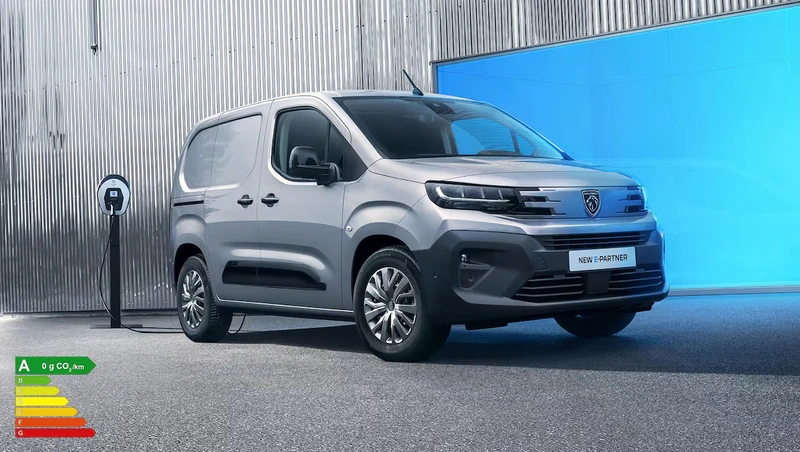
- Peugeot e-Partner, Citroen e-Berlingo, and Vauxhall Combo-e: These electric variants of their diesel counterparts offer similar practicality with the benefits of electric propulsion.
For businesses not ready to transition to fully electric vans, hybrid options like the Ford Transit Custom Plug-in Hybrid provide a middle ground, combining the benefits of both electric and conventional powertrains. See Electric Van Lease
Cargo Capacity Comparison Small Van Lease
When choosing a small van, cargo capacity is a crucial factor. Here's a comparison of some popular models:
- Fiat Doblo: Offers the largest load volume at 5 cubic meters and a maximum internal length of over 2m.
- Citroen Berlingo, Peugeot Partner, Vauxhall Combo: Provide 3.3 cubic meters of load volume with an internal length exceeding 1.8m.
- Ford Transit Connect: Features 2.9 cubic meters of load volume and an internal length of over 1.7m.
- Renault Kangoo and Nissan NV250: Offer an impressive 4 cubic meters of load volume and a maximum internal length of over 2.1m.
- Volkswagen Caddy: Provides 3.2 cubic meters of load volume with an internal length of over 1.7m.
It's important to note that while some vans offer high payloads, they may have limitations in terms of physical load size. Businesses should consider both payload and load volume when selecting the most suitable small van for their needs. See Land Rover Defender Lease
Factors to Consider When Leasing a Small Van
When considering a small van lease, businesses need to evaluate several key factors to ensure they choose the right vehicle and lease agreement for their needs. These considerations range from financial aspects to operational requirements and contractual terms.
Budget and Costs
The financial implications of leasing a small van are a primary concern for most businesses. Leasing often provides a cost-effective solution with lower initial costs compared to purchasing a van outright. However, it's crucial to consider the following:
- Monthly Payments: Ensure the lease payments fit within your budget, taking into account the required initial deposit and any administration fees.
- Running Costs: Small vans are generally cheaper to run than their larger counterparts, offering better fuel efficiency and lower maintenance costs.
- Tax Benefits: For VAT-registered businesses, there's potential to reclaim up to 100% of the VAT on lease payments and maintenance costs, which can significantly reduce overall expenses.
- No Depreciation Risk: With leasing, the company providing the van bears the burden of depreciation, eliminating this financial concern for the lessee.
Business Needs
Selecting the right van for your business operations is crucial. Consider the following aspects:
- Cargo Space: Identify the size and volume of goods you'll be transporting regularly. This will help determine the type and size of the van you need. Small vans typically offer load volumes ranging from 2.9 to 5 cubic meters.
- Payload Capacity: Ensure the van you choose can handle the weight of your goods without compromising performance or safety. Small vans can offer payloads of up to 1,000kg, depending on the model.
- Frequency of Use: Determine how often you'll be using the van, as this will influence the ideal mileage allowance in your lease agreement.
- Operating Environment: If your business operates primarily in urban areas, a small van's compact size and maneuverability can be advantageous. Models like the Ford Transit Connect or Volkswagen Caddy are ideal for navigating through traffic and tight spaces.
- Additional Features: Consider any specific features your business might require, such as advanced in-car technology or particular configurations for specialized equipment.
Lease Terms and Mileage Allowance
The terms of your lease agreement can significantly impact your business operations and finances. Key considerations include:
- Lease Duration: Choose a contract length that aligns with your business needs and growth projections. Shorter leases provide flexibility, while longer leases typically result in lower monthly payments. Most small van leases range from two to five years.
- Mileage Allowance: Estimate your annual mileage accurately to avoid excess mileage charges. Keep in mind that leasing companies may offer higher mileage allowances for an increased monthly fee. Most van lease agreements include mileages from 10,000 to 30,000 miles per year.
-
- Finance Lease: With this arrangement, you pay monthly installments over a set period, after which you can either continue leasing the van at a reduced rate or sell it to a third party to settle the outstanding balance.
- Contract Hire: This allows you to lease the van for a fixed period with an agreed mileage limit. At the end of the contract, you simply return the vehicle.Lease Type: Consider different leasing options:
- Finance Lease: With this arrangement, you pay monthly installments over a set period, after which you can either continue leasing the van at a reduced rate or sell it to a third party to settle the outstanding balance.
- Maintenance and Servicing: Some lease agreements offer the option to include maintenance packages. This can help manage costs and ensure the van remains in good condition throughout the lease term.
- Early Termination: Understand the terms and potential costs associated with ending the lease early, as business needs can change unexpectedly.
By carefully considering these factors, businesses can make informed decisions when leasing a small van, ensuring they choose a vehicle and agreement that best suits their operational needs and financial situation.
The Small Van Leasing Process
The small van leasing process involves several steps, from selecting the right vehicle to finalizing the lease agreement and receiving the van. This process is designed to be straightforward and hassle-free for businesses looking to acquire a small van without the long-term commitment of ownership.
Choosing a Van
The first step in the small van leasing process is selecting the right vehicle for your business needs. Small vans, also known as city vans, are compact panel vans that offer a balance between maneuverability and cargo capacity. They typically have load dimensions of around 1.7 meters in length, 1.5 meters in width, and 1.2 meters in height, making them ideal for businesses operating in urban environments.
When choosing a small van, consider factors such as:
- Payload capacity: Small vans can carry between 600kg to almost 1,000kg, depending on the model.
- Load space: These vans offer surprisingly large load spaces, with some models providing up to 4.40 cubic meters of volume.
- Fuel efficiency: Small vans are generally more economical to run than larger models.
- Maneuverability: Look for vans with good turning circles, which is crucial for city driving.
- Additional features: Consider options like sliding side doors, rear loading doors, and safety features.
Popular small van models available for lease include the Citroen Berlingo, Peugeot Partner, Renault Kangoo, and Ford Transit Connect. Some leasing companies also offer electric options, such as the Mercedes-Benz eVito, which can provide additional benefits like reduced tax bills and lower running costs.
Applying for A Small Van Lease
Once you've selected a suitable van, the next step is to apply for the lease. This process typically involves:
- Choosing a lease type: Options usually include business contract hire or finance lease agreements.
- Determining lease duration: Most small van leases range from two to five years.
- Setting mileage allowance: Estimate your annual mileage accurately to avoid excess charges. Typical allowances range from 10,000 to 30,000 miles per year.
- Deciding on initial payment: While you can't avoid an initial payment, some companies offer low initial rental deals, equivalent to one month upfront.
To apply, you'll need to provide necessary documentation and undergo a credit check. It's worth noting that personal leasing options are available for sole traders, partnerships, and limited companies that have been trading for less than two years or have previously been denied vehicle finance.
Lease Approval and Delivery
After submitting your application, the leasing company will review it and make a decision. If approved, you'll receive the lease agreement to review and sign. Key points to consider in the agreement include:
- Monthly payments
- Mileage limits
- Maintenance responsibilities
- End-of-lease options
Once the agreement is signed, the delivery process begins. Delivery lead times can vary depending on the manufacturer and model. Vans marked as "in stock" are usually available within four to six weeks, while factory orders can take anywhere from two weeks to six months.
Many leasing companies offer free mainland UK delivery, bringing the van directly to your specified location. Upon delivery, it's important to:
- Inspect the van thoroughly
- Note any issues on the delivery document
- Familiarize yourself with the vehicle's features and operation
If you're not satisfied with any aspect of the vehicle, such as a mistake in the specification, reputable leasing companies promise to address and rectify the situation quickly.
By understanding and following this process, businesses can efficiently acquire a small van that meets their needs through a flexible and cost-effective leasing arrangement.
Maintaining Your Leased Small Van
Regular Maintenance Requirements
Proper maintenance of a leased small van is crucial for ensuring its longevity and optimal performance. As part of the lease agreement, lessees are responsible for keeping the vehicle in good condition according to the manufacturer's guidelines. This includes adhering to the recommended service schedule, which typically involves two types of services: full and interim.
A full service is usually required annually or at a specific mileage point, such as every 12,000 miles or 12 months, whichever comes first. An interim service, on the other hand, is recommended bi-annually or at shorter mileage intervals, like every 6,000 miles or 6 months. These services help maintain the van's efficiency, safety, and reliability while potentially saving money on fuel and repairs in the long run.
Regular maintenance tasks include checking and topping up fluid levels weekly, such as oil and coolant. The RAC recommends this practice not only for safety reasons but also to prevent engine damage, which can be costly to repair. Familiarizing oneself with the van's manual and specific maintenance routines is advisable, as each vehicle has its unique requirements.
Repairs and Warranties
Most leased small vans come with a manufacturer's warranty, which covers major mechanical and electronic components for a specified period or mileage limit. This warranty typically includes protection for the engine, transmission system, fuel and ignition systems, cooling system, electrical items, gearbox, steering, suspension, and brake system parts.
However, it's important to note that warranties generally exclude wear and tear items such as brake linings, clutch wear due to driving style, tires, exhaust systems, and wiper blades. Additionally, damage to bodywork, paintwork, glass, headlights, and audio equipment is usually not covered.
To maintain warranty coverage, lessees must follow specific guidelines:
- Adhere to the manufacturer's scheduled services
- Use approved garages for repairs and maintenance
- Avoid unauthorized modifications
- Use approved fuel, lubricants, and parts
If a fault develops during the warranty period, lessees should contact their leasing company or the manufacturer directly for guidance on the next steps. Repairs should be carried out at an approved dealership to ensure warranty compliance.
End of Lease Considerations
As the lease term approaches its end, proper preparation is essential to avoid additional charges and ensure a smooth transition. Here are some key considerations:
- Inspect the exterior and interior for any damage beyond normal wear and tear.
- Have the van professionally cleaned to make a good impression.
- Remove all personal items from the vehicle.
- Organize necessary paperwork, including lease documents, service history, and maintenance records.
When returning the van, it will undergo a thorough inspection. The leasing company will check for excessive damage, ensuring that the vehicle's condition aligns with the fair wear and tear guidelines. These guidelines typically allow for minor scratches, small dents, and slight wear on upholstery, but significant damage or excessive wear may result in additional charges.
If the van has sustained damage, it's crucial to inform the leasing company and insurer promptly. They can provide guidance on the best course of action, which may involve using their preferred body shops for repairs.
Lastly, if the lessee has exceeded the agreed-upon mileage limit, they should contact the leasing company to discuss the implications. Usually, this results in an additional charge calculated on a pence-per-mile basis. Some companies may offer the option to increase the mileage limit during the lease term, potentially saving money on excess mileage fees.
Conclusion
Small van leasing has a significant impact on businesses seeking flexible and cost-effective transportation solutions. This guide has explored the ins and outs of the leasing process, from choosing the right vehicle to understanding maintenance requirements and end-of-lease considerations. By weighing factors such as budget, business needs, and lease terms, companies can make informed decisions that align with their operational goals and financial capabilities.
As the small van market continues to evolve, with new models and electric options becoming available, leasing offers a way to stay current with the latest advancements without the long-term commitment of ownership. Whether you're a small business owner or part of a larger fleet, small van leasing provides an opportunity to enhance your operations, manage costs effectively, and adapt to changing business needs. By understanding the leasing process and considering the factors outlined in this guide, you'll be well-equipped to make the most of your small van lease.
FAQs
How does the financing for a van lease operate?
Van leasing functions similarly to a long-term rental agreement, providing exclusive use of a van or truck for a specified duration. Initially, the lessee makes a payment, followed by monthly payments over a period typically spanning 2, 3, or 4 years.
What is the typical duration of a van lease?
Van leases commonly last for 24, 36, or 48 months. Each duration offers specific benefits and considerations that should be evaluated prior to making a decision.
What documentation is necessary to lease a van?
To lease a van for business purposes, you will need to provide the owner's valid identification (such as a passport or driving license), details of the business director, business information including address, status, registration number, and VAT, along with proof of the annual net income or a bank statement from the past three months.
What are the potential drawbacks of leasing a van?
Leasing a van can have several disadvantages, including mileage limitations, lack of ownership, and potentially higher costs over the long term. It is crucial to consider these factors to determine whether leasing is the best option for your business needs.