 Call us on
 Ford Transit Connect Lease
2.0 EcoBlue 102ps Trend Van


Why Swiss Vans
Build your lease
Flexible Ford Transit Connect Leasing for Modern Businesses
When it comes to acquiring a Ford Transit Connect Lease, businesses and individuals face a crucial decision: to lease or to buy. This versatile commercial van has gained popularity for its compact size and impressive cargo capacity, making it an attractive option for various industries. However, the financial implications of leasing versus buying can significantly impact a company's bottom line or an individual's budget.
The choice between a Ford Transit Connect lease and purchase involves several factors to consider. From Ford Transit Connect lease deals and finance options to the vehicle's price and depreciation, each aspect plays a role in determining the most cost-effective solution. This article will explore the pros and cons of leasing and buying, examine financial considerations such as residual value and total cost of ownership, and discuss the flexibility of lease terms and mileage limits. By weighing these factors, readers can make an informed decision that aligns with their specific needs and financial goals. See New Transit Connect
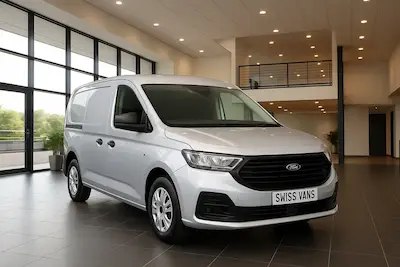
Overview of the Ford Transit Connect
The Ford Transit Connect has established itself as a versatile and popular compact van in the commercial vehicle market. This model has been a staple for businesses and individuals alike, offering a blend of practicality, efficiency, and adaptability. The Transit Connect has undergone significant updates since its introduction in 2013, with a notable facelift in 2018 that has kept it competitive against more modern rivals. See Ford Transit Connect Urban
Compact Lease Options
The Transit Connect boasts a range of features that cater to various business needs. Its compact size makes it ideal for urban environments, while still offering impressive cargo capacity. The van's cabin is designed with a focus on comfort and functionality, featuring a smart, car-like interior that doesn't compromise on practicality. Ford's Sync 3 touchscreen system is available, providing advanced connectivity options for drivers who require modern technology on the go. See Ford Transit Connect 2024 One of the standout features of the Transit Connect is its range of efficient powertrains. The vehicle offers a choice of four engines, including a rare petrol option in the van sector. The diesel engines, which are the most popular, come in 1.5-liter variants with power outputs of 75PS, 100PS, and 120PS. The 100PS option is particularly well-suited for all-round use, offering a balance of power for both long-distance motorway trips and urban deliveries. See Ford Transit Connect Sport
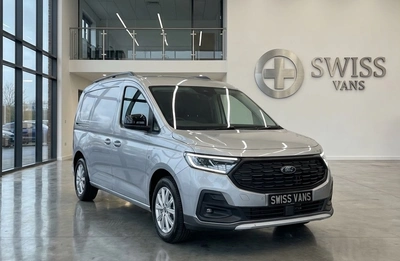
Available Models
The Ford Transit Connect comes in various configurations to suit different needs:
- Panel Van: The standard option for businesses requiring maximum cargo space.
- Crew Cab: Features a second row of seats, accommodating up to five passengers.
- Kombi: Available in five or seven-seat configurations, ideal for taxi services or large families.
The van is offered in two lengths, L1 and L2, providing flexibility in terms of cargo capacity. The L2 model offers an increased load volume, making it suitable for businesses with higher cargo requirements. See Ford Transit Connect Accessories
Target Market Ford Transit Connect Lease
The Ford Transit Connect appeals to a wide range of customers, from small businesses to city-based fleets. Its versatility makes it an attractive option for various industries, particularly those requiring a compact van with impressive cargo capacity. For businesses focused on urban deliveries or last-mile logistics, the Transit Connect's maneuverability and efficient engines make it an ideal choice. The petrol engine option is particularly suited for businesses primarily operating in urban environments, though it may not be as economical for long-distance journeys. The Kombi versions expand the Transit Connect's appeal to the taxi industry and businesses requiring the transport of both passengers and cargo. The flexible seating concept in the Kombi models allows for quick conversion between passenger and cargo configurations, enhancing its utility for dual-use customers. Ford Pro support further enhances the Transit Connect's appeal to business customers. This comprehensive package includes software solutions, servicing options, and flexible finance plans, making it easier for businesses to manage their fleet effectively. The dedicated fleet solution for telematics is particularly valuable for companies looking to optimize their operations and reduce costs. In conclusion, the Ford Transit Connect continues to be a highly competitive option in the compact van market. Its combination of practicality, efficiency, and adaptability, coupled with Ford's comprehensive support services, makes it an attractive choice for a wide range of businesses and individual users. See Ford Transit Connect PHEV
Leasing vs Buying: Pros and Cons
When considering a Ford Transit Connect for business purposes, the decision between leasing and buying can significantly impact financial strategies and operational flexibility. Both options have their merits and drawbacks, which need careful consideration. See Transit Connect Review
Advantages of Leasing
Leasing a Ford Transit Connect offers several benefits for businesses. One of the primary advantages is the fixed monthly cost, which allows for better budgeting and cash flow management. This predictability in expenses can be particularly beneficial for small businesses or startups. Additionally, leasing typically requires a lower initial cash outlay compared to purchasing, helping to preserve capital for other operational needs. Another significant advantage of leasing is the ability to drive newer models regularly. This means businesses can access the latest features and technologies without the long-term commitment of ownership. For companies that prioritize presenting a professional image or require up-to-date transportation, this can be a valuable asset. Leasing also eliminates concerns about depreciation. The monthly lease payments cover the predicted depreciation over the lease term, shifting this financial risk to the leasing company. Furthermore, maintenance and repair costs are often covered by the manufacturer's warranty during the lease term, potentially saving businesses from unexpected expenses. See Electric Version
Disadvantages of Leasing
Despite its advantages, leasing has some drawbacks. The most notable is the lack of ownership. At the end of the lease term, the business does not have an asset to sell or trade-in for value. This can be a disadvantage for companies looking to build equity in their vehicles. Leasing agreements often come with mileage restrictions, which can result in additional charges if exceeded. This can be problematic for businesses with unpredictable or high-mileage needs. Additionally, leasing agreements may limit customization options, which can be restrictive for businesses requiring specific modifications to meet operational needs.
Benefits of Buying
Purchasing a Ford Transit Connect outright has its own set of advantages. The most obvious benefit is ownership. When a business buys a van, it becomes an asset that can be customized, used without restrictions, and eventually sold or traded in. Over time, buying can be more cost-effective than leasing, especially for businesses planning to use the van for an extended period. Once the vehicle is paid off, the business no longer has monthly payments, potentially resulting in significant long-term savings. Ownership also provides tax benefits. Businesses can claim 100% of the van's cost as capital allowances, potentially reducing corporation tax. Additionally, there's flexibility in terms of usage, with no mileage restrictions or concerns about excess wear and tear charges.
Drawbacks of Buying Ford Transit Connect Lease
The primary drawback of buying is the higher upfront cost. This substantial initial investment can strain a business's finances, particularly for smaller enterprises or startups. Additionally, businesses are responsible for all maintenance and repair costs once the warranty expires, which can lead to unpredictable expenses hence the need for Ford Transit Connect Lease. Depreciation is another significant concern when buying. Vans, like most vehicles, lose value over time, which can impact the business's asset value. This depreciation can be particularly steep in the first few years of ownership. Lastly, buying a van means committing to that specific vehicle for a longer period. If business needs change or newer, more efficient models become available, it may be more challenging and costly to upgrade compared to leasing. In conclusion, the choice between leasing and buying a Ford Transit Connect depends on various factors, including financial resources, business needs, and long-term goals. Careful consideration of these pros and cons can help businesses make the most suitable decision for their specific circumstances.
Financial Considerations
When deciding between leasing and buying a Ford Transit Connect, businesses and individuals must carefully evaluate various financial aspects. These considerations encompass upfront costs, monthly payments, and long-term ownership expenses.
Upfront Costs
The initial financial outlay differs significantly between leasing and purchasing. Buying a Ford Transit Connect typically requires a substantial upfront investment. The total cash price for various models ranges from approximately £20,134 to £23,582, depending on the specific configuration and features. This considerable initial expense can strain a company's finances, especially for smaller enterprises or startups. Leasing, on the other hand, often involves lower upfront costs. While specific details may vary, leasing agreements generally require a smaller initial payment compared to purchasing. This can help preserve capital for other operational needs, making it an attractive option for businesses looking to manage their cash flow effectively.
Monthly Payments Ford Transit Connect Lease
Monthly payments are a crucial factor in budgeting for a Ford Transit Connect. Lease payments are typically lower than loan payments for purchasing the vehicle outright. For instance, some Ford Transit Connect models are available from £300 per month on Ford Options over a 4-year term. Alternatively, businesses can opt for Ford Contract Hire, with payments starting from £372 per month for a 4-year term. It's important to note that these figures are subject to change and may vary based on factors such as credit status, term length, and mileage allowance. Finance agreements are subject to status, and terms and conditions apply. Businesses should be aware that while Marshall Motor Group Limited acts as a credit-broker, they are not a lender and may receive a finance commission from the lender for arranging finance.
Long-Term Ownership Costs
When considering the total cost of ownership, several factors come into play beyond the initial purchase price or lease payments. Maintenance and repairs are significant expenses to consider. Over the first 10 years of service, a Ford Transit Connect is estimated to cost about £7,309.50 for maintenance and repairs. This figure exceeds the industry average for popular minivan models by £4,709.85. Additionally, there's a 27.28% chance that a Transit Connect will require a major repair during this period, which is 25.06% higher than similar vehicles in its segment. These statistics underscore the importance of factoring in potential repair costs when making a financial decision. Insurance is another ongoing expense to consider. The average cost to insure a Ford Transit Connect is approximately £1,551.62 per year, amounting to around £7,758.10 over five years of ownership. However, unlike regular maintenance, insurance costs can often be reduced by comparing different providers and policies. For those considering long-term ownership of a Ford Transit Connect Lease it's crucial to look at the true cost to own figures. These range from about £39,070 to £44,536 over an extended period, depending on the specific model. This comprehensive figure includes factors such as depreciation, fuel costs, and other associated expenses beyond the initial purchase price. Lastly, businesses should consider additional services that may impact their financial planning. For instance, Ford offers a Protect Two Year / 25,000 Mile Service Plan for the Transit Connect from £19.17 per month with Klarna Financing, which can help manage maintenance costs more predictably.
Tax Implications
The decision to lease or buy a Ford Transit Connect has significant tax implications that businesses and individuals should carefully consider. Understanding these tax consequences can help make a more informed financial decision.
Leasing Tax Benefits
Leasing a Ford Transit Connect offers several tax advantages. For businesses, lease payments are treated as a fully tax-deductible expense in profit and loss accounts. This means companies can offset these charges against their annual profits, potentially reducing their overall tax liability. Additionally, if the company is VAT registered, it can reclaim the VAT paid on the lease payments. Contract hire leases are particularly beneficial from a tax perspective. Companies entering into these agreements do not have to pay VAT on their monthly finance payments. Furthermore, if a business opts for a finance lease, it can still offset these charges against annual profits. It's worth noting that VAT is also recoverable on any service costs involved in taking out an optional service or maintenance package as part of the lease.
Buying Tax Advantages
Purchasing a Ford Transit Connect outright also comes with its own set of tax benefits. One of the primary advantages is the ability to claim capital allowances. These are tax relief schemes that allow businesses to deduct the cost of certain assets, such as vans, from their taxable profits. For vans with emissions above 75 grams per kilometer, businesses can claim a capital allowance under the Annual Investment Allowance (AIA). This allows for the deduction of the full cost of the van from taxable profits in the year of purchase, up to a specified limit. As of July 2023, this limit stands at £1,000,000. For low-emission vans (those with emissions at or below 75 grams per kilometer), businesses may be eligible for the First Year Allowance. This allows for a 100% deduction of the van's cost from taxable profits in the year of purchase.
Business Use Considerations Ford Transit Connect Lease
The tax implications of a Ford Transit Connect Lease can vary depending on how the vehicle is used. If the van is used solely for business purposes, businesses can claim the full amount of capital allowances. However, if there's a mix of business and personal use, the tax relief must be adjusted accordingly. For instance, if a van is used for personal journeys 25% of the time, the capital allowances claimed should be reduced to 75%, reflecting only the business use. It's crucial for businesses to keep accurate records of vehicle usage to ensure proper tax reporting and to avoid potential issues with HMRC. Companies providing vans to employees must also consider Benefit in Kind (BIK) tax. If an employee uses a company van for private journeys in addition to business ones, they may be liable to pay BIK tax. From April 2020, the flat-rate van benefit charge was increased to £3,490 for the 2020 to 2021 tax year. It's important to note that BIK tax doesn't apply if the van is used exclusively for business journeys or if it's a shared-use "pool" van. HMRC defines a business journey as one made as part of work or to a temporary workplace. The BIK exemption also applies to private journeys classified by HMRC as insignificant, such as occasional trips.
Flexibility and Customization Options
Lease Terms and Mileage
When considering a Ford Transit Connect lease, businesses have the flexibility to choose lease terms that best suit their needs. The shortest lease term available is typically two years, with options extending up to a maximum of five years. This range allows companies to align their vehicle acquisition strategy with their business plans and financial projections. One crucial aspect of leasing is the mileage allowance. Lease contracts come with predetermined mileage limits to protect the vehicle's residual value and manage the leasing company's risk. While the estimated annual mileage is at the discretion of the lessee, most funders have a minimum requirement of 5,000 miles per year. It's essential for businesses to select a realistic figure that aligns with their operational needs. For companies with high mileage requirements, there are various lease mileage options available. Some finance providers offer the flexibility to adjust mileage limits after the vehicle has been delivered, although this is not guaranteed and depends on the specific finance company. To avoid excess mileage charges, it's crucial to carefully consider driving habits and review past mileage records when selecting the appropriate allowance.
Ownership Freedom
While Ford Transit Connect Lease offers many advantages, ownership provides certain freedoms that may be attractive to some businesses. When a company owns a Ford Transit Connect outright, they have the liberty to modify the vehicle without restrictions. This can be particularly beneficial for businesses that need to make specific alterations to suit their operational requirements. Ownership also eliminates concerns about mileage restrictions. For businesses that require extensive travel, such as those in removals or deliveries, the freedom of uncapped mileage due to ownership may be more appealing. Additionally, owned vehicles become assets that can be sold or traded in at the company's discretion. However, it's worth noting that alternative financing options like Hire Purchase and Finance Lease can offer a middle ground. Hire Purchase allows businesses to pay off monthly installments of the total vehicle cost, eventually leading to ownership. Finance Lease, on the other hand, provides flexible options at the end of the lease term, including the possibility of ownership or selling the vehicle.
Modifications and Upgrades
Contrary to popular belief, leased Ford Transit Connect vans can be modified within reason. Many businesses opt for personalization, particularly through sign-writing or vinyl-wrapping to promote their brand. Studies have shown that a branded van driving in a city can attract the attention of up to 3,000 people per hour, making it an effective mobile advertising tool. Additional modifications that may be permitted include:
- Security features: Installing GPS trackers or advanced alarm systems for enhanced protection.
- Dash cams: Useful for providing proof in case of accidents or insurance claims.
- Privacy glass: Tinted windows can be installed on rear or side windows as an optional extra.
- Roof racking: A relatively simple modification that can be installed by the lessee.
- Tow bars: These can often be fitted, with some lease providers offering installation before delivery.
It's important to note that any modifications made to a leased vehicle typically need to be reversed at the end of the lease agreement. Therefore, it's advisable to discuss desired modifications with the leasing provider before signing the contract. Some providers may be able to include specific modifications in the lease agreement, ensuring clarity and avoiding potential issues at the end of the term. For businesses requiring extensive modifications, ownership or specific financing options like Hire Purchase may be more suitable, as they offer greater freedom for customization without the need for reversal at the end of the term.
Conclusion Ford Transit Connect Lease
The decision to lease or buy a Ford Transit Connect has a significant impact on a business's financial strategy and operational flexibility. Each option comes with its own set of advantages and challenges, from upfront costs and monthly payments to tax implications and customization possibilities. The choice ultimately depends on a company's specific needs, financial situation, and long-term goals. Careful consideration of these factors is crucial to make a decision that aligns with the business's objectives. In the end, whether leasing or buying is the right choice varies from one business to another. It's essential to weigh the financial considerations, tax benefits, and flexibility options against the company's current situation and future plans. By thoroughly analyzing these aspects, businesses can make an informed decision that not only meets their immediate needs but also supports their long-term growth and success. Remember, what works best for one company may not be the ideal solution for another, so it's vital to tailor the decision to your unique circumstances.
FAQs Ford Transit Connect Lease
What should be considered when deciding between leasing and buying? When choosing between Ford Transit Connect Lease and buying, it's important to evaluate the long-term financial impacts. Leasing typically offers lower initial and monthly costs, but purchasing can lead to building equity in the vehicle over time, which might be more advantageous in the long run. How does the leasing process work with Ford Finance? With Ford Transit Connect Lease, you start by paying an initial rental followed by fixed monthly payments and a final balloon payment. At the end of the lease term, you are required to sell the vehicle to a third party. What are some potential drawbacks of leasing a van? Leasing a van may involve certain disadvantages such as mileage limits, lack of ownership, and potentially higher costs over the long term. It's crucial to consider these factors to determine if leasing aligns with your business needs. Is it advisable to lease a new van? Leasing a new van offers greater flexibility compared to traditional loan terms. It allows for easier upgrades to newer models at lease end without the need to sell your current van. Additionally, leasing terms might be shorter than purchasing terms, offering further convenience and adaptability.
What our customers say about Swiss Vans
Based on 1,476 reviews