Business & personal lease
Minibus Leasing
Compare the best van lease deals in the UK. Swiss Vans offers flexible van leasing for businesses and sole traders — new stock, competitive monthly rates, and expert advice since 2005.
Products
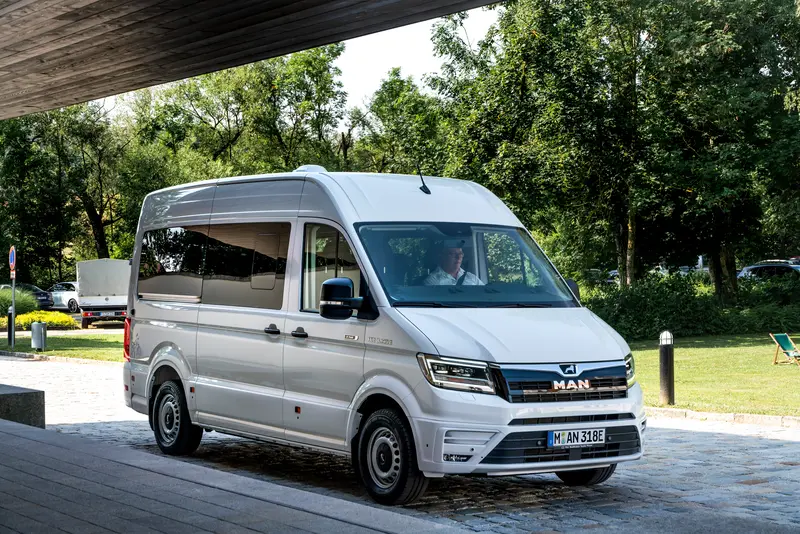

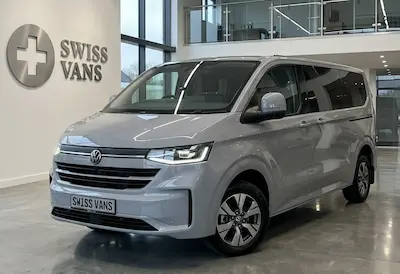
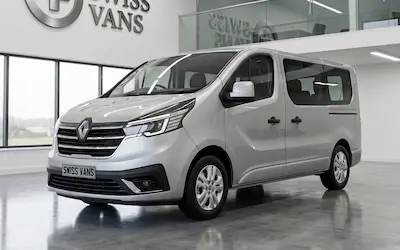
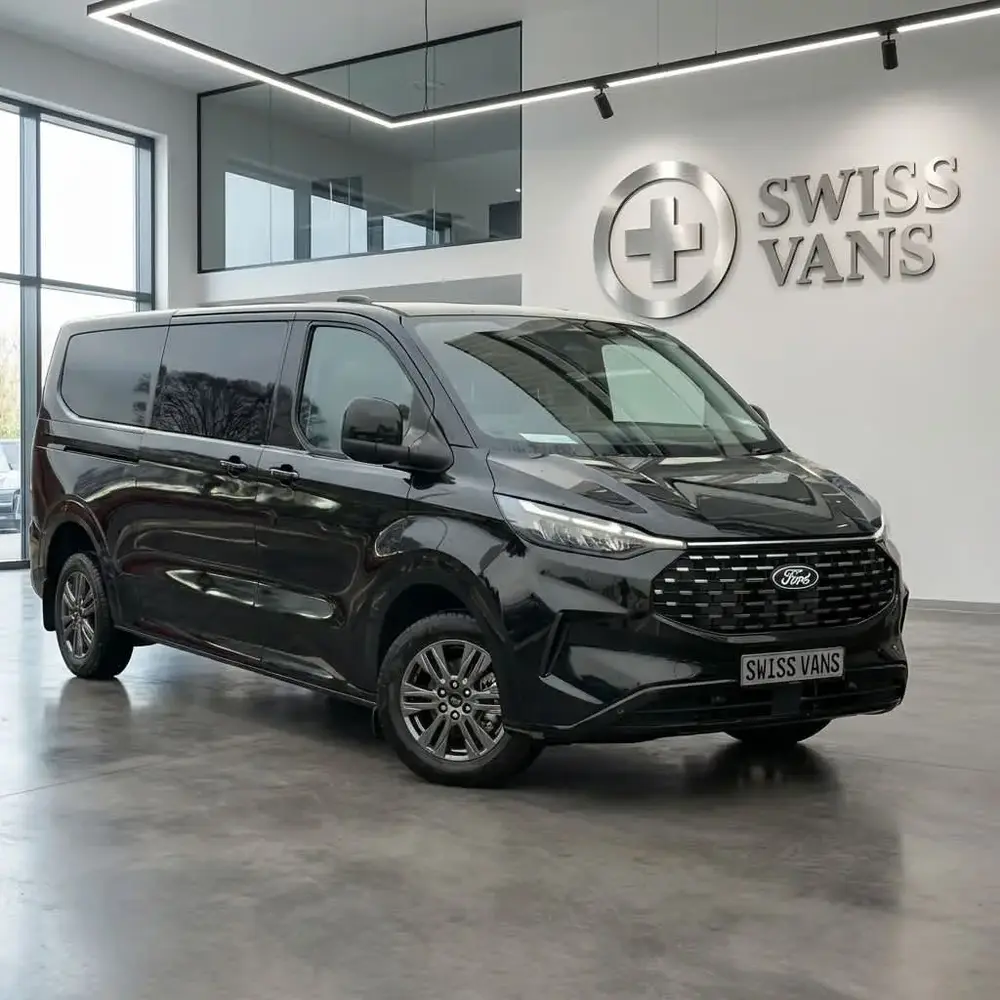




Minibus Leasing
Minibus Leasing: Everything
Minibus leasing has become an increasingly popular option for businesses, organizations, and individuals looking for flexible transportation solutions. This versatile approach to vehicle acquisition offers a range of benefits, from cost-effectiveness to hassle-free maintenance. As the demand for efficient group transport continues to grow, understanding the ins and outs of minibus leasing becomes crucial for those seeking reliable and affordable options. See Minibus for sale instead.
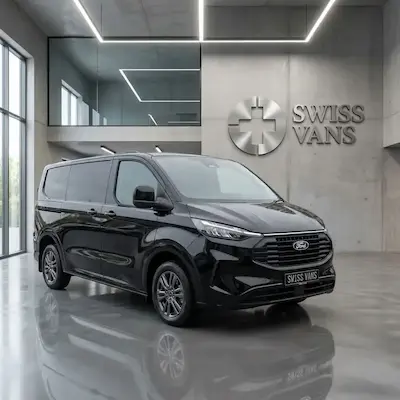
In this comprehensive guide, we'll explore the world of minibus leasing, covering everything from the basics to the finer details. We'll delve into the advantages of leasing a minibus, discuss who can benefit from this service, and break down the leasing process step by step. Additionally, we'll examine the legal requirements and regulations surrounding minibus use, ensuring readers have all the information they need to make informed decisions about their transportation needs. See all van lease deals
What is Minibus Leasing?
Definition
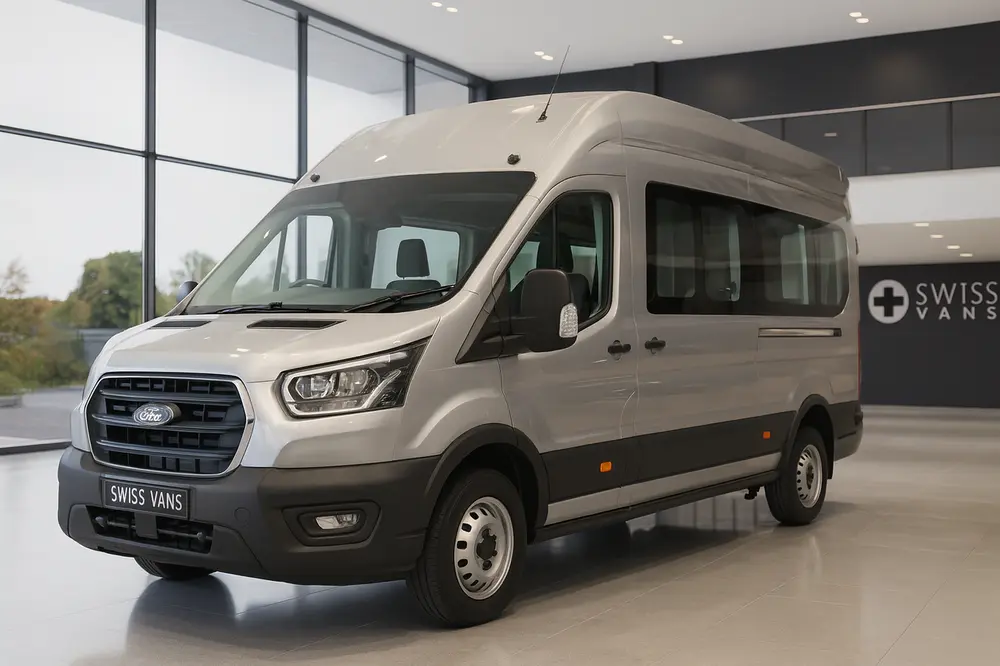
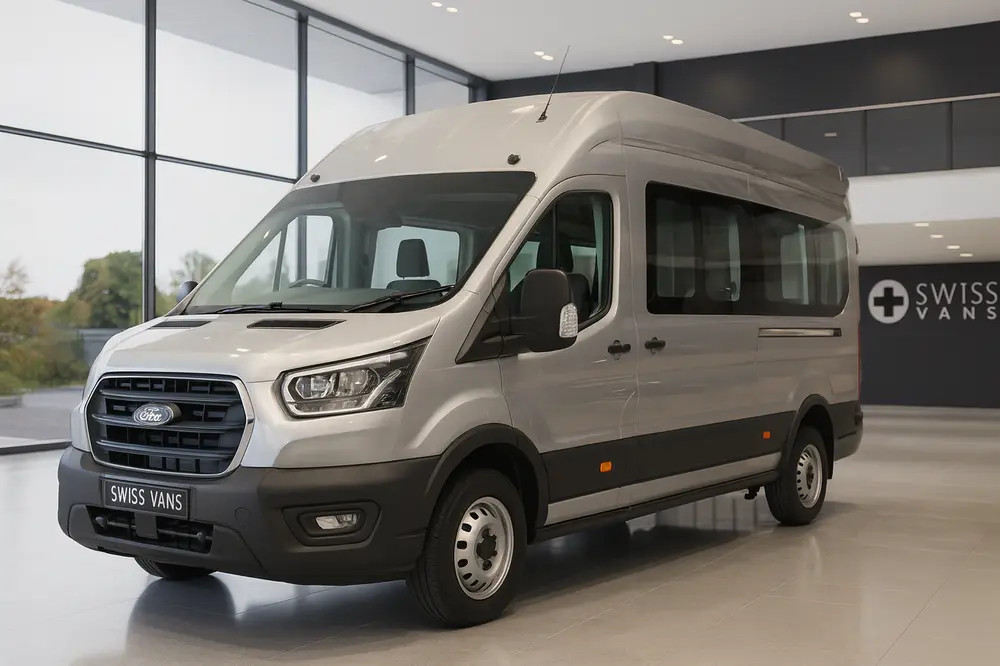
Minibus leasing is a financial arrangement that allows businesses, organizations, or individuals to use a minibus for a fixed period without owning it outright. This approach provides access to a vehicle designed to carry between eight to 16 passengers, including the driver. Leasing a minibus involves making regular monthly payments for the duration of the contract, typically ranging from 12 to 60 months. At the end of the lease term, the vehicle is returned to the leasing company. See Fiat Van Leasing
Types of Minibusses
Minibusses come in various sizes and configurations to suit different needs. Some popular options include:
9 seater minibus for sale
15-seater minibusses
17-seater minibusses for sale with space for up to 4 wheelchairs
Lightweight minibusses that can be driven with a standard car license
Leading manufacturers such as Mercedes-Benz, Volkswagen, Ford, Vauxhall, and Toyota offer a range of minibus models. These vehicles are often used by schools, colleges, charities, care homes, and commercial businesses for transporting groups of people. Some minibusses can be customized with features like wheelchair lifts to accommodate specific accessibility requirements. See Fiat Ducato Lease
Leasing vs Buying Minibus Leasing
When considering acquiring a minibus, organizations have two main options: leasing or buying. Each approach has its advantages and considerations: See finance lease used vans
Lower initial costs with no large upfront payment required
Fixed monthly payments for better cash flow management
Option to upgrade to newer models at the end of the lease term
Maintenance and servicing often included in the contract
No concerns about vehicle depreciation
Potential tax benefits for VAT-registered businesses
Buying:
Full ownership of the vehicle
No mileage restrictions or excess charges
Freedom to modify or customize the vehicle as needed
Potential long-term cost savings for high-mileage users
Leasing a minibus offers several advantages over purchasing, particularly for organizations that prefer flexibility and want to avoid the responsibilities of ownership. With leasing, businesses can enjoy the use of a new vehicle without the burden of a significant upfront investment. The fixed monthly costs make budgeting easier, and many leasing agreements include maintenance packages, reducing administrative hassles. See the Best Van Lease Deals
However, leasing does come with some considerations. Lessees must adhere to agreed-upon mileage limits, with additional charges for exceeding these limits. There may also be charges for excessive wear and tear at the end of the lease term. See Vauxhall Van Leasing
For organizations that require long-term use of a minibus or have specific customization needs, buying might be a more suitable option. Ownership provides complete control over the vehicle and can be more cost-effective in the long run for high-mileage users. See Van Leasing Belfast
Ultimately, the choice between leasing and buying depends on factors such as financial resources, usage patterns, and long-term transportation needs. Leasing offers a flexible, cost-effective solution for many organizations, allowing them to access modern, well-maintained minibusses without the complexities of ownership. See Van Leasing for New Businesses
Benefits of Minibus Leasing
Cost-Effectiveness
Minibus leasing has become a popular choice for businesses, organizations, and schools due to its cost-effective nature. Instead of allocating a large sum of money to purchase a vehicle outright, leasing allows for the distribution of costs over several years. This approach frees up capital that can be used for other essential resources, such as educational materials or facility improvements. See Ford Tourneo Custom Leasing
Leasing a minibus means lower initial capital outlay, which supports business cash flow requirements. Organizations can enjoy fixed monthly payments, making budgeting easier and more predictable. This financial arrangement allows for immediate access to a wider range of quality vehicles at affordable rates, without the burden of a significant upfront investment. See Business Van Lease
Access to Latest Models Minibus Leasing
One of the significant advantages of minibus leasing is the ability to access high-quality, modern vehicles equipped with the latest safety features. This ensures that passengers, whether they are students, employees, or clients, are transported in a safe and secure environment. See Van Leasing Liverpool
Leasing allows organizations to upgrade to newer models at the end of the lease term. This adaptability is crucial for maintaining high standards of transportation and meeting diverse needs. By leasing, businesses and schools can always have access to the latest advancements in vehicle technology, ensuring they stay up-to-date with current safety standards and comfort features. See short term van leasing deals
Maintenance Included Minibus Leasing
Many minibus leasing agreements might include comprehensive maintenance packages, which cover regular servicing and necessary repairs. This arrangement eliminates the need for organizations to allocate separate funds for vehicle maintenance, reducing the overall financial burden. See all Refridgerated van lease deals
Maintenance agreements, also known as Service, Maintenance & Tires (SMT) packages, cover a variety of costs associated with keeping a minibus in roadworthy condition. These packages typically include:
Routine servicing
Maintenance not covered by the manufacturer's warranty
MOTs
Replacement tires
Puncture repairs
Having a maintenance agreement not only removes the risk of receiving expensive, unwanted bills but also enables easy budgeting by spreading the cost of repairs and replacements over the term of the finance agreement. Additionally, it provides the convenience of having access to a dedicated booking team who will make all the arrangements for service and repair using a national network of approved garages. see all Van finance
Tax Benefits Minibus Leasing
Minibus leasing offers several tax benefits, which can vary depending on the type of lease and the organization's status. For businesses, the tax advantages can be significant: See Fiat Van Leasing
Contract Hire Leases: All rental payments are treated as a tax-deductible expense in the profit and loss accounts. VAT can be reclaimed, subject to VAT criteria being met.
Finance Leases: Businesses can offset any interest charged against annual profits, with the van capitalized as a fixed asset. The annual depreciation charge plus any interest payable under the lease can be claimed as an allowable deduction for tax purposes.
Contract Purchase: VAT-registered companies do not have to pay VAT on monthly finance payments, although it is payable on the service costs of any optional service or maintenance package.
The amount of VAT that is reclaimable depends on how much of the vehicle's mileage is driven for business purposes. For example, if 80% of the mileage is for business use, 80% of the VAT can be reclaimed.
It's important to note that tax benefits can vary depending on whether the lessee is an employee, an employer, or a sole trader. As personal and business circumstances can differ, it is advisable to seek professional accounting advice when considering minibus leasing for tax purposes.
By offering cost-effectiveness, access to the latest models, included maintenance, and potential tax benefits, minibus leasing presents an attractive option for organizations looking for flexible and efficient transportation solutions. See Citroen Van Lease Deals
Who Can Lease a Minibus?
Schools and Educational Institutions
Minibus leasing has gained significant popularity among educational institutions. Schools, colleges, and universities can benefit from leasing minibusses to transport students for various activities. Primary schools, secondary schools, further education institutions, and higher education facilities all make use of leased minibusses. See Used Van Leasing
These vehicles play a crucial role in providing access to out-of-school activities, enhancing students' educational experiences. When leasing a minibus, schools should consider the Gross Vehicle Weight, as some models are more suitable for certain levels of education than others.
For school staff driving minibusses, it's essential to understand their responsibilities. Volunteer drivers are personally responsible for the roadworthiness of the vehicle while it's in their care. They may face fines, penalties, or prosecutions for any road traffic offenses. It's advisable for schools to have comprehensive insurance policies covering passengers, the Gross Vehicle Weight, all named drivers, and various uses of the minibus.
Charities and Non-Profits
Charities and non-profit organizations can greatly benefit from minibus leasing. A leased minibus can significantly enhance a charity's ability to make a difference in people's lives by providing essential transport services. Many charities, church groups, and religious centers opt for minibus leasing to expand their reach and improve their offerings.
Leasing offers charities a cost-effective solution with low initial outlay and fixed monthly payments, making budgeting easier. It's important to note that according to the Charity Commission, individuals might be able to drive a minibus with up to 16 passenger seats using a standard car driving license, provided there's no payment from or on behalf of the passengers.
Businesses Minibus Leasing
Commercial businesses that need to transport groups of people can also lease minibusses. This option is particularly useful for companies that require regular transportation for their staff or clients. Minibus leasing provides businesses with a flexible and cost-effective solution for their transportation needs. See Tipper van leasing
Leasing allows businesses to access high-quality vehicles without the significant upfront costs associated with purchasing. It also offers the flexibility to upgrade vehicles more frequently, ensuring access to modern, reliable minibusses that meet the latest safety standards.
Sports Teams and Clubs
Sports organizations find minibus leasing an attractive option for transporting teams to various events. Leasing provides a practical and cost-effective solution, allowing clubs to allocate more of their budget to other critical areas such as training facilities and equipment.
For sports teams, accessibility features are crucial. Many leased minibusses offer wheelchair access, flexible seating arrangements, and ample storage for sports equipment. These features ensure the comfort and safety of all team members during travel. See Peugeot Van lease
Leasing agreements often include regular maintenance and safety checks, ensuring that vehicles are always in top condition. This reliability is crucial for sports clubs that depend on punctual and safe transport for their teams.
It's important to note that individuals driving leased minibusses should meet certain conditions. They must be aged over 21, hold a full car driving license, and not accept payment from or on behalf of the passengers. Additionally, some restrictions apply to using leased vehicles for "Hire & Reward" purposes, which includes taxi services, chauffeur services, and driving schools.
By choosing to lease a minibus, these various groups can enjoy the benefits of modern, well-maintained vehicles without the financial burden of ownership. This approach allows for better budget management and ensures access to reliable transportation for their specific needs.
The Minibus Leasing Process
Choosing the Right Minibus
When leasing a minibus, several factors need consideration. The length of the lease agreement typically ranges from 1 to 5 years, with longer terms often offering lower monthly rentals. The total contract mileage is another crucial aspect, as it affects the monthly rental. Institutions can choose mileages as low as 5,000 miles per annum, with 1,000-mile increments up to 30,000 miles per annum, depending on the funder. See small van leasing deals
The passenger capacity is a key consideration, with common configurations including 9, 12, 15, and 17 seats. For institutions requiring drivers without a D1 license, the FlexiLite Minibus and Minibus Lite products are suitable options. Some organizations may need wheelchair accessibility, which can be included in the monthly rental. Additionally, institutions can opt for livery or logo display on the minibus, typically included in the quotations.
Negotiating the Lease Terms
While certain aspects of a lease price are fixed, there is room for negotiation. The overall lease price comprises the depreciation fee, finance fee, and sales tax. Although these individual components are not negotiable, the cost of the vehicle on which these calculations are based can be discussed.
To prepare for negotiations, research vehicle prices thoroughly and set a target price. It's advisable to shop around and have a backup option. When negotiating, focus on the vehicle's cost rather than just monthly payments. Inform the lease provider about your research and willingness to lease immediately if a fair deal is reached. This approach showcases you as a knowledgeable buyer and encourages the dealer to find the best deal.
Required Documentation Minibus Leasing
The documentation required for leasing a minibus varies depending on whether it's for personal or business use. For personal leases, applicants need to provide photographic identification, typically a valid driving license or passport. Proof of address, such as a bank statement or utility bill received within the last 90 days, is also necessary. Additionally, details of current monthly income, major monthly expenditures, address history for the past three years, and bank account information for lease payments are required. See Hybrid van lease deals
For business leases, similar documentation is needed for the business owner. Additionally, businesses must provide bank statements for the past three months, annual turnover details, the firm's trading address and registration information, VAT number (if applicable), and information about company directors. In some cases, finance providers may request additional information to ensure affordability and prevent future financial difficulties.
Delivery and Handover Minibus Leasing
Before delivery, all vehicles undergo a Pre-Delivery Inspection (PDI) at the dealership or holding compound. This inspection ensures the vehicle is free from body damage or mechanical issues and that any requested accessories have been fitted. Once the delivery date and vehicle registration are confirmed, the lessee must arrange comprehensive insurance coverage.
The handover process begins upon the vehicle's arrival. It involves a thorough inspection by both the customer and the delivery driver. It's crucial to verify that the vehicle registration number and specifications match the contract. Any discrepancies or damages should be noted and reported immediately.
During the handover, the delivery driver will explain key vehicle functions and answer questions. The vehicle should arrive with sufficient fuel to reach the nearest fuel station. After the inspection, the customer signs a delivery note, confirming receipt and satisfaction with the vehicle's condition. Some delivery firms have implemented contactless procedures due to COVID-19, which may involve alternative methods of confirming delivery, such as digital photographs or email confirmations.
By understanding these steps in the minibus leasing process, organizations can make informed decisions and ensure a smooth leasing experience.
Legal Requirements and Regulations
Driving Licenses
The requirements for driving a minibus depend on when an individual obtained their driving license. Those who passed their test before January 1, 1997, typically have the D1 entitlement on their license, allowing them to drive minibusses under certain circumstances. However, individuals who passed after this date do not automatically have this entitlement.
For drivers without the D1 entitlement, it's still possible to drive a minibus with up to 16 passenger seats if certain conditions are met:
The driver is 21 years or older
They have held their driving license for at least two years
The minibus is not being used for hire or reward
The maximum authorized mass (MAM) of the minibus does not exceed 3.5 tons (or 4.25 tons including specialist equipment for disabled passengers)
No trailer is being towed
Drivers over 70 must meet 'Group 2' medical standards to drive a minibus. For those wishing to drive commercially or outside these conditions, obtaining both a minibus provisional entitlement (PCV license) and a public service vehicle (PSV) operator license is necessary.
Section 19 Permits
Section 19 Permits are crucial for educational institutions and non-profit organizations operating minibusses. These permits exempt organizations from the need to hold a PSV operator license when providing transport for a charge. Key points about Section 19 Permits include:
They are granted to organizations operating on a not-for-profit basis
Each minibus requires its own permit
The permit must be displayed in the vehicle's windscreen
Organizations can cover their transport costs but cannot profit from the activity
Drivers can be paid, but this should be part of the covered costs
To obtain a Section 19 Permit, organizations must complete a DVSA application form and pay a fee (approximately £11). The application process now requires evidence of regular minibus safety inspections and maintenance.
Insurance minibus leasing
Insurance is a legal requirement for all vehicles on UK roads, including minibusses. The minimum level of cover is third-party insurance, which covers damage to other people, vehicles, animals, or property. However, most minibus leasing contracts require fully comprehensive insurance. This higher level of cover protects the vehicle in case of theft, damage, or if it's written off.
For minibusses used for work purposes, commercial vehicle or business insurance is mandatory. This applies even if the van is only used for commuting. Different types of commercial insurance include:
Carriage of own goods insurance: For transporting tools or equipment
Carriage of goods for hire or reward insurance: For couriers or delivery drivers
Haulage insurance: For single-destination deliveries
Organizations with multiple vehicles may opt for fleet insurance policies, which can be linked to telematics systems for improved safety and cost management.
Safety Inspections Minibus Leasing
Regular safety inspections are a crucial legal requirement for minibus operators, especially those operating under a Section 19 Permit. The frequency of these inspections depends on the vehicle's age:
For vehicles under 12 years old: Every 10 weeks
For vehicles 12 years and older: Every 6 weeks
These inspections should be conducted by qualified engineers and are in addition to regular services and MOTs. Daily pre-use checks are also essential, involving a walk-around to inspect tires, lights, and other crucial components.
Failure to conduct these safety inspections can result in the confiscation of the Section 19 Permit by the issuing body or Traffic Commissioner. Organizations must keep detailed records of these inspections and be prepared to provide evidence when applying for or renewing their permits.
By adhering to these legal requirements and regulations, minibus operators can ensure the safety of their passengers and maintain compliance with UK transportation laws.
Conclusion Minibus Leasing
Minibus leasing has a significant impact on various sectors, offering a flexible and cost-effective solution to meet diverse transportation needs. From schools and charities to businesses and sports teams, this approach provides access to modern vehicles with the latest safety features, without the burden of ownership. The benefits of leasing, including lower initial costs, fixed monthly payments, and included maintenance, make it an attractive option to consider for organizations looking to manage their transportation efficiently.
As the demand for group transport continues to grow, understanding the ins and outs of minibus leasing becomes crucial. By keeping in mind the legal requirements, such as driving licenses, Section 19 Permits, and regular safety inspections, organizations can ensure they're operating within the law. In the end, minibus leasing offers a practical solution to balance financial considerations with the need for reliable, safe, and up-to-date transportation options.
FAQ minibus leasing
Q: Is a normal driving license sufficient to operate a 16-seater minibus?
A: To drive a minibus with 9 to 16 seats, you must have a Passenger Carrying Vehicle (PCV) license, specifically a category D1 for minibusses or a category D for larger busses. Normal driving licenses do not cover these vehicles without the appropriate PCV entitlement.
Q: What requirements must be met to start a minibus company?
A: Starting a minibus company requires holding a valid PSV (Public Service Vehicle) operator's license. Additionally, you may need a community bus permit if you're operating a local service, or you could be an educational authority managing a school bus service.
Q: Can I legally drive an 8-seater minibus for commercial purposes?
A: Yes, after passing your PCV Category D1 practical test, you'll receive a D1 minibus license, allowing you to operate any minibus up to 17 seats for both private and commercial use.
Q: What are the advantages of minibus hiring?
A: Hiring a minibus offers several benefits including the convenience of group travel, comfort during the journey, punctuality, cost savings on travel expenses, no personal car parking hassles, and ample storage space for luggage.