Business & personal lease
Crew Van Leasing
Compare the best van lease deals in the UK. Swiss Vans offers flexible van leasing for businesses and sole traders — new stock, competitive monthly rates, and expert advice since 2005.
Products


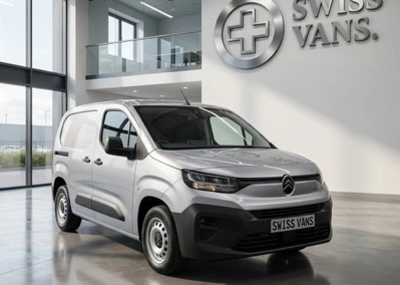
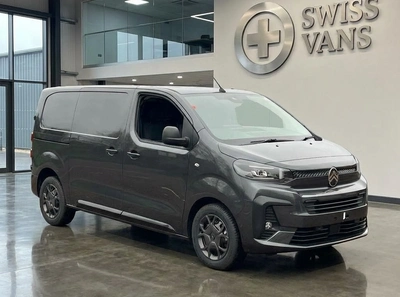
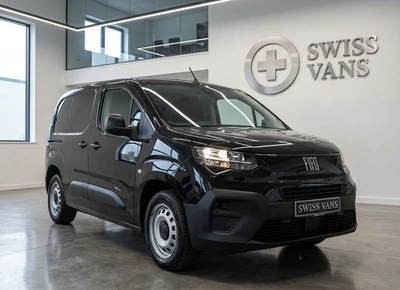
















Crew Van Lease
Crew van lease has become an increasingly popular option for businesses and individuals seeking versatile transportation solutions. These vehicles offer a unique combination of passenger capacity and cargo space, making them ideal for a wide range of applications. From construction teams to large families, crew vans provide the flexibility to transport both people and equipment efficiently. See all our van lease deals here
The world of crew van leasing can be complex, with various options and considerations to keep in mind. This guide aims to break down the essentials of crew van leasing, covering everything from the types of vehicles available to the leasing process itself. Readers will gain insights into factors to consider when choosing a crew van, understand the leasing procedure, and learn about maintenance and support options. Whether you're looking for cheap crew van lease deals or considering a crew cab lease with no deposit, this comprehensive overview will help you make an informed decision.

What is a Crew Van?
Definition
A crew vans, also known as a crew cab van, double cab van, or kombi van, is a versatile vehicle designed to transport both passengers and cargo. It features two rows of seats, accommodating a driver and up to five passengers, while still providing ample space for equipment or goods in the rear. This unique configuration sets crew vans apart from standard panel vans, offering a balance between passenger capacity and cargo space. See VW Transporter Kombi
Key Features Crew Van Lease
Crew vans come with several distinctive features that make them suitable for various applications:
Seating Arrangement: These vehicles typically have two rows of seats. The front row usually includes the driver's seat and one or two passenger seats, while the rear row can accommodate three to four additional passengers.
Flexible Interior: Many modern crew vans offer removable rear seats, allowing for easy conversion between passenger and cargo configurations.
Side Windows: Unlike traditional cargo vans, crew vans have side windows in the passenger area, improving visibility and comfort for rear-seat occupants.
Large Back Doors: Crew vans are equipped with spacious rear doors, facilitating easy loading and unloading of cargo or equipment.
Bulkhead: Most crew vans feature a fixed bulkhead separating the passenger compartment from the cargo area, enhancing safety and reducing noise.
Payload Capacity: While crew vans sacrifice some cargo space for additional seating, many models still offer a payload capacity of over a ton, making them suitable for transporting heavy equipment. See all Crew vans for sale
Benefits Crew Van Lease
Crew vans offer numerous advantages van leasing deals for both businesses and individuals:
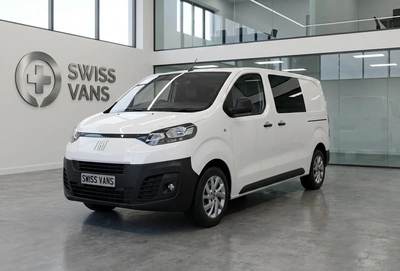
Versatility: These vehicles provide an ideal solution for transporting both people and goods, making them suitable for various industries such as construction, landscaping, and film production. See Ford Transit Custom Double Cab
Comfort: With full-size rear doors and ample legroom, crew vans offer a comfortable ride for all passengers, including those in the rear seats.
Family-Friendly: The combination of passenger space and cargo capacity makes crew vans an excellent choice for large families or those requiring extra storage for recreational activities.
Business Applications: Companies can use crew vans to transport work crews to job sites while carrying necessary tools and equipment.
Tax Considerations: In some cases, crew vans may be classified as commercial vehicles for tax purposes, potentially offering financial benefits to businesses. However, it's essential to consult with tax authorities, as classification can depend on vehicle use and specific regulations.
Licensing: Most crew vans can be driven with a standard category B car license, as long as they don't exceed 3,500 kilograms in weight.
Crew vans have become increasingly popular due to their ability to bridge the gap between passenger vehicles and traditional cargo vans. They offer a practical solution for those who need to transport both people and goods regularly, whether for business or personal use. When considering a crew van lease, it's crucial to evaluate factors such as the required seating capacity, cargo space needs, and intended use to select the most suitable vehicle for specific requirements.
Types of Crew Vans Available for Lease
Crew vans are versatile vehicles that share the same platform as small, medium, and large vans, allowing them to meet various business leasing needs. These vans typically have an extra row of seats and full-size rear doors with windows, making them ideal for transporting both passengers and cargo. Let's explore the different types of crew vans available for lease.
Small Crew Vans Crew Van Lease
Small crew vans are compact and robust, offering car-like driving dynamics while still providing ample space for passengers and cargo. These vehicles are popular among business owners who need to navigate urban areas efficiently. See All VW Van Leasing Offers
One example of a small crew van is the Ford Transit Connect Crew. This van features a spacious 'double cab' interior with an extra row of seats for three passengers. It also has a full mesh bulkhead and sliding load doors on both sides, making it easy to access the cargo area. The Ford Transit Connect Crew is an ideal choice for businesses that are always on the move and need to transport a small team along with their equipment.
Medium Crew Vans
Medium crew vans offer a balance between passenger capacity and cargo space, making them suitable for a wide range of businesses. These vans typically have room for up to six passengers and provide a larger cargo area compared to their smaller counterparts.
Some popular medium crew vans available for lease include:
Nissan Primastar Crew: This van has a sharp exterior design and comes with a range of standard equipment. Nissan describes it as a 'flexible working solution' that offers businesses comfort and practicality. The Primastar Crew is available in two length types and features twin sliding doors and a large rear cargo area.
Ford Transit Custom Crew Cab (also called DCIV -- Double Cab in Van): one of the most popular medium crew vans on UK roads. It keeps a full second row of seats behind a fixed bulkhead while retaining a genuine load area behind, and is available on the same flexible lease terms as the standard panel van.
Renault Trafic LWB: The Renault Trafic is another popular medium crew van option. It offers a spacious interior and is known for its fuel efficiency and comfortable ride.
Vauxhall Vivaro Crew: A common sight on UK roads, the Vauxhall Vivaro Crew is an affordable and practical option. It comes in two length types: L1 for urban driving and L2 for a larger load area. This van can accommodate up to six passengers and has flexible rear doors that can be folded flat to the sides for easy access. See all Ford Van Leasing Deals
Large Crew Vans
Large crew vans are designed for businesses that need to transport larger teams or require more substantial cargo space. These vans offer the highest payload capacity and the most versatile interior configurations.
One example of a large crew van is the Mercedes Sprinter. This van has gained popularity due to its increased load capacity, making it ideal for businesses that need to carry both a crew and a significant amount of tools or equipment. The Sprinter offers a spacious interior and can be customized to meet specific business needs.
When considering a crew van lease, businesses have the option to choose from various manufacturers, including Citroen, Ford, Volkswagen, and Mercedes-Benz. Each brand offers unique features and benefits, allowing companies to find the perfect fit for their specific requirements.
Leasing a crew van has become an increasingly popular option for businesses. Lease terms typically range from 2 to 5 years, with fixed monthly payments. This approach allows companies to save money on upfront costs while benefiting from a range of leasing deals available to business owners. Additionally, leasing often enables businesses to afford a higher quality and better-equipped vehicle than they might be able to purchase outright, helping them maintain a professional appearance on the road and provide greater driver comfort.
Another advantage of leasing a new crew van is the manufacturer's warranty, which provides peace of mind regarding the vehicle's reliability and helps avoid unexpected costs should any issues arise. This can be particularly beneficial for businesses that rely heavily on their vehicles for daily operations.
Factors to Consider When Leasing a Crew Van
When it comes to leasing a crew van, several key factors need to be taken into account to ensure that businesses make the right choice. These considerations can have a significant impact on the overall cost, efficiency, and suitability of the vehicle for specific needs.
Budget Crew Van Lease
One of the primary factors to consider when leasing a crew van is the budget. Leasing offers an affordable alternative to purchasing a vehicle outright, allowing businesses to spread the cost over a fixed period. This approach enables companies to manage their cash flow more effectively by incorporating the fixed monthly payments into their business outgoings.
When evaluating the budget, it's essential to consider not only the monthly lease payments but also additional costs such as insurance, maintenance, and fuel. Some lease agreements may include maintenance packages, which can help reduce unexpected expenses and provide peace of mind.
Payload Capacity Crew Van Lease
Understanding the payload capacity of a crew van is crucial for businesses that need to transport both people and goods. Payload capacity refers to the maximum weight a van can safely carry, including passengers, cargo, and any additional equipment.
To calculate the payload capacity, subtract the kerb weight (the weight of the van without any load but with full fuel and necessary fluids) from the Gross Vehicle Weight (GVW). For example, if a van has a GVW of 3000kg and a kerb weight of 2000kg, its usable payload would be 1000kg.
It's important to note that exceeding the payload capacity is not only illegal but also poses significant safety risks. Overloading can lead to reduced stability, decreased braking efficiency, and potential damage to vital components such as suspension, brakes, and tires.
Fuel Efficiency Crew Van Lease
Fuel efficiency has become an increasingly important factor for van drivers due to its impact on operational costs. When choosing a crew van, it's essential to consider its fuel consumption figures, typically measured in miles per gallon (MPG).
Vans with higher MPG ratings are more economical, consuming less fuel to cover the same distance. This translates to cost savings and fewer refueling stops, which can be particularly beneficial for businesses that cover long distances or operate in urban areas with frequent stops.
Diesel vans generally offer greater fuel economy compared to their petrol counterparts. However, it's crucial to evaluate the specific needs of the business and the type of journeys the van will undertake. For city-based businesses, choosing a vehicle that is efficient in stop-start urban driving may be more suitable, while those spending more time on motorways should look for vans that perform well on open roads.
Lease Terms
The terms of the lease agreement play a significant role in the overall experience of leasing a crew van. Typical lease terms range from 2 to 5 years, with businesses needing to consider the following aspects:
Mileage Limits: Lease agreements often come with annual mileage restrictions. It's crucial to accurately estimate the expected mileage to avoid excess charges at the end of the lease term.
Initial Rental: The amount paid upfront can affect the monthly payments. A higher initial rental generally results in lower monthly payments.
Maintenance Packages: Some lease agreements include maintenance packages, which can help reduce unexpected costs and ensure the vehicle remains in good condition.
End-of-Lease Conditions: Understanding the terms for returning the vehicle at the end of the lease is essential to avoid additional charges for excessive wear and tear or damage.
By carefully considering these factors, businesses can make informed decisions when leasing a crew van, ensuring they choose a vehicle that meets their specific needs while remaining cost-effective and efficient.
The Crew Van Leasing Process
Leasing a crew van involves several key steps that businesses need to navigate carefully. This process ensures that companies select the right vehicle and secure favorable terms for their specific needs.
Choosing a Leasing Company
The first step in the crew van leasing process is selecting a reputable leasing company. Businesses should look for providers that are regulated by the Financial Conduct Authority (FCA) and are members of the British Vehicle Rental & Leasing Association (BVRLA). These accreditations ensure that the company adheres to industry standards and provides fair services.
When evaluating leasing companies, it's crucial to consider their experience in the industry and read customer reviews. Established companies often have more expertise and can offer better support throughout the leasing process. Additionally, businesses should look for providers that offer transparent pricing and flexible financing options to suit their specific circumstances.
Selecting Your Van Crew Van Lease
Once a leasing company has been chosen, the next step is to select the appropriate crew van. This decision should be based on several factors, including:
Payload capacity
Fuel efficiency
Passenger space requirements
Cargo area dimensions
It's important to consider both current and future needs when selecting a van. Some vehicles offer more space between the wheel arches for sliding larger items, while others provide wider-opening doors for easier access. Businesses should also think about the comfort of the driver and passengers, as crew vans often serve as mobile workspaces.
Negotiating Terms Crew Van Lease
After selecting a suitable van, the next phase involves negotiating the lease terms. Key aspects to consider during negotiations include:
Lease duration
Mileage allowance
Monthly payments
Initial rental amount
Maintenance packages
Businesses should aim to negotiate terms that align with their usage patterns and financial capabilities. It's advisable to obtain quotes from multiple leasing companies to gain leverage during negotiations. Timing can also play a role, as leasing companies may be more motivated to close deals towards the end of the month or quarter to meet sales targets.
Finalizing the Agreement
The final step in the crew van leasing process is finalizing the agreement. This typically involves:
Completing a credit application
Reviewing and signing the lease agreement
Arranging delivery or collection of the van
Before signing, it's crucial to thoroughly review all terms and conditions, paying close attention to details such as early termination fees and end-of-lease conditions. Some leasing companies may require additional documentation, such as proof of identity and address, as part of their Know Your Customer (KYC) process.
crew van lease
Once the agreement is signed, the leasing company will arrange for the delivery of the crew van. Upon delivery, it's essential to inspect the vehicle thoroughly and ensure all specifications match the order before signing the vehicle acceptance note.
By following these steps and carefully considering each aspect of the leasing process, businesses can secure a crew van lease that meets their operational needs while providing financial flexibility.
Maintenance and Support for Leased Crew Vans
Leasing a crew van comes with specific responsibilities regarding maintenance and support. Understanding these aspects ensures that businesses can keep their vehicles in optimal condition throughout the lease term and avoid unexpected costs.
[caption id="attachment_57725" align="alignnone" width="600"] Mercedes Vito Crew Van Lease[/caption]
Routine Maintenance Crew Van Lease
Regular maintenance is crucial for keeping leased crew vans in good working order. Many lease agreements include maintenance packages, which cover scheduled servicing and routine upkeep. These packages offer several benefits:
Protection of the vehicle warranty
Ensuring safe operation of the vehicle
Coverage for mechanical and electrical repairs
Replacement of items due to normal wear and tear
For those without a maintenance package, it's essential to adhere to the manufacturer's service schedule. This typically involves getting the van serviced according to the specified intervals and having the service book stamped to maintain a record. Regular maintenance not only keeps the van running smoothly but also helps avoid potential issues when returning the vehicle at the end of the lease.
Breakdown Coverage Crew Van Lease
Breakdown coverage is a vital aspect of crew van leasing, providing peace of mind for businesses that rely on their vehicles for daily operations. Many lease agreements include breakdown cover as part of the package. This service typically offers:
Crew Van Lease Deals
Roadside assistance
Vehicle recovery to a specified destination
Home breakdown assistance
European coverage for trips abroad
If breakdown cover is not included in the lease agreement, it may be part of the manufacturer's warranty, which usually lasts from one to five years from the date of vehicle registration. In cases where neither is provided, businesses should consider purchasing separate breakdown coverage to avoid potential disruptions to their operations.
End of Lease Considerations
As the lease term approaches its end, there are several important factors to consider regarding the van's condition:
Wear and Tear: Leasing companies have specific guidelines for acceptable wear and tear. It's crucial to understand these parameters to avoid additional charges when returning the vehicle.
Cleaning: Returning the van in a clean condition makes a good impression and can help mitigate borderline wear and tear issues. Professional cleaning is recommended to ensure the van looks its best.
Repairs: Any damage beyond normal wear and tear should be repaired before returning the vehicle. This includes issues with bodywork, upholstery, and mechanical components.
Documentation: Ensure all service records, MOT certificates, and other relevant paperwork are in order. These documents, along with spare keys, must be returned with the vehicle.
Mileage: Check that the van's mileage is within the agreed-upon limit to avoid excess mileage charges.
crew van lease
By paying attention to these aspects throughout the lease term and especially as it comes to an end, businesses can ensure a smooth handover process and avoid unexpected costs. Regular maintenance, proper breakdown coverage, and careful attention to the van's condition contribute to a positive leasing experience and help maintain a professional image for the business.
Conclusion Crew Van Lease
Crew van leasing has a significant impact on businesses seeking flexible transportation solutions. The wide range of options available, from small to large crew vans, allows companies to find the perfect fit for their specific needs. By taking into account factors such as budget, payload capacity, and fuel efficiency, businesses can make informed decisions that align with their operational requirements and financial goals.
The leasing process, from choosing a provider to finalizing the agreement, plays a crucial role in ensuring a smooth experience. Regular maintenance and proper support throughout the lease term help businesses keep their vehicles in top condition, avoiding unexpected costs and maintaining a professional image. In the end, crew van leasing offers a practical and cost-effective way for companies to transport both people and cargo efficiently, supporting their growth and success in today's competitive market.
FAQs Crew Van Lease
Why Lease a Crew Van
A crew van is a commercial vehicle that combines passenger and cargo carrying capabilities. It features two rows of seats that can carry up to 5-6 passengers while still maintaining space for cargo in the rear. This dual-purpose design makes it ideal for businesses that need to transport both people and equipment.
How many seats does a crew van have?
Crew vans typically have 5-6 seats arranged in two rows. The front row usually accommodates the driver and one passenger, while the second row can seat 3-4 people depending on the specific model and configuration.
Can I drive a crew van on a normal licence?
Yes, you can drive a crew van on a standard Category B driving licence provided the vehicle has a gross vehicle weight (GVW) under 3,500kg. This covers most crew vans available for lease, making them accessible to drivers with standard car licences.
How long are crew van lease terms?
Crew van lease terms typically range from 2 to 5 years, with fixed monthly payments throughout the agreement. The exact term depends on your business needs and the leasing provider. Longer terms generally result in lower monthly payments, while shorter terms offer more flexibility for upgrading to newer models.