In stock now
Electric Vans For Sale
New and used commercial vans, ready to drive away. Browse by make below, or talk to the team for a deal built around your business.
Products


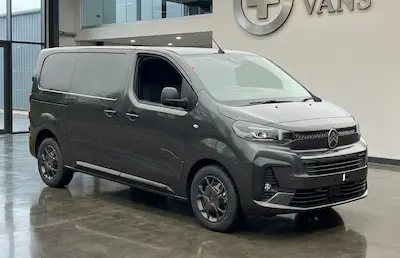
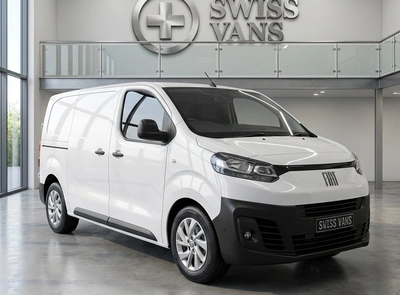
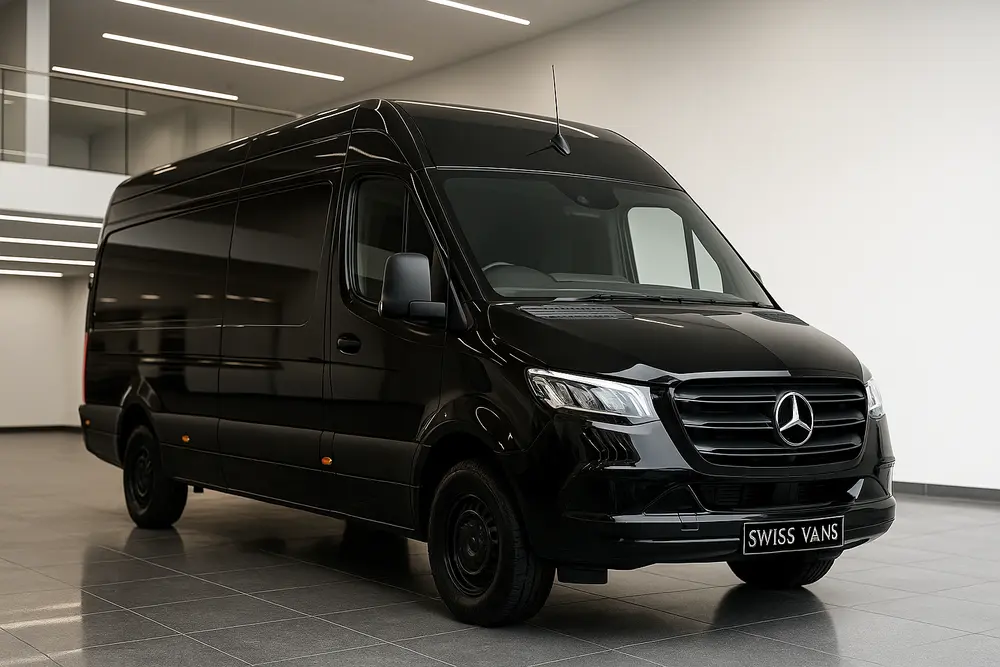

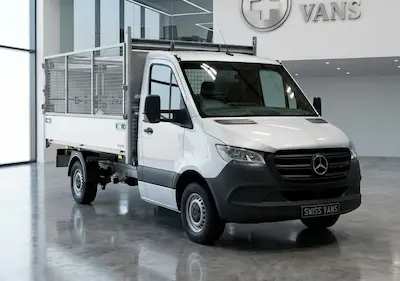
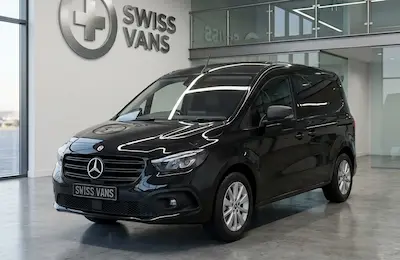


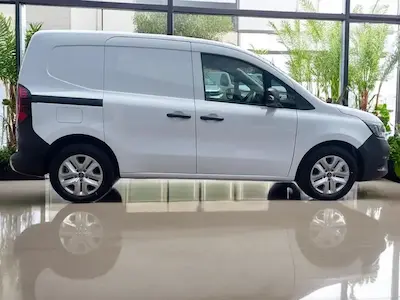
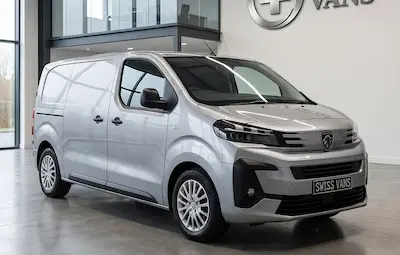
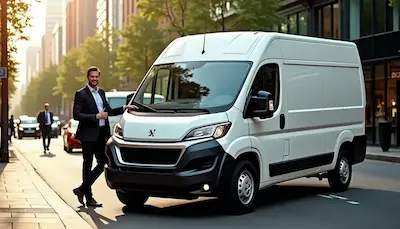


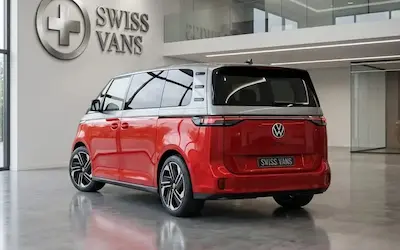

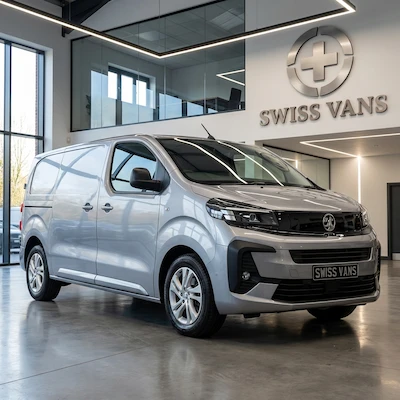
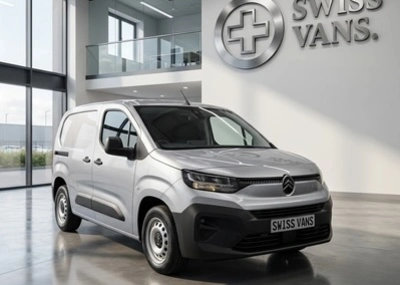

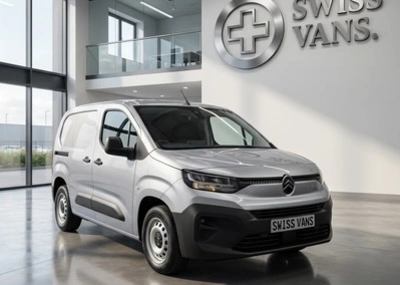


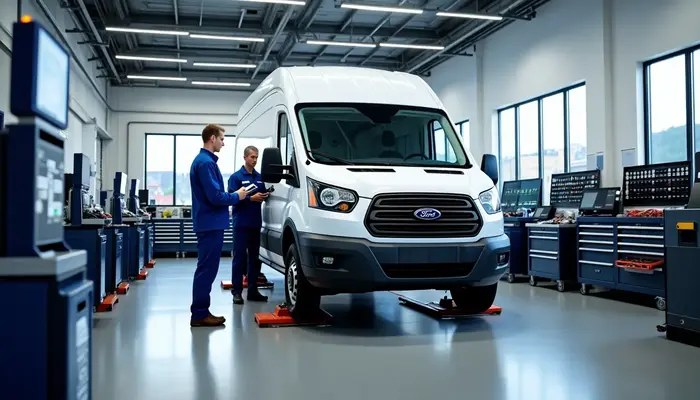

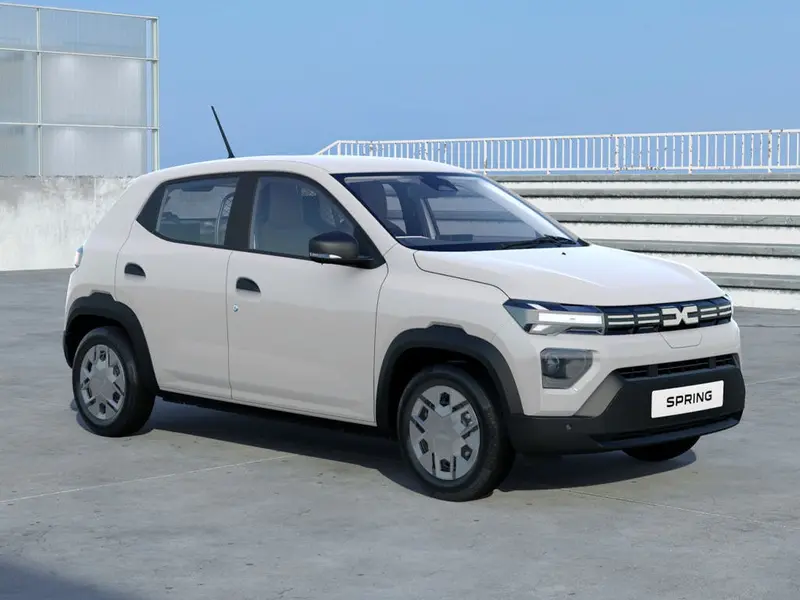
Electric Vans for Sale
The electric vehicle revolution is in full swing, and it's not just limited to passenger cars. Electric vans for sale are becoming increasingly popular, offering businesses and individuals an eco-friendly alternative to traditional combustion engine vehicles. These zero-emission workhorses are transforming the way goods are transported, particularly in urban areas where air quality concerns are paramount. From small electric vans for sale to larger models, there's a growing range of options to suit various needs and budgets. See all our electric vans
As the market for electric vans expands, potential buyers have more choices than ever before. This article explores the top 10 electric vans available today, highlighting their key features and capabilities. It also delves into important factors to consider when choosing an electric van, such as range, payload capacity, and charging infrastructure. Whether you're looking for new electric vans for sale or considering used options, this guide will help you find the perfect eco-friendly vehicle to meet your transportation needs. See all vans for sale
Browse Electric Vans for Sale
Top 10 Electric Vans Overview
The electric van market has expanded significantly, offering a wide range of options for businesses and individuals seeking eco-friendly transportation solutions. This overview highlights the top 10 electric vans currently available, focusing on their range, performance, cargo capacity, and charging options. See all Ford Vans Electric
Range and Performance Electric Vans For Sale
The Volkswagen ID Buzz Cargo leads the pack with an impressive official range of up to 258 miles on a single charge. This retro-styled van combines nostalgia with modern technology, offering a 201bhp rear-mounted motor that accelerates from 0-62mph in 10.2 seconds. Following closely is the Ford E-Transit, boasting a range of up to 196 miles and surprisingly quick acceleration, especially with the larger 265bhp motor option. Source
The Renault Kangoo E-Tech, based on the award-winning Kangoo, provides an official range of up to 186 miles, though real-world conditions may yield closer to 160 miles. Its 121bhp electric motor ensures ample power for most tasks. The Citroen e-Berlingo, Peugeot e-Partner, Toyota Proace City Electric, and Vauxhall Combo Electric share similar underpinnings, offering up to 171 miles of range from their 50kWh batteries.
For those needing extended range, the Fiat E-Ducato offers two battery options: 47kWh for 146 miles and 79kWh for 230 miles. The Mercedes eSprinter has recently been updated with a 113kWh battery, extending its range to an impressive 248 miles.
Cargo Capacity Electric Vans For Sale
The Volkswagen ID Buzz Cargo, despite its compact exterior, offers a generous 3.9 cubic meters of cargo space, surpassing the Caddy Cargo by almost a full cubic meter. It can accommodate two euro pallets side-on and features twin sliding doors as standard.
The Ford E-Transit maintains the same spacious interior as its diesel counterpart, with no reduction in cargo capacity. Its extended range variants can carry up to 1,460kg for vans and 1,814kg for chassis cab models, while the standard E-Transit boasts a payload of 1,758kg.
The Citroen e-Berlingo and its siblings come in L1 and longer L2 body styles, providing a maximum capacity of up to 3.3 cubic meters and a payload of 800kg. The Fiat E-Ducato offers exceptional versatility with 28 body styles across three lengths and three heights, plus chassis cab and passenger options. Its cargo volumes are substantial, with gross vehicle weights up to 4.25 tons and payloads reaching 1.9 tons.
Charging Options Electric Vans For Sale
Charging infrastructure for electric vans has improved significantly, offering various options to suit different needs. Home charging remains a convenient solution for those with off-street parking. Installing a wall box allows for overnight charging, often at cheaper electricity rates.
Public charging stations are becoming increasingly common, with fast chargers available at many car parks, supermarkets, and motorway services. These are ideal for quick top-ups during the day. Rapid charging points are also gaining popularity, capable of charging a battery to 80% in as little as 30 minutes.
The Volkswagen ID Buzz Cargo can be charged to 80% in less than half an hour using an ultra-rapid 170+kW charger. The Ford E-Transit can achieve a similar charge in about 30 minutes on 115+kW ultra-rapid points. The Renault Kangoo E-Tech utilizes a 22 kW 80 DC charger, allowing for 80% charge in around 27 minutes at rapid charging stations. See all Electric Van Lease Deals
Charging times vary depending on the method and battery size. Using a standard socket or home charge point could take up to 12 hours for a full charge, while ultra-fast and rapid charging points can provide 80% battery in as little as 30 minutes for some models. See all Renault Electric Vans
Nissan e-NV200: The Versatile Option
The Nissan e-NV200 stands out as a versatile and eco-friendly option in the electric van market. This compact yet spacious vehicle combines the electric powertrain of the Nissan Leaf with the chassis and body of the NV200 van, resulting in a zero-emission workhorse perfect for urban environments. See all our electric van lease deals
Key Features Electric Vans For Sale
The e-NV200 boasts a 40kWh battery, enabling it to cover between 124 and 187 miles on a single charge, depending on driving conditions. This range makes it particularly suitable for city-based businesses and last-mile deliveries. The van's rapid charging capability allows it to reach 80% battery capacity in just 40 to 60 minutes using a quick charge port, while a full charge takes about 7.5 hours with a wall box using the 6.6kW onboard charger.
One of the e-NV200's standout features is its impressive load capacity. With 4.2 cubic meters of volume in the rear and a load bay of 2.04 meters, it can accommodate two standard Euro pallets. The optional folding passenger seat extends the load bay to 2.8 meters, enhancing its versatility. The van offers a payload of up to 705kg, making it suitable for a wide range of business needs.
Accessibility is another strong point, with sliding doors on both sides and the option of either double doors at the rear or a lifting tailgate. The low loading height of 524mm further enhances its practicality for loading and unloading cargo.
Pros and Cons Electric Vans For Sale
Pros:
Zero emissions, making it ideal for urban areas with strict environmental regulations
Low running costs, with estimates as low as 2p per mile
Spacious cargo area, largest in its class
Instant torque for responsive city driving
Quiet operation, enhancing comfort for both driver and nearby pedestrians
Cons:
Limited range compared to diesel alternatives, especially for long-distance journeys
Longer charging times compared to refueling a conventional van
Initial purchase cost may be higher than traditional vans
Ideal Use Cases
The Nissan e-NV200 excels in urban environments and is particularly well-suited for:
Last-mile deliveries: Its compact size and zero emissions make it perfect for navigating city streets and accessing areas with emissions restrictions.
Small businesses with set operational areas: Companies that operate within a defined radius can benefit from the e-NV200's range and low running costs.
Taxi services: A specially-converted version based on the Combi seven-seat model has gained popularity among taxi drivers in cities like London, offering potential fuel savings and compliance with future zero-emission zones.
Tradespeople working in urban areas: The van's spacious interior and ability to carry tools and materials make it suitable for electricians, plumbers, and other trades operating primarily within city limits.
Courier services: The e-NV200's quick acceleration and maneuverability in traffic make it ideal for time-sensitive deliveries in congested urban areas.
The Nissan e-NV200 offers a compelling package for businesses looking to reduce their carbon footprint and operating costs. Its combination of practicality, eco-friendliness, and urban-focused design makes it a strong contender in the electric van market, particularly for those whose operations align with its strengths in city environments.
Renault Kangoo Z.E.: The Compact Powerhouse
The Renault Kangoo Z.E. has established itself as the reference electric van for professionals, offering a compact yet powerful solution for urban deliveries and small business needs. This all-electric workhorse combines practicality with eco-friendliness, making it an attractive option for companies looking to reduce their carbon footprint.
Key Features Electric Vans For Sale
The Kangoo Z.E. boasts a highly energy-efficient motor and optimized electronic battery management to limit energy consumption. Its 44 kW (equivalent to 60 hp) engine, derived from the ZOE R90, delivers a maximum torque of 226 Nm instantaneously. This, coupled with an automatic transmission, provides smooth and responsive acceleration in near silence.
With its Z.E. 33 battery, the Kangoo Z.E. offers an impressive range of up to 230 km in the WLTP combined cycle. In real-world conditions, this translates to 120 to 200 km, depending on temperature and load. The WLTP City cycle extends the range to 320 km, making it suitable for various urban and peri-urban applications.
Charging is quick and convenient, with the integrated 7 kW charger allowing a full battery recharge in about 6 hours from a Wallbox socket. During brief stops, the Kangoo Z.E. can recover 35 km of range in just one hour, optimizing working day efficiency.
The Kangoo Z.E. comes in two lengths: 4.28 m and 4.66 m (Kangoo Maxi Z.E. version). It offers a loading space ranging from 3.5 to 4.6 m3, with a payload capacity of 650 kilos. The innovative folding seat and pivoting partition allow for objects up to 2.88 meters in length to be loaded.
Pros and Cons Electric Vans For Sale
Pros:
Zero emissions, ideal for urban areas with strict environmental regulations
Low running costs, estimated at just 4p per mile
Instant torque for responsive city driving
Quiet operation, enhancing driver comfort and reducing noise pollution
Spacious cargo area with flexible loading options
Government Plug-in Van Grant eligibility, covering 20% of the cost (up to £8,000)
Cons:
Limited range compared to diesel alternatives, especially for long-distance journeys
Longer charging times compared to refueling a conventional van
Initial purchase price may be higher than traditional vans
Ideal Use Cases Electric Vans For Sale
The Renault Kangoo Z.E. excels in various applications, particularly in urban and peri-urban environments:
Last-mile deliveries: Its compact size and zero emissions make it perfect for navigating city streets and accessing areas with emissions restrictions.
Small businesses with defined operational areas: Companies operating within a specific radius can benefit from the Kangoo Z.E.'s range and low running costs.
Urban service providers: Electricians, plumbers, and other tradespeople working primarily within city limits will appreciate its spacious interior and ability to carry tools and materials.
Courier services: The van's quick acceleration and maneuverability in traffic make it ideal for time-sensitive deliveries in congested urban areas.
Eco-conscious fleet operators: Businesses looking to reduce their carbon footprint and operating costs will find the Kangoo Z.E. an attractive option.
Local government and municipal services: The van's zero-emission status aligns well with public sector environmental initiatives.
The Renault Kangoo Z.E. stands out as a versatile and efficient electric van, offering a compelling package for businesses seeking to balance practicality with environmental responsibility. Its combination of ample cargo space, eco-friendly performance, and urban-focused design makes it a strong contender in the growing electric commercial vehicle market.
Volkswagen e-Crafter: The Long-Range Hauler
The Volkswagen e-Crafter stands out as a pioneering electric van designed to meet the growing demand for zero-emission commercial vehicles. This large electric van, based on the conventional Crafter, has been engineered with battery power in mind from its inception, offering a compelling solution for businesses operating in urban environments.
Key Features Electric Vans For Sale
The e-Crafter boasts an impressive array of features that make it a standout option in the electric van market:
Powertrain: Equipped with a 100kW electric motor, the e-Crafter delivers 134bhp and 214lb ft of instant torque, providing responsive acceleration even when fully loaded.
Battery and Range: The van utilizes a 35.8kW lithium-ion battery, offering an official range of 107 miles. In real-world conditions, this translates to approximately 60 miles of use, making it ideal for urban and extra-urban driving.
Charging Capabilities: The e-Crafter can be recharged to 80% capacity in just 45 minutes using a 40kW DC combined charging system, allowing for quick top-ups during driver breaks.
Load Capacity: Despite its electric powertrain, the e-Crafter maintains the same impressive 10.7m3 load space and 1,861mm interior height as its diesel counterpart. It can accommodate four Euro pallets without compromise.
Performance: While limited to a top speed of 56mph to optimize range, the e-Crafter offers quick acceleration from a standstill, making it well-suited for urban environments with frequent stops.
Handling: The strategic placement of batteries under the floor lowers the center of gravity, resulting in improved stability and handling, particularly around corners.
Pros and Cons
Pros:
Zero emissions, ideal for operating in low or zero-emission zones
Maintained load capacity compared to diesel version
Quick charging capabilities
Improved stability and handling due to battery placement
Quiet operation, enhancing driver comfort and reducing noise pollution
Lower running costs compared to diesel alternatives
Cons:
Limited range compared to diesel vans, especially for long-distance journeys
Higher initial purchase cost compared to conventional vans
Speed limitation may not be suitable for highway driving
Ideal Use Cases Electric Vans For Sale
The Volkswagen e-Crafter is particularly well-suited for:
Last-mile deliveries: Its range and load capacity make it perfect for urban multi-drop delivery routes.
Courier services: The quick acceleration and maneuverability in traffic are ideal for time-sensitive deliveries in congested areas.
Urban service providers: Electricians, plumbers, and other tradespeople working primarily within city limits will appreciate its spacious interior and ability to carry tools and materials.
Logistics companies: Firms looking to maintain operations in cities with strict emissions regulations will find the e-Crafter an excellent solution.
Airport services: The van's quiet operation and zero emissions make it suitable for use in airport environments, as demonstrated by trials at Gatwick and Heathrow airports.
The Volkswagen e-Crafter represents a significant step forward in the electrification of commercial vehicles. Its thoughtful design, which incorporates electric power from the ground up, results in a van that offers the best of both worlds: the practicality and load capacity of a traditional large van, combined with the environmental benefits and lower running costs of an electric vehicle. As cities increasingly implement stricter emissions regulations, the e-Crafter positions itself as a future-proof solution for businesses operating in urban environments.
Factors to Consider When Choosing an Electric Van
When selecting an electric van for business or personal use, several key factors come into play. These considerations help ensure that the chosen vehicle meets specific needs while offering optimal performance and cost-effectiveness.
Range Requirements Electric Vans For Sale
The driving range of electric vans has significantly improved in recent years. While earlier models typically offered around 80-90 miles on a single charge, newer versions can achieve close to 200 miles. However, it's crucial to consider that real-world range often differs from official figures due to various factors:
Load: A fully loaded van can reduce the range by almost half, especially in models with lower official range figures.
Weather conditions: Cold temperatures can negatively impact battery performance and reduce range.
Driving style and speed: Aggressive driving and high speeds consume more energy, decreasing overall range.
Urban vs. highway driving: Stop-start urban driving can actually boost range due to regenerative braking, while constant high-speed highway driving may reduce it.
To determine range requirements, businesses should carefully assess their typical daily routes and delivery areas. For urban operations with frequent stops, a van with a lower range might suffice. However, for longer routes or more flexible usage, opting for a model with a longer range is advisable.
Charging Infrastructure
Charging capabilities and infrastructure are crucial factors in the adoption of electric vans. Key considerations include:
On-site charging: Installing charging points at business premises allows for overnight charging, ensuring vans are fully charged and ready for use each morning.
Charging speed: Newer electric vans often come with higher-capacity on-board chargers, enabling faster charging times. Some models can charge at 7 kW, 11 kW, or even 22 kW where three-phase charging is available.
Rapid charging: Many electric vans now support rapid charging, with some capable of charging at 100 kW or more. This is beneficial for quick top-ups during the workday.
Public charging network: The availability and cost of public charging stations should be considered, especially for vans that frequently operate beyond their single-charge range.
Electric Vans for Sale
Payload Capacity Electric Vans For Sale
Payload capacity is a critical factor when choosing an electric van. It refers to the maximum weight a van can safely carry, including cargo, passengers, and equipment. Key points to consider:
Legal weight limits: Standard UK driving licenses allow for a maximum gross vehicle weight (GVW) of 3.5 tons. However, the government has introduced an alternative fuel payload derogation, allowing standard license holders to drive electric vans weighing up to 4.25 tons in certain circumstances.
Battery weight impact: Electric vans typically weigh more than their diesel counterparts due to the battery pack, which can reduce payload capacity within the standard 3.5-ton limit.
Van size considerations: Larger vans generally offer higher payload capacities, with some models capable of carrying around 1,000 kg.
To calculate payload capacity, subtract the van's kerb weight from its GVW. For example, a van with a GVW of 3,000 kg and a kerb weight of 2,400 kg would have a payload capacity of 600 kg.
Total Cost of Ownership Electric Vans For Sale
When evaluating electric vans, it's essential to consider the total cost of ownership (TCO) rather than just the initial purchase price. TCO encompasses various factors:
Lower running costs: Electric vans generally have lower daily running costs compared to diesel vehicles.
Reduced maintenance expenses: With fewer moving parts, electric vans typically require less maintenance, potentially saving over 40% on servicing costs.
Energy costs: While electricity bills will increase, they should be compared to previous fuel expenses. Installing renewable energy sources at business premises can help offset these costs.
Battery replacement: The battery is the largest and most expensive component of an electric van. Its replacement cost should be factored into long-term ownership expenses unless the fleet is replaced regularly.
Tax incentives: Many countries offer tax benefits and incentives for electric vehicle adoption, which can significantly reduce overall costs.
By considering these factors – range requirements, charging infrastructure, payload capacity, and total cost of ownership – businesses can make informed decisions when choosing electric vans that best suit their operational needs and financial considerations.
Conclusion Electric Vans For Sale
The electric van market has seen significant growth, offering a wide range of options to suit various business needs. From compact city runabouts to long-range haulers, these eco-friendly vehicles are changing the game in urban logistics and delivery services. The top contenders we've explored showcase impressive advancements in range, payload capacity, and charging capabilities, giving businesses more reasons to make the switch to electric.
When choosing an electric van, it's crucial to consider factors such as range requirements, charging infrastructure, payload capacity, and total cost of ownership. By weighing these aspects carefully, businesses can find the perfect electric van to meet their operational needs while contributing to a cleaner, greener future. As technology continues to advance and charging networks expand, electric vans are set to become an increasingly attractive option for companies looking to reduce their environmental impact and operating costs.
FAQs Electric Vans For Sale
What electric van has the highest mileage?
The top electric vans in terms of mileage include:
Ford E-Transit Custom with a range of 209 miles.
Citroën e-Berlingo, Peugeot e-Partner, Toyota Proace City Electric, and Vauxhall Combo-e, each offering 205 miles.
Renault Trafic E-Tech and Renault Kangoo E-Tech, both providing 186 miles.
Maxus eDeliver9 with 185 miles.
Mercedes-Benz eCitan at 176 miles.
Canoo is also a notable mention.
Are there any electric vans available on the market?
Yes, electric vans are available, such as the Ram ProMaster® EV Cargo Van, which features a robust 200-kilowatt Electric Drive Module, making it one of the most powerful in its class.
Is it beneficial to invest in an electric van?
Electric vans are generally more economical to operate than their diesel counterparts. They have lower running costs per mile, require less maintenance due to fewer moving parts, and are easier on the brakes, which further reduces upkeep expenses.
Electric Vans for Sale
Which electric van is the most popular in the UK?
In 2023, Vauxhall emerged as the leading brand in the electric light commercial vehicle market in the UK, with its sales more than doubling its closest competitor. The Vauxhall Vivaro Electric continued to be the top-selling electric van in the UK, making up nearly 30% of all e-LCV sales.