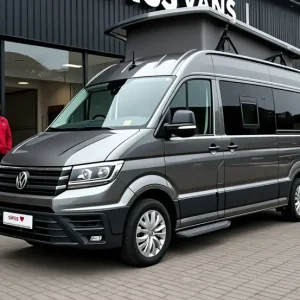
In stock now
Camper Vans For Sale
New and used commercial vans, ready to drive away. Browse by make below, or talk to the team for a deal built around your business.
Sub Categories

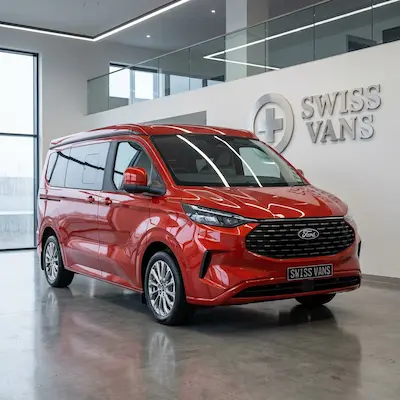
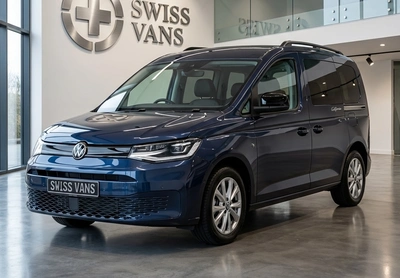
Camper Van Models Available for Sale
The world of camper vans has experienced a surge in popularity, offering a unique blend of freedom and comfort for adventurers and nomads alike. With an increasing number of camper vans for sale, finding the perfect mobile home has become both exciting and overwhelming. From small camper vans for sale to luxury options, the market caters to diverse preferences and budgets, making it possible for anyone to embark on their dream road trip or embrace a life on wheels.
This comprehensive guide explores the various aspects of purchasing a camper van, including the different types available, key features to consider, and top brands in the industry. It also delves into the pros and cons of new versus used camper vans, financing options, and tips to find the best deals near you. Whether you're looking for custom camper vans for sale or considering converted options, this article aims to equip you with the knowledge needed to make an informed decision and find your ideal home on wheels. see all van sales
Types of Camper Vans for sale
Camper vans come in various sizes and configurations, each offering unique features to suit different travel needs and preferences. Understanding the different types can help potential buyers find the perfect home on wheels for their adventures. See all van lease offers
Which Camper Van Is Right for You?
Class B motorhomes, also known as campervans or travel campers, are built on a van chassis and offer a compact yet comfortable living space. These vehicles are smaller and more manageable than larger motorhomes, making them ideal for occasional travelers. Class B motorhomes typically range from 19 to 22 feet in length and 6 to 8 feet in width, with an average height of around 8 feet 4 inches (2.5m).
These vehicles usually come equipped with essential amenities, including:
- A toilet and shower
- A well-equipped kitchen area
- Sleeping accommodations
- Storage space
One of the main advantages of Class B motorhomes is their fuel efficiency, with some models achieving up to 17 MPG. They also offer excellent mobility, allowing travelers to easily hook up and disconnect from campground facilities. Class B motorhomes are often preferred by those who enjoy frequent travel and exploration, as they provide a balance between comfort and maneuverability.
Conversion Vans camper vans for sale
Conversion vans are commercial vehicles that have been transformed into living spaces. These can range from small campervans to larger, more spacious options. Conversion vans offer flexibility in design and layout, allowing owners to customize their living space according to their needs.
There are several types of conversion vans based on size:
- Micro Campervans: These are typically derived from multi-purpose vehicles (MPVs) or cars, with a load volume between 3 to 4 cubic meters
- Small Campervans: These have a load volume between 4 to 7 cubic meters and are often based on smaller commercial vans.
- Medium Campervans: With a load volume between 7 to 12 cubic meters, these vans are commonly used by tradespeople and converted into living spaces.
- Large Campervans: These are based on large-sized vans and offer more spacious living quarters.
- Box-Van Campervans: Originally used by furniture removal companies, these vans provide the most space for conversion.
Conversion vans can be either professionally converted or DIY projects, allowing for a wide range of customization options to suit individual preferences and budgets.
Pop-Top Campers
Pop-top campers, also known as rising roof camper vans, feature an expandable roof that provides additional headroom and sleeping space when parked. These vehicles are popular due to their versatility and compact size when the roof is lowered.
Key features of pop-top campers include:
- An expanding roof that adds about 3 feet of additional space when extended
- Extra sleeping area in the raised roof section
- Improved ventilation
- Easy maneuverability for off-road adventures
Pop-top campers offer several advantages, such as better fuel efficiency due to their aerodynamic design when the roof is lowered, and the ability to access areas with height restrictions. However, they also have some drawbacks, including limited permanent storage space and potential issues with temperature control and noise insulation in the pop-top area.
When considering a pop-top camper, buyers should weigh factors such as overall versatility, storage needs, maneuverability, and comfort. While pop-tops offer unique benefits, they may not be suitable for all camping styles or climates.
Key Features to Consider
When searching for the perfect camper van for sale, several key features deserve careful consideration. These elements can significantly impact the comfort, functionality, and overall enjoyment of life on the road.
Layout and Sleeping Capacity see camper vans for sale
The layout of a camper van has a substantial influence on its livability. One crucial aspect is the sleeping area. Some vans offer fixed bed platforms with mattresses, providing instant comfort without setup hassle. Others feature fold-down beds that double as seating areas during the day, maximizing space utilization.
For those prioritizing convenience over flexibility, a fixed bed placed in a higher position can create valuable storage space beneath. However, when living space is limited, foldable beds offer better optimization. When determining size requirements, it's essential to consider body dimensions and the number of people typically traveling.
Some camper vans come with innovative solutions like pop-top roofs, which provide additional headroom and sleeping space when parked. These expanding roofs can add about 3 feet of extra space when extended, offering improved ventilation and easier maneuverability for off-road adventures.
Kitchen and Bathroom Facilities
A functional kitchen in a camper van provides convenience and freedom during road trips. When planning the kitchen layout, consider ease of use and space efficiency. Essential elements include cabinets for storing utensils, cookware, and food supplies. Efficient, lightweight, and durable appliances like compact stoves or induction cooktops are ideal choices.
High-quality dishes, silverware, and pots are worth the investment for longevity on bumpy roads. If space allows, additions like a microwave or coffee maker can enhance the cooking experience.
Bathroom facilities in camper vans vary widely. Some vans come equipped with cassette toilets, while others offer composting toilets. For those prioritizing hygiene and self-sufficiency, an indoor bathroom can be a game-changer. Modern camper vans often feature wet baths that combine toilets and showers into one compact space.
When considering bathroom options, it's crucial to think about placement near water sources, secure and convenient locations, and accurate plumbing plans. Ventilation windows or fans are essential for odor and moisture control, while waterproof electrical fixtures and energy-efficient LED lights are recommended.
Storage Options camper vans for sale
Efficient storage solutions in a camper van ensure organization and free movement inside. Strategic installation of cabinets, cubbies, and drawers can maximize every inch of available space. Utilizing areas under the bed or sink for hidden storage compartments is a smart approach.
Vertical space shouldn't be underestimated. Wall hooks can be used for hanging items like jackets or hats, while shoe racks or laundry bags can be installed. For extra gear that won't fit inside, a roof rack can securely store items like kayaks, bikes, or excess luggage.
Innovative storage solutions include overhead lockers, bulkhead storage, kitchen drawers and cabinets, and external storage boxes. Some vans offer under-bed drawers or compartments, foldable storage bins, and collapsible storage containers. Magnetic strips for kitchen tools and pegboards for accessories can also help optimize space.
By carefully considering these key features - layout and sleeping capacity, kitchen and bathroom facilities, and storage options - potential buyers can find a camper van that best suits their needs and lifestyle preferences.
Top Camper Van Brands
When it comes to camper vans for sale, several brands stand out for their quality, innovation, and popularity. These manufacturers have established themselves as leaders in the industry, offering a range of options to suit different needs and preferences.
Volkswagen
Volkswagen has a long-standing reputation in the camper van market, with its iconic models becoming synonymous with the van life movement. The Volkswagen Campervan, also known as the VW Bus, is one of the most recognizable vehicles of the 20th century. First released in 1950, it was designed as a compact, affordable way for families to travel. It quickly gained popularity for its versatility, durability, and unique style.
The Volkswagen Type 2, also called the VW Bus or the Microbus, was first produced in 1950 and became an icon of the counterculture movement in the 1960s. Its popularity has only grown in recent years. In 1957, Volkswagen introduced the Westfalia Camper, which quickly gained a following among outdoor enthusiasts. Thanks to its robust construction and comfortable interior, the Westfalia was ideally suited for camping and long-distance travel.
Today, Volkswagen continues to offer modern camper vans, with models like the California and Grand California. These vehicles combine the brand's heritage with contemporary features and technology, making them popular choices for both nostalgic enthusiasts and new camper van buyers.
Mercedes-Benz Sprinter
The Mercedes-Benz Sprinter has become a favorite base vehicle for camper van conversions, known for its reliability, spacious interior, and strong engine performance. The Sprinter offers a high roof option, ample cargo space, and is available in various lengths, making it a versatile platform for campervan conversions and luxury motorhomes.
Mercedes-Benz has partnered with renowned RV manufacturers to create high-end camper vans. For example, the collaboration between Mercedes and HYMER has resulted in several impressive models, such as the Grand Canyon S and the B-Class MasterLine. These vehicles combine Mercedes' automotive expertise with HYMER's caravanning know-how.
The Sprinter-based camper vans often come equipped with advanced features like the MBUX multimedia system, voice control, and various driver assistance systems. This makes them an excellent choice for those seeking a luxurious and technologically advanced camper van experience.
Ford Transit
The Ford Transit has established itself as a popular choice for camper van conversions, offering a balance of affordability, reliability, and versatility. As the best-selling van in the UK, the Transit has proven to be a great base vehicle for camper conversions due to its excellent driving characteristics and ease of maintenance.
Ford has recognized the growing demand for camper vans and has introduced its own factory-built model, the Transit Custom Nugget. This vehicle competes directly with established players like the Volkswagen California, offering similar features and layouts.
One of the Transit's strengths is its adaptability to various conversion styles. Whether it's a DIY project or a professional conversion, the Transit's spacious interior and robust chassis make it an excellent canvas for creating custom camper vans. The availability of different roof heights and body lengths allows for a wide range of layouts and designs to suit various needs.
In conclusion, these top camper van brands offer a diverse range of options for those looking to buy or convert a camper van. Whether you prefer the classic appeal of a Volkswagen, the luxury of a Mercedes-Benz Sprinter, or the versatility of a Ford Transit, there's a camper van to suit every taste and budget in today's market.
New vs. Used Camper Vans
When considering the purchase of a camper van, one of the most significant decisions to make is whether to opt for a new or used vehicle. Both options have their advantages and disadvantages, and the choice ultimately depends on individual preferences, budget, and intended use.
Pros and Cons
New camper vans offer the allure of being the first owner, with the vehicle in pristine condition and equipped with the latest features and technology. They typically come with a manufacturer's warranty, providing peace of mind for the initial years of ownership. However, new camper vans come with a hefty price tag, often starting from around £60,000 for factory-built models such as the VW California and Mercedes Marco Polo.
On the other hand, used camper vans present a more affordable option for many buyers. A recent model used motorhome can be found for a minimum of £20,000 to £25,000, with prices increasing based on the vehicle's age, condition, and features. Used campervans are generally cheaper, with older vans available at even lower price points.
One significant advantage of new camper vans is the additional manufacturer's warranty, which can cover the vehicle for a certain number of years or miles. This warranty can provide substantial savings on potential repair costs. Conversely, used camper vans may have limited or no warranty coverage, potentially leading to higher maintenance and repair expenses.
New camper vans also offer the benefit of a clean history and no unknown crash damage. As the first owner, there are no concerns about how previous owners may have treated the vehicle. However, new camper vans depreciate quickly, with an average drop of 20% in value as soon as they leave the forecourt. This depreciation continues for about five years before it starts to level off.
Used camper vans, while potentially having a history of previous ownership, can offer excellent value for money. They have already undergone the initial steep depreciation, making them a more cost-effective option for many buyers. However, it's crucial to thoroughly check the vehicle's history and condition before purchasing.
Where to Buy
When it comes to purchasing a camper van, buyers have several options available to them. Each avenue has its own set of advantages and considerations.
Dealerships are a popular choice for both new and used camper vans. They often provide a wide selection of vehicles and may offer additional services such as warranties, financing options, and after-sales support. New camper vans are typically available through authorized dealerships, while used vehicles can be found at both specialized camper van dealers and general used vehicle lots.
Private sellers offer another option, particularly for used camper vans. Buying from a private seller can often result in lower prices compared to dealerships, as there are no overhead costs to factor into the price. However, private sales generally come without warranties or the assurance that the vehicle has been professionally inspected.
For those interested in used camper vans, specialized shows and events can be excellent places to find a wide variety of options in one location. These events allow buyers to compare different models and speak directly with sellers or previous owners.
Online platforms have also become increasingly popular for both new and used camper van sales. Websites like Auto Trader offer a vast selection of vehicles, with 12 new and 323 used camper vans available at the time of writing. These platforms provide the convenience of browsing a wide range of options from the comfort of home.
Financing Your Camper Van
Acquiring a camper van represents a significant investment, and for many enthusiasts, finding the right financing option is crucial. This section explores various loan options and insurance considerations to help potential buyers make informed decisions.
Loan Options
When it comes to financing a camper van, several options are available to suit different financial situations and preferences. One popular choice is a personal loan, which can be obtained from banks, building societies, or finance providers. These loans typically offer competitive interest rates, especially for individuals with good credit scores. The advantage of a personal loan is that it allows the buyer to own the vehicle outright from the start.
Another option to consider is a Hire Purchase (HP) agreement. With HP, the buyer pays a deposit (usually around 10% of the vehicle's value) and then makes fixed monthly payments over an agreed term. Once the final payment is made, full ownership of the camper van transfers to the buyer. HP agreements are often quick and easy to arrange, but they can be expensive for short-term agreements.
For those who prefer flexibility, Personal Contract Purchase (PCP) might be an attractive option. PCP involves three main components: a deposit (typically 10% of the vehicle's cost), monthly payments over a set term (usually 24 to 36 months), and a final "balloon payment" known as the Guaranteed Minimum Future Value (GMFV). At the end of the term, the buyer can choose to pay the GMFV and keep the vehicle, use any equity as a deposit on a new PCP deal, or simply return the camper van.
Some buyers might consider using home equity to finance their camper van purchase. This option involves taking out cash from what has been contributed towards a home loan. However, it's important to note that this approach may increase interest repayments on the home loan, so consulting with a mortgage professional is advisable before proceeding.
For those looking for specialized financing, companies like Pegasus Finance offer motorhome loans with competitive rates. These loans can be tailored to individual needs, with terms up to 15 years and the ability to borrow between £10,000 and £350,000. Such specialized lenders often provide flexibility in terms of the vehicles they finance, including older, high-mileage, or converted campervans.
Insurance Considerations
Protecting your investment with the right insurance is as important as securing appropriate financing. Campervan insurance costs can vary significantly based on factors such as the vehicle's make, model, age, value, usage, storage location, and the owner's driving history.
When selecting an insurance policy, it's crucial to consider comprehensive coverage. This type of policy pays out to repair or replace the campervan if it's damaged in an accident or suffers malicious damage. For those on a tighter budget, third-party, fire, and theft coverage might be a more affordable option, though it provides less extensive protection.
For individuals living full-time in their campervan, specialized full-time campervan living insurance is available. This coverage is designed for those who have embraced a nomadic lifestyle and use their campervan as their primary residence.
It's important to note that converted campervans may require special consideration when it comes to insurance. Owners should declare any conversions to their insurance provider to ensure adequate coverage for modifications and contents.
To potentially reduce insurance costs, consider factors such as improved security measures (alarms, tracking devices) and secure storage options. Membership in organizations like the Camping and Caravanning Club or the Caravan and Motorhome Club may also attract insurance discounts.
When shopping for insurance, it's advisable to compare quotes from multiple providers and consider using specialized brokers who understand the unique needs of campervan owners. Don't hesitate to ask questions about specific coverage details to ensure you're getting a policy that meets your individual requirements.
Conclusion
The world of camper vans has an impact on both travel enthusiasts and those seeking a nomadic lifestyle. From compact Class B motorhomes to customized conversion vans, the market offers a wide array of options to suit different needs and budgets. Key considerations to keep in mind include layout, amenities, and storage solutions, which play a crucial role in ensuring comfort and functionality on the road. Top brands like Volkswagen, Mercedes-Benz, and Ford continue to innovate, providing reliable and feature-rich vehicles for adventurers.
When it comes to purchasing a camper van, buyers have the choice between new and used vehicles, each with its own set of pros and cons. Financing options, such as personal loans and hire purchase agreements, make owning a camper van more accessible. To wrap up, proper insurance coverage is essential to protect your investment and provide peace of mind during your travels. With careful consideration of these factors, finding the perfect camper van to embark on your next adventure becomes an exciting and achievable goal.
FAQs
What are the most reliable camper vans available?
The Mercedes Sprinter and Ford Transit are highly regarded for their reliability. These vans are celebrated for their durable performance and longevity, making them top choices for both professional and DIY camper conversions.
Is purchasing an older camper van advisable?
Buying a very old camper van, such as a VW T2 Splitscreen, might be suitable for local drives and attending summer shows. However, for more regular and comfortable use, a newer model with modern amenities is generally recommended.
Which is more cost-effective: purchasing a campervan or converting a van?
Typically, converting a van yourself is less expensive than buying a pre-made campervan. When you convert a van, you can manage your budget more effectively and source materials and parts at competitive prices, which can lead to cost savings.
Is it legal to reside permanently in a camper van?
Yes, living full-time in a motorhome is legal under certain conditions. However, there are various advantages and disadvantages to consider before deciding to live permanently in a camper van.