Mon–Fri: 08:30-17:00 | Sat: 09:00-13:00

ViberCall us on 01656 674620

Refrigerated Van Lease Deals UK
Refrigerated Van Lease

Refrigerated Van Lease Options


In today’s dynamic business landscape, finding the right vehicle to meet specific operational needs is crucial for success. refrigerated van leasing has become an increasingly popular solution for businesses across various industries. From refrigerated van lease options to camper van leases, companies can now access a wide range of customized vehicles to suit their unique requirements without the burden of ownership. Wikopedia
Choosing the ideal refrigerated  van involves considering several key factors, including the type of business, cargo requirements, and budget constraints. This article explores the different types of refrigerated available for lease, such as fridge vans, freezer vans, and automatic vans. It also delves into the benefits of leasing, various leasing options, and tips on selecting the right leasing provider. By the end, readers will have a comprehensive understanding of how to find the perfect van for their specific business needs. See all van lease hire.

Refrigerated Van Lease

Businesses today have access to a wide range of refrigerated vans to meet their unique operational needs. From small enterprises to large corporations, the right van can make a significant difference in efficiency and productivity. Let’s explore the various types of specialized vans available for lease.

Climate-Controlled Transport Leasing

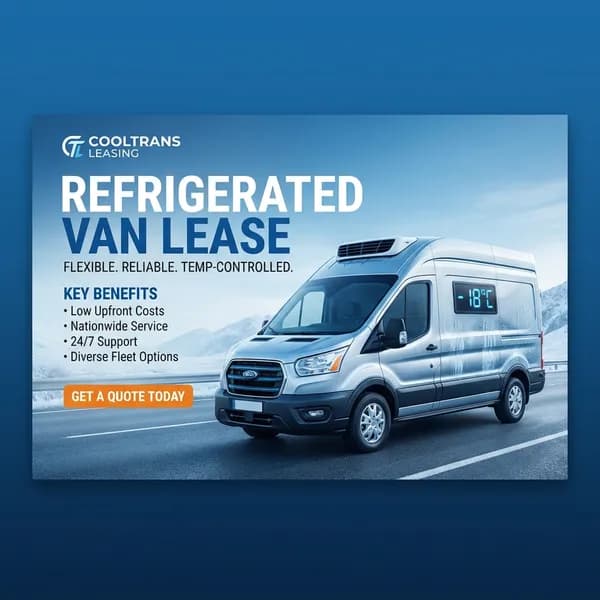
Refrigerated vans, also known as fridge vans or freezer vans, are essential for businesses transporting perishable goods. These vehicles are equipped with temperature-controlled compartments, making them ideal for:

Key features of refrigerated vans include:

Cargo Vans

Cargo vans come in various sizes and configurations to accommodate different load requirements. These include:

  1. Small vans: Ideal for tradespeople, dog walkers, and florists. They’re economical and fall into lower insurance groups.
  2. Medium vans: Perfect for transporting tools, goods, or equipment. They typically carry two passengers and one driver.
  3. Large vans: Suitable for transporting heavy or bulky items. They offer ample cargo space but may require some practice to drive.
  4. Panel vans: Designed with enclosed sides and rear, making them secure for transporting goods that need protection from the elements.
  5. Luton vans: Feature a tall, boxy cargo bay separate from the cab. They’re popular among couriers and delivery drivers for larger parcels.
  6. Box vans: Similar to Luton vans but with a consistent shape and no extra storage over the cab.
  7. Dropside vans: Ideal for easy access to cargo, with sides that can be lowered for loading and unloading.
  8. Tipper vans: Designed for quick unloading of bulk materials, with a rear platform that can be raised at an angle.

Passenger Vans Refrigerated Van Lease

Passenger vans are designed to transport people comfortably and efficiently. These include:

  1. Crew vans (Combi vans): Able to transport both people and cargo, with stowable seats to boost cargo space.
  2. Minibusses: Great for large families or businesses needing to transport up to 16 people.
  3. Campervans: Perfect for those who want to combine transportation with living space for travel and leisure.

Comparison of Van Types

To help businesses make informed decisions, here’s a comparison of some popular van types:

Van Type Best For Key Features
Ford Transit Custom Medium-sized cargo High payload, versatile body styles
Volkswagen Transporter Multi-purpose use Long-standing reliability, various configurations
Renault Trafic Fuel economy Best overall value for money, good basic features
Mercedes Vito Reliability Multiple body styles, premium brand
Vauxhall Vivaro Payload capacity High payload, different length options

When choosing a specialized van for lease, businesses should consider factors such as payload capacity, fuel economy, reliability, and overall value for money. The right choice depends on the specific needs of the business, including the type of goods transported, the number of passengers, and the required cargo space.

By leasing a specialized van, businesses can access the vehicle they need without the upfront cost of purchasing. This allows for greater flexibility and the ability to upgrade to newer models as business needs evolve.

Factors to Consider When Choosing a refrigerated van leasing Business Requirements

When selecting a Refrigerated Van Lease  businesses should first assess their specific operational needs. This includes evaluating the type of materials or products they’ll be transporting, their weight, and the required space for transportation. It’s also crucial to consider the driving environment – whether the van will be used primarily in urban areas or for long-distance travel.

For city-based businesses that don’t carry heavy loads, a compact city van might be ideal. These vehicles are perfect for navigating urban areas and are commonly used for delivery services. On the other hand, businesses that need to transport both people and equipment might find a crew van or double cab model more suitable.

Van Size and Capacity

The size and capacity of the van are critical factors to consider. Panel vans, the most popular type in the UK, come in a wide range of body shapes. Businesses can choose from long, medium, or short wheelbase options and different roof heights to suit their needs.

Payload capacity is a crucial consideration. This refers to the maximum weight a van can safely carry as specified by the manufacturer. For instance:

It’s essential to select a van with a payload capacity that can comfortably accommodate your requirements while allowing for potential future growth. Overloading a vehicle can result in fines and safety issues, so it’s vital to consider the size, weight, and types of cargo before making a decision.

Fuel Efficiency Refrigerated Van Lease

Fuel efficiency is another crucial factor to consider when choosing a specialized van. With rising fuel costs and increasing environmental concerns, selecting a fuel-efficient vehicle can lead to significant cost savings and reduce your business’s carbon footprint.

Smaller vans are often more fuel-efficient compared to larger ones. If your business involves frequent long-distance travel or deliveries, choosing a van with good fuel economy can help reduce expenses and increase profitability in the long run.

For businesses operating in cities with emission zones, such as London, considering an electric van might be beneficial. Electric vans are exempt from congestion charges and road tax, making them an economical choice for urban operations.

Comparison of Factors Refrigerated Van Lease

To help businesses make an informed decision, on Refrigerated Van Lease here’s a comparison of key factors to consider when choosing a specialized van:

Factor Small Van Medium Van Large Van
Payload Capacity 500-1000kg 1000-1500kg 1500kg+
Fuel Efficiency High Moderate Lower
Maneuverability Excellent Good Challenging in urban areas
Initial Cost Lower Moderate Higher
Running Costs Lower Moderate Higher
Ideal Use Urban deliveries, small loads Balanced cargo and passenger needs Heavy loads, long-distance travel

When making the final decision, businesses should weigh these factors against their specific needs and budget constraints. It’s important to strike a balance between size, cost, and functionality to maximize efficiency and support business growth.

Leasing Options for Specialized Vans

When it comes to acquiring specialized vans for business needs, several leasing options are available. Each option has its unique features and benefits, catering to different business requirements and financial situations. Let’s explore the main leasing options: Contract Hire, Finance Lease, and Hire Purchase.

Contract Hire Refrigerated Van Lease

Contract hire is a popular long-term rental agreement that allows businesses to use a brand-new van for a set period, typically between two and four years. Under this arrangement, the leasing company remains the registered keeper of the vehicle. Key features of contract hire include:

  1. Fixed monthly payments
  2. Inclusion of road tax and often maintenance
  3. No ownership at the end of the term
  4. Mileage restrictions may apply

Contract hire offers several advantages for businesses:

Finance Lease Refrigerated Van Lease

Finance lease is designed for businesses that may subject their vehicles to higher wear and tear. This option shares similarities with contract hire during the lease term but differs in what happens at the end. Key aspects of finance lease include:

  1. Fixed monthly payments
  2. More control over the vehicle’s use
  3. Potential financial benefit at the end of the lease
  4. Option to purchase the vehicle at a favorable price

Advantages of finance lease for businesses:

Hire Purchase Refrigerated Van Lease

Hire purchase is a finance solution that allows businesses to eventually own the van. This option involves:

  1. An initial deposit
  2. Fixed monthly installments over an agreed term
  3. Option to take full ownership at the end of the term

Benefits of hire purchase for businesses:

Comparison of Leasing Options

To help businesses make an informed decision, here’s a comparison of the three leasing options:

Feature Contract Hire Finance Lease Hire Purchase
Ownership No ownership Partial ownership (97.5%) Full ownership at end of term
Monthly Payments Lowest Moderate Highest
Mileage Restrictions Yes Flexible No
Maintenance Included Often Optional Not included
VAT Reclaim 100% on monthly fees Partial On interest only
End of Term Return vehicle Sell or refinance Own the vehicle
Suitable For Businesses preferring latest models with minimal commitment Those willing to manage vehicle condition for potential profit Businesses aiming for long-term ownership

When choosing a leasing option, businesses should consider factors such as cash flow, long-term plans, and vehicle usage. Contract hire might suit those prioritizing low monthly costs and regular vehicle updates. Finance lease could benefit businesses confident in maintaining vehicle value. Hire purchase is ideal for those aiming for eventual ownership and willing to handle maintenance responsibilities.

Benefits of Leasing a Specialized Van Cost-Effectiveness

Leasing a specialized van offers significant cost advantages for businesses. One of the primary benefits is the lower initial cash outlay compared to purchasing a van outright. This preserves a company’s cash flow for other operational needs. Additionally, leasing involves fixed monthly payments throughout the lease term, allowing for better budgeting and cash flow management.

The cost-effectiveness of Refrigerated Van Lease extends to maintenance and repairs. In most leasing agreements, these expenses are covered by the manufacturer’s warranty during the lease term. This saves businesses from unexpected costs and the hassle of managing vehicle maintenance. Optional maintenance packages are also available, which can be particularly beneficial if the lease term exceeds the manufacturer’s warranty period.

Leasing also protects businesses from the financial impact of depreciation. Unlike owning a van, where the value decreases over time, leasing allows companies to avoid this issue entirely. At the end of the lease term, the van is simply returned to the leasing company, eliminating concerns about resale value.

Flexibility Refrigerated Van Lease

Leasing provides businesses with unparalleled flexibility in managing their vehicle needs. One of the key advantages is the ability to drive newer vans with the latest features and technologies. This can be particularly beneficial for businesses that want to present a professional image to clients or rely on having reliable and up-to-date transportation.

The flexibility extends to the lease terms as well. Businesses can choose lease durations that best suit their needs, typically ranging from two to five years. This allows companies to adapt to changing business demands without long-term commitments. At the end of the lease term, businesses have the option to choose a new van, providing the opportunity to upgrade or adjust their vehicle choice based on evolving needs.

Leasing also offers flexibility in terms of fleet management. Companies can easily increase or decrease the number of vehicles leased without the long-term commitment that comes with owning a fleet. This scalability is particularly valuable for businesses experiencing growth or seasonal fluctuations in demand.

Tax Advantages Refrigerated Van Lease

Leasing a specialized van comes with several tax benefits that can significantly impact a company’s bottom line. For VAT-registered businesses, one of the most substantial advantages is the ability to reclaim the VAT paid on initial and monthly rentals, provided the van is used exclusively for business purposes.

The cost of leasing a van can also be claimed as an allowable business expense on tax returns. This means that lease payments are fully tax-deductible, reducing the company’s overall tax liability. For businesses using contract hire leases, the company doesn’t have to pay VAT on monthly finance payments.

In cases where a company has taken out a finance lease, it can offset these charges against its annual profits. Furthermore, VAT is recoverable on any service costs involved in taking out optional service or maintenance packages as part of the lease agreement.

Comparison of Benefits

To provide a clear overview of the benefits of leasing a specialized van, here’s a comparison table:

Benefit Leasing Purchasing
Initial Cost Lower upfront payment High initial investment
Monthly Expenses Fixed, predictable payments Variable (loan payments, maintenance)
Maintenance Often included in lease Additional cost to owner
Vehicle Upgrades Easy to upgrade at end of lease Requires selling and repurchasing
Tax Benefits Fully deductible lease payments Limited to interest and depreciation
Depreciation Not a concern for lessee Affects resale value
Flexibility Can change vehicles every few years Long-term commitment

By considering these benefits, businesses can make informed decisions about whether leasing a specialized van aligns with their operational needs and financial strategies.

How to Choose the Right Leasing Provider

Provider Reputation

When selecting a van leasing provider, reputation is crucial. A company with a good reputation indicates reliability and quality service. To assess a provider’s reputation, research customer reviews and testimonials. These offer valuable insights into the experiences of other businesses and can help in making an informed decision. It’s essential to choose a provider that complies with Financial Conduct Authority (FCA) regulations and is a member of the British Vehicle Rental and Leasing Association (BVRLA). This ensures fair treatment and ethical practices throughout the leasing process.

Lease Terms and Conditions

Understanding the lease terms and conditions is paramount when choosing a provider. Different providers offer various leasing options, such as Contract Hire, Finance Lease, and Hire Purchase. Each option has its own set of terms and potential benefits. For instance, Contract Hire often includes road tax and maintenance, while Finance Lease transfers ownership risks and rewards to the lessee. It’s crucial to carefully review what’s included in each agreement, such as mileage allowances, maintenance responsibilities, and end-of-lease options. Consider how these terms align with your business needs and financial goals.

Customer Support Refrigerated Van Lease

Excellent customer support is a key factor in choosing the right leasing provider. A provider that prioritizes customer satisfaction and offers personalized assistance throughout the leasing process can make a significant difference. Look for companies that provide prompt, reliable, and tailored support. This includes clear communication, transparent terms, and simplified paperwork. Good customer service not only enhances the leasing experience but also builds trust and loyalty, which is especially important given the long-term nature of leasing agreements.

Comparison of Providers

To make the best choice, it’s essential to compare different leasing providers. Consider the following factors:

  1. Range of vehicles: Choose a provider offering a wide selection of vans from reputable manufacturers.
  2. Pricing: Compare monthly rental fees, initial payments, and any additional costs.
  3. Flexibility: Look for providers offering various lease durations and mileage options.
  4. Additional services: Some providers offer extras like maintenance packages, fuel cards, or van racking.

Here’s a comparison table to help evaluate potential providers:

Factor Provider A Provider B Provider C
Vehicle Range Wide Limited Moderate
Pricing Competitive High Low
Lease Flexibility High Moderate Low
Additional Services Many Few Some
Customer Support 24/7 Business hours Online only

Remember, the right provider should offer a balance of quality vehicles, competitive pricing, flexible terms, and excellent customer service. By carefully considering these factors and comparing different options, you can choose a leasing provider that best meets your business needs and ensures a smooth, beneficial leasing experience.

Conclusion Refrigerated Van Lease

Specialized van leasing has a significant impact on businesses looking to meet their unique operational needs. The wide range of available options, from refrigerated vans to cargo and passenger vehicles, allows companies to choose the perfect fit for their requirements. By considering factors such as business needs, van size, and fuel efficiency, businesses can make informed decisions that boost their productivity and bottom line.

Leasing a specialized van brings numerous benefits, including cost-effectiveness, flexibility, and tax advantages. These perks make it an attractive option for businesses of all sizes. To make the most of van leasing and the best van lease deals, it’s crucial to choose the right provider by evaluating their reputation, lease terms, and customer support. With careful consideration and comparison, businesses can find a leasing solution that not only meets their current needs but also supports their future growth and success.

FAQs Refrigerated Van Lease

Can my business lease a short term van, or an electric van lease?
Yes, your business can lease a van or pick-up truck through a limited company van lease arrangement. This typically involves renting the vehicle for a fixed period, usually between 2 to 5 years, with fixed monthly payments.

Is leasing a van beneficial for my business?
Leasing a van can be advantageous as it generally offers lower monthly costs compared to purchasing one outright. This arrangement helps in freeing up cash flow for other business needs, making it a cost-effective solution.

Are payments for van leasing fully tax-deductible?
Yes, payments made for leasing a van are 100% tax-deductible. Since you are renting the van and not owning it, these payments are considered ongoing business expenses, which are fully deductible provided all relevant criteria are met.

Can a newly established Ltd company secure van financing?
Yes, new businesses, including newly formed Ltd companies, have access to various van financing options. These include Hire Purchase, Personal Contract Purchase, Finance Lease, and Contract Hire.