Ford Ranger Van Review: Trims, Specs & Buying Guide
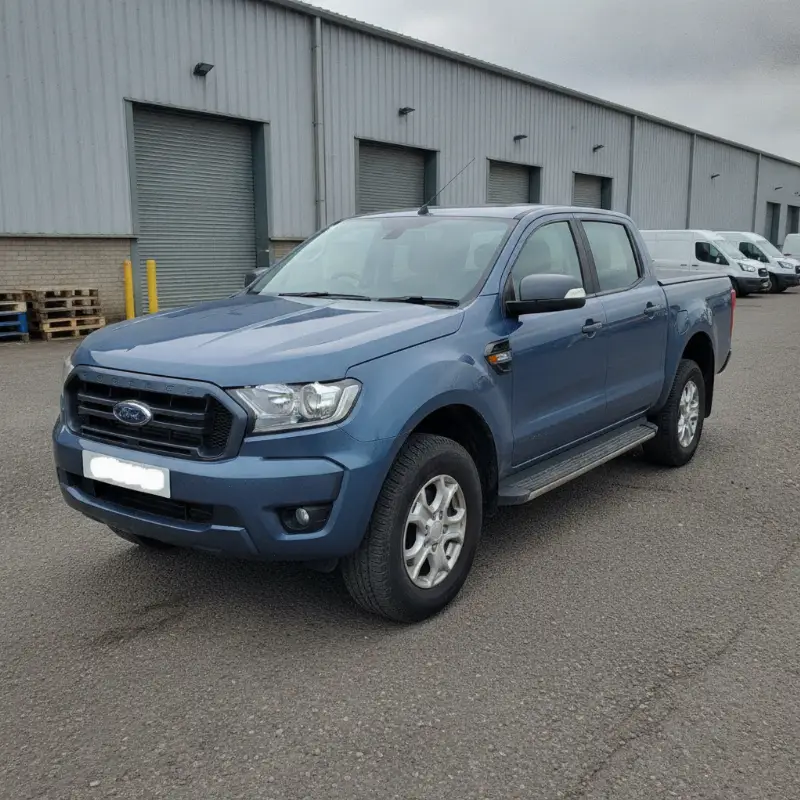
Ford Ranger Van Review: Is It the Right Pickup for UK Buyers?
The Ford Ranger has spent years at the sharp end of the UK pickup market, and for good reason. It combines proper working credentials — a one-tonne payload, three-and-a-half-tonne towing and a rugged ladder-frame chassis — with a cabin that feels closer to a family SUV than a traditional workhorse. Whether you're a builder needing a reliable site truck, a landscaper towing plant, or a company car driver looking for a tax-friendly double cab, the Ranger has a trim to match.
The current generation, launched in 2023, sharpened everything that made the outgoing model so popular. Better refinement, a wider engine choice (including a plug-in hybrid), a digital cabin and improved off-road hardware have all been added. The question isn't really whether the Ranger is any good — it's which version suits your life and work best. This review walks through the specs, the trims, older Wildtraks worth hunting on the used market, and how the new PHEV and Raptor variants stack up.
Ford Ranger at a Glance: Key Specs, Engines and Payload
The current Ranger is offered in Regular Cab, Super Cab and Double Cab body styles, though double cabs dominate UK sales. Engine choices centre on the 2.0-litre EcoBlue diesel in single-turbo (170PS) and bi-turbo (205PS) forms, a 3.0-litre V6 diesel (240PS) reserved for higher trims and the Raptor, plus the new 2.3-litre EcoBoost petrol PHEV. All Rangers use a 4x4 system on most UK-spec trims, with a 10-speed automatic gearbox available across the range and a six-speed manual on lower grades.
Payloads sit comfortably above the one-tonne mark on most commercial variants — a key threshold for VAT-reclaiming businesses — while braked towing reaches the pickup class ceiling of 3,500kg on diesel models. Ground clearance, wading depth and approach angles are all genuinely useful rather than showroom numbers, making the Ranger a credible working tool as well as a lifestyle vehicle.
How Much Can a Ford Ranger Tow and Carry?
Braked towing capacity on diesel Rangers is 3,500kg, matching the best in class. That's enough for a twin-axle plant trailer, a decent-sized caravan or a horsebox with room to spare. The PHEV drops slightly to 3,500kg on paper but you'll want to check spec sheets carefully as combined weights matter more than headline numbers when you're loaded up.
Payload varies by trim and body style but sits between roughly 1,000kg and 1,200kg on commercial-spec double cabs. Regular and Super Cabs carry more thanks to lighter kerb weights. Load area tie-downs, a factory-fit liner option and available roll covers all help make the Ranger easy to live with day-to-day.
How Big Is the Bed of a Ford Ranger?
The load bed on a current Double Cab Ranger measures approximately 1,544mm long, 1,584mm wide and 525mm deep, with 1,224mm between the wheel arches — enough to lay a Euro pallet flat between them. That between-the-arches figure is a genuine improvement over the previous generation and one of the reasons tradespeople have taken to the new truck so quickly.
How Long Is a Ford Ranger Bed by Body Style?
Bed length changes with body style. The Regular Cab offers the longest load area at around 2,305mm, the Super Cab sits in the middle at roughly 1,846mm, and the Double Cab comes in at about 1,544mm. If you regularly carry long lengths of timber, ladders or pipework, the Super Cab is often the sweet spot — you keep a small rear seating area for tools and passengers without sacrificing too much bed length.
How Many Miles Can a Ford Ranger Last? Reliability & Ownership
Well-maintained Rangers routinely reach 200,000 miles and beyond, particularly the 2.2 and 3.2-litre diesels from the previous generation, which have proven themselves in fleets and export markets worldwide. Timing belt intervals, EGR care and regular DPF regeneration cycles are the main things to stay on top of. The newer 2.0 EcoBlue engine is proving similarly durable, though it's earlier in its lifecycle.
Servicing costs are competitive against the Toyota Hilux and Volkswagen Amarok, and independent Ford specialists are easy to find across the UK. Parts availability is excellent, and the aftermarket is huge — good news if you plan to modify or need to replace consumables like brakes and suspension bushes cheaply.
Ford Ranger Wildtrak: The Best-Selling Trim Reviewed
The Wildtrak is the UK's favourite Ranger by a country mile. It hits the sweet spot between working spec and lifestyle kit, adding leather-trimmed sports seats, a larger touchscreen, 18-inch alloys, matrix LED headlights, a locking rear differential and distinctive Wildtrak badging and orange interior accents. It's the trim most fleet buyers default to, and it holds its value particularly well on the used market.
Ford Ranger Wildtrak — How Much Does It Cost?
New Wildtrak double cabs sit in the mid-£40,000s on the road with the 205PS bi-turbo diesel, rising as you add the V6, roll covers, tow packs and paint options. Commercial pricing (ex-VAT) makes the Wildtrak notably more attractive to VAT-registered buyers, and Ford's business offers frequently reduce the effective outlay further.
New Ford Ranger Wildtrak (Current Generation) Review
Behind the wheel, the latest Wildtrak feels a generation ahead of the truck it replaced. The 12-inch portrait touchscreen dominates the dashboard, physical climate controls remain (thankfully), and the ride is noticeably more settled than before, particularly when unladen. The bi-turbo 205PS diesel is the pick for most drivers — smooth, quiet at motorway speeds and paired with a slick 10-speed auto. Off-road, selectable drive modes and the rear locker make short work of muddy sites and slippery inclines.
Ford Ranger Wildtrak Lease vs Buy
For businesses, leasing a Wildtrak often makes strong financial sense: fixed monthly costs, no residual value risk, and simple accounting treatment. Outright purchase suits owners who cover very high mileages or want to keep the truck long-term, particularly given the Ranger's strong residuals. Contract hire and business contract purchase are the two most common routes; a good broker will price both against your usage profile.
Modified Ford Ranger Wildtrak: Popular Upgrades
The Wildtrak is a favourite base for modification. Popular upgrades include a two-inch suspension lift, all-terrain tyres on 17 or 18-inch alloys, snorkels, front bull bars, LED light bars, side steps, load bay drawer systems and roof tents. Aftermarket styling packs from firms like MS-RT, Predator and Seeker are widely available and can transform the truck's presence without affecting the factory warranty when fitted by approved installers.
Wildtrak Through the Years: Older Generations Reviewed
The Wildtrak name has been on Rangers since the mid-2000s, and each generation has its own character on the used market. Here's what to know if you're shopping older stock.
2008 Ford Ranger Wildtrak Review
The 2008 Wildtrak arrived with the 3.0-litre TDCi diesel, offering 156PS and a chunky 380Nm of torque. It was the first Ranger to really lean into the lifestyle image, with body-coloured sports bar, side steps and unique interior trim. Rust on the chassis and rear wheel arches is the main concern at this age — always inspect underneath thoroughly before buying.
2009 Ford Ranger Wildtrak Review
The 2009 model carried over largely unchanged mechanically but benefited from minor interior updates. It remains a cheap route into Wildtrak ownership, but expect to spend money on suspension bushes, EGR cleaning and possibly injectors. A well-cared-for example with full service history is still a capable working truck.
2010 Ford Ranger Wildtrak: Specs and What to Look For
By 2010 the Wildtrak had settled into its role. Check for signs of heavy commercial use — worn load bays, damaged tailgate hinges and neglected servicing are common. A verified cambelt change is essential on the 3.0 TDCi.
2010 Ford Ranger Wildtrak for Sale — Buyer's Tips
Prices for tidy 2010 Wildtraks now sit in the £7,000–£12,000 range depending on mileage and condition. Look for full main-dealer or specialist history, no evidence of rust repair on the chassis rails, and a straight, uncorroded load bay. Automatic gearboxes should shift smoothly without flare between ratios.
2010 Ford Ranger Wildtrak Specs in Detail
Power came from the 3.0-litre TDCi producing 156PS and 380Nm, driving through a five-speed automatic or manual. Payload was around 1,090kg with braked towing of 3,000kg. Standard kit included climate control, cruise, alloy wheels, side steps and the distinctive Wildtrak sports bar.
2011 Ford Ranger Wildtrak Review
2011 was the final year of the outgoing Ranger before the all-new T6 generation arrived. As a result, 2011 trucks are the most refined of the old-shape Wildtraks and often the best-preserved. They're a savvy buy if you want proven mechanicals without the electronic complexity of newer models.
2011 Ford Ranger Wildtrak Specs
Specs mirrored the 2010 truck: 3.0 TDCi diesel, five-speed auto or manual, part-time 4x4 with low range, and Wildtrak-specific styling. Fuel economy was a claimed 30mpg combined, though real-world figures were nearer 25mpg.
2011 Ford Ranger Wildtrak Accessories Worth Fitting
Sensible upgrades on a 2011 Wildtrak include a hardtop canopy or roll-top cover to protect the bed, a set of quality all-terrain tyres, uprated LED headlight bulbs and a dashcam. Underbody rustproofing is arguably the single best investment you can make on any old-shape Ranger — chassis corrosion is what kills these trucks eventually.
Ford Ranger Raptor: The Performance Pickup
The Raptor sits at the top of the Ranger range and is a very different animal to the working-spec trucks below it. Wider tracks, Fox Live Valve dampers, a twin-turbo 3.0-litre EcoBoost petrol V6 producing 292PS and unique bodywork mark it out. It's not really designed as a workhorse — payload drops to around 620kg — but as a high-speed off-roader and lifestyle statement, nothing else in the class comes close.
New Ford Ranger Raptor Review
On the road the Raptor is fast, loud and hugely entertaining. The V6 has genuine sports-car character, the exhaust barks on upshifts and the long-travel suspension soaks up broken B-roads better than most SUVs. Off-road it's astonishing — Baja mode, disconnectable anti-roll bars and skid plates let you drive it hard in ways no other production pickup can match. Fuel economy in the low 20s is the price you pay.
Ford Ranger Raptor for Sale — What to Expect
New Raptors sit around the £70,000 mark on the road. Used previous-generation Raptors (with the 2.0 bi-turbo diesel) start from around £35,000 and hold their value strongly. Check for evidence of hard off-road use, particularly damaged skid plates, bent suspension arms and tyre wear from high-speed running.
Ford Ranger Raptor Lease Options
Because the Raptor is a petrol and doesn't meet the one-tonne payload threshold, most VAT-registered businesses can't reclaim tax on it as easily. Personal contract hire is therefore the most common way to run one, with fixed monthly payments over two to four years. Broker deals vary widely, so shop around and consider the mileage allowance carefully — Raptors get used.
Ford Ranger MSRT Review
MS-RT (Motorsport with Ford) takes standard Rangers and gives them a full aero and interior transformation: widened arches, deep front and rear bumpers, side skirts, quad exhausts and unique alloys, plus Alcantara-trimmed cabin upgrades. It's a Ford-approved conversion, sold through selected dealers with full warranty. Mechanically the truck is largely standard, so you keep the diesel's economy and towing ability while gaining serious road presence.
Ford Ranger MSRT for Sale in the UK
MS-RT Rangers are relatively rare, with build numbers limited each year. New prices sit north of £60,000, and used examples tend to hold value well thanks to their exclusivity. Look for full documentation confirming the MS-RT conversion was carried out by an approved dealer rather than a copy or partial fit — genuine trucks come with a build plate and paperwork.
Ford Ranger Predator: The Styled-Up Alternative
The Predator conversion is another popular route to a distinctive Ranger. Sold through selected Ford dealers, it adds an aggressive body kit, unique alloys, tinted lights and interior touches without changing the mechanicals. It's cheaper than an MS-RT conversion and offers a slightly more rugged aesthetic — better suited to off-road use than the road-focused MS-RT.
Ford Ranger PHEV: The New Plug-In Hybrid Pickup
The Ranger PHEV is a landmark model — the first mainstream plug-in hybrid pickup in the UK. It pairs a 2.3-litre EcoBoost petrol with an electric motor and battery, delivering around 45 miles of pure electric range and combined outputs suitable for full 3,500kg towing. For business users, the low BiK banding potential and ability to run electric-only around town make it a compelling company vehicle. Charging is via a standard Type 2 connection, and the truck can also act as a mobile power source through onboard sockets — genuinely useful for trades working off-grid.
Ford Ranger Finance and PCP Deals
The Ranger is available on a full range of finance products including Hire Purchase, Personal Contract Purchase (PCP), Personal Contract Hire (lease) and business equivalents. Which suits you depends on whether you're a VAT-registered business, a sole trader or a private buyer, and how long you intend to keep the truck. Deposits, mileage allowances and term lengths all flex to match your budget.
Ford Ranger PCP Deals Explained
PCP splits the cost of the Ranger into three parts: an initial deposit, monthly payments across two to four years, and a final optional balloon payment (the Guaranteed Future Value) if you want to keep the truck at the end. Because the balloon is deferred, monthlies are lower than on Hire Purchase. At the end of the term you can pay the balloon and own the truck outright, hand it back with nothing further to pay (subject to mileage and condition), or use any equity as a deposit on your next Ranger. It's a flexible product that suits buyers who like to change vehicles every few years.
Verdict: Should You Buy a New or Used Ford Ranger?
The Ford Ranger remains one of the most complete pickups on sale in the UK. Buy new if you want the latest cabin technology, the PHEV powertrain or the extraordinary Raptor — and if you can take advantage of business tax treatment. Buy used if you want proven mechanicals and value: a good 2019–2022 Wildtrak represents strong value, and even older 3.2-litre trucks have plenty of life in them with sensible maintenance.
For most UK buyers, a current-generation Wildtrak double cab with the 205PS bi-turbo diesel is the sweet spot — capable, well-equipped, tax-efficient and easy to live with. If badge presence matters more than payload, look at MS-RT or Predator; if you want the toughest thing on the market, the Raptor is unmatched. Whichever route you take, the Ranger continues to deserve its place at the top of the UK pickup sales charts.
FAQs
Is the Ford Ranger a good van to buy, and which trim is right for me?
Yes — the Ford Ranger is one of the most capable and refined pickups on the UK market, with class-leading towing, strong payloads on commercial variants and a cabin that feels closer to an SUV than a traditional workhorse. For most buyers the Wildtrak double cab is the sweet spot, balancing spec, price and residuals. Choose the Raptor if you want a high-performance off-roader, the MS-RT for road-focused style, and the new PHEV if low-emission running and business tax efficiency matter most.
What's the difference between the Ford Ranger Wildtrak and Raptor?
The Wildtrak is a working-plus-lifestyle trim built on the standard Ranger chassis with a diesel engine, a one-tonne-plus payload and full 3,500kg towing. The Raptor is a performance variant with a twin-turbo petrol V6, Fox Live Valve suspension, wider tracks and a reduced payload of around 620kg. The Wildtrak is the sensible all-rounder; the Raptor is a specialist high-speed off-roader.
How long will a Ford Ranger last?
With regular servicing, a Ford Ranger will comfortably cover 200,000 miles or more. The 2.2 and 3.2-litre diesels from the previous generation are especially proven, and the current 2.0 EcoBlue is showing similar durability. Timing belt intervals, DPF regeneration and chassis rustproofing on older trucks are the key maintenance points to stay on top of.
Can I get a Ford Ranger on PCP or lease?
Yes. The Ranger is available on Personal Contract Purchase, Hire Purchase and personal or business lease. PCP suits buyers who like to change vehicles every two to four years, while business contract hire is popular with VAT-registered companies wanting fixed monthly costs. Terms, deposits and mileage allowances can all be tailored to your usage.
Is the Ford Ranger PHEV worth waiting for?
If you're a business user or drive short daily distances with occasional longer trips, yes. The PHEV offers around 45 miles of electric range, retains full 3,500kg towing capability and offers strong Benefit-in-Kind advantages for company car drivers. If you tow heavy loads over long distances every day, a diesel Wildtrak or V6 will still be the more practical choice.