Why Won't My Peugeot Partner Van Start? Common Causes and Fixes
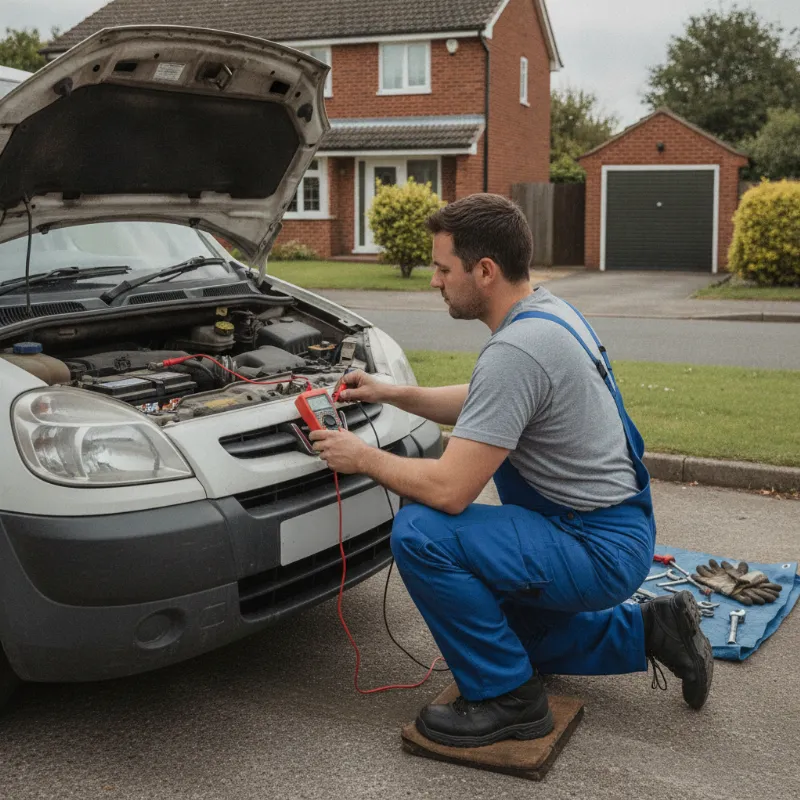
Why Won't My Peugeot Partner Van Start? Quick Diagnosis
Few things throw a working day into chaos quite like turning the key in your Peugeot Partner and being met with silence, a stubborn click, or a slow, wheezing crank that never quite catches. The good news is that the Partner is a well-understood workhorse, and the reasons it refuses to start almost always fall into a handful of predictable categories: battery and electrical faults, starter or ignition problems, or something amiss in the fuel system.
Before you reach for the phone, take a moment to listen and look. Does the dashboard light up when you turn the key? Do you hear a click, a whirr, or absolutely nothing? Does the engine turn over but fail to fire, or does it crank normally and then die a few seconds later? Each of these symptoms points down a different diagnostic path, and working through them methodically will save you time and money. This guide walks through the most common culprits on both petrol and diesel Partner vans, including quirks specific to older models and the longer wheelbase variants.
Battery and Electrical Issues
By some margin, the most frequent reason a Peugeot Partner won't start is electrical. Vans that spend long periods parked between jobs, do lots of short trips, or run heavy loads on the auxiliary sockets are especially prone to battery-related no-starts.
Flat or Failing Battery
If your dashboard lights are dim, the interior lights flicker when you turn the key, or you hear only a faint click, a flat or dying battery is the prime suspect. Partner batteries typically last four to six years, and cold mornings often expose one that's been on its last legs for months. Try jump-starting from another vehicle or a jump pack; if the van fires up immediately and runs normally, take it for a decent 30-minute drive to recharge, then have the battery load-tested. A battery that won't hold charge after a proper drive needs replacing rather than repeatedly boosting.
Corroded Terminals and Loose Connections
Even a healthy battery is useless if the current can't flow. Pop the bonnet and inspect the terminals for the tell-tale white or green fluffy deposit of corrosion, and give both clamps a wiggle to check they're tight. A wire brush, a spanner, and a smear of petroleum jelly on the posts often solves a no-start that looks far more sinister than it really is. Don't forget the earth strap between the engine or chassis and the battery negative — a corroded earth is a classic Partner gremlin that can cause everything from a dead crank to bizarre electrical faults.
Alternator Problems
If your battery keeps going flat despite being replaced, or the battery warning light glows on the dash while driving, the alternator may be failing. A weak alternator can't keep the battery topped up, so eventually you're left stranded. Auto-electricians can test alternator output in minutes, and replacement is a straightforward job on the Partner.
Starter Motor and Ignition Faults
When the battery checks out but the engine still won't turn, attention shifts to the starter motor, the ignition switch, and the anti-theft systems that sit between them.
Clicking Sound When Turning the Key
A single loud clunk, or a rapid chattering click, with plenty of power at the lights usually means the starter motor solenoid is engaging but the motor itself isn't spinning. This can be caused by worn brushes inside the starter, a stuck solenoid, or a poor connection on the heavy starter cable. On higher-mileage Partners, an old trick is to gently tap the starter body with a hammer while someone turns the key — if it fires up, you've confirmed the starter is on its way out and needs replacing.
Immobiliser and Key Fob Issues
Peugeot Partners rely on a coded key that communicates with the immobiliser every time you try to start the engine. If the key fob battery is flat, or the transponder chip inside the key has failed, the van will crank happily but never fire — because fuel and ignition are being cut. Look for a key or padlock symbol flashing on the dashboard. Try your spare key; if the spare works, the primary key needs a new fob battery or reprogramming. Occasionally the immobiliser aerial ring around the ignition barrel itself fails, which requires a diagnostic scan to confirm.
Fuel System Problems
If the engine cranks strongly but simply won't catch, or catches briefly and dies, you're almost certainly looking at a fuel delivery issue.
Empty Tank or Faulty Fuel Pump
It sounds obvious, but a faulty fuel gauge on an older Partner can leave you convinced you've got a quarter tank when in fact you're bone dry. Put a few litres in from a can and try again. If the tank definitely has fuel but you can't hear the low hum of the fuel pump priming for a couple of seconds when you turn the key to position II, the pump or its relay may have failed.
Blocked Fuel Filter (Diesel Partner Models)
Diesel Partners — particularly the 1.6 HDi and 2.0 HDi — are sensitive to fuel filter condition. A clogged filter starves the injection system, causing hard starting, lumpy running, and eventual no-start. Peugeot recommend changing the filter roughly every 25,000 to 30,000 miles, but van use often means it should be done more frequently. It's an inexpensive service item that prevents far more expensive injector damage down the line.
Diesel Glow Plug Failure in Cold Weather
If your diesel Partner starts fine in summer but cranks for ages before firing on a frosty morning — often with a puff of white smoke — one or more glow plugs have likely failed. The glow plug warning light (a coil symbol) should extinguish quickly on a healthy engine; if it stays on, or if you see fault codes stored, get the plugs and their relay tested. Replacing all four together is standard practice.
Common Peugeot Partner Van Starting Faults by Age
Certain no-start issues cluster around particular Partner generations, and knowing what's typical for your model year makes diagnosis a lot faster.
Older Partner Vans (2003–2008)
First and early-second generation Partners are now well past their prime, and age-related electrical faults dominate. Corroded earth points under the battery tray, tired starter motors, failing HDi fuel pumps, and worn ignition barrels are all common. The BSI (built-in systems interface) module can also throw up peculiar starting faults on these vans, sometimes cured by disconnecting the battery for 20 minutes to force a reset. If you're pouring money into an older Partner every few months, it may be time to weigh repairs against replacement.
Later Peugeot Partner and Partner Long Wheelbase Models
The post-2008 B9 Partner and the current-generation K9 share more sophisticated electronics, which brings different failure modes. Stop-start systems place heavier demands on the battery, so an AGM or EFB-specification replacement is essential — fitting a standard battery will cause repeated no-starts. Diesel particulate filter (DPF) regeneration issues, faulty crankshaft position sensors, and injector coding problems are all recognised causes of hard starting on newer Partners, and most need plugging into a diagnostic tool to identify.
Peugeot Partner LWB Starting Considerations
The long wheelbase Partner carries the same engines and electrics as the standard model, but its typical working life is often tougher: heavier loads, more miles, and more time spent idling on site. That means batteries, starters, and glow plugs generally reach the end of their service lives sooner than on a lightly used short-wheelbase van. If you run a fleet of LWB Partners, planning battery and fuel filter replacements as preventative maintenance rather than waiting for a breakdown will pay for itself in avoided recovery callouts and lost working days.
When to Call a Mechanic vs Upgrade Your Van
Simple fixes — a jump start, cleaned terminals, a new key fob battery, a fresh fuel filter — are well within the scope of a handy owner. Anything involving the immobiliser, the BSI, injector coding, or diagnostic fault codes really needs a mechanic with the correct Peugeot software. As a rule of thumb, if you've spent more than half the van's current value on repairs in the last twelve months, or you're now nervous every time you turn the key on a job day, the sums start to favour replacement over yet another fix. A van that won't reliably start isn't just an inconvenience — it's lost customers, missed deliveries, and a real hit to your reputation.
Thinking of Replacing Your Partner? Explore New and Used Options
If repeated no-starts are the final straw, it's worth having a look at what's available before you commit to another repair bill. The current Peugeot Partner offers dramatically improved reliability, modern safety kit, and far better fuel economy than the older HDi models, and there's a healthy used market for nearly-new examples that offer most of those benefits at a lower price. Whether you stick with the Partner badge or explore alternatives from Citroen, Vauxhall, Ford or Volkswagen, choosing a van that fires up first time, every time, is the best investment you can make in your working day.
FAQs
What are the most common reasons a Peugeot Partner van won't start, and how do I fix them?
The most common causes are a flat or failing battery, corroded battery terminals, a faulty starter motor, immobiliser or key fob problems, and — on diesel models — a blocked fuel filter or failed glow plugs. Start by checking whether the dashboard lights are strong when you turn the key: dim lights point to the battery or connections, a loud click with strong lights points to the starter, and normal cranking without firing points to fuel, glow plugs, or the immobiliser. Simple fixes like cleaning terminals, replacing the fuel filter or trying the spare key solve many no-starts; anything involving diagnostic fault codes needs a mechanic with Peugeot software.
Why does my Peugeot Partner crank but not start?
If the engine turns over normally but won't fire, it's almost always a fuel, ignition or immobiliser issue rather than a battery problem. On diesel Partners, check for failed glow plugs (especially in cold weather) or a blocked fuel filter. On any Partner, a flashing key or padlock symbol on the dash suggests the immobiliser isn't recognising the key — try your spare, and if that works you likely need a new fob battery or key reprogramming.
How much does it cost to fix a Peugeot Partner that won't start?
Costs vary widely by cause. A new battery is typically £90–£180 fitted, a fuel filter change £60–£120, and a set of glow plugs around £150–£250. Starter motor replacement usually falls between £250 and £450 depending on labour rates, while diagnostic work to pin down immobiliser or BSI faults is often charged as an hour of workshop time before parts. Always get a written quote before authorising work.
Can I jump-start a Peugeot Partner van safely?
Yes, the Partner can be jump-started using standard jump leads or a jump pack, following the usual sequence: red to the flat positive, red to the donor positive, black to the donor negative, and black to an earth point on the flat vehicle's engine block rather than directly to the battery negative. Let the donor van run for a few minutes before attempting to start, and once running, drive the Partner for at least 30 minutes to recharge properly. If it won't hold charge after that, the battery or alternator needs professional testing.
Is it worth repairing an older Peugeot Partner that keeps failing to start?
That depends on the overall condition, mileage, and how much you've already spent. A one-off repair on an otherwise sound van almost always makes sense. But if you're facing repeated electrical or fuel system faults on a high-mileage Partner and repair costs are creeping past half the van's market value in a single year, replacement usually works out cheaper and far less disruptive to your business than the ongoing downtime.