What Van Is the Peugeot Partner? A Complete Buyer's Guide
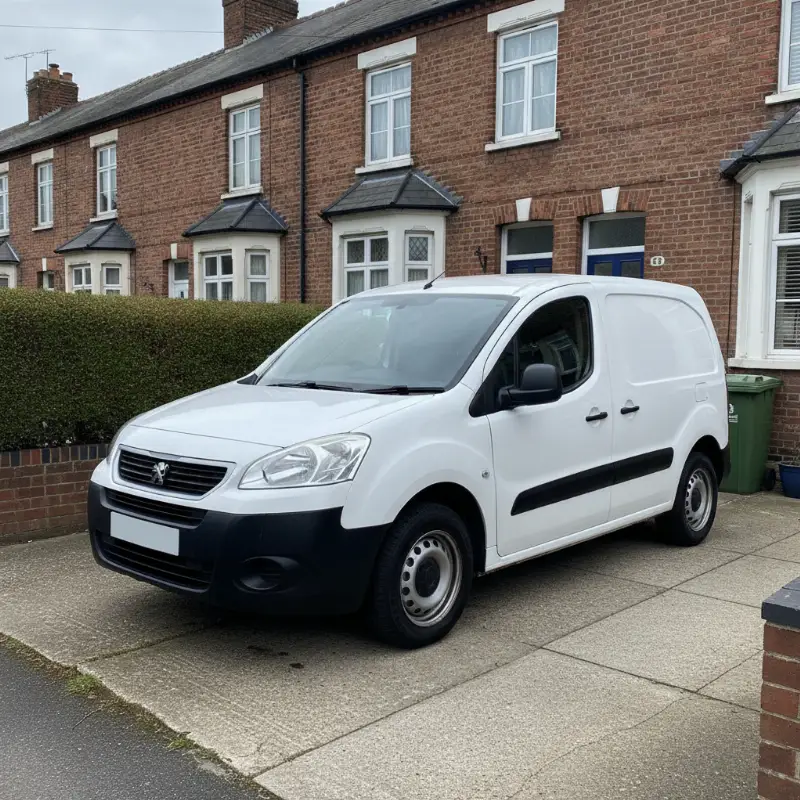
What Is the Peugeot Partner? A Quick Overview
The Peugeot Partner is a small panel van — technically a compact light commercial vehicle (LCV) — designed to slot in below larger models like the Peugeot Expert and Peugeot Boxer. It sits in the same class as vans such as the Ford Transit Connect, Volkswagen Caddy and Vauxhall Combo, aimed at tradespeople, couriers, mobile service businesses and fleet operators who need a practical, car-like van for daily work.
The Partner is car-derived in feel, which is a big part of its appeal. It drives more like a small hatchback than a traditional commercial vehicle, but underneath it offers genuine payload capacity, a proper cargo area with a bulkhead, and the kind of side loading door and rear access you'd expect from a working van. In short: it's a small van built to be easy to live with every day.
Peugeot Partner Van History: From Original to Current Model
The Peugeot Partner has been around since 1996 and is now in its third generation. The original Mk1 (1996–2008) established the formula — a small, affordable, French-built panel van sharing its underpinnings with the Citroën Berlingo. It became a familiar sight on UK roads with plumbers, electricians and small businesses.
The second generation launched in 2008 and ran through to 2018, growing in size and refinement and gaining more modern engines, better safety kit and a smarter cabin. The current third generation Partner arrived in 2018 (badged in some markets as part of the wider Stellantis small van family alongside the Citroën Berlingo, Vauxhall Combo and Toyota Proace City). It uses the EMP2 platform and brought a big step forward in interior quality, technology and, more recently, the option of a fully electric drivetrain — the e-Partner. If you're browsing used listings, it's worth knowing which generation you're looking at, because features, dimensions and load capacity vary considerably between them.
Peugeot Partner Body Styles and Sizes Explained
One of the first decisions any Partner buyer faces is which length to go for. The current Partner is offered in two body lengths, referred to as Standard (sometimes called SWB) and Long (LWB). Both share the same basic panel van layout with twin sliding side doors available and asymmetric rear barn doors or a tailgate on some trims.
Peugeot Partner Short Wheelbase (SWB / Standard)
The Standard-length Partner is the more popular choice for urban work. It's compact enough to fit comfortably in a standard parking bay and threads through tight city streets without drama, but still swallows a Euro pallet thanks to the clever Multi-Flex load-through bulkhead when fitted. This is the version most tradespeople, couriers and mobile fitters will find easiest to live with day to day, particularly if you're regularly loading and unloading in busy town centres.
Peugeot Partner LWB (Long Wheelbase)
The Long version adds around 350mm of extra length, almost all of it going into the load bay. That gives you meaningfully more floor space for longer items — think lengths of pipe, timber, ladders or larger parcels — while retaining the same driving character up front. If your work involves bulkier loads or you regularly need to carry longer materials, the LWB is well worth the small premium. It's also the natural pick if you want to fit shelving or racking without eating into your usable cargo length.
Peugeot Partner Dimensions and Load Space
On the current model, the Standard Partner measures around 4.4 metres long, while the Long version stretches to roughly 4.75 metres. Both are around 1.85m tall and just under 2.16m wide including mirrors, which keeps them easy to place on the road and, crucially, allows them to fit under most height barriers at supermarkets and multi-storey car parks — a big practical win over larger vans.
Load volume ranges from about 3.3 cubic metres in the Standard van up to around 4.4 cubic metres in the Long version with the load-through bulkhead in use. Payloads typically sit between 650kg and 1,000kg depending on engine, trim and body length — always check the plate on the specific van you're considering, as options and accessories can eat into payload. Access is via twin sliding side doors on most versions and either 60/40 split rear barn doors or a single lifting tailgate.
Engines, Trims and Cab Options
The bulk of Partner sales in the UK have been diesel, and the current model is offered with Peugeot's 1.5-litre BlueHDi diesel in a range of power outputs (commonly 75, 100 and 130 horsepower), paired with either a six-speed manual or an eight-speed automatic gearbox on higher-powered variants. Earlier generations used 1.6 HDi diesels and a small selection of petrol engines, though petrol Partners are rare in the UK.
The zero-emission e-Partner joined the range more recently, using a 50kWh battery and an electric motor producing around 136hp, with a real-world range suited to urban and regional delivery work. Trim levels are usually badged S, Professional and Asymmetric (with earlier generations using names like S, SE, Professional and Grip), rising from basic work-focused kit up to versions with alloy wheels, sat-nav, parking sensors and a smarter cabin. Cab options include the standard two-seat cab and a three-seat cab with a folding centre section — the latter is particularly useful thanks to the Multi-Flex bulkhead, which folds down to let you slide longer loads under the passenger seats.
How Many Seats Does a Peugeot Partner Van Have?
Most Peugeot Partner panel vans come with either two or three seats up front. The two-seat cab is standard on entry-level models, while three-seat cabs are widely available and often specified by trades who occasionally carry a mate or apprentice to a job. If you regularly need to seat more people, Peugeot also sells the Partner as a Crew Van (with a second row of seats behind the driver, seating up to five in total) and there's a passenger-carrying version — the Partner Rifter, or on the previous generation the Partner Tepee — which is registered as a car rather than a van and seats up to seven.
For most working buyers, the choice comes down to two or three seats in the panel van, with the three-seat option worth having if you ever share the cab or want the extra load-through practicality of the Multi-Flex bulkhead.
Is the Peugeot Partner Any Good? Common Verdicts from Owners
The current Peugeot Partner is generally well regarded and has won multiple International Van of the Year awards in its class, which is a strong endorsement from a jury of commercial vehicle journalists. Owners tend to praise its car-like driving position, refined ride, comfortable seats and modern cabin — including the small "i-Cockpit" steering wheel and raised digital display, which divides opinion but suits most drivers once they've adjusted.
On the practical side, the load-through bulkhead, generous side door apertures and low load lip get consistent praise. Fuel economy from the 1.5 BlueHDi engines is strong, with many owners reporting mid-40s to mid-50s mpg in mixed driving. On the downside, some owners flag the touchscreen infotainment as fiddly, and, as with most modern diesels, there have been isolated reports of AdBlue and DPF issues on high-mileage examples — so full service history matters when buying used. Overall, most Partner drivers rate it as one of the more comfortable and pleasant small vans to spend a working day in.
Buying, Leasing or Financing a Peugeot Partner
There are several ways to get into a Peugeot Partner, and the right one depends on your business setup and how you like to manage cash flow. Buying outright makes sense if you have the capital and plan to keep the van for many years — you'll own an asset from day one and can spec it exactly as you like. Used Partners are widely available across all three generations, with plenty of ex-fleet examples on the market at attractive prices.
Hire Purchase (HP) spreads the cost over fixed monthly payments, with ownership passing to you at the end. Personal Contract Purchase (PCP) and Business Contract Purchase work similarly but with a larger optional final payment, keeping monthly costs lower. Contract Hire — essentially business leasing — is the most popular route for VAT-registered businesses and fleets: you pay a fixed monthly rental for an agreed term and mileage, hand the van back at the end, and typically benefit from tax and VAT advantages. Whichever route you choose, it's worth getting quotes for a couple of options side by side, and factoring in servicing, tyres and insurance as well as the monthly figure.
Which Peugeot Partner Is Right for You?
If you spend most of your day in town, carry modest loads and want a van that's easy to park and cheap to run, the Standard-length Partner with the 100hp 1.5 BlueHDi engine and a mid-spec trim is the sweet spot for most buyers. Urban delivery operators and businesses with a set daily route should seriously consider the e-Partner — running costs can be dramatically lower and it dodges city clean air charges.
Tradespeople who carry longer materials, or anyone regularly loading full-length timber, pipe or ladders, will get more from the Long wheelbase, ideally with the three-seat cab and Multi-Flex bulkhead. Higher-mileage motorway drivers might prefer the 130hp automatic for its relaxed cruising. Whichever version fits your work, the Peugeot Partner remains one of the most car-like, comfortable and well-equipped small vans on the UK market — and there's a strong case for it whether you're buying new, used or on a lease.
FAQs
What kind of van is the Peugeot Partner?
The Peugeot Partner is a small panel van (a compact light commercial vehicle) sitting below the mid-size Peugeot Expert and large Peugeot Boxer in the range. It's aimed at tradespeople, couriers and small businesses, competing with vans like the Ford Transit Connect, Volkswagen Caddy and Vauxhall Combo. It's offered in two body lengths, with diesel or fully electric drivetrains.
What's the difference between the Peugeot Partner and the Peugeot Rifter?
The Partner is the commercial panel van, registered as a light goods vehicle and designed to carry loads. The Rifter is the passenger version built on the same platform — it's registered as a car, has full rear seating for up to seven people and windows all round. Older versions of the passenger model were called the Partner Tepee.
How much can a Peugeot Partner carry?
Depending on the version, the current Peugeot Partner offers between roughly 3.3 and 4.4 cubic metres of load volume and a payload of around 650kg to 1,000kg. The Long wheelbase gives you noticeably more floor length for bulky or longer items, and the Multi-Flex bulkhead lets you slide extra-long loads under the front passenger seats.
Is the Peugeot Partner reliable?
The current Partner is generally considered reliable and has won multiple Van of the Year awards. The 1.5 BlueHDi diesel engine has a good reputation for economy and durability. As with any modern diesel, look out for AdBlue system and DPF issues on high-mileage examples, and always buy with a full service history for the best long-term peace of mind.
Is the electric e-Partner worth it?
For urban and regional delivery work, the e-Partner can be very compelling. Running costs are typically much lower than diesel, it's exempt from clean air and congestion charges in most UK cities, and the load space and payload are broadly comparable to the diesel version. It's less suited to drivers doing very high daily motorway mileage, where a diesel Partner still makes more sense.