Are Peugeot Partner Vans Any Good? An Honest Review
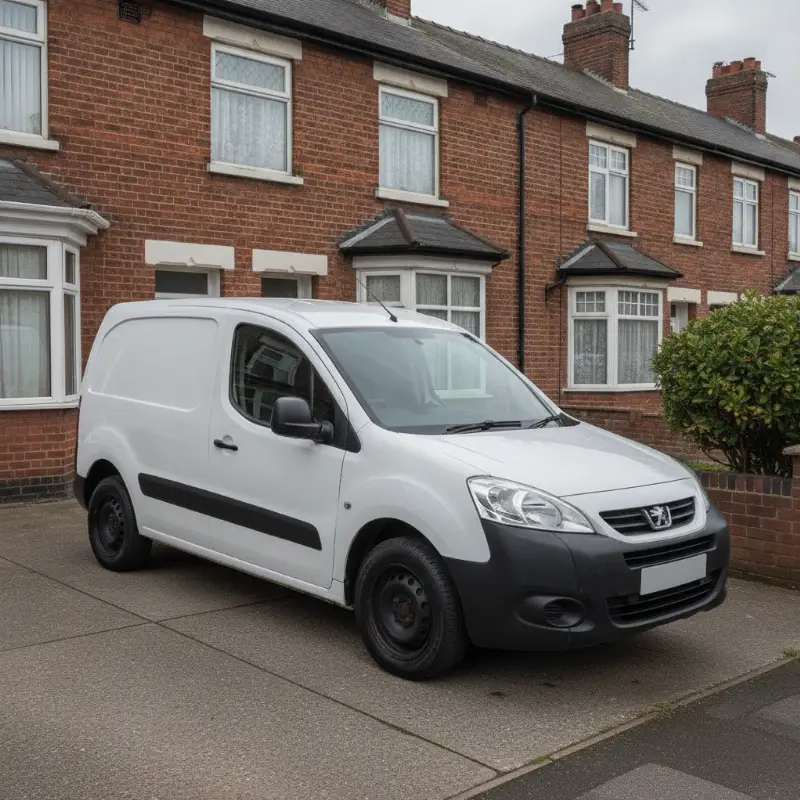
Are Peugeot Partner Vans Any Good? The Short Answer
Yes — the Peugeot Partner is one of the strongest small vans on the UK market and has been a consistent favourite with tradespeople, fleet buyers and small business owners for years. It's practical, cheap to run, comfortable to drive and packed with clever load-area features that put many rivals in the shade. It has won International Van of the Year (twice, in fact, most recently in 2019) and shares its underpinnings with the Citroën Berlingo, Vauxhall Combo and Toyota Proace City, so you know the platform has been tried and tested at real scale.
That's not to say it's perfect. Some owners report niggling electrical faults on early examples of the current generation, and the compact "i-Cockpit" driving position isn't to everyone's taste. But as an all-round small van for UK roads, the Partner is genuinely hard to beat. Here's the honest breakdown.
What Makes the Peugeot Partner Van Stand Out
The Partner competes in a crowded segment, but it earns its keep by getting the fundamentals right. It carries more than you'd expect for its footprint, sips diesel on long runs, and feels more car-like inside than most vans in its class. For drivers spending eight or nine hours a day behind the wheel, those small quality-of-life details add up quickly.
Practicality and Peugeot Partner Van Dimensions
The Partner comes in two lengths — Standard and Long — with load volumes starting at 3.3 cubic metres and rising to 3.9 cubic metres on the LWB with the Multi-Flex bench folded. Payload runs up to around 1,000kg on the heavy-duty variants, which is genuinely impressive for a small van. The Multi-Flex passenger bench is the party trick: it folds flat and lets you slide items up to 3.09 metres long through a hatch in the bulkhead, meaning you can carry pipes, timber or ladders you'd normally need a mid-size van for.
Twin sliding side doors are standard on most trims, load-lashing points are sensibly placed, and the low load lip makes daily loading and unloading easier on your back. Access is generally excellent thanks to a wide rear door aperture.
Fuel Economy and Running Costs
The Partner is offered almost exclusively with Peugeot's well-proven 1.5 BlueHDi diesel in 100 or 130bhp form, and both are strong performers. Real-world economy sits comfortably in the high 40s to mid-50s mpg, and with an eight-speed automatic option on the 130, motorway journeys are relaxed and efficient. Servicing intervals are sensible, insurance groups are low, and parts availability through the wider Stellantis network keeps repair bills reasonable.
There's also the fully electric e-Partner for urban operators who need zero-emission access to clean air zones — it offers around 171 miles of range and the same load capacity as the diesel, which is a big win versus some EV rivals that sacrifice payload.
Cab Comfort and Technology
Inside, the Partner feels a cut above older small vans. The dashboard uses Peugeot's compact i-Cockpit layout with a small steering wheel and raised digital instruments — most drivers get used to it quickly, though it's worth a proper test drive if you're tall. A touchscreen infotainment system with Apple CarPlay and Android Auto is standard on higher trims, and you can option kit like a heated seat, wireless charging, a colour reversing camera and even a head-up display.
Safety tech is generous too, with lane-keep assist, autonomous emergency braking, blind-spot monitoring and adaptive cruise all available. It's a genuinely modern working environment.
Peugeot Partner LWB: Is the Long Wheelbase Worth It?
The Long wheelbase Partner adds around 350mm to the overall length and roughly 0.5 cubic metres of extra load volume compared with the Standard. If you regularly carry bulkier loads — think plumbers with lengths of pipe, electricians with cable drums and consumer units, or couriers running full multi-drop routes — the LWB usually pays for itself in reduced trips and easier packing.
For urban trades who mostly carry hand tools and smaller parts, the Standard length is still the sweet spot. It's easier to park, cheaper to buy and fractionally more economical. Test both if you can: the LWB doesn't feel dramatically bigger from the driver's seat, but the tighter turning circle of the Standard is noticeable on tight residential streets.
How Reliable Is the Peugeot Partner?
The current Partner (launched 2018, facelifted 2024) has a broadly good reliability record. The 1.5 BlueHDi engine is a known quantity — it's used across the Stellantis and Ford ranges — and the mechanical package is straightforward. Owners generally report trouble-free ownership past 100,000 miles with routine servicing.
The most common complaints centre on infotainment glitches, occasional AdBlue sensor faults and minor electrical gremlins on earlier examples, most of which have been addressed by software updates or under warranty. As with any modern diesel, keeping on top of DPF regeneration by giving the van a regular motorway run is important — town-only use can cause blockages over time. Buy from a reputable source with a full service history and the Partner should be a dependable workhorse.
New vs Used Peugeot Partner: Which Is Better Value?
New Partners come with Peugeot's three-year/100,000-mile warranty, the latest safety tech and the option of specifying the van exactly how you want it. If you're VAT-registered and can reclaim the tax, or you want a fixed monthly cost with no surprises, a new van makes strong financial sense.
Used Partners, on the other hand, represent some of the best value in the small van market. A two- or three-year-old example typically saves you 30–40% off list price while still having plenty of warranty life left if it's been dealer-maintained. Look for ex-fleet vans with full service history, check for evidence of AdBlue top-ups and DPF regenerations, and inspect the load area carefully — a scruffy interior often points to a hard life. Higher-mileage motorway examples are usually a safer bet than low-mileage urban vans.
Peugeot Partner Lease and Finance Options
Most UK buyers acquire their Partner on some form of finance rather than paying cash outright, and there's a healthy range of options. Business Contract Hire is the most popular route for VAT-registered businesses — you pay a fixed monthly rental over two to four years, hand the van back at the end and have no residual value risk. Half the VAT on rentals is reclaimable, and the payments are treated as an operating expense.
Hire Purchase suits buyers who want to own the van outright at the end of the agreement. You spread the cost over a fixed term and take ownership after the final payment. Finance Lease sits between the two, offering lower monthly payments with a balloon at the end. Personal Contract Purchase is available too if you're buying the van in your own name rather than through a business.
Deposits are flexible, terms typically run from 24 to 60 months, and mileage allowances can be tailored to match your usage. Speak to a specialist van dealer who can compare quotes across multiple funders — the difference between the cheapest and most expensive quote on the same van can be significant.
Verdict: Should You Buy a Peugeot Partner Van?
For the vast majority of UK trades and small businesses, the answer is a confident yes. The Peugeot Partner is practical, economical, comfortable and well-equipped, with a load area that punches above its weight and running costs that keep the accountant happy. The Multi-Flex bulkhead alone is worth serious consideration if you occasionally need to carry longer items.
It's not the last word in outright driving refinement, and the i-Cockpit layout won't suit every driver, but as a working tool for daily use in the UK — city streets, motorways, building sites and everything in between — the Partner is one of the strongest all-rounders you can buy. Whether new or used, diesel or electric, Standard or Long, it deserves a place on any small van shortlist.
FAQs
Are Peugeot Partner vans a good buy for UK drivers and businesses?
Yes. The Peugeot Partner is a strong all-round small van with class-leading load flexibility thanks to its Multi-Flex bulkhead, solid real-world fuel economy from the 1.5 BlueHDi diesel, a comfortable and modern cab, and generally good reliability. It suits sole traders, multi-drop couriers, small fleets and anyone needing a car-like van that can still do proper work.
What's the payload of a Peugeot Partner van?
Payload varies by trim and wheelbase but typically ranges from around 650kg on lighter variants up to about 1,000kg on the heavy-duty long wheelbase models. Always check the exact plated weight on the specific van you're looking at, as options and conversions can affect it.
Is the Peugeot Partner better than the Ford Transit Connect or Volkswagen Caddy?
It depends on your priorities. The Partner generally beats the Transit Connect on load flexibility (thanks to the Multi-Flex bench) and matches it on economy. Against the VW Caddy, the Partner is usually cheaper to buy and run, while the Caddy has a slight edge on cab refinement. All three are strong choices, but the Partner offers the best overall balance for most UK buyers.
How long will a Peugeot Partner van last?
With regular servicing and sensible use, the 1.5 BlueHDi diesel engine should comfortably cover 150,000–200,000 miles. Giving the van a regular motorway run to clear the DPF, keeping AdBlue topped up and sticking to Peugeot's service schedule are the keys to long-term reliability.
Can I get the Peugeot Partner as an electric van?
Yes. The e-Partner is the fully electric version, offering around 171 miles of WLTP range and the same load volume and payload as the diesel model. It qualifies for the plug-in van grant, is exempt from ULEZ and Clean Air Zone charges, and is a strong choice for urban delivery and service work.