Alternator Problems on the Citroen Relay Van: Symptoms, Causes and Fixes
What the Alternator Does on a Citroen Relay Van
The alternator is the beating heart of your Citroen Relay's electrical system. Driven by the engine's auxiliary belt, it converts mechanical energy into electrical energy, recharging the battery while the van is running and powering everything from the headlights and dashboard to the fuel pump, glow plugs and load area accessories. On a working van like the Relay, that constant supply of clean, stable voltage is critical — if the alternator falters, everything else on the van starts to suffer, often long before the engine actually cuts out.
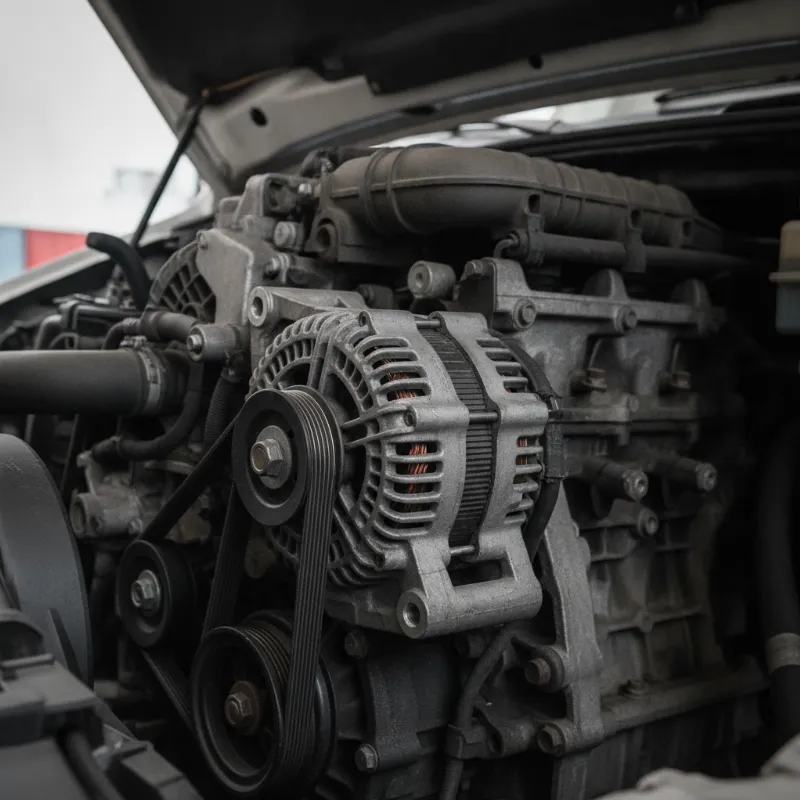
Most Citroen Relays are fitted with a compact three-phase alternator rated somewhere between 120A and 180A depending on age, engine and specification. It sits at the front of the engine, driven by the multi-rib auxiliary belt, and works alongside a voltage regulator that keeps output between roughly 13.8 and 14.7 volts. When that regulation slips, or when the internal diodes, brushes or bearings wear out, you start seeing the classic symptoms drivers dread.
Signs of a Failing Alternator on a Citroen Relay
A failing alternator rarely dies without warning. On the Relay, it typically gives you days or even weeks of small clues before the van refuses to start. Learning to read those clues can save you a callout fee and a lot of downtime.
Warning lights and battery drain
The most obvious sign is the red battery warning light glowing on the dashboard while the engine is running. That light doesn't mean the battery itself is faulty — it means the charging circuit isn't seeing the voltage it expects from the alternator. You might also notice the van cranks slowly first thing in the morning, or that the battery goes flat after a weekend parked up. If you keep jump-starting only for it to die again a day later, the alternator is a far more likely culprit than the battery.
Dim headlights and electrical glitches
Because the alternator powers everything while the engine is running, a weakening one shows up in the lights and electronics first. Headlights that pulse or dim at idle, dashboard illumination that flickers when you rev, radios that reset themselves, wipers that slow down under load — all of these point to an unstable charging voltage. On later Relays with more sophisticated body electronics, you may even see spurious ABS, ESP or airbag warnings that clear once the alternator is replaced.
Unusual noises from the engine bay
Listen for a high-pitched whine that rises and falls with engine speed, a rhythmic growling or a rough grinding from the front of the engine. A whine usually points to failing diodes inside the alternator, while a growl or grind suggests the alternator's internal bearings are on their way out. A squealing belt can also be a sign the alternator pulley is seizing and dragging the belt, so don't just blame the belt itself.
Common Alternator Faults by Citroen Relay Generation
The Relay has been in production in various forms since 1994, and the alternator setup has evolved considerably. Knowing which generation you're working on makes a huge difference to diagnosis and parts sourcing.
Pre-2006 Relay (X230) alternator issues
The X230 generation, sold from 1994 to 2006, most commonly runs the Valeo or Bosch alternator paired with the 2.0 HDi, 2.2 HDi and older 2.5/2.8 diesel engines. Typical faults on these older vans include worn brushes, failed voltage regulators and corroded wiring at the B+ terminal — a very common issue on vans that have spent their lives near coasts or on gritted roads. The auxiliary belt tensioner also tends to weaken with age, which can mimic alternator symptoms because the belt slips under load.
2006-onwards Relay (X250) alternator issues
The X250 platform, shared with the Peugeot Boxer and Fiat Ducato, brought higher-output alternators to cope with more electrical load. On these vans, the most frequent faults are failed diode packs (causing that distinctive whine and AC ripple on the output), collapsed one-way clutch pulleys and regulator failures. The Euro 5 and Euro 6 vans are especially fussy about charging voltage because the ECU monitors it closely — a marginal alternator can throw stop-start faults, glow plug codes and even limp mode.
2004 Citroen Relay LWB Dimensions and Alternator Access
Working on an older long-wheelbase Relay has its own quirks, particularly if you're planning to tackle the alternator yourself.
Long wheel base engine bay layout
The 2004 LWB Relay measures around 5.4 metres in overall length with a wheelbase of roughly 3.7 metres, giving a load length of about 3.1 metres. Despite the long body, the engine bay itself is the same as the shorter variants — cab-forward, with the engine mounted transversely and the alternator tucked down on the front face of the block, low and to the passenger side on right-hand-drive vans. Access from above is tight, hemmed in by the intercooler pipework and the auxiliary belt shroud.
Working space for alternator removal on the LWB
Because the LWB doesn't gain any extra room under the bonnet, most technicians approach the alternator from below, with the van on axle stands and the passenger-side front wheel removed. You'll need to release belt tension using the tensioner pulley, disconnect the battery, and then unclip the wiring loom and B+ nut before the two mounting bolts come out. Expect roughly one to two hours of labour for a competent DIYer, longer if seized bolts or corroded terminals get in the way.
Citroen Panel Van Relay 1500 TD HDi MWB Key Alternator Notes
The medium-wheelbase Relay panel van fitted with the 1500 TD HDi engine is a popular workhorse, but it has a few charging system characteristics worth knowing about.
1500 TD HDi charging system quirks
The 1500 TD HDi runs a higher-output smart alternator that communicates with the ECU to vary charging voltage based on load and battery state. This makes it more efficient but also more sensitive: a tired battery can confuse the regulator and cause the alternator to overcharge or undercharge. If you're replacing the battery on one of these, always match the specification (typically an AGM or EFB unit) and reset the battery management system, or you'll shorten the life of the new alternator.
MWB panel van access points and belt routing
On the MWB panel van, the auxiliary belt drives the alternator, water pump, power steering pump and air conditioning compressor in a serpentine layout with an automatic tensioner. Belt routing is usually printed on a sticker under the bonnet, but if it's missing, take a photo before removal — getting it wrong is easy and will destroy a new belt in minutes. Access is best via the offside wheel arch liner, and you may find it easier to drop the front bumper if you're also replacing the belt and tensioner at the same time.
Alternator vs Battery: How to Tell Which Is Failing
Because the symptoms overlap, alternators often get blamed for battery faults and vice versa. The quickest diagnostic is a multimeter check across the battery terminals. With the engine off, a healthy battery should read around 12.6 volts. Start the engine and the voltage should climb to between 13.8 and 14.7 volts — that's the alternator working. If it stays below 13 volts, the alternator isn't charging. If it spikes above 15 volts, the regulator has failed and it's overcharging, which will boil the battery.
A proper drop test or a diagnostic scan will go further, checking for AC ripple (a sign of failed diodes) and reading any charging system codes stored in the ECU. Most Citroen main dealers and independent van specialists can do this in under half an hour, and it's well worth the small fee before you throw parts at the problem.
Replacement Costs and DIY vs Garage
A new original-equipment alternator for a Citroen Relay typically costs between £180 and £400 depending on generation and output, while quality remanufactured units can be found for £120 to £250 with a like-for-like exchange. Pattern parts are cheaper still but vary wildly in quality — on a van you depend on for work, it's usually false economy to go too cheap.
Garage labour to fit an alternator ranges from around £120 to £250, depending on how buried the unit is and whether the belt and tensioner are being replaced at the same time (highly recommended if either is more than 60,000 miles old). A confident DIYer with basic tools, a trolley jack and axle stands can save that labour cost, but be realistic about seized bolts, tight access and the risk of getting the belt routing wrong. If the van is your livelihood, the peace of mind of a professional fit with a warranty is often worth paying for.
Keeping Your Citroen Relay's Charging System Healthy
Alternators are wear items, but you can significantly extend their life with a few simple habits. Keep the auxiliary belt and tensioner in good condition — a worn belt makes the alternator work harder and can throw off charging efficiency. Check the battery terminals and the alternator's B+ connection annually for corrosion, especially if the van sees a lot of winter road salt. Avoid running heavy electrical loads (heated screens, lights, inverters) for long periods at idle, and give the van a proper run at motorway speeds regularly so the battery gets fully recharged.
Finally, don't ignore early warning signs. A ten-minute voltage check the moment you spot flickering lights or a slow crank can save you from a roadside breakdown, a ruined battery and a much bigger repair bill. Look after the charging system and a Citroen Relay alternator will happily do 150,000 miles or more of hard graft.
FAQs
What are the signs, causes and fixes for a failing alternator on a Citroen Relay van?
The main signs are a red battery warning light on the dashboard while driving, dim or flickering headlights, slow cranking, electrical glitches and whining or growling noises from the engine bay. Common causes include worn brushes, failed diode packs, a faulty voltage regulator, collapsed pulley bearings or corroded wiring at the B+ terminal. The fix is usually to replace the alternator with a new or quality remanufactured unit, ideally at the same time as inspecting the auxiliary belt and tensioner, and to check the battery afterwards to make sure it hasn't been damaged by undercharging or overcharging.
How much does it cost to replace an alternator on a Citroen Relay?
Expect to pay around £180 to £400 for a new OE-quality alternator, or £120 to £250 for a good remanufactured exchange unit. Garage labour typically adds £120 to £250 depending on generation and access, so a professional replacement usually falls between £250 and £650 all-in. Fitting the belt and tensioner at the same time is money well spent if either has significant mileage on it.
Can I drive my Citroen Relay with the battery warning light on?
You can drive short distances, but not far. Once the alternator stops charging, the van is running purely on battery power and will typically last 20 to 60 minutes before the ECU, fuel pump and lights start to fail. Turn off all non-essential electrics (heated screen, radio, air con) and head straight home or to a garage. Never leave the van parked with the light on and expect it to start again.
How long does a Citroen Relay alternator usually last?
A well-maintained Relay alternator will typically cover 120,000 to 200,000 miles before needing replacement. Vans that do lots of short journeys, run heavy electrical loads or operate in salty coastal environments tend to be at the lower end of that range, while long-distance motorway vans often exceed it.
Is the alternator the same on a Citroen Relay, Peugeot Boxer and Fiat Ducato?
On the X250 platform from 2006 onwards, yes — the Relay, Boxer and Ducato share the same engines, alternators and charging systems, so parts are interchangeable within the same engine and specification. Always cross-reference the part number on your existing unit before ordering, as output ratings (120A, 150A, 180A) vary by trim and options like air conditioning.