Working Vans
Get the Van work ready
- Accessories delivered conveniently to your front door
- Or nominate a local fitting company and we pay when work completed
- Or we fit in South Wales if you are collecting from us. It wouldnt make sense to charge you £300 to fit a ramp and £300 to deliver the van then.
- Add these fits to yor single monthly payment
Glass Frail Racking
Racking For Glass and frail vans. Collect from South Wales after fitting

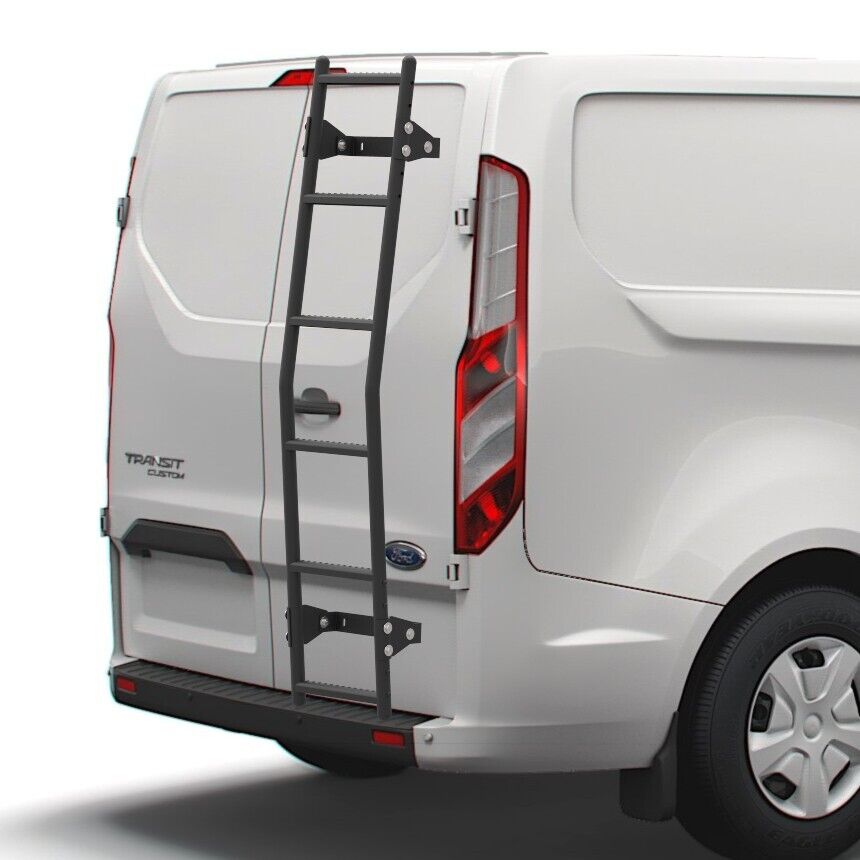
Working Van
The right tools drive business success, and a work van serves as more than just a vehicle—it becomes your mobile office, warehouse, and revenue generator all at once.
Many business owners face tough decisions when choosing from numerous options. They must pick between compact cargo vans and full-sized commercial vehicles that claim to be the perfect fit.
Your challenge goes beyond finding adequate storage space. The right vehicle must match your business needs while keeping costs in check. A wrong choice in your new venture or fleet upgrade could drain thousands from your budget.
This piece will guide you through the essentials of selecting and managing your work van. You’ll discover the full potential of your investment and learn what matters most.
Choosing the Perfect Work Van
Choosing the right working van for your business needs careful thought and planning. The UK has over 4.2 million business vans on its roads, which shows how important it is to make the right choice.
Assessing Your Business Requirements
Your business operations should guide your van selection. You need to think about what you’ll transport, how many people will ride in it, and how often you’ll use it. Heavy equipment handlers must focus on payload capacity, while service businesses might care more about easy driving and fuel costs.
Comparing Different Van Categories
Here are the main types of commercial vans you can choose from:
- Panel Vans: Ideal for secure transport with large cargo areas and sliding doors
- Crew Vans: Perfect for teams, seating up to six passengers with separate cargo space
- Box/Luton Vans: Designed for bulky items with 15–20 cubic meters capacity
- Tipper Vans: Built for loose materials with hydraulic tipping mechanisms
- Flatbed Vans: Suitable for large or irregularly shaped items
- Campervans & Conversions: Panel vans converted for leisure or hybrid business-and-travel use — from factory VW Californias to bespoke Crafter motorhome builds. Browse campervan options
Each category offers different cargo space. Small vans give you 3–4 cubic meters, while larger ones can hold up to 15 cubic meters. Medium-sized vans usually give the best mix of space and easy handling for most businesses.
Future-Proofing Your Investment
A detailed Vehicle Replacement Policy helps track age, mileage, and engine hours with service history. This policy helps you decide whether to fix an old van or buy a new one.
Electric and hybrid vans are becoming more popular. These vehicles work great in cities, especially when you can avoid congestion charges. Here’s what to think about for long-term planning:
- Adaptability: Options for racks, partitions, and towing capabilities
- Technology Integration: Digital fleet tracking and maintenance scheduling
- Environmental Impact: Emission regulations and green incentives
A smart approach to picking your working van ensures it meets your current needs and adapts to future business growth and new regulations.
Understanding Total Cost of Ownership
The success of a commercial van fleet depends on how well we manage our costs. Let’s take a closer look at the actual numbers behind van ownership and operation.
Purchase vs. Lease Options
Buying and leasing both come with their own financial implications for acquiring a working van. A van’s outright purchase needs heavy upfront capital, while leasing comes with lower monthly payments. Our experience with both options shows:
- Buying Benefits: Build equity, unlimited mileage, customization freedom, potential tax benefits through capital allowances
- Leasing Advantages: Lower upfront costs, predictable monthly expenses, maintenance often included, flexibility to upgrade
Insurance and Maintenance Costs
Insurance costs change a lot based on several factors. The average cost of complete van insurance reaches £1,315 yearly, though vehicle age and usage type affect this figure. Our maintenance budget includes:
Regular Maintenance: Each service visit costs around £125, not counting replacement parts or repairs. A preventive maintenance schedule helps us avoid emergency repairs that get pricey.
Additional Costs: Vehicle Excise Duty (VED) for vans costs £275 yearly. We also factor breakdown cover and parking fees into our total cost calculations.
Fuel Efficiency and Running Expenses
Fuel remains one of our biggest ongoing expenses. Diesel vans give better fuel economy than their petrol counterparts. Our fuel consumption depends on:
Key Efficiency Factors:
- Payload weight and driving distances affect fuel usage by a lot
- Driver behavior changes consumption rates
- Regular maintenance with proper tire inflation keeps efficiency optimal
Our team tracks miles per gallon (MPG) carefully. Smaller modern diesel vans can reach 40–45 MPG, though real-life figures change based on loading and driving conditions.
Fuel cards and telematics systems help us track and cut fuel expenses. On top of that, electric or hybrid options offer great savings — some electric vans run at just 4p per mile.
Smart Fleet Management Solutions
Smart fleet management solutions are changing the way we run our working vans in today’s digital world. AI-powered data solutions and predictive analytics are the foundations of modern fleet operations.
Digital Fleet Tracking Systems
GPS tracking systems give us real-time updates about our fleet operations. These advanced platforms track vehicle locations and provide vital data about driving patterns and route efficiency. Companies can boost their productivity by 15–20% after adding these systems.
Our experience shows these key benefits:
- Real-time vehicle location monitoring
- Route optimization for fuel efficiency
- Automated mileage tracking
- Geofencing capabilities for better security
Maintenance Scheduling Software
Predictive analytics has changed our maintenance management completely. AI-powered systems help us track vital vehicle health metrics like engine temperature and tire pressure in real time. This proactive approach has reduced unexpected downtime and extended our vehicles’ life span.
Digital maintenance planning helps us tune our service intervals with automated alerts that stop small issues from becoming big problems. We can track repair turnover rates and stick to preventive maintenance schedules easily.
Driver Performance Monitoring
Driver performance monitoring stands out as our fleet management system’s most meaningful feature. Our telematics solution evaluates driving behaviors in detail, including harsh braking, rapid acceleration, and idling patterns. Driver scorecards help us identify top performers and those who need extra training.
Safety analytics displays clear safety scores on detailed dashboards, helping us maintain high safety standards across our fleet. Regular monitoring and coaching have improved driver behavior significantly.
These smart solutions help us make evidence-based decisions that improve our fleet’s efficiency. AI-powered analytics gives us deeper understanding of fleet performance, ensuring our working vans operate at their best while maintaining high safety standards.
Sustainable Van Solutions
The future of commercial transport points to eco-friendly van solutions as a vital part of our fleet strategy. Vans make up about 9% of EU transport emissions. The industry shows a clear move toward greener options.
Electric and Hybrid Options
Electric working van technology has made amazing strides. Today’s electric commercial vans run 150–250 kilometers on one charge. This range works well for daily business needs. Small electric vans will soon cost the same as diesel ones, while medium and large vans are quickly catching up.
You’ll find many choices now — from mild hybrids to fully electric commercial vehicles. Zero-emission vehicles reached 6% of new van registrations in 2022. These vehicles work great for city businesses, cutting both environmental harm and running costs.
Green Fleet Incentives
Money-saving incentives make eco-friendly working vans an attractive choice:
- Small vans get government grants up to £2,500, large vans up to £5,000
- Workplace charging schemes pay 75% of installation costs, up to £350 per socket
- Businesses with under 250 employees can get infrastructure grants up to £15,000
- No congestion charges or clean air zone fees apply
Environmental Impact Assessment
Switching to eco-friendly vans drastically cuts our carbon footprint. Regular vans create 17% of domestic transport emissions and are a major source of greenhouse gases. The good news is emission levels keep dropping.
Test-cycle and real-life CO2 emissions differ by 25–30%. Electric vans excel in cities, where stop-start traffic and short delivery routes boost efficiency.
Many businesses take a step-by-step approach to this change. Fleet operators often mix electric and regular vans, allowing them to learn about performance and switch gradually while keeping operations smooth.
These eco-friendly solutions do more than help the environment. They prepare our business for new rules, like the zero-emission requirement for new vans from 2035. This smart approach balances today’s needs with tomorrow’s green goals.
Legal and Insurance Considerations
The legal world of commercial van operations needs careful attention to many rules and requirements. Our experience shows that staying compliant protects our business and ensures safe operations.
Commercial Vehicle Regulations
A working van comes with specific legal obligations. Vans above 3,500kg need a goods vehicle operator’s license. Weight limits are vital — going over them leads to big fines and license points.
Key regulatory requirements include:
- Annual MOT testing after the first three years
- Regular maintenance records kept for 15 months
- Driver hours monitoring and recording
- Proper vehicle taxation and registration
European travel has new requirements since May 2022. You need a goods vehicle operator license and a transport manager.
Insurance Requirements
Standard vehicle insurance doesn’t cover commercial operations. Business Vehicle Insurance becomes mandatory when you use a van for work, including trips to job sites. The coverage has:
- Vehicle damage from accidents, fire, or theft
- Third-party liability protection
- Tools and equipment coverage (up to £500)
- Personal possessions protection (up to £250)
Our insurance costs change based on van type, business activities, and claims history. The policy covers both the vehicle and its contents because tools and equipment matter most in our operations.
Health and Safety Compliance
Employers must ensure their driver’s health, safety, and welfare. This duty goes beyond the vehicle and needs complete risk management strategies.
We stay compliant through:
Driver Management
- Regular license checks and driver assessments
- Monitoring working hours and rest periods
- Providing adequate training and support
Vehicle Safety
- Daily vehicle inspections before use
- Regular maintenance schedules
- Immediate attention to defects
- Proper load securing procedures
Our systems track driver hours to meet working time regulations. Drivers take a 45-minute break every 4.5 hours of driving, matching EU drivers’ hours rules.
Breaking these regulations brings serious consequences. The business could face health and safety charges, corporate manslaughter charges, or road traffic violations. We keep detailed records of all compliance activities, driver assessments, vehicle maintenance, and incident reports.
Experience teaches us that proper documentation matters. Our records include:
- Vehicle maintenance and repairs
- Driver training and assessments
- Working time records
- Incident reports and investigations
This organized approach to legal and insurance matters helps us keep our fleet compliant. It protects our business interests and ensures driver safety.
Conclusion
Working vans play a vital role in today’s businesses. The right vehicle can affect your company’s success by a lot. Our complete analysis shows that the perfect working van needs enough cargo space, affordable operation, and smart management features. Businesses often forget about making their fleet future-ready. Research proves that thinking about eco-friendly options today saves money tomorrow.
Electric and hybrid vans offer great opportunities now. Government incentives and cheaper running costs make them attractive options. The original cost might look high, but good fleet management and regular maintenance help vehicles last longer and cost less over time. We’ve found that smart tracking systems and driver monitoring work really well. These tools helped us reduce operating costs by up to 20%.
A business’s success with working vans goes beyond picking the right vehicle. You need a complete strategy that looks at legal rules, insurance coverage, and environmental effects. This complete approach keeps your business competitive. It also helps meet stricter regulations and sustainability targets effectively.
FAQs
Q1. What factors should I consider when choosing a work van for my business?
When selecting a work van, consider your business requirements, including cargo capacity, payload, fuel efficiency, and manoeuvrability. Also, think about future needs, adaptability, and potential for technology integration to ensure your investment remains valuable as your business grows.
Q2. How do electric vans compare to traditional diesel vans in terms of cost and performance?
Electric vans are becoming increasingly competitive with diesel alternatives. They offer lower running costs, often as low as 4p per mile, and are exempt from many urban congestion charges. While initial purchase costs may be higher, government incentives and lower maintenance needs can offset this over time. Performance-wise, modern electric vans can achieve ranges of 150–250 kilometers on a single charge.
Q3. What are the legal requirements for operating a commercial van?
Legal requirements include having proper business vehicle insurance, maintaining regular MOT testing, keeping maintenance records, monitoring driver hours, and ensuring proper vehicle taxation and registration. For vans over 3,500kg, a goods vehicle operator’s license is necessary. Compliance with health and safety regulations for drivers is also crucial.
Q4. How can smart fleet management solutions improve my business operations?
Smart fleet management solutions, including GPS tracking systems and maintenance scheduling software, can significantly boost productivity by 15–20%. These tools provide real-time insights into vehicle locations, optimize routes, automate maintenance schedules, and monitor driver performance. This leads to reduced fuel consumption, lower maintenance costs, and improved overall fleet efficiency.
Q5. Are there any financial incentives for transitioning to sustainable van solutions?
Yes, there are several incentives for adopting sustainable van solutions. These include government grants of up to £2,500 for small vans and £5,000 for large vans, workplace charging scheme coverage up to 75% of installation costs, and infrastructure grants of up to £15,000 for eligible businesses. Additionally, electric vans are often exempt from various congestion charges and clean air zone fees.