Why Won't My Fiat Scudo Start? Common Causes and Fixes
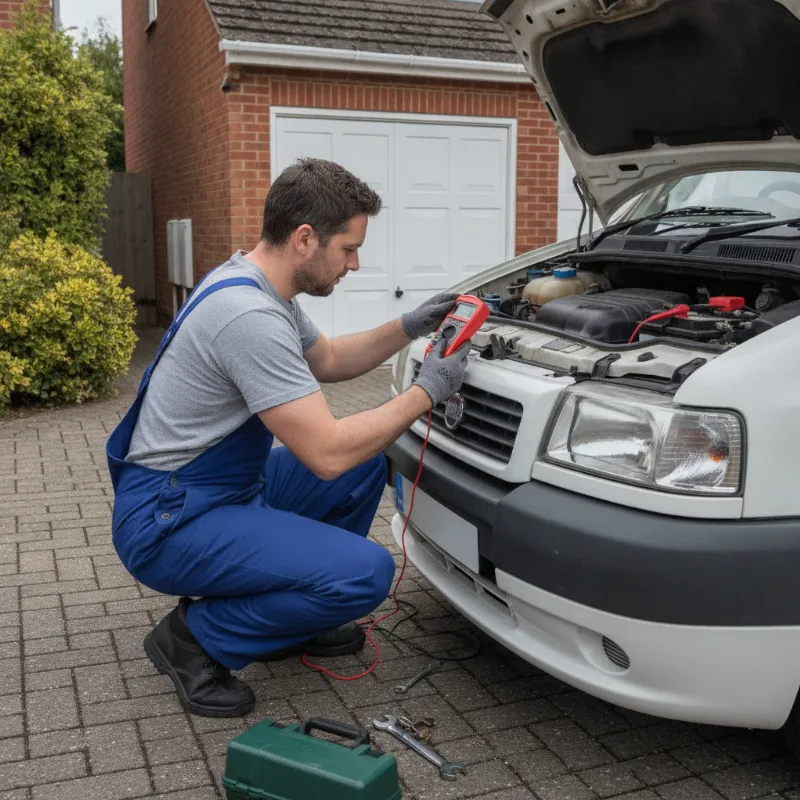
Quick Diagnosis: Common Reasons a Fiat Scudo Won't Start
When your Fiat Scudo refuses to start, the culprit usually falls into one of a handful of categories: a flat or failing battery, a fuel delivery issue, an immobiliser or key fault, or — on colder mornings — tired glow plugs. Before you dive into any repairs, take a moment to listen to what the van is telling you. Does the engine crank but fail to fire? Do you hear nothing but a click? Are the dashboard lights dim or completely dead? These clues narrow things down quickly and can save you hours of guesswork.
The Scudo is a hard-working panel van that shares much of its mechanical DNA with the Peugeot Expert and Citroën Dispatch, so most starting issues have well-documented fixes. The trick is to work through the possibilities logically, starting with the cheapest and easiest checks before moving on to anything that requires specialist tools or a trip to the garage.
Battery and Electrical Issues
Electrical faults are by far the most common reason a Fiat Scudo won't start, particularly on vans that spend long periods sitting between jobs. The 12V system powers everything from the ignition to the fuel pump priming circuit, so even a partial voltage drop can leave you stranded.
Flat or Failing Battery Symptoms
If the interior lights are dim, the dashboard flickers when you turn the key, or you hear a rapid clicking noise from under the bonnet, the battery is the first thing to check. A healthy Scudo battery should read around 12.6 volts at rest and hold above 10 volts while cranking. Anything less and it's struggling. Older batteries often fail suddenly after a cold night, especially if the van has been used for short journeys that never fully recharge the cells.
Try a jump start from another vehicle or a portable booster pack. If the Scudo fires straight up, drive it for at least 30 minutes to put some charge back in — or better still, hook it up to a proper trickle charger overnight. If the battery keeps going flat even after charging, it's either at the end of its life or something is draining it while parked, such as a stuck relay or an aftermarket accessory.
Starter Motor and Alternator Checks
A single loud clunk when you turn the key, followed by silence, often points to a failing starter motor rather than the battery. Tapping the starter gently with a hammer while someone turns the key is an old trick that sometimes gets a sticky solenoid moving — enough to get you home, at least. If the van starts fine but the battery keeps dying, suspect the alternator. A quick voltmeter test across the battery terminals with the engine running should show between 13.8 and 14.4 volts. Anything below that and the alternator isn't keeping up.
Fuel System Problems on the Fiat Scudo
If the engine cranks over healthily but simply won't fire, the fuel system is the next port of call. Diesel Scudos in particular are sensitive to fuel quality, air ingress and blocked filters, and problems often creep up gradually rather than appearing overnight.
Fuel Pump, Filter and Injector Faults
A blocked fuel filter is one of the cheapest and most common fixes. If you can't remember the last time it was changed, that's your answer. Turn the ignition to position two (without cranking) and listen — you should hear the low-pressure pump prime for a couple of seconds. Silence suggests a pump or relay fault. Injector issues tend to show themselves through rough running, black smoke or a distinct diesel smell before the van refuses to start entirely, so think back to how it was behaving in the days leading up to the breakdown.
Diesel Priming and Air in the Fuel Line
Running a Scudo dry, or changing the fuel filter without properly bleeding the system, will leave air in the lines and the engine simply won't catch. Most Scudos have a hand priming bulb on the fuel line — pump it until it feels firm, then try starting the van. It may take a few attempts of cranking in short bursts before the engine picks up. If you've recently had any fuel system work done and the van won't start afterwards, air ingress is almost always the cause.
Immobiliser, Key and Sensor Faults
Modern Scudos have an electronic immobiliser that talks to a chip in the key. If the key battery is dying, or the transponder has become desynchronised, the engine will crank but the fuel injectors simply won't fire. A tell-tale sign is the immobiliser warning light staying illuminated on the dash instead of going out shortly after you turn the key. Try your spare key if you have one — if that starts the van, the original key is the problem.
Beyond the immobiliser, the crankshaft position sensor is a well-known weak spot on the Scudo and its Peugeot/Citroën cousins. When it fails, the ECU has no idea where the pistons are and won't trigger the injectors. The van typically cranks endlessly with no attempt to fire. A diagnostic scan will usually flag it up, and the sensor itself is relatively inexpensive to replace.
Glow Plugs and Cold Start Issues
If your Scudo starts fine when it's warm but grinds away reluctantly on frosty mornings — or won't start at all below a certain temperature — the glow plugs are prime suspects. These small heating elements warm the combustion chambers to help the diesel ignite, and they wear out over time. A van with one or two failed plugs might still start, just badly; with three or four gone, you'll be going nowhere on a cold morning.
Check the glow plug warning light on the dash. If it doesn't illuminate at all when you turn the key, or if it stays on much longer than usual, get the plugs and their relay tested. Replacement is straightforward on most Scudo engines, though the plugs can seize in place on high-mileage vans and are best tackled when the engine is warm to reduce the risk of snapping one off.
Fiat Scudo Camper Conversions: Extra Things to Check
If your Scudo has been converted into a camper, there are a few extra things worth investigating before you condemn the engine. Leisure battery setups often share a common earth with the vehicle battery, and a wiring fault in the habitation area can drain the starter battery overnight without any obvious symptoms. Split-charge relays that stick closed are another common culprit — they keep the leisure and starter batteries linked when the engine is off, so anything you leave running in the back pulls power from both.
Solar panel regulators, inverters and fridge circuits should all be isolated one by one to see if the parasitic drain disappears. It's also worth checking that any added switches or accessories haven't been wired into a permanent live feed by mistake. Camper Scudos that sit unused for weeks between trips are particularly prone to these gremlins, and a smart battery maintainer plugged in at home makes a world of difference.
When to Stop DIY and Call a Mechanic
There's a fine line between saving money and making things worse. If you've checked the battery, tried a spare key, listened for the fuel pump priming and the van still won't start, it's probably time to get a proper diagnostic scan done. Modern Scudos throw fault codes that pinpoint issues far faster than trial-and-error swapping of parts, and a good independent garage can usually plug in and read the ECU for a modest fee.
Anything involving the high-pressure fuel system, common rail injectors or ECU coding should also be left to a specialist. The pressures involved in a diesel injection system are genuinely dangerous, and incorrect coding can leave the van completely immobilised. Similarly, if the van has been recovered to your driveway on a trailer and you don't have a scan tool, don't spend a weekend guessing — a workshop will diagnose it in an hour.
Thinking of Replacing Your Scudo? Browse Used Fiat Scudo Vans
If your current Scudo has become more trouble than it's worth — repeat breakdowns, mounting bills, or simply too many miles on the clock — it may be time to consider a replacement. The Fiat Scudo remains a popular choice for tradespeople, delivery drivers and camper converters thanks to its compact footprint, decent payload and shared parts availability with the wider Stellantis van range. A well-maintained used example can offer years of reliable service for a fraction of the cost of a new van.
Before you commit to another repair on a tired vehicle, it's worth doing the sums. Add up what you've spent on the current van over the past twelve months, factor in any upcoming MOT concerns, and compare that against a monthly finance payment on a newer, more reliable Scudo. For many owners, moving on to a fresher van works out cheaper — and considerably less stressful — than chasing intermittent faults on an ageing workhorse.
FAQs
What are the most common reasons a Fiat Scudo won't start, and how do I fix them?
The most common causes are a flat or failing battery, a blocked fuel filter or air in the fuel lines, a faulty immobiliser or key transponder, a failed crankshaft position sensor, and worn glow plugs on cold mornings. Start by checking battery voltage and listening for the fuel pump priming when you turn the ignition. If the van cranks but won't fire, suspect fuel or sensor issues; if it clicks or is silent, the battery or starter motor is the likely culprit. Most fixes are inexpensive, but anything involving the ECU, immobiliser coding or high-pressure fuel system is best left to a qualified mechanic with diagnostic equipment.
Why does my Fiat Scudo crank but not start?
If the engine turns over healthily but refuses to fire, the problem is almost always fuel, spark timing or sensor-related. On a diesel Scudo that means checking the fuel filter, listening for the pump priming, and considering the crankshaft position sensor — a well-known weak point on this platform. An immobiliser fault can produce the same symptom, so try a spare key if you have one.
How do I know if it's the battery or the starter motor?
A flat battery typically causes dim dashboard lights, slow cranking, or a rapid clicking noise. A failed starter motor usually gives you a single loud clunk followed by silence, while the dashboard lights stay bright. A voltmeter reading across the battery terminals will confirm — anything below about 12.4 volts at rest suggests the battery needs charging or replacing before you look elsewhere.
Can a faulty key stop a Fiat Scudo starting?
Yes. The Scudo uses an electronic immobiliser that reads a transponder chip in the key. If the key battery is failing or the chip has become desynchronised from the ECU, the engine will crank but the fuel injectors won't be authorised to fire. If the immobiliser warning light stays on after you turn the key, or a spare key works when your usual one doesn't, this is almost certainly the problem.
How much does it cost to fix a Fiat Scudo that won't start?
Costs vary enormously depending on the fault. A new battery might set you back £80–£150, a fuel filter and bleed under £100, and a crankshaft sensor or glow plugs typically £150–£300 fitted. Starter motors and alternators are usually in the £250–£500 range. High-pressure fuel pump or injector failures can run into four figures, which is often the point at which owners start weighing up whether to repair or replace the van altogether.