How Much Is My Peugeot Expert Van Worth? A UK Valuation Guide
What Affects the Value of a Used Peugeot Expert Van?
Working out how much your Peugeot Expert van is worth in today's UK market isn't just a case of looking at the year on the V5C. The Expert has been a popular mid-size panel van with tradespeople, couriers and fleet operators for well over two decades, and its resale value depends on a mix of factors that buyers weigh up before making an offer. Understanding what those factors are will help you set realistic expectations and, more importantly, spot when a valuation you've been offered is fair or on the low side.
The good news is that the Peugeot Expert holds its value reasonably well compared with some rivals, particularly the newer third-generation models that share their platform with the Citroën Dispatch, Vauxhall Vivaro and Toyota Proace. That platform-sharing means parts are widely available and demand remains steady, which supports used prices even as vans get older.
Age, Mileage and Service History
Age and mileage are the two biggest drivers of value on any used van, and the Peugeot Expert is no exception. As a general rule, a van loses the most value in its first three years, then depreciation slows down. A three-year-old Expert with 40,000 miles will typically be worth significantly more than a five-year-old example with 90,000 miles, even if both look identical on the driveway.
Service history is where a lot of sellers unknowingly lose money. A full main dealer or reputable independent service history — with cambelt changes documented where required, oil services stamped and any recall work completed — can add several hundred pounds to a private sale price and makes part-exchange offers noticeably stronger. If you've kept every invoice and MOT certificate, put them in a folder ready to show potential buyers.
Condition, MOT Status and Previous Owners
Vans lead a harder life than cars, and buyers know it. Load-bay condition, ply lining, bulkhead integrity, tyre tread and the state of the driver's seat all get scrutinised. Dents on the sides, kerbed alloys or a scuffed rear bumper are expected on a working van, but heavy corrosion, a knackered clutch or an amber engine light will knock the value down sharply.
A long MOT — ideally with 10 or 11 months remaining and no advisories — is a real selling point. So is a low number of previous keepers; a one-owner Expert that's been fleet-maintained will almost always outperform a three-owner van of the same age. If your Expert has been used as a courier vehicle with very high daily mileages, be prepared for buyers to knock money off even if the service history is spotless.
Trim Level, Body Style and Crew Van Variants
Peugeot has offered the Expert in several body lengths (Compact, Standard and Long on the current generation, and L1/L2 on the previous one) and trim levels ranging from basic S and Professional through to Asphalt and Sport. Higher trims with air conditioning, cruise control, parking sensors, alloy wheels and sat nav command a premium, particularly on the third-generation models where the equipment gap is significant.
Crew van and combi variants — with a second row of seats behind the driver — appeal to a different buyer and can be worth more than a straight panel van, especially if they're in tidy condition and have factory rear windows. Automatic gearboxes on the newer Experts also tend to hold value slightly better than manuals, reflecting growing demand from urban delivery operators.
Typical Peugeot Expert Van Values by Age and Model Year
The Peugeot Expert has gone through three distinct generations, each with its own value profile in the used market. Below is a broad guide to what you might expect, though actual figures move month to month depending on demand, fuel prices and wider used-van supply.
Older Models (1998-2006 First Generation)
The original Expert, built alongside the Citroën Dispatch and Fiat Scudo, is now a genuine budget workhorse. Surviving examples in roadworthy condition typically change hands for a few hundred to around £1,500, with the very best low-mileage survivors occasionally fetching a little more. At this age, condition and MOT length matter far more than mileage or trim. Rust around the sills, rear arches and load-bay floor is common and will heavily influence value.
Second Generation (2007-2016)
The second-generation Expert, with its 1.6 and 2.0 HDi diesel engines, is where most private sellers sit today. Depending on age, mileage and condition, expect values roughly between £2,000 and £7,000 for a standard panel van. Later Tepee and crew van versions in decent order can push higher. HDi 2.0 units with the six-speed box are generally preferred over the smaller 1.6, and vans with under 100,000 miles carry a clear premium.
Third Generation (2016-Present) and Newer Peugeot Expert Vans
The current-shape Expert, launched in 2016 and updated since, is the strongest performer in value terms. Early examples now start from around £8,000 to £10,000, while late-plate BlueHDi models with low miles, Professional or Asphalt trim and a full history can sit between £14,000 and £22,000 plus VAT. The all-electric e-Expert, introduced in 2020, is a smaller market but attracts buyers who need ULEZ-compliant vans, and prices reflect that where charging infrastructure suits the buyer's operation.
How to Get an Accurate Valuation for Your Peugeot Expert
No single source gives you a definitive "correct" price for your van. The best approach is to triangulate — use two or three methods and see where they overlap. That overlap is almost always where the real market value sits.
Free Online Valuation Tools
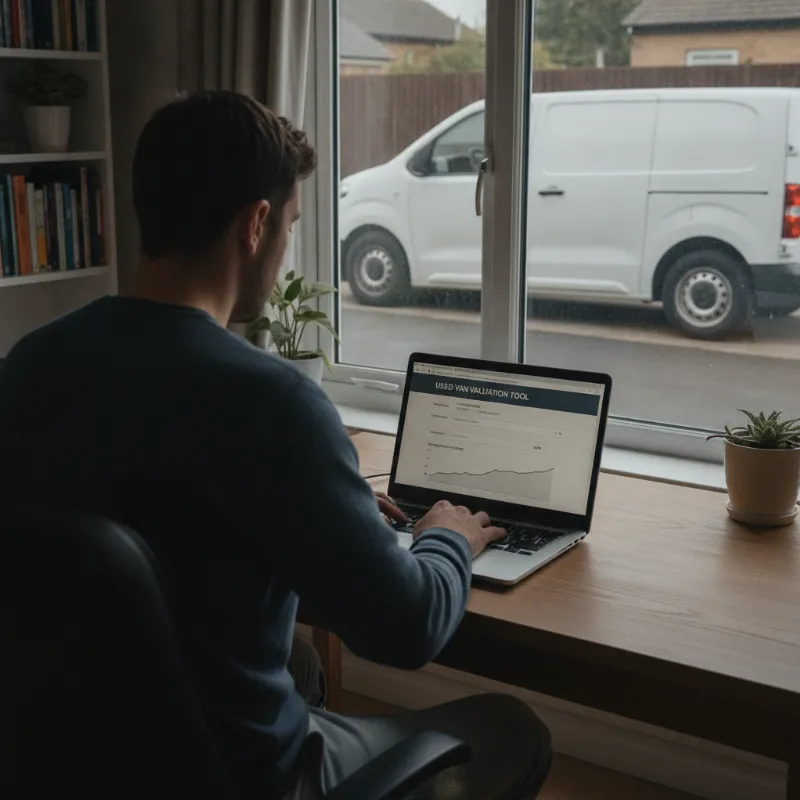
Several UK websites offer free instant van valuations based on your registration number and mileage. These tools pull from auction results, trade guides and current advert data, and they'll typically give you three figures: a private sale price, a part-exchange price and a trade or auction price. Enter accurate mileage and be honest about condition — an over-optimistic input just produces an over-optimistic output that no dealer will match in person.
Dealer Part-Exchange Quotes
Getting one or two written part-exchange quotes from franchised or independent van dealers is one of the quickest ways to sanity-check an online valuation. Dealers factor in what they can realistically retail the van for, minus reconditioning costs, VAT position and their margin. Bring your service book, MOT history and the V5C, and be upfront about any faults. A quote that seems suspiciously high on the phone often shrinks once the van is inspected on-site.
Comparing Peugeot Expert Vans for Sale to Gauge Market Price
Spend half an hour looking at live adverts for Peugeot Experts with a similar year, mileage, trim and body length to yours. Filter by the same generation and engine, and note asking prices — remembering that these are asking prices, not selling prices, and dealer vans usually carry a VAT-qualifying premium and a warranty that private vans don't. This exercise gives you a realistic ceiling for a private sale and a floor for what a dealer is likely to retail yours at.
Ways to Sell Your Peugeot Expert Van
Once you know roughly what your Expert is worth, the next question is how to convert that value into cash or into your next van with the least hassle.
Part-Exchange Against a Newer Van or Lease Deal
Part-exchange is the most straightforward route if you're moving into another van, whether that's a newer Expert, a larger Boxer or a switch to a lease or contract hire arrangement. You won't usually get quite as much as a private sale, but the trade-off is speed, no advertising, no test drives with strangers and often a VAT benefit if you're VAT-registered. It's also worth asking whether a dealer will offer a stronger figure if you're taking a finance or lease deal at the same time.
Private Sale vs Dealer Sale
Selling privately generally nets the highest price, but takes more time and effort. You'll need decent photos, a well-written advert, patience with time-wasters and a safe way to handle payment. Dealer sale-or-return and outright purchase schemes sit somewhere in between — you hand the van over, they market it, and either take a fee on sale or buy it from you outright at trade money. For most owners of a two- to six-year-old Expert, the extra £500 to £1,500 from a private sale is worth the effort; on older, higher-mileage vans, dealer trade or a van-buying service is often the more sensible choice.
Tips to Maximise Your Peugeot Expert's Resale Value
A few hours of preparation can add hundreds of pounds to what you eventually get for your Expert. Start with a proper clean inside and out — jet-wash the load bay, hoover the cab thoroughly, wipe down the dashboard, clean the windows and touch in any obvious paint chips. If the ply lining is battered, replacing it is inexpensive and transforms the impression a buyer gets when the rear doors open.
Get any small mechanical niggles sorted before selling — a service, fresh MOT with no advisories, working bulbs, decent wiper blades and tyres with plenty of tread all reassure buyers and remove negotiating points. Gather every document you can find: V5C, service history, invoices, MOT certificates, spare key and locking wheel nut. Take clear photos in good daylight, showing the van from all four corners, the load bay, the cab, the odometer and any factory options like air-con or parking sensors.
Finally, time your sale sensibly. Used van demand tends to be strongest from late winter into spring, as tradespeople gear up for a busy year and self-employed buyers use the new tax year as a natural refresh point. Advertising a tidy, well-prepared Peugeot Expert into that market is the single best way to secure a price at the top end of what your van is worth.
FAQs
How much is my Peugeot Expert van worth in the current UK used van market?
It depends heavily on age, mileage, generation and condition. As a broad guide, first-generation Experts (1998-2006) typically sell for a few hundred pounds up to around £1,500; second-generation vans (2007-2016) usually sit between £2,000 and £7,000; and third-generation Experts (2016-present) range from around £8,000 for early higher-mileage examples up to £22,000 plus VAT for late-plate, low-mileage vans in higher trims. For an accurate figure, combine an online valuation, one or two dealer part-exchange quotes and a look at live adverts for similar vans.
Does mileage or age matter more when valuing a Peugeot Expert?
Both matter, but they interact. Up to around three years old, age is the dominant factor because depreciation is steep. After that, mileage takes over — a six-year-old Expert with 60,000 miles will usually be worth more than a four-year-old example with 130,000 miles. Very high-mileage courier vans get discounted regardless of how well they've been maintained.
Will a full service history really add much to the price?
Yes, particularly on newer third-generation Experts and on vans being sold privately. A documented service history with stamps, invoices and MOT certificates can add several hundred pounds to a private sale and makes part-exchange offers noticeably stronger. It also shortens the sale time because buyers feel more confident about the mechanical condition.
Is it better to part-exchange my Peugeot Expert or sell it privately?
Private sale usually gets the highest price — often £500 to £1,500 more than trade — but takes longer and involves more hassle with adverts, viewings and payment. Part-exchange is quicker, avoids the risk of time-wasters and can be helpful for VAT-registered buyers taking another van on finance or lease. For older, higher-mileage Experts, the price gap narrows and part-exchange or a van-buying service is often the easier choice.
Are electric e-Expert vans worth more than the diesel BlueHDi versions?
It depends on the buyer. The e-Expert appeals to operators working inside ULEZ and clean air zones or with depot charging in place, and those buyers will pay a premium. Outside that use case, diesel BlueHDi Experts often sell more quickly and to a wider audience, so the market is more competitive. Comparing live adverts for both versions in your area is the best way to see how local demand shapes the price.