LDV Vans: Are They Any Good? An Honest UK Buyer's Guide
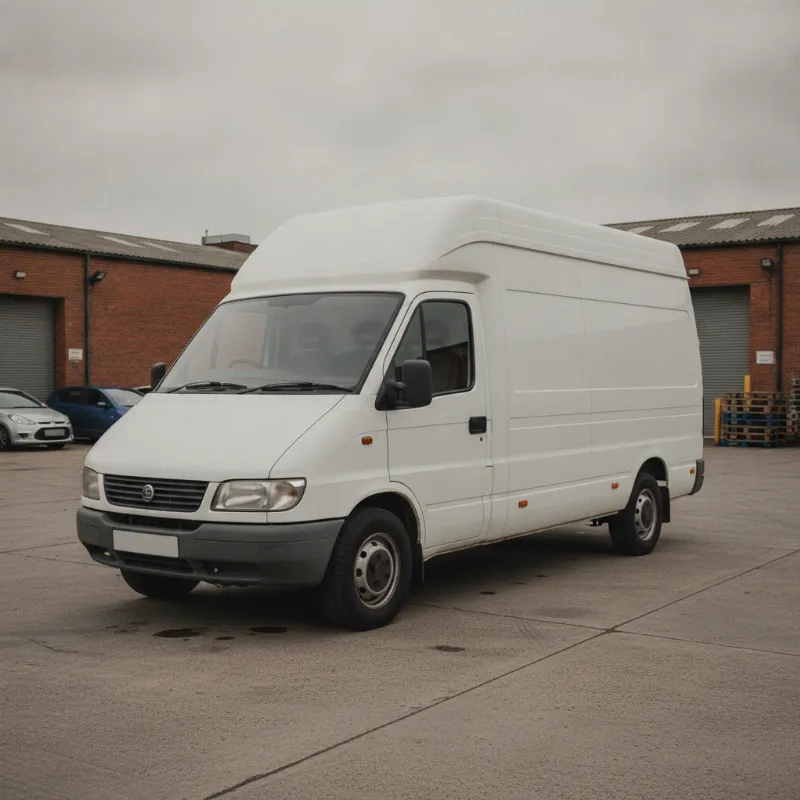
LDV Vans: Are They Any Good? The Short Answer
If you're weighing up an LDV against a Ford Transit, Vauxhall Movano or Peugeot Boxer, the short answer is: yes, modern LDV vans are genuinely decent workhorses — as long as you go in with realistic expectations. They're not the last word in refinement or resale value, but they offer a huge amount of van for the money, come with a strong warranty, and have a growing dealer network across the UK.
Today's LDVs are built by SAIC Motor in China and sold in the UK under both the LDV and Maxus badges. They're mechanically straightforward, well-equipped for the price, and increasingly popular with tradespeople, couriers and fleet buyers who need capable payload without paying premium-brand money. Older British-built LDVs (Convoy, Pilot, Sherpa) are a different story — cheap and cheerful, but ageing fast.
Who Makes LDV Vans Today?
To understand whether an LDV is worth your money, it helps to know who actually builds them — because the LDV of 2024 is very different from the LDV of 1994.
From British Leyland to SAIC Motor
LDV stands for Leyland DAF Vans, a company born in 1993 out of the collapse of DAF's UK van operations, which themselves traced back to British Leyland's commercial vehicle arm at Washwood Heath, Birmingham. The old LDV built the Convoy, Pilot and Sherpa — solid, if rather agricultural, vans that were popular with the AA, Royal Mail and countless small businesses.
The original company went into administration in 2009 and was eventually bought by SAIC Motor, one of the largest vehicle manufacturers in China. Production shifted from Birmingham to Wuxi, and the LDV name was retained for the UK market because it still carried recognition and goodwill with British van buyers.
The Maxus Rebrand Explained
Globally, SAIC sells its light commercial vehicles under the Maxus brand, and over the past few years the UK importer has been gradually shifting from LDV to Maxus branding. You'll now see newer models — particularly the electric range — badged as Maxus, while some dealers still trade under the LDV name. Mechanically and structurally, the vans are identical; it's essentially the same product with a different badge on the grille.
LDV Van Range at a Glance
The current LDV/Maxus lineup covers most of the mainstream van sizes, from mid-size people-and-parcel movers up to full 3.5-tonne panel vans, with both diesel and fully electric options.
LDV V80, Deliver 9 and G10
The V80 was the mainstay of the LDV range for years — a large panel van roughly the size of a Ford Transit, offered as a panel van, minibus, chassis cab and tipper. It's been largely replaced by the Deliver 9, which is a much more modern design with a better cab, improved safety kit and a more efficient 2.0-litre diesel engine. The Deliver 9 is the model most new-van buyers will be looking at today.
The G10 is a smaller MPV/van sold in both passenger and panel form, aimed at the shuttle, taxi and light-delivery market. It's not the sharpest thing on the road, but it's comfortable, roomy and priced to undercut Japanese and Korean rivals.
LDV EV80 and the Amazon Electric Vans Connection
Where LDV/Maxus has really carved out a niche is electric vans. The EV80 was one of the first affordable large electric panel vans available in the UK, and it was famously adopted in significant numbers by Amazon delivery partners as part of the retailer's push toward electrified last-mile logistics. The newer eDeliver 9 has taken over that role, offering more range and better charging speeds.
If you've noticed a lot of unbranded electric vans buzzing around industrial estates and Amazon depots, there's a very good chance many of them are Maxus-built. That kind of large-fleet adoption is a genuine vote of confidence.
Reliability, Build Quality and Common Issues
Reliability is the question most buyers really want answered, and it's where LDV's reputation is at its most mixed.
What Owners Say About LDV Vans
Owner feedback on modern LDVs is broadly positive, particularly on value. Most report that the vans do the job day in, day out, that the cab is comfortable enough for long shifts, and that the load area is competitive on volume and payload. Standard kit — air-con, reversing camera, touchscreen, cruise control — is generous for the price point.
Where owners are more critical is on interior plastics, paint finish and long-term resale value. LDVs don't hold their money like a Transit or a Sprinter, and the cabin materials don't have quite the same polish as European rivals. For an owner-operator running the van into the ground, that's not necessarily a problem; for someone changing every three years, it's worth factoring in.
Known Faults (Including Power Loss)
Common issues reported on LDV vans include occasional electrical gremlins (sensors, dashboard warnings), DPF and EGR problems on the diesel engines if the van is used mostly for short urban trips, and — perhaps the most talked-about complaint — sudden power loss or "limp home" mode, usually triggered by a fault code in the emissions or turbo system. In most cases it's resolved by cleaning the EGR, replacing a sensor, or a software update at a dealer.
Parts availability has historically been an LDV weak point, though it has improved significantly as the dealer network has expanded. Before buying, it's worth checking that you have a franchised LDV/Maxus dealer within reasonable distance for warranty work and parts supply.
Value for Money vs Ford, Vauxhall and Peugeot
This is where LDV wins its arguments. Like-for-like, a new LDV Deliver 9 typically undercuts a Ford Transit, Vauxhall Movano or Peugeot Boxer by a meaningful margin — and it usually comes with a longer standard warranty, often five years, plus more standard equipment.
The trade-off is resale value and brand cachet. A three-year-old Transit will hold more of its list price than a three-year-old Deliver 9. However, if you calculate cost of ownership by dividing the purchase price (minus resale) by the years you keep it, LDV often works out competitive — especially on electric models where the up-front saving versus a Ford E-Transit or Vauxhall Movano Electric can be substantial.
For fleets and sole traders who buy new and run to high mileage, LDV makes strong financial sense. For image-conscious buyers or those who trade often, a mainstream badge may still be the safer bet.
Are Used LDV Convoy and Pilot Vans Still Worth Buying?
The old British-built LDVs — the Convoy, Pilot and Sherpa — are a very different proposition. They're cheap to buy, mechanically simple, and easy to work on at home, which is why they remain popular with campervan converters, small builders and hobbyists. Rust is the main enemy: sills, wheel arches, door bottoms and the lower rear panels all corrode enthusiastically, and finding a straight, structurally sound example is getting harder every year.
As a daily-driver work van, a Convoy or Pilot in 2024 is a stretch — parts are getting scarce, MOT standards have tightened, and they're painfully slow by modern standards. As a cheap self-build camper base or a low-mileage second van for occasional use, they still have a following. Just budget for welding.
Verdict: Should You Buy an LDV Van?
So, are LDV vans any good? For a new or nearly-new Deliver 9, eDeliver 9 or V80, the honest answer is yes — they're competent, well-equipped, keenly priced vans backed by a long warranty and a growing dealer network. They won't feel as polished as a Transit Custom or as premium as a Volkswagen Crafter, but they'll do the same job for less money, and the electric versions in particular are among the most affordable ways into a large e-van.
Buy one if you value payload, price and warranty over badge and resale. Look elsewhere if you change vans every couple of years and want the strongest residuals. And if you're tempted by a bargain old Convoy or Pilot, go in with your eyes open, a torch, and a magnet for checking the filler on those rear arches.
FAQs
Are LDV vans reliable?
Modern LDV vans (V80, Deliver 9, eDeliver 9) are generally reliable for everyday work use, with most owners reporting few major mechanical problems. The most common niggles are electrical sensor faults, occasional DPF/EGR issues on diesel models used mainly for short trips, and the odd power loss or limp-mode warning — usually fixable with a sensor replacement or software update. They're backed by a long standard warranty, typically five years, which gives real peace of mind.
Who makes LDV vans now?
LDV vans are built by SAIC Motor, one of China's largest vehicle manufacturers, at its plant in Wuxi. SAIC bought the LDV brand out of administration in 2009. The same vehicles are sold globally under the Maxus name, and the UK market is gradually shifting to Maxus branding, though many dealers still trade under the familiar LDV badge.
Are LDV vans cheaper than Ford or Vauxhall?
Yes, typically. A new LDV Deliver 9 usually undercuts an equivalent Ford Transit, Vauxhall Movano or Peugeot Boxer on list price, often by a significant margin, and comes with more standard equipment and a longer warranty. The trade-off is weaker resale value, so the price gap narrows if you plan to sell after a few years — but for high-mileage operators who run vans into the ground, LDV offers strong value.
Do LDV vans hold their value?
LDV vans depreciate faster than mainstream European rivals like Ford, Volkswagen and Mercedes-Benz. That's partly brand perception and partly a smaller used-buyer market. It's not necessarily a dealbreaker — the lower purchase price offsets some of the loss — but if strong residuals matter to you, a Transit or Sprinter will hold more of its money.
Are LDV electric vans any good?
The eDeliver 9 (and its EV80 predecessor) has become one of the most popular large electric vans in the UK, with significant fleet adoption including by Amazon delivery partners. They offer competitive range, decent payload and a much lower price than rival electric large vans, making them one of the easiest routes into a big e-van for small businesses and fleets alike.