 Call us on
Amazon Electric Vans
Amazon Electric Vans
The future of delivery is undergoing a major transformation, and Amazon is leading the charge with its revolutionary electric van fleet. This groundbreaking initiative has the potential to reshape last-mile logistics and significantly reduce carbon emissions in the transportation sector. Amazon’s electric vans, developed in partnership with Rivian, are set to revolutionize package delivery and pave the way for a more sustainable future in e-commerce. Official Website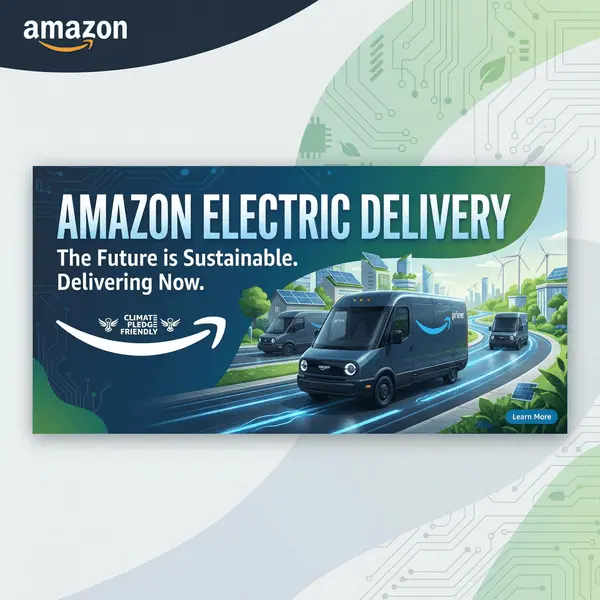
As Amazon rolls out its custom-designed electric vans across the UK and Belfast and other regions, many are curious about the specifics of these vehicles. Who makes Amazon’s electric vans, and what sets them apart from traditional delivery vehicles? This article will explore Amazon’s commitment to sustainability, the features of their custom electric delivery vans, the progress of the rollout, the necessary charging infrastructure, and the impact these vehicles are having on last-mile logistics. By examining these aspects, we’ll gain insight into how Amazon’s electric van fleet is shaping the future of delivery services.
Amazon’s Commitment to Sustainability
Amazon, guided by its mission to be Earth’s most customer-centric company, has taken a leading role in addressing climate change Its UK electric fleet features heavily on our Amazon vans page.. The company recognizes its obligation to combat global warming and has made significant commitments to reduce its carbon footprint. Amazon’s approach to sustainability encompasses various initiatives, focusing on three key areas: The Climate Pledge, partnership with Rivian, and ambitious carbon reduction goals.
The Climate Pledge Amazon Electric Vans
In 2019, Amazon and Global Optimism co-founded The Climate Pledge, a groundbreaking commitment to reach net-zero carbon emissions by 2040. This initiative aims to achieve this goal a decade ahead of the Paris Climate Agreement’s timeline. The Climate Pledge has gained momentum, with a growing list of major companies joining the cause. Signatories of The Climate Pledge agree to three primary areas of action: Forbes Link
- Regular Reporting: Companies commit to measure and report their greenhouse gas emissions consistently.
- Carbon Elimination: Implementing decarbonization strategies aligned with the Paris Agreement through business changes and innovations.
- Credible Offsets: Neutralizing remaining emissions with additional, quantifiable, real, permanent, and socially beneficial offsets.
To support this initiative, Amazon has established The Climate Pledge Fund with an initial investment of £1.57 billion. This fund aims to accelerate investment in low-carbon products, services, and technologies crucial for the net-zero carbon economy of the future.
Partnership with Rivian Amazon Electric Vans
A key component of Amazon’s sustainability strategy has an impact on its delivery fleet. In 2019, Amazon announced a partnership with Rivian to design and order 100,000 custom electric delivery vehicles for use in the United States. This order represents the largest ever for electric delivery vehicles and demonstrates Amazon’s commitment to transforming its logistics operations.
The custom-designed electric vans from Rivian are unlike anything else on the road today. They prioritize safety, sustainability, and driver comfort. In Europe, Amazon and Rivian have adapted the design to create a shorter, thinner van to better navigate European cities. This collaboration aims to have all 100,000 electric delivery vehicles on the road globally by 2030, playing a crucial role in decarbonizing Amazon’s last-mile logistics.
Carbon Reduction Goals
Amazon has set ambitious carbon reduction goals as part of its sustainability commitment:
- Net-Zero Carbon by 2040: Amazon aims to reach net-zero carbon emissions across its operations by 2040, a full decade ahead of the Paris Climate Agreement’s target.
- 100% Renewable Energy: The company has committed to powering its operations with 100% renewable energy by 2025. Remarkably, Amazon achieved this goal in 2023, seven years ahead of schedule, with all electricity consumed by Amazon now matched with renewable energy sources.
- Expanding Zero-Emission Deliveries: In 2022, Amazon used zero-emission vehicles, including electric vans and micro-mobility solutions like e-cargo bikes and e-scooters, to deliver more than 120 million packages to customers in Europe. The company plans to invest €1 billion to double its European zero-emissions fleet for middle- and last-mile deliveries over the next five years.
- Decarbonizing Transportation: Beyond its own fleet, Amazon is partnering on initiatives to reduce carbon emissions in the wider transportation industry. This includes engaging with policymakers and decision-makers to advance policies supporting decarbonization.
Through these comprehensive efforts, Amazon is leveraging its size and scale to make a significant difference in tackling climate change. The company’s commitment to sustainability extends beyond its own operations, aiming to stimulate investment and innovation in the development of low-carbon products and services across various industries.
The Custom Electric Delivery Van
Amazon’s custom electric delivery vans, developed in partnership with Rivian, represent a groundbreaking advancement in sustainable transportation. These vehicles are meticulously designed to prioritize eco-friendliness, safety, and driver comfort, setting a new standard for next-generation delivery vehicles.
Design Features Amazon Electric Vans
The custom electric vans are far from typical delivery vehicles. Every aspect of their construction incorporates recyclable materials, aligning with Amazon’s ambitious goal of achieving net-zero carbon emissions by 2040. From the chassis to the interior fittings, each component has been carefully chosen to minimize environmental impact.
One of the most innovative features is the powered bulkhead door that automatically opens upon arrival at the delivery location. This enhancement streamlines the delivery process, offering convenience to drivers as they unload packages. The van’s exterior design includes bright tail lights surrounding the rear, making it easy to detect braking.
Inside the vehicle, a “dancefloor” in the driver’s cabin allows for easy movement. The cargo area has been thoughtfully designed with three levels of shelving and a bulkhead door that can be easily opened and closed, providing additional driver protection while on the road.
Safety Innovations Amazon Electric Vans
Amazon has invested heavily in safety technologies across its transportation network, with over €180 million spent globally in 2023. This commitment to safety has an impact on the design of their custom electric vans, which are equipped with cutting-edge features to protect both drivers and pedestrians.
The vans include a 360-degree camera detection system, allowing drivers to see exactly what’s around them when backing up or turning. This system is linked to a digital display inside the cabin, providing a comprehensive view of the vehicle’s surroundings. Additional safety features include:
- Automatic emergency braking
- Rollaway detection
- Adaptive cruise control
- Lane assist technology with autocorrection
- Collision warnings
- A large windshield to enhance driver visibility
These safety innovations have shown promising results. For instance, in March 2024, Delivery Service Partners (DSPs) in the UK using the in-vehicle camera-based safety technology saw a 27% reduction in collisions compared to March 2023. They also experienced significant reductions in unsafe driving behaviors, including a 73% decrease in insufficient following distance, a 57% reduction in speeding, and a 57% decrease in sign/signal violations.
Driver Comfort Amazon Electric Vans
Amazon and Rivian have placed a strong emphasis on driver comfort and convenience in the design of these electric vans. The vehicle’s layout has been optimized to enhance the workflow for package delivery, considering how drivers get in and out of the van and move within the workspace.
Key comfort features include:
- A strengthened door on the driver’s side for additional protection
- Ergonomically designed driver’s cabin and cargo area
- Automatic door locking/unlocking as the driver approaches or leaves the vehicle
- A heated steering wheel for added comfort in cold weather
The vans also incorporate advanced technology to improve the driving experience. Alexa integration provides hands-free access to route information and the latest weather updates. Additionally, Amazon has introduced AI-based improvements to its routing and mapping technology. For instance, the system now incorporates weather patterns into route planning and highlights the outline of the next delivery building, helping drivers identify their destination more easily.
These custom electric delivery vans represent a significant step forward in Amazon’s commitment to sustainability and innovation in last-mile logistics. By combining eco-friendly design, advanced safety features, and driver-centric comfort, these vehicles are set to revolutionize package delivery and contribute to a more sustainable future in e-commerce.
Rollout and Progress Amazon Electric Vans
The deployment of Amazon’s custom electric delivery vans, developed in partnership with Rivian, has been a significant milestone in the company’s commitment to sustainable logistics. The rollout has progressed rapidly, with thousands of vehicles now operating across multiple cities in the United States and Europe.
Timeline of Deployment
Initially, Amazon and Rivian planned to have the first vans delivered in 2021, with ambitious targets of 10,000 vehicles in operation by 2022 and the full order fulfilled by 2024. However, these timelines were later revised, with the current goal set for 100,000 vehicles on the road globally by 2030.
The official deployment began in July 2022, marking a crucial step in Amazon’s sustainability efforts. By November 2022, Amazon reported having more than 1,000 electric delivery vans (EDVs) in operation. The progress accelerated significantly over the following months:
- July 2023: Over 5,000 EDVs delivered, including the first deliveries to Germany
- October 2023: The number of vans doubled to 10,000
- 2024: Expansion to more European cities, including Munich, Berlin, and Dusseldorf
Cities Covered Amazon Electric Vans
Amazon’s electric delivery vans have rapidly expanded their reach across numerous cities in the United States and Europe. In the U.S., customers in Baltimore, Chicago, Dallas, Kansas City, Nashville, Phoenix, San Diego, Seattle, and St. Louis, among others, have seen these custom vehicles delivering their packages. The company aims to have these vans operating in more than 100 cities by the end of the year.
In Europe, the rollout has been equally impressive. Germany has seen over 1,000 electric vans join Amazon’s existing fleet, with the custom Rivian vans now operating in regions around Munich, Berlin, and Dusseldorf. The UK has also seen significant expansion, with micromobility hubs established in several cities:
- London: Four hubs in Wembley, Southwark, Croydon, and Shoreditch
- Manchester
- Glasgow
- Belfast
- Norwich
These hubs facilitate deliveries using electric cargo bikes and on-foot couriers, further reducing the need for traditional delivery vans in city centers.
Number of Packages Delivered Amazon Electric Vans
The impact of Amazon’s electric delivery fleet on package delivery has been substantial. During the testing phase with Rivian preproduction vehicles in 2021, Amazon delivered over 430,000 packages and accumulated more than 90,000 miles. As the fleet expanded, so did its delivery capacity.
By November 2022, with just over 1,000 EDVs in operation, Amazon had already delivered a collective 5 million packages. The rapid scaling of the fleet has led to even more impressive numbers:
- In 2022, Amazon used zero-emission vehicles, including electric vans and micro-mobility solutions, to deliver more than 120 million packages to customers in Europe alone.
- As of 2024, with 10,000 custom electric delivery vans from Rivian on U.S. roads covering 1,800 cities, the delivery capacity has increased significantly.
These electric vans, along with other zero-emission vehicles in Amazon’s fleet, have had a substantial impact on reducing carbon emissions in last-mile delivery. The company’s goal of having 100,000 electric delivery vehicles from Rivian on the road globally by 2030 has the potential to save millions of metric tons of carbon per year.
Charging Infrastructure Amazon Electric Vans
To support its growing fleet of electric delivery vans, Amazon has invested heavily in charging infrastructure across its operational network. This comprehensive charging system is crucial for the seamless integration of electric vehicles into Amazon’s delivery operations.
Number of Chargers Installed
Amazon has made significant progress in deploying charging stations for its electric delivery vehicles. As of the latest reports, the company has installed over 17,000 chargers at more than 120 delivery stations across the United States. This extensive network of chargers ensures that Amazon’s electric vans can be reliably charged and ready for their daily routes.
At a Seattle warehouse, a prime example of Amazon’s charging infrastructure can be observed. The facility boasts a long row of more than 70 charging stations in its parking lot. The majority of these are Level 2 stations, which provide a modest but sufficient electric current for overnight charging. These Level 2 chargers deliver 10.5 kilowatts of power, comparable to what one might find in a home garage setup.
In addition to the Level 2 chargers, the Seattle facility also features three high-powered chargers. While these are more powerful than the Level 2 units, they still provide a relatively modest 50 kW of power compared to some public fast-charging stations. However, this setup works well for Amazon’s needs, as the high-powered chargers are primarily used for quick top-offs rather than full charges.
Location of Charging Stations
Amazon has strategically placed its charging infrastructure at delivery stations and warehouses across its network. This approach allows for efficient charging of vehicles when they are not in use, typically during overnight hours or between delivery shifts.
In the United Kingdom, Amazon has partnered with EO Charging to design, manufacture, and install a network of electric charging stations specifically for its new fleet of electric delivery vehicles. This collaboration has helped Amazon expand its charging capabilities in key locations throughout the UK.
The company’s charging strategy is tailored to the operational needs of its delivery fleet. For instance, the 100 vans at the Seattle facility outnumber the 70 charging stations, but the timing of shifts and charging cycles allows for each vehicle to receive a full charge when needed. This efficient use of charging infrastructure demonstrates Amazon’s thoughtful approach to electrifying its delivery operations.
Future Expansion Plans Amazon Electric Vans
Amazon’s commitment to expanding its electric vehicle charging infrastructure is evident in its ambitious future plans. The company has announced an investment of more than 1 billion euros over the next five years to further electrify and decarbonize its transportation network across Europe. This investment is not only intended to support Amazon’s own fleet but also to drive innovation across the industry and encourage the development of more public charging infrastructure.
In addition to its own investments, Amazon is supporting broader initiatives to expand charging infrastructure. For example, the company has noted the £100 million funding commitment secured by char.gy to expand the UK’s on-street EV charging infrastructure. Such developments align with Amazon’s goals and will indirectly benefit its electric delivery operations.
As Amazon continues to roll out its electric delivery vans, the company is likely to face new challenges in charging infrastructure. However, its current approach of using a mix of Level 2 and high-powered chargers, combined with strategic placement at delivery stations, provides a solid foundation for future expansion. The company’s focus on efficiency and sustainability in its charging operations positions it well to meet the growing demands of its electric fleet while contributing to the broader development of EV infrastructure.
Impact on Last-Mile Logistics
Amazon’s electric delivery vans have had a significant impact on last-mile logistics, transforming the way packages are delivered to customers. This shift towards sustainable transportation has brought about several key improvements in the delivery process.
Reduction in Carbon Emissions
The introduction of electric delivery vans has played a crucial role in Amazon’s commitment to reaching net-zero carbon emissions by 2040. In 2022, Amazon utilized zero-emission vehicles, including electric vans and micro-mobility solutions like e-cargo bikes and e-scooters, to deliver more than 120 million packages to customers in Europe alone. This transition has had a substantial impact on reducing carbon emissions in urban areas.
In Paris, for example, two-thirds of Amazon orders are now achieved with zero-emission last-mile deliveries. This significant shift demonstrates the potential for electric vehicles to revolutionize urban logistics and improve air quality in city centers. The company’s goal of having 100,000 electric delivery vehicles from Rivian on the road globally by 2030 has the potential to save millions of metric tons of carbon per year.
Improved Delivery Efficiency
The adoption of electric delivery vans has led to improvements in overall delivery efficiency. Amazon has invested in AI-based technologies to optimize routes and enhance the delivery experience for drivers. Some key improvements include:
- Weather-integrated routing: The company has introduced weather patterns into its routing technology, allowing for better route planning on a local level.
- Building outline highlighting: The routing technology now highlights the outline of the next delivery building, helping drivers identify their destination more easily.
- Pet awareness: The Delivery App indicates the presence of a dog at a customer address through a paw print icon, improving safety for drivers.
Additionally, Amazon has introduced AI-based Automated Vehicle Inspection (AVI) in Europe. This system inspects vans when they return to their delivery station, performing a full-vehicle scan in seconds and immediately sending results to a computer. This innovation has simplified inspections and vehicle maintenance for Delivery Service Partners (DSPs).
Customer Experience Amazon Electric Vans
The implementation of electric delivery vans and alternative delivery methods has had a positive impact on the customer experience. Micromobility hubs, which facilitate electric cargo bike and on-foot deliveries, have taken traditional vans off city center roads, helping to improve air quality and alleviate congestion. This approach has been particularly effective in densely populated urban areas.
In the UK, Amazon has established micromobility hubs in several cities, including London, Manchester, Glasgow, Belfast, and Norwich. These hubs are expected to facilitate millions of deliveries each year, contributing to Amazon’s sustainability goals while maintaining efficient service to customers.
The company’s investment in electric vehicle charging infrastructure has also ensured that the growing fleet of EVs can be efficiently charged and ready for daily operations. This has helped maintain Amazon’s promise of speedy deliveries while reducing emissions.
Furthermore, the custom design of the Rivian electric delivery vans has incorporated features that enhance the delivery process. These include a spacious cabin and cargo area, superior visibility with a large windshield and 360-degree cameras, and advanced safety features such as automatic emergency braking. These improvements not only benefit the drivers but also contribute to a more reliable and secure delivery experience for customers.
By transforming its last-mile logistics with electric vehicles and innovative technologies, Amazon has demonstrated a commitment to sustainability without compromising on delivery efficiency or customer satisfaction. This approach serves as a model for the future of urban logistics, balancing environmental concerns with the demands of modern e-commerce.
Conclusion Amazon Electric Vans
Amazon’s revolutionary electric van fleet is causing a revolution in the future of delivery services. The company’s commitment to sustainability, coupled with its innovative custom-designed vehicles, has an impact on last-mile logistics and significantly reduces carbon emissions. This groundbreaking initiative not only showcases Amazon’s dedication to environmental responsibility but also sets a new standard for the e-commerce industry to follow.
The rollout of these electric vans, supported by a robust charging infrastructure, marks a significant step towards a more sustainable future in package delivery. As Amazon continues to expand its electric fleet and invest in cutting-edge technologies, it’s clear that the company is not just adapting to change but actively shaping the future of eco-friendly logistics. This forward-thinking approach not only benefits the environment but also enhances delivery efficiency and improves the overall customer experience.
FAQs Amazon Electric Vans
- How many electric vans has Amazon ordered from Rivian?
- In 2019, Jeff Bezos, the founder of Amazon, placed an order worth GBP 5.50 billion with the electric vehicle startup Rivian to acquire a fleet of 100,000 electric delivery vans by the end of this decade.
- What is the current size of Amazon’s delivery fleet?
- Amazon currently operates approximately 100,000 gas-powered delivery vans globally. These will gradually be phased out as the new electric vans are introduced. Additionally, over 20,000 drivers have been trained nationwide to operate the new electric vans, and Amazon employs 279,000 delivery drivers who handle the distribution of 20 million packages daily.
- Which company manufactures electric vans for Amazon?
- Amazon’s electric vans are manufactured in collaboration with Rivian, a California-based automaker known for its electric pickup trucks and SUVs.
- What is the driving range of Amazon’s electric vans?
- Amazon’s electric delivery vans, which have been custom-designed for their specific use since 2019, are available in two sizes. Both configurations are front-wheel drive and offer a driving range of just over 150 miles.