LDV Maxus Luton Van Review: Is It Worth Buying in the UK?
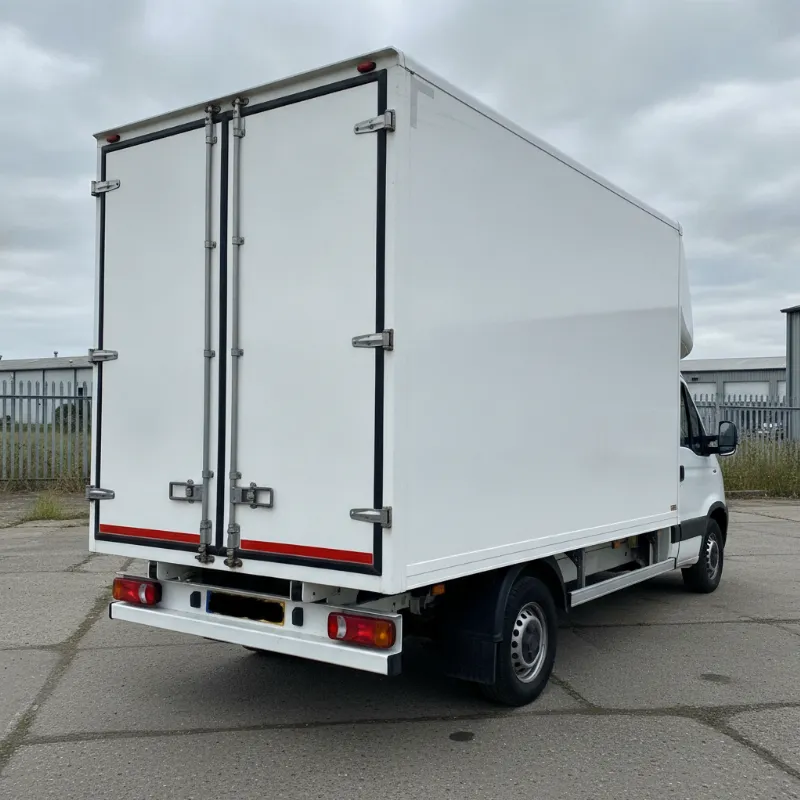
LDV Maxus Luton Van: Overview and Verdict
The LDV Maxus Luton has quietly become one of the more interesting propositions in the UK's large panel and box van market. Built on the popular Maxus Deliver 9 chassis cab, the Luton conversion adds a dedicated box body with a full-width rear roller shutter or barn doors, giving operators the kind of walk-in load space traditionally associated with more expensive European rivals. For businesses weighing up a Ford Transit Luton, a Mercedes-Benz Sprinter box van, or an Iveco Daily, the Maxus lands as the value-focused alternative that still feels genuinely usable day to day.
Our verdict up front: the LDV Maxus Luton is a credible workhorse that delivers most of what a small removals firm, courier or trades business actually needs, and it does so at a keener price than the established badges. It isn't the last word in refinement, and residuals are still an unknown compared to a Transit, but for buyers who plan to keep the vehicle for the long haul and rack up genuine mileage, it makes a strong financial case. It's particularly compelling for cash buyers, owner-drivers and small fleets that judge a van on load capacity, warranty and total cost of ownership rather than badge value.
Load Space, Payload and Dimensions
The whole reason to buy a Luton over a standard panel van is load space, and this is where the LDV Maxus makes its clearest argument. The overcab pod adds valuable extra cubic capacity for lighter, bulkier items – think furniture, boxed goods, insulation and flat-pack – while the flat floor and squared-off internal walls make loading pallets and cages far easier than the tapered load bays you'll find in some van conversions.
Cubic Capacity and Loading Height
Depending on the conversion specification, the Maxus Luton typically offers around 19 to 21 cubic metres of load volume, putting it right in the pocket of what most UK removals and parcel operators are looking for at 3.5-tonne GVW. Internal load length usually sits around 4.2 metres, with an internal height of roughly 2.2 metres and a width between the wheel arches that comfortably accommodates a Euro pallet. Loading height at the rear is competitive too, and most conversions come with a full-width tail lift option, which for kerbside deliveries and house moves is close to essential. If you're regularly shifting white goods or heavy furniture single-handed, that tail lift will pay for itself in weeks.
Payload vs Rival Luton Vans
Payload is where Luton buyers need to be careful, because a big box body eats into the number you actually have to play with. In the case of the Maxus, real-world payloads on a 3.5-tonne chassis with a tail lift tend to land in the region of 900 to 1,100kg, which is broadly in line with an equivalent Ford Transit Luton or Peugeot Boxer Luton fitted with the same equipment. Heavier options like twin rear wheels or a larger tail lift will nibble further into that figure. The takeaway: don't assume the badge on the front makes a meaningful difference here – always ask the dealer for the specific plated payload of the exact conversion you're being quoted on, ideally with the tail lift already fitted.
Engine, Performance and Fuel Economy
Power comes from a 2.0-litre turbodiesel, mated to either a six-speed manual or an eight-speed automatic gearbox depending on trim. Output is competitive for the class, and importantly the torque curve is broad and low-down enough to shift a fully loaded Luton without feeling strained. On motorways it settles into a relaxed cruise, and the auto gearbox in particular suits the character of the van – town driving, stop-start delivery routes and multi-drop work are all noticeably easier without a clutch pedal.
Fuel economy is respectable rather than class-leading. Loaded up and driven sensibly on mixed routes, drivers typically report figures in the high 20s to low 30s mpg, which is in line with what you'd realistically achieve in a Transit or Sprinter Luton of similar spec. Empty running and steady motorway work will nudge that higher. AdBlue is required, as it is with all modern Euro 6 diesels, and the tank is sensibly sized so you're not forever topping up.
Cab Comfort, Tech and Driving Experience
Climb into the Maxus cab and it feels more modern than some buyers might expect. The dashboard layout is clean, the driving position is high and commanding, and there's a large touchscreen infotainment system with Bluetooth, DAB radio and smartphone connectivity as standard on most trims. Air conditioning, cruise control, electric windows and mirrors, and a reversing camera all feature – the latter being genuinely useful when you're reversing a box body onto a tight loading bay.
On the road, the Maxus Luton drives much like its rivals: you're always aware of the box behind you in crosswinds, and it's not going to feel sprightly, but the steering is light enough for urban work and the ride is settled once there's some weight in the back. Noise levels in the cab are acceptable for a working diesel, and long-distance comfort is helped by supportive seats and enough adjustment for taller drivers. Safety kit typically includes ABS, ESC, hill-hold, driver and passenger airbags, and lane-departure warning – a reasonable package for a van at this price point.
Reliability, Running Costs and Ownership
This is the area where prospective buyers ask the most questions, and understandably so. LDV, now under SAIC ownership and sold as Maxus, has invested heavily in improving build quality and the UK dealer network has grown steadily. Early feedback from operators has been broadly positive, with the drivetrain proving durable and the interior standing up well to daily abuse. As with any newer entrant, isolated issues do crop up, but the manufacturer-backed warranty – typically five years – gives real peace of mind and is longer than most European rivals offer as standard.
Servicing intervals are sensible, parts prices are generally lower than the German brands, and routine consumables like tyres, brakes and filters are no more expensive than a Transit's. Insurance groupings are competitive, and VED for a commercial vehicle at this weight is a flat annual rate. The one honest caveat is residual value: because the Maxus badge is still building recognition in the used market, three-year resale values tend to trail the Transit and Sprinter. That matters less if you're keeping the van for five-plus years or buying outright, and it matters more if you plan to defleet early.
Who Is the Maxus Luton Van For?
The LDV Maxus Luton is a strong choice for small removals and man-and-van businesses that want maximum cubic capacity for the money, for trades needing to move bulky materials, and for owner-drivers running courier or pallet work where the low purchase price and long warranty translate directly into better weekly margins. It also suits charities, community groups and hire fleets where budget is tight and the vehicle will be kept for many years.
It's a less obvious fit for large corporate fleets tied to whole-life-cost models that lean heavily on residual value, or for buyers who need the specific dealer footprint and roadside coverage of a Ford or Mercedes. If badge prestige matters to your customers, that's a factor too – though most end clients won't know or care what's pulling up outside their house.
LDV Maxus Luton Van Review: Final Thoughts
So, is the LDV Maxus Luton any good, and is it worth buying in the UK? On balance, yes. It offers competitive load volume, sensible payload, a modern cab, a willing diesel engine and a warranty that comfortably outlasts most rivals, all at a purchase price that undercuts the household names by a meaningful margin. It won't win a beauty contest against a Sprinter and the used-market story is still being written, but for buyers focused on doing a job well for less money, it's a van that deserves a serious look. Get a test drive with a representative load on board, check the plated payload of the exact conversion, and compare the total five-year cost against a like-for-like Transit or Boxer – on that basis, the Maxus more often than not comes out ahead.
FAQs
Is the LDV Maxus Luton van any good, and is it worth buying in the UK?
Yes, for the right buyer the LDV Maxus Luton is a genuinely good buy in the UK. It offers around 19–21 cubic metres of load space, payloads competitive with a Ford Transit or Peugeot Boxer Luton, a modern 2.0-litre diesel with manual or automatic gearbox, and a long manufacturer warranty – typically five years – at a purchase price notably below the established European rivals. It's best suited to buyers who will keep the van long term, such as small removals firms, trades and owner-driver couriers, where the lower up-front cost outweighs the slightly weaker residual values.
How much can an LDV Maxus Luton actually carry?
Real-world payload on a 3.5-tonne LDV Maxus Luton with a tail lift fitted typically sits between around 900kg and 1,100kg, depending on the exact conversion, wheel configuration and equipment. Load volume is usually in the region of 19 to 21 cubic metres. Always check the plated payload on the specific van you're being quoted, as tail lifts, twin rear wheels and heavier trim levels all reduce how much weight you can legally carry.
How reliable is the LDV Maxus, and what warranty does it come with?
Reliability has improved significantly under SAIC ownership and operator feedback is broadly positive, particularly on the drivetrain. The Maxus range is typically sold with a five-year manufacturer warranty, which is longer than the standard cover offered on most Ford, Mercedes-Benz and Peugeot equivalents. Servicing costs and parts prices are generally lower than the German rivals, which helps keep whole-life running costs down.
How does the LDV Maxus Luton compare to a Ford Transit Luton?
On paper the two are closely matched for load volume and payload, and both offer manual or automatic gearboxes with a similar power output. The Ford Transit typically has the edge on brand recognition, dealer network size and used residual value, while the LDV Maxus counters with a lower purchase price and a longer standard warranty. For long-term keepers the Maxus often works out cheaper overall; for fleets that defleet at three years, the Transit's stronger resale can close the gap.
What fuel economy should I expect from an LDV Maxus Luton?
Loaded and driven on typical mixed UK routes, most drivers report fuel economy in the high 20s to low 30s mpg. Empty running and steady motorway cruising will push that higher, while heavy urban multi-drop work will pull it lower. It's broadly comparable to a similarly specified Transit or Sprinter Luton, and AdBlue is required as it is on all Euro 6 diesel vans.