The Best Tipper Vans in the UK: Buyer's Guide
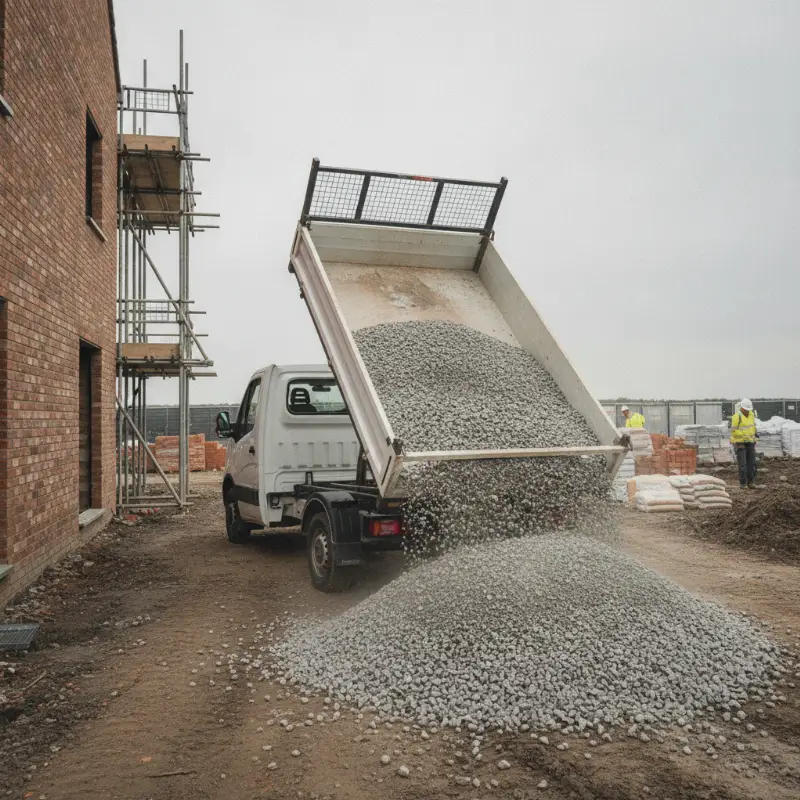
Choosing the best tipper van in the UK comes down to matching the right chassis, payload and body build to the way you actually work. Whether you're a groundworker shifting muck away from site, a landscaper hauling turf and aggregate, or a builder running a small fleet, the tipper you pick will influence your day rate, your running costs and how long the vehicle stays profitable. This guide walks through what to look for, the leading models on sale today, and how to weigh up buying, leasing or financing.
What Makes a Great Tipper Van?
A great tipper van is more than just a pickup with a hydraulic body bolted on. It needs a chassis rated for repeated heavy loading, a body that can stand up to shovels, rubble and the odd knock from a mini-digger bucket, and a cab layout that suits the number of people you take to site each day. Reliability matters just as much — a tipper that spends a week off the road at harvest or during a big build costs you far more than the repair bill itself.
Payload, Chassis and Body Build Quality
Payload is the single most important number on a tipper van's spec sheet. It's the difference between the vehicle's gross weight rating and its unladen kerb weight, and it tells you how much material you can legally carry. A 3.5-tonne tipper typically offers around 1,000–1,200kg of payload once the body and driver are accounted for, while a 4.25-tonne or 7-tonne chassis-cab can shift substantially more in a single trip.
Chassis strength dictates how the van copes with repeated heavy loading over years of use. Look for a purpose-built chassis-cab variant rather than a converted panel van floor, and check whether the body is aluminium or steel. Aluminium bodies save weight and boost payload; steel bodies handle abuse from bricks, hardcore and scrap better. Drop-sides, a bulkhead protector behind the cab, and a tarpaulin or mesh cover are all worth specifying from new.
Single Cab vs Double Cab: Which Suits Your Trade?
Single cab tippers seat two or three and give you the longest possible body — ideal if you're moving bulky loads and the driver works alone or with one mate. Double or crew cab tippers seat up to seven and let you take a full gang to site in one vehicle, cutting fuel bills and reducing the need for a follow-on car. The trade-off is a shorter body and a lower payload, because the extra cab length and seating add weight.
If your trade is groundworks, muck-away or scaffolding, a single cab usually wins. For landscapers, tree surgeons and fencing contractors who work in teams, the crew cab is often the more practical choice.
The Best Tipper Vans on Sale in the UK
The UK tipper market is dominated by a handful of manufacturers who between them cover almost every trade requirement. Below are the models we see winning most repeat business, and where each one shines. You can browse our tipper vans for sale to compare current stock and specifications side by side.
Ford Transit Tipper
The Ford Transit tipper is the default choice for a huge slice of the British trades, and for good reason. Built on the 350 or 470 chassis-cab, it offers strong payload figures, a wide dealer network for parts and servicing, and the familiar Transit driving experience. Single and double cab bodies are widely available, EcoBlue diesel engines return respectable fuel economy for the class, and residual values remain among the best in the sector when it comes to resale.
Isuzu Grafter Tipper
The Isuzu Grafter (built on the N-Series chassis) has quietly become a favourite with operators who want a properly commercial-grade truck rather than a heavy-duty van. It's available in 3.5-tonne and 7.5-tonne guises, uses a robust turbo-diesel that's happy under sustained load, and the tilt cab makes servicing quicker and cheaper. If you're loading a mini-digger onto the back regularly, the Grafter earns its keep.
Iveco Daily Tipper
The Iveco Daily is unusual in the panel van world for using a proper ladder-frame chassis, which is why it makes such a durable tipper. Payloads on the heavier variants are class-leading, and the Daily is offered in a wider range of gross weights than most rivals — from 3.5 tonnes right up to 7.2 tonnes. That flexibility, plus torquey diesel engines and an available Hi-Matic automatic gearbox, makes it a strong choice for construction fleets.
Mercedes-Benz Sprinter Tipper
The Sprinter tipper brings Mercedes refinement, safety kit and a premium cab environment to the sector. It's a favourite with operators who spend long hours behind the wheel and want a car-like driving experience, and the standard safety features — including active braking and lane keep assist on many trims — are ahead of some rivals. Build quality is excellent, and rear-wheel drive versions handle heavy site loads with confidence.
MAN TGE Tipper
The MAN TGE is a relative newcomer but has quickly built a following. Mechanically related to the Volkswagen Crafter, it benefits from MAN's commercial vehicle heritage and dealer support network geared around HGV operators. Payloads are competitive, the cab feels solidly built, and if you already run MAN trucks it slots neatly into an existing service arrangement.
Volkswagen Crafter Tipper
The VW Crafter tipper rounds out the mainstream choices with a well-engineered chassis, a comfortable cab and the reassurance of the Volkswagen dealer network. It's popular with owner-operators who want something that drives well on long motorway runs between sites but is still tough enough for daily site work. Efficient TDI engines and available 4MOTION all-wheel drive make it especially useful for rural and off-road work.
How to Choose the Right Tipper Van for Your Business
The "best" tipper van depends entirely on what you carry, how far you drive and how many people travel with you. Once you've narrowed the shortlist to two or three models, the decision usually comes down to payload versus running costs, and whether new or used makes more financial sense.
Matching GVW and Payload to Your Workload
Start by weighing a typical load. If you regularly shift a tonne of ballast plus tools and two passengers, a 3.5-tonne single cab may be marginal — you'll want to look at a 4.25-tonne variant (which most drivers can still drive on a standard car licence if it's an electric derivative, though heavier diesels require a C1 entitlement for drivers who passed after 1997). Overloading is not only dangerous and illegal, it accelerates wear on brakes, suspension and tyres, quickly wiping out any saving you thought you were making.
Think about the future too. If your business is growing, sizing up now can save an expensive change-over in eighteen months' time.
New vs Used Tipper Vans
A new tipper gives you a full manufacturer warranty, the latest safety and emissions kit, and predictable service costs — important if you're relying on the vehicle for daily income. A used tipper saves a significant chunk on capital outlay and sidesteps the steepest depreciation, but you inherit the previous owner's usage pattern, and tippers tend to lead a harder life than most vans. Always check the body for cracked welds, ram seals for leaks, and the tipping mechanism under load before committing.
Buying, Leasing or Financing a Tipper Van
How you pay for a tipper matters almost as much as which one you choose. Outright purchase gives you an unencumbered asset and the freedom to sell whenever you like, which suits businesses with strong cash reserves. Hire purchase spreads the cost over an agreed term and leaves you owning the vehicle at the end, keeping it on the balance sheet.
Contract hire and finance lease keep monthly costs predictable and free up working capital for tools, materials and staff. Leasing is particularly attractive if you like to change vehicles every three or four years to stay under warranty and ahead of emissions rules, and our tipper van leasing deals cover most of the models discussed above. Whichever route you choose, factor in insurance, servicing, tyres and the cost of any body maintenance — a well-maintained tipper holds its value and keeps earning for years.
Frequently Asked Questions About Tipper Vans
Below are some of the most common questions we're asked by buyers researching their next tipper. If you can't see your query answered, get in touch with the team and we'll talk through the options with you.
FAQs
Which is the best tipper van to buy in the UK?
There's no single winner — the best tipper van depends on your trade. The Ford Transit tipper is the all-round default choice thanks to strong payloads, wide dealer support and excellent residuals. For heavy-duty commercial use, the Isuzu Grafter and Iveco Daily are hard to beat because both use proper truck-derived chassis. The Mercedes Sprinter and Volkswagen Crafter suit operators who want a more refined cab, while the MAN TGE is a strong newer alternative. Match payload, cab configuration and total cost of ownership to your workload rather than picking on badge alone.
What payload can I expect from a 3.5-tonne tipper van?
Most 3.5-tonne tippers offer between 1,000kg and 1,200kg of usable payload once the tipping body, driver and a full tank of fuel are accounted for. Aluminium bodies tend to give you an extra 100–150kg of headroom compared to steel. Always check the plated payload on the specific vehicle you're buying, as it varies by trim, wheelbase and body specification.
Can I drive a tipper van on a standard car licence?
If you passed your car test after 1 January 1997, your standard Category B licence covers vehicles up to 3,500kg gross weight. That includes almost all 3.5-tonne tippers. For heavier chassis such as 4.25-tonne, 5-tonne or 7.2-tonne variants, you'll normally need C1 or C entitlement, though there are current exemptions for some electric commercial vehicles up to 4.25 tonnes. Drivers who passed before 1997 typically retain grandfather rights up to 7.5 tonnes.
Is it better to buy a new or used tipper van?
New tippers give you a full warranty, the latest safety and emissions equipment and predictable running costs, which is valuable if the van is central to your income. Used tippers cost significantly less up front and avoid the steepest early depreciation, but tippers work hard so you should inspect the body, hydraulic ram, chassis and tipping mechanism carefully — ideally under load — before you commit. For fleets running vehicles into the ground over five to seven years, new often works out cheaper per year.
Should I choose a single cab or crew cab tipper?
Choose a single cab if you work alone or with one mate and need maximum body length and payload — typical for groundworks, muck-away and scaffolding. Choose a crew cab if you take a team of three to six to site and want to avoid running a second vehicle, which suits landscapers, tree surgeons and fencing contractors. Remember that crew cabs weigh more, so payload drops accordingly.