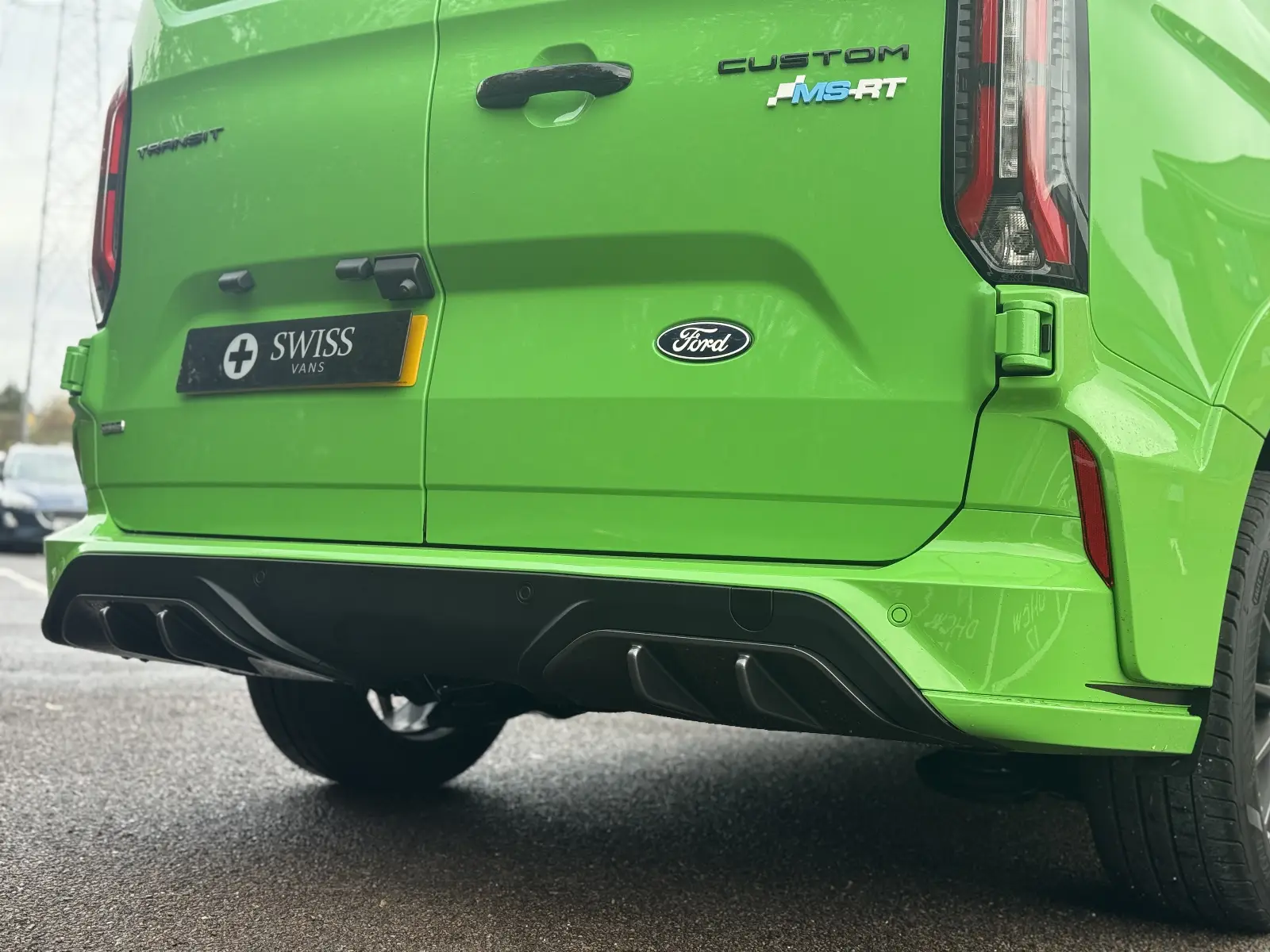
Understanding Ford Transit Weights: A Comprehensive Guide
What is Gross Vehicle Weight (GVW)?
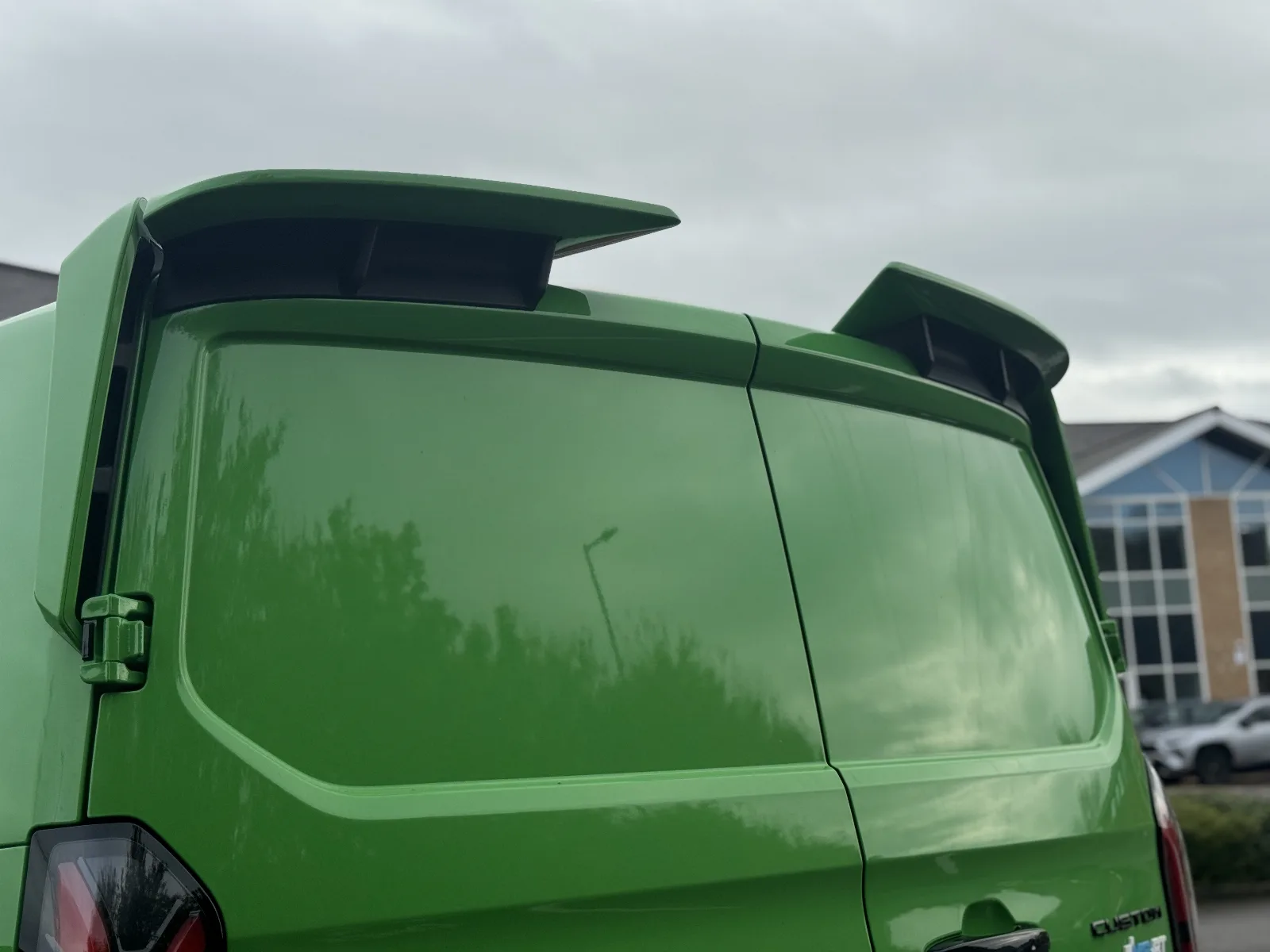
The Ford Transit Courier is the cheapest van to lease in the UK right now from around £229.21 a month. Gross Vehicle Weight (GVW) represents the maximum weight a vehicle can safely reach when fully loaded, including the chassis, engine, fluids, cargo, driver, and passengers. Understanding this limit is vital for staying legal, maintaining vehicle safety, and avoiding heavy fines for overloading.
Understanding Payload: Why It Matters for Your Business

Payload is the actual weight capacity you can carry, calculated by subtracting the vehicle’s kerb weight from its GVW. Exceeding this limit compromises your braking performance and handling, while also risking legal penalties. Whether you are operating a heavy-duty Ford Transit tipper or a standard panel van, knowing your specific payload ensures you remain efficient and compliant during every job.
Common Ford Transit Weight Categories
Ford offers various weight ratings, commonly referred to as series numbers like the 290, 310, or 350. These indicate the approximate GVW in hundreds of kilograms. Checking the Ford Transit dimensions alongside these weight categories is crucial because the vehicle's size often dictates its suspension setup and intended load-carrying capability.
From Ford Transit Courier to Ford E-Transit
Weight capacities vary drastically across the range. Smaller models like the Courier offer nimble handling for lighter tasks, which you can see in the full Ford Transit Courier specifications. Conversely, the Ford E-Transit and larger diesel variants provide high-capacity load-bearing frames engineered for construction, logistics, and heavy-duty transport requirements.
How to Find Your Specific Ford Transit Weight
The most accurate way to find your vehicle’s specific limits is to check the statutory plate or sticker, typically located on the B-pillar inside the driver's door or under the bonnet. This VIN plate lists the maximum GVW and the maximum front and rear axle weights. Always refer to this document rather than general brochures to ensure you are operating within the manufacturer’s design limits.
Choosing the Right Transit for Your Load Requirements
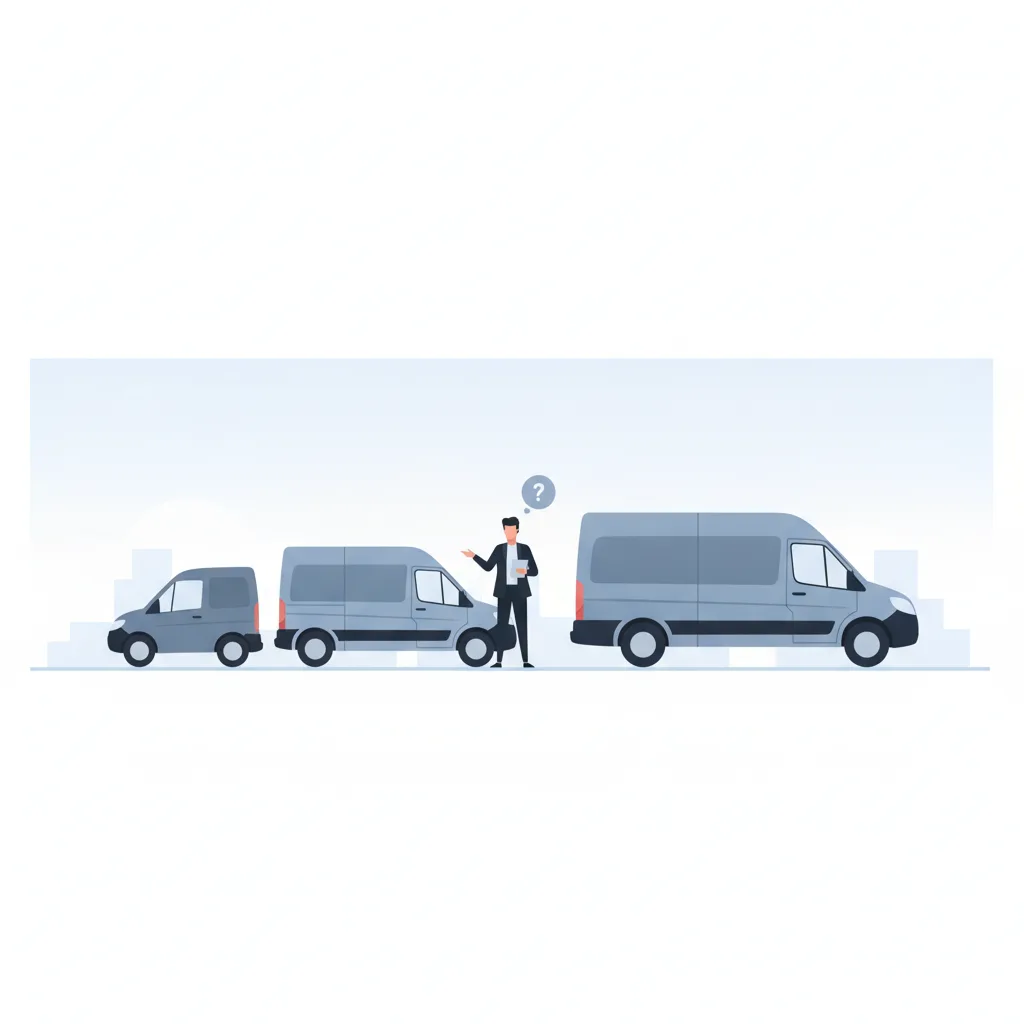
Selecting the correct van requires a clear understanding of your daily cargo needs. If your business involves transporting heavy equipment, opt for a higher series model that offers a superior payload. By matching the van’s weight rating to your actual workload, you prevent premature wear on suspension components and ensure your business operations remain safe and reliable on the road.
FAQs
What is the weight capacity and payload limit of my Ford Transit?
The weight capacity varies by model and series. To find your specific payload, you must subtract the kerb weight (the van's weight when empty) from the Gross Vehicle Weight (GVW) listed on your vehicle’s VIN plate.
Where can I find the GVW of my Ford Transit?
You can find the GVW and axle weight limits on the statutory VIN plate, which is usually located on the door pillar when you open the driver's side door or on a metal plate under the bonnet.
What happens if I overload my Ford Transit?
Overloading your van is illegal and dangerous. It can lead to severe mechanical failure, such as suspension or brake issues, and if caught by authorities, you may face significant fines and points on your license.
Does the Ford Transit weight limit include the driver?
Yes, the Gross Vehicle Weight (GVW) includes the weight of the vehicle itself, all fluids, any cargo, the driver, and any passengers onboard.