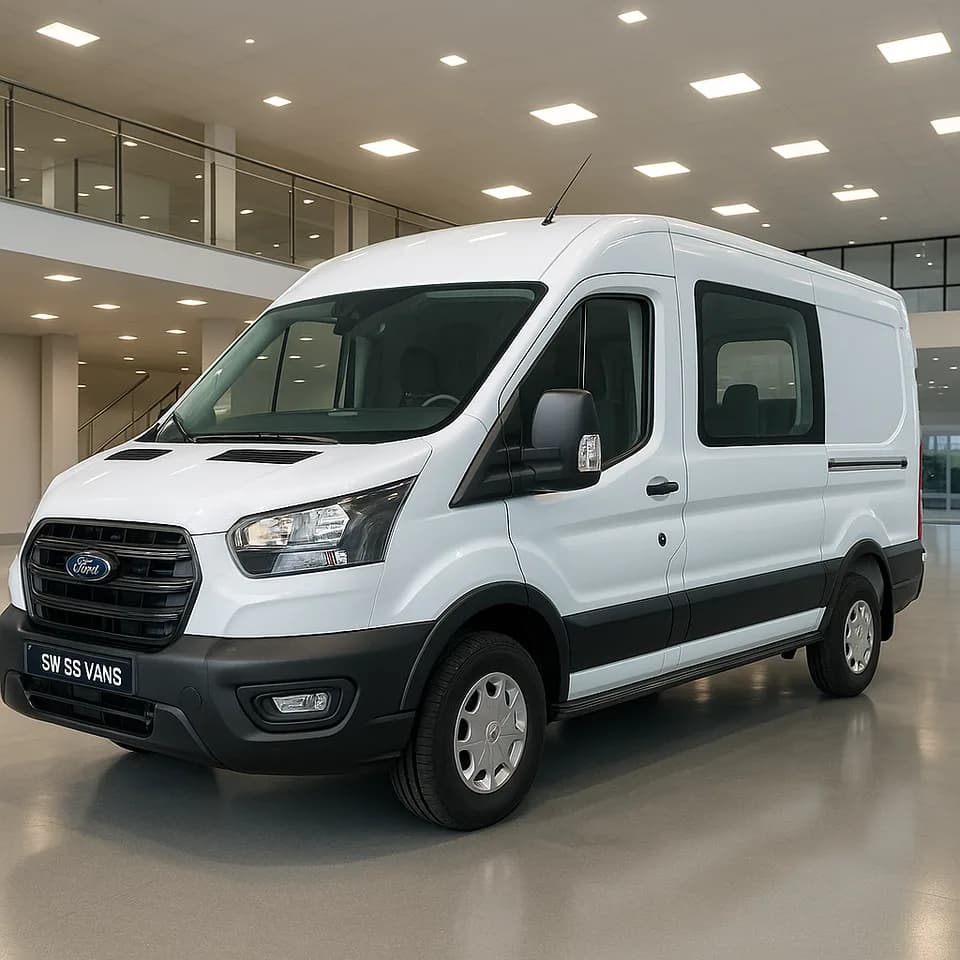
Ford Transit Transporter: Understanding Your Tipper Options
What is a Ford Transit Chassis Cab?
A Ford Transit chassis cab is a versatile vehicle platform designed specifically to be fitted with bespoke bodywork. Unlike a standard factory-built van, the chassis cab arrives as a cab-and-chassis unit, allowing businesses to mount specific body types such as tippers, dropsides, or box bodies to the rear. This flexibility ensures that the vehicle is perfectly adapted to the technical requirements of your specific trade.
The Difference Between Tippers and Dropside Vans
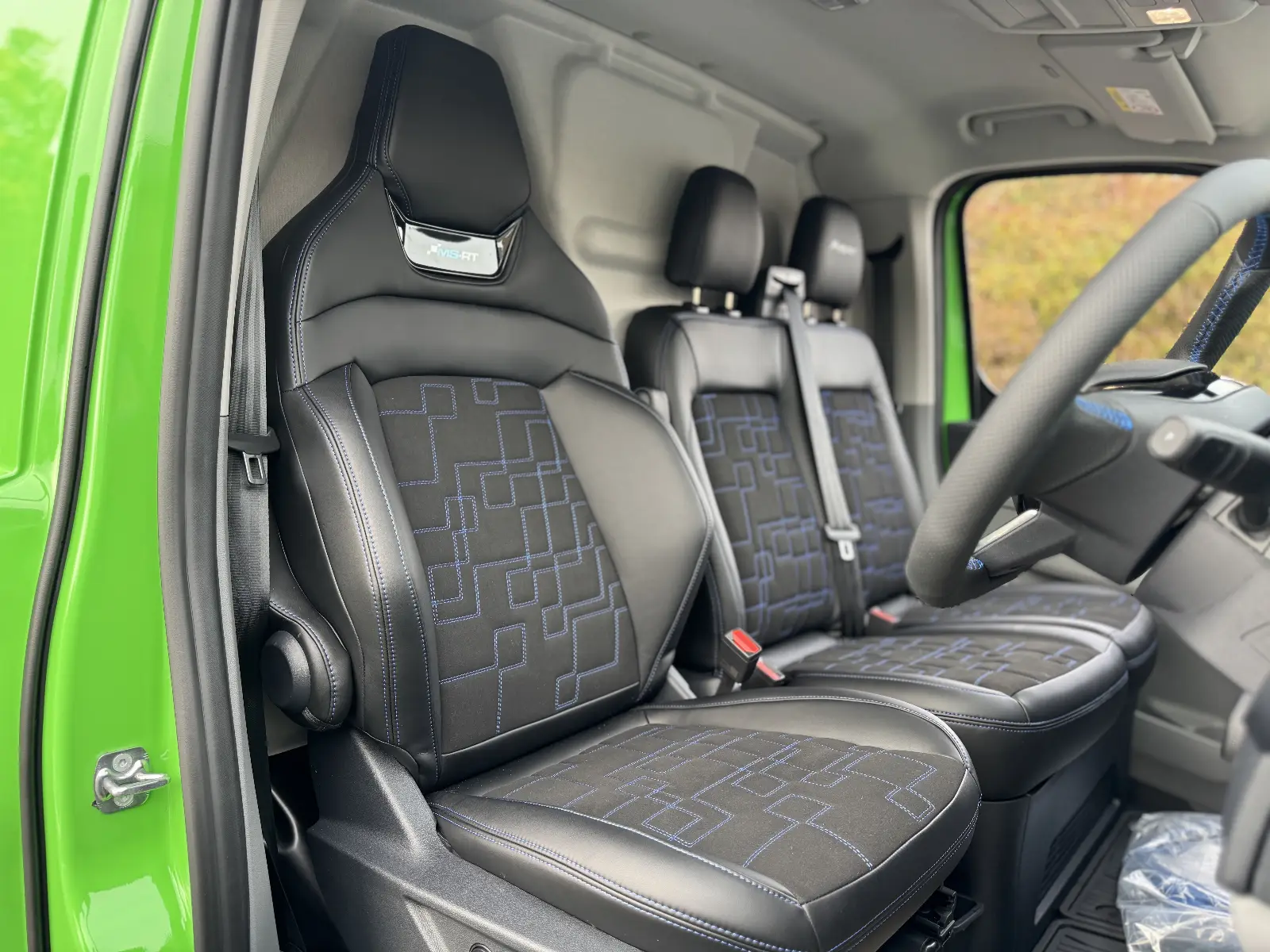
The distinction between these two body types is defined by their operational purpose. A tipper body is equipped with a hydraulic ram system that tilts the rear load bed, allowing for the efficient unloading of bulk materials like soil, sand, or gravel. In contrast, a dropside body features hinged side and tail panels that fold down to allow for easy access, making them ideal for loading and unloading palletised cargo or equipment using a forklift or by hand.
Key Specifications of the Ford Transit Chassis Cab
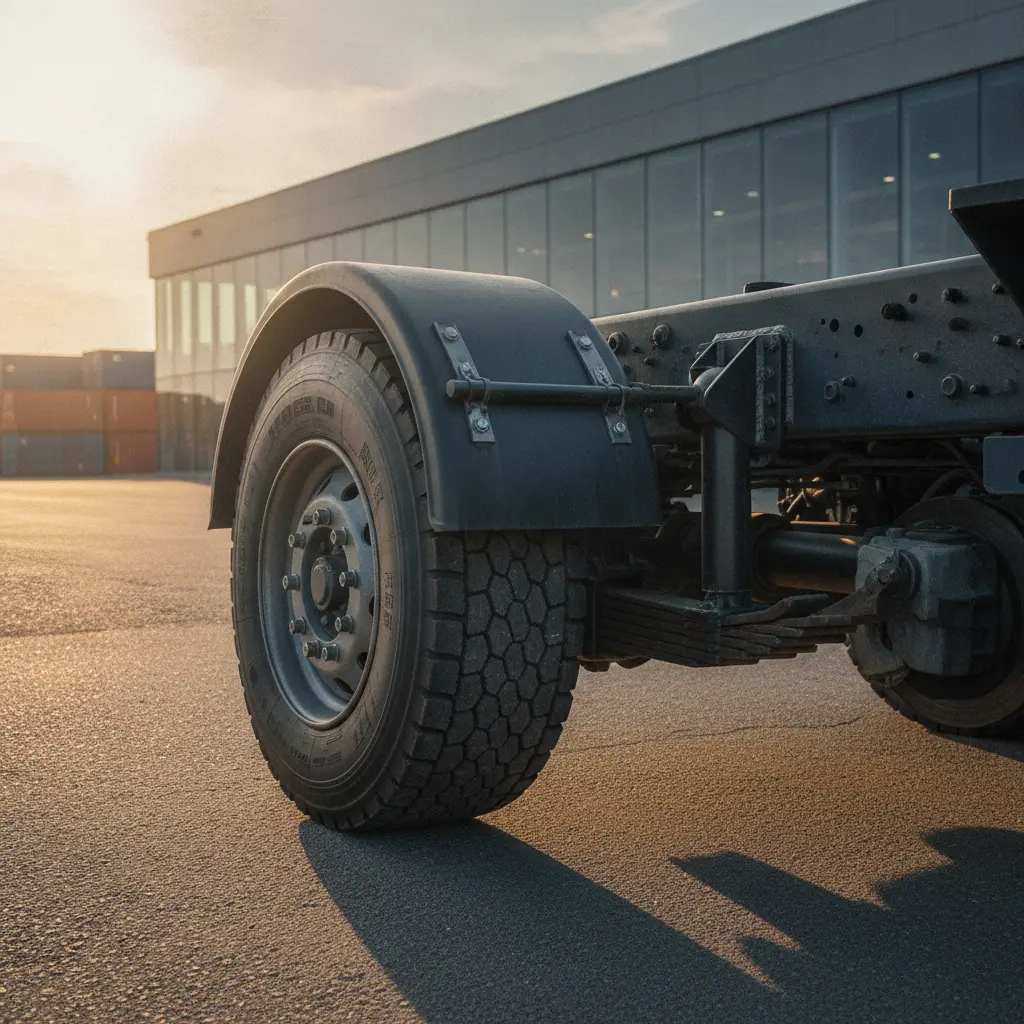
The flexibility of the Transit platform allows for varying payloads and wheelbase configurations. Understanding the Ford Transit dimensions is crucial when selecting your base chassis, as these impact the size of the bodywork you can install, your turning circle, and the overall weight capacity required for your daily commercial operations. Buyers must distinguish between factory-fitted bodies, which are integrated at the point of production, and aftermarket builds, which are fitted by specialist bodybuilders to meet custom requirements.
Choosing the Right Ford Transit for Your Business

For construction, landscaping, or waste management, the chassis cab is the preferred choice due to its high load-bearing capacity and the ability to fit custom dropside or tipping bodies. When selecting your vehicle, ensure the Gross Vehicle Weight (GVW) and chassis length are compatible with the weight and volume of the equipment or materials you intend to carry on a daily basis.
Flexible Finance Options for New and Used Transits
Acquiring a new or pre-owned chassis cab for your fleet is supported through various funding arrangements. Whether you opt for a hire purchase agreement or a contract hire plan, our team helps you find a structure that aligns with your cash flow needs, allowing you to get the vehicle on the road without excessive upfront capital expenditure.
FAQs
What is the main difference between a Ford Transit chassis cab and a factory-fitted tipper?
A chassis cab is the base vehicle supplied without a rear body, intended for customisation, whereas a factory-fitted tipper is a complete, ready-to-use vehicle equipped with a hydraulic tipping bed from the manufacturer.
Can I fit any body to a Ford Transit chassis?
Yes, the Ford Transit chassis is highly adaptable and can be fitted with tipper bodies, dropside beds, box vans, or specialist recovery decks, provided the build complies with the vehicle's technical weight and dimension limitations.
Are there different sizes available for Ford Transit chassis cabs?
Yes, they are available in various wheelbases and Gross Vehicle Weights (GVW), allowing you to choose a base that matches your specific payload and body-length requirements.