 Call us on
In stock now
Large Vans For Sale
New and used commercial vans, ready to drive away. Browse by make below, or talk to the team for a deal built around your business.
Products
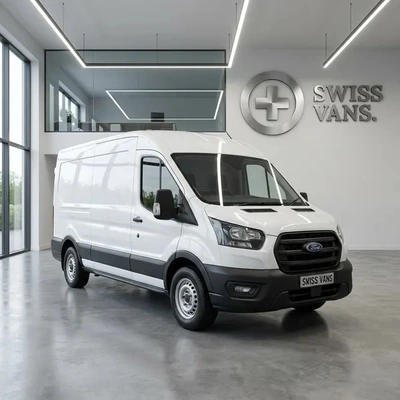
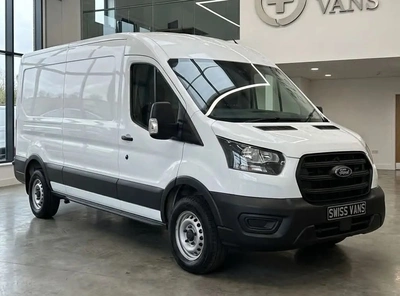
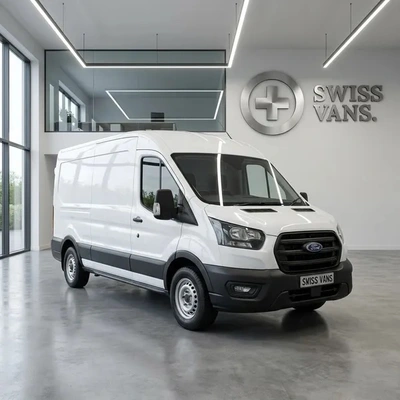

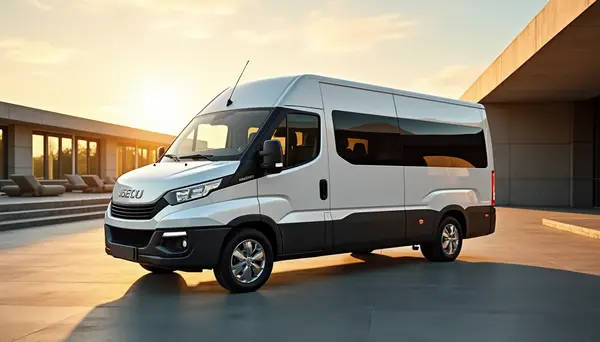
Large Vans For Sale
Large vans are perfect business partners if you run a furniture business or a shop that needs reliable home delivery options. These versatile commercial vehicles solve problems for businesses of all types. The market includes top brands like Ford and Mercedes-Benz. You can also browse all vans for sale.
Here's some good news. Many dealers now offer new large vans in different lengths and heights that match your needs. Some suppliers deliver your van free within 5 days.
This detailed 2026 buyer's guide lists the 15 best large vans in the UK market. Each model's features, performance specs, pricing options, and ideal use cases will help you pick the right van for your business needs.
Large Van Models Available for Sale
Image Source: Van Reviewer
The Ford Transit reigns as the king of large vans in the UK and has been America's top-selling commercial van for 46 straight years. More than 1.5 million units have rolled off assembly lines since 2014. A remarkable 98% of all Transits sold in the last decade still run on roads today. This success explains why people call it "the backbone of Britain".
Ford Transit key features
The Transit's strongest selling point is its cargo capacity. The van boasts 15.1 cubic metres of load space, carries up to 2,447 kg, and has a load length of 4,256 mm. These specs let you easily transport items longer than 4 metres.
The spacious interior is easy to access through:
- Wide side load doors with optimized opening heights
- Rear access step for easy entry
- Optional rear cargo doors that lock open at 270 degrees
- Hands-free side door operation using key fob or handle pull
The van's cargo security comes from side-wall mounted tie-down points that meet both DIN and ISO standards. A rear-mounted LED downlighter automatically lights up the area behind the vehicle. The light turns off when battery levels drop so you'll always make it home.
The 2026 Ford Transit comes in three body lengths and two roof heights. You can pick from:
- Transit Van: Maximum space with up to three seats and full-width bulkhead
- Double Cab-in-Van: Three front seats plus second-row seating for three more passengers
The van packs Ford's complete suite of driver assistance systems. Standard features include Pre-Collision Assist with Automatic Emergency Braking, Cruise Control, Lane Keeping Alert & Aid, Intelligent Speed Assist, auto headlights, and Tyre Pressure Monitoring.
A 12-inch touchscreen with SYNC 4 sits at the heart of the cabin and supports:
- Two mobile devices at once
- Apple CarPlay and Android Auto connectivity
- Voice commands
- Cloud connectivity
Ford Transit performance
The 2026 Ford Transit gives you choices between all-electric and diesel powertrains.
The diesel range features the 2.0L EcoBlue engine with three power levels: 105 PS, 130 PS, or 165 PS. These engines produce torque of 310 Nm, 360 Nm, or 390 Nm. You'll have plenty of pulling power no matter what you're carrying.
You can choose from these transmissions:
- 6-speed manual
- 8-speed automatic (better than the old 6-speed)
- 10-speed automatic
The 8-speed automatic comes with a console-mounted rotary gear shifter and steering wheel paddles for better control.
The Transit fits any driving need with front-wheel drive (FWD), rear-wheel drive (RWD), and all-wheel drive (AWD) options. This van handles any terrain or road condition you throw at it.
Fuel economy impresses for a van this size. Real-world numbers run from 35 to 42 MPG based on load and driving style. High-mileage commercial users appreciate these numbers when watching costs.
The E-Transit serves businesses going electric with:
- 211-249 miles of targeted electric range
- 68 kWh (standard range) or 89 kWh (extended range) battery choices
- 430 Nm of torque
- RWD drivetrain
- Optional Pro Power Onboard 2.3 kW power supply
This van drives better than you'd expect. The steering feels just right and precise, making tight spots less challenging. A well-balanced suspension keeps the van stable and comfortable even with full loads.
Ford Transit pricing
The 2026 Ford Transit range fits different budgets and needs. Base model prices start at:
- Ford Transit Passenger Van: £46,204.24
- Ford Transit Cargo Van: £38,437.35
- Ford Transit Chassis Cab: £36,126.34
- Ford Transit Cutaway: £35,649.85
UK buyers can get the 2026 Ford Transit Van Leader 310M with a 2.0L EcoBlue 105PS engine and 6-speed manual transmission for £43,085 without VAT (£51,702 with VAT).
The Trend trim level with the same engine starts at £46,375 excluding VAT (£55,650 with VAT). The premium Limited trim with the 165PS engine costs from £53,255 without VAT (£63,906 with VAT).
The all-electric E-Transit Leader 350M with its 198kW/269PS electric motor costs £50,695 excluding VAT (£60,834 with VAT). This model gives businesses a green option.
The Transit costs more than some competitors, but Ford's big dealer network and easy parts availability keep maintenance affordable. Strong build quality means fewer repairs, and good resale values make this van a smart long-term buy.
Ford Transit best use case
The Transit's flexibility suits many commercial needs. The impressive load space and payload make it perfect for:
-
Delivery Services: The van's 15.1 cubic metres of cargo space makes it ideal for parcel companies needing maximum volume. The L2's extra 426mm cargo length compared to smaller vans helps businesses that need more space.
-
Construction Industry: The full-size Transit L3H2's 12.7m³ volume holds various materials. Its 2,350kg payload handles cement, blocks, and equipment easily. Contractors have cut material deliveries by up to 40%.
-
Tradespeople: Electricians like the Transit Custom L1's 1,525mm height for wire drum storage. Plumbers prefer the Transit Custom L2's 2,942mm length that fits 3-metre pipes without external racks.
-
Mobile Workshops: The big interior and multiple configurations work great for mobile technicians carrying tools, parts, and equipment while keeping a professional workspace.
-
Passenger Transport: The Double Cab-in-Van fits six people - three in front, three in back. This setup balances passenger comfort with cargo space for businesses moving both people and equipment.
The Transit proves its worth with 98% of vans sold in the last decade still running. This reliability record suits businesses that depend on their vehicles and can't afford downtime. FWD, RWD, and AWD options let the Transit work anywhere, from city delivery routes to rough construction sites.
Mercedes-Benz Sprinter

Image Source: Van Shelving Solutions
The Mercedes-Benz Sprinter stands out as one of the most tech-savvy large vans in the UK market. This van outshines its rivals with more than 1,700 variants, giving businesses exceptional flexibility to match their operational needs. The third-generation model launched in mid-2018 didn't just follow its predecessor - it set new standards for the entire van sector.
Which Large Van Is Right for Business?
The Sprinter's versatility really shines through its configuration options. You can pick from:
- Three roof heights: standard H1 (2,351mm), high H2 (2,613mm), or super-high H3 (2,831mm)
- Four body lengths with the longest (L4) measuring 7,367mm
- Load volumes reaching up to 17.0 cubic metres
The load area dimensions pack quite a punch. The floor stretches to 4,410mm, with a maximum width of 1,787mm and height of 2,009mm. This creates a total load volume of 14 cubic metres in standard setup. The cargo area is easy to access through rear doors that swing open 180 degrees. These doors boast an opening height of over 72 inches (1,829mm) and width of 60 inches (1,524mm).
The cabin shows off the Sprinter's premium DNA. Mercedes has decked out the dashboard with features from their passenger cars. You'll find touch-sensitive steering wheel controls, premium air vents, and the latest MBUX infotainment system as standard. The system comes with a 7.0-inch touchscreen (upgradable to 10.25-inch). It supports wireless smartphone connectivity, DAB radio, Bluetooth, and responds to voice commands starting with "Hey Mercedes".
The Sprinter earned a five-star Euro NCAP rating in 2025 thanks to its complete safety package. Standard safety features include:
- Active Brake Assist with cross-traffic function (unique in its class for pedestrian detection)
- Crosswind Assist
- Blind Spot Assist with Rear Cross Traffic Alert
- Active Lane-Keeping Assist
- Attention Assist for drowsiness detection
Fleet managers will love that every Sprinter comes with Mercedes Pro Connect telematics. This system lets you check vehicle status remotely - from tire pressure to fuel levels, location tracking, and you can even lock or unlock the van using your computer or smartphone.
Mercedes-Benz Sprinter performance
The early models in this generation mostly used 2.1-litre turbodiesel engines, with a 3.0-litre V6 turbodiesel leading the RWD range. The 2024 lineup streamlined to three power options:
- 150hp with 340Nm torque
- 170hp with 400Nm torque
- 190hp with 450Nm torque
This generation brings something new to the table - front-wheel drive (FWD), alongside the usual rear-wheel drive (RWD) and all-wheel drive options. FWD models carry 50kg more payload than their RWD counterparts and feature a lower rear loading height.
A six-speed manual comes standard, while an optional nine-speed automatic improves the driving experience by a lot. The automatic gearbox really shines in both city and highway driving. It keeps engine revs lower at high speeds, which means better refinement and fuel economy.
WLTP testing shows fuel economy ranges from 29.1mpg to 32.1mpg combined. Here's the breakdown:
- Urban driving: 33.6 mpg
- Rural driving: 35.3 mpg
- Motorway driving: 26.6 mpg
- Combined: 30 mpg
The Sprinter delivers a smooth ride on long trips. The steering has a slight vague spot around the center, so you might need small adjustments to keep straight.
Mercedes-Benz Sprinter pricing
The 2026 Sprinter sits at the premium end of the large van market. Prices start at £49,340 excluding VAT for the Pro spec. Here's what specific models will cost you:
- Sprinter Cargo Van: From £40,367.16
- Sprinter Crew Van: From £42,749.64
- Sprinter Passenger Van: From £45,211.54
- Sprinter Passenger Van Select: From £51,445.69
- Sprinter Cab Chassis: From £42,987.89
These prices run higher than competitors - about £1,700 more than a base Crafter (excluding VAT). The gap shrinks with lease deals though.
The Sprinter makes up for its higher price tag with strong resale values and excellent warranty coverage. You get a three-year unlimited mileage warranty and up to 30 years of roadside assistance (MobiloVan) with official Mercedes servicing.
Service intervals stretch to every two years or 37,000 miles for RWD models, which cuts downtime and maintenance costs.
Mercedes-Benz Sprinter best use case
The Sprinter really proves its worth in several key areas:
The Passenger Van works great for transport services. It seats up to 15 passengers, making it perfect for airport shuttles, tour operators, and ride services.
The Crew Van's payload hits 6,812 pounds (3,090kg), matching many one-ton heavy-duty trucks. This makes it ideal for businesses needing serious hauling power without giving up passenger space.
Large fleet operators benefit from the van's tech features. The built-in telematics and Mercedes Pro Connect let dispatchers send jobs straight to the van and update routes through Mercedes' fleet management software. This cuts costs and improves efficiency.
The ExpertSOLUTIONS program lets you customize the van for specific industries. Some popular setups include:
- Delivery and logistics (especially e-commerce and last-mile delivery)
- Contracting trades (plumbing, HVAC, electrical)
- Mobile health services (therapy, veterinary, dental)
- Mobile retail and food service businesses
Businesses looking for premium features, comfort, advanced tech, and professional image will find the Sprinter worth every penny. It topped the reliability charts in Fleet News' 2023 FN50 report, which matters a lot if you can't afford downtime.

Volkswagen Crafter
Image Source: Wikipedia
The Volkswagen Crafter brings exceptional comfort and smart design to the large van market. Customer feedback shaped this van from scratch. German engineering precision shows in every detail, making it a smart choice when you need utility, versatility, and driver comfort all in one package.
Volkswagen Crafter key features
The Crafter's load space will impress you. You get up to 18.4 cubic metres in the long-wheelbase Maxi with super-high roof setup. The wide sliding side door opens to 1,311mm, so standard Euro pallets fit easily.
Most people can stand straight up inside thanks to the 2,196mm interior height. This makes the van perfect for mobile workshops or conversions. The medium wheelbase model fits six Euro pallets with room to spare.
The Crafter comes equipped with these cargo securing features:
- Up to 14 recessed lashing rings
- A load floor with pre-spaced mounting points every 100mm
- Optional load area LED lighting
Volkswagen's attention to detail shines in the cab design. The 2026 model sports a digital cockpit with a standard 10.3-inch touchscreen infotainment system that you can upgrade to 12.9 inches. The system works with wireless Apple CarPlay, Android Auto, and you can control it hands-free with voice commands.
Safety features come standard on all models:
- Front Assist with City Emergency Braking (including pedestrian and cyclist detection)
- Lane Assist
- Dynamic road sign display
- Electronic parking brake
- Side Protection system that alerts you when obstacles are near
Volkswagen Crafter performance
The Crafter's 2.0-litre TDI diesel engine comes in three power levels: 140hp, 163hp, or 177hp. You can pair these with a six-speed manual or an eight-speed automatic transmission. The automatic stands out as one of the best choices available for large vans.
Drive configurations set the Crafter apart from its competitors. Front-wheel drive models maximize payload capacity and offer the lowest loading height. Rear-wheel drive versions grip better when fully loaded and excel at towing, though you lose 100mm of internal height due to the rear differential. The 4MOTION all-wheel drive system tackles tough conditions with ease.
This van handles like a car despite its size. The electromechanical steering system leads the way in the large van segment with light, precise control and great maneuverability. A smooth suspension takes the edge off bumpy roads while keeping the van stable.
Fuel efficiency stays reasonable though not class-leading. The 140hp mid-size versions claim up to 38.2mpg in NEDC testing, but real drivers typically see around 33mpg.
Volkswagen Crafter pricing
The 2026 range offers two trim levels—Commerce and Commerce Plus. A Commerce medium wheelbase with high roof starts at £37,875 excluding VAT for the CR30 2.0 TDI 140PS FWD 6-speed manual. The Commerce Plus trim of the same model costs £43,895 excluding VAT.
Larger variants start higher. The Commerce long wheelbase with high roof begins at £43,135 excluding VAT, while its Commerce Plus version costs £45,745 excluding VAT.
Adding the eight-speed automatic transmission costs £2,190 across the range. The 4MOTION all-wheel drive system adds more, pushing the 177PS 4MOTION 8-speed automatic in Commerce Plus trim to £55,430 excluding VAT.
Popular extras include alloy wheels (£1,420), LED load area lighting (£240), and satellite navigation (£885). The Business Pack adds air conditioning and an alarm system for £1,325 plus VAT - a smart investment.
The Crafter costs more than some rivals, but its build quality, attention to detail, and three-year unlimited mileage warranty make it worth the extra investment.
Volkswagen Crafter best use case
The Crafter fits several business needs perfectly. Road warriors love the comfortable cab with ergoComfort seats that offer optional 20-way adjustment and smart storage solutions that make long trips easier.
Construction and trade businesses benefit from the van's tough build and practical load space. You can choose from three lengths and three roof heights to match your needs.
Mobile service operators find the Crafter ideal. The van moves easily in tight spaces and comes with helpful features like Park Assist and Trailer Assist - perfect for reaching tricky locations.
Conversion specialists often pick the Crafter as their base vehicle. Its strong chassis, well-placed mounting points, and roomy interior work great for camper conversions, mobile workshops, or specialized business setups.
The Volkswagen Crafter stands out as a premium choice for businesses that value driver comfort, solid construction, and smooth handling. You'll pay more than some competitors, but the quality makes it worthwhile.
Renault Master

Image Source: Van Guide
The Renault Master stands as a game-changer in the UK's large van market. It won the overall Van of the Year and Best Large Van titles in the 2025 Parkers Awards. This latest generation brings a complete redesign that gives businesses an excellent mix of practicality, efficiency and tech advances.
Renault Master key features
The Master's eye-catching design serves a purpose beyond looks. Its aerodynamic shape cuts drag by 20% compared to older models. The van boasts one of the widest sliding side doors in its class at 1,313mm. This makes kerbside deliveries and europallet loading a breeze.
The cabin now doubles as a proper mobile office with:
- A 10-inch touchscreen infotainment system with wireless Android Auto and Apple CarPlay
- 135 litres of cabin storage space
- A dashboard that puts everything within the driver's reach
- A seatback table that swivels for laptop work
The cargo area packs some impressive numbers:
- Load volumes from 10.8 to 14.8 cubic metres
- Maximum load length of 3,855mm
- The L2H2 model carries up to 1,971kg - beating the same-sized Transit by half a tonne
Safety features include 20 advanced driver assistance systems. The van comes with park assist, rear-view camera, blind spot warning, and hill start assist.
Renault Master performance
The 2026 Master offers three 2.0-litre diesel engines. Power outputs range from 130hp to 150hp and 170hp. These engines deliver between 350Nm and 380Nm of torque, so heavy loads won't slow you down.
You can pick either a six-speed manual gearbox or a nine-speed automatic transmission with the diesel engines. The automatic option works great for city driving with lots of stop-start traffic.
The Master shines with its flexible drivetrain options:
- FWD maximizes cargo space and handles better on roads
- RWD supports heavier loads and adapts to different terrains
- RWD versions offer 4×4 capability with raised ground clearance and differential locking for tough conditions
Diesel versions now reach 37.2mpg combined, cutting CO2 emissions by 39g/km compared to the previous model [132, 133].
The all-electric Master E-Tech takes things further. Its 87kWh battery powers a 140hp motor with 300Nm of torque. The van leads its class with a 285-mile WLTP range. DC rapid charging at 130kW adds 140 miles of range in under 40 minutes - perfect for businesses going electric.
Renault Master pricing
Prices start at £33,500 (excluding VAT) for the L2H2 Advanced trim with the 130hp diesel engine. This price beats competitors like Ford Transit, Volkswagen Crafter and Mercedes-Benz Sprinter.
The 150hp model costs just £750 more than the base version. Adding the nine-speed automatic transmission costs £2,000 extra.
Long-wheelbase models add only £750 to the price, while long-wheelbase high-roof versions start at £35,250 excluding VAT.
The range-topping 170hp diesel automatic in Extra trim starts at £38,500 excluding VAT.
The E-Tech electric version costs £42,500 excluding VAT. After the £5,000 plug-in van grant, the price drops to £37,500. This makes great sense given the lower running costs of electric vehicles.
Renault Master best use case
The Renault Master works best in several specific roles.
The L2H2 configuration carries an industry-leading 1,971kg payload. This makes it perfect for moving heavy materials or large cargo loads.
Better aerodynamics cut fuel costs by 20%. Courier and delivery services that clock high miles will save money.
The comfortable cab and office features create an excellent workspace. This suits businesses whose staff spend long hours in their vehicles.
The E-Tech's 285-mile range fits urban businesses dealing with emissions zones. Companies can go green without losing capability.
The Master comes in three heights, four weights (2.8t, 3.3t, 3.5t, and 4.5t), and multiple lengths. This range means you'll likely find a version that fits your needs.
Comparison Table
| Feature | Ford Transit | Mercedes-Benz Sprinter | Volkswagen Crafter | Renault Master |
|---|---|---|---|---|
| Maximum Load Volume | 15.1 m³ | 17.0 m³ | 18.4 m³ | 14.8 m³ |
| Maximum Payload | 2,447 kg | 3,090 kg | Not mentioned | 1,971 kg |
| Engine Options | 2.0L EcoBlue (105 PS, 130 PS, 165 PS) + Electric | 2.1L Diesel (150 hp, 170 hp, 190 hp) | 2.0L TDI (140 hp, 163 hp, 177 hp) | 2.0L Diesel (130 hp, 150 hp, 170 hp) + Electric |
| Starting Price (exc. VAT) | £38,437.35 | £49,340 | £37,875 | £33,500 |
| Drive Configurations | FWD, RWD, AWD | FWD, RWD, AWD | FWD, RWD, 4MOTION | FWD, RWD, 4×4 |
| Main Technology Feature | 12-inch touchscreen with SYNC 4 | MBUX system with 7.0-inch touchscreen (up to 10.25-inch) | 10.3-inch touchscreen (up to 12.9-inch) | 10-inch touchscreen infotainment |
FAQs
Q1. Which large van is considered the most reliable in the UK market? According to industry reliability rankings, the Mercedes-Benz Sprinter consistently ran