Mercedes Sprinter Van: How Many Passengers Can It Carry?
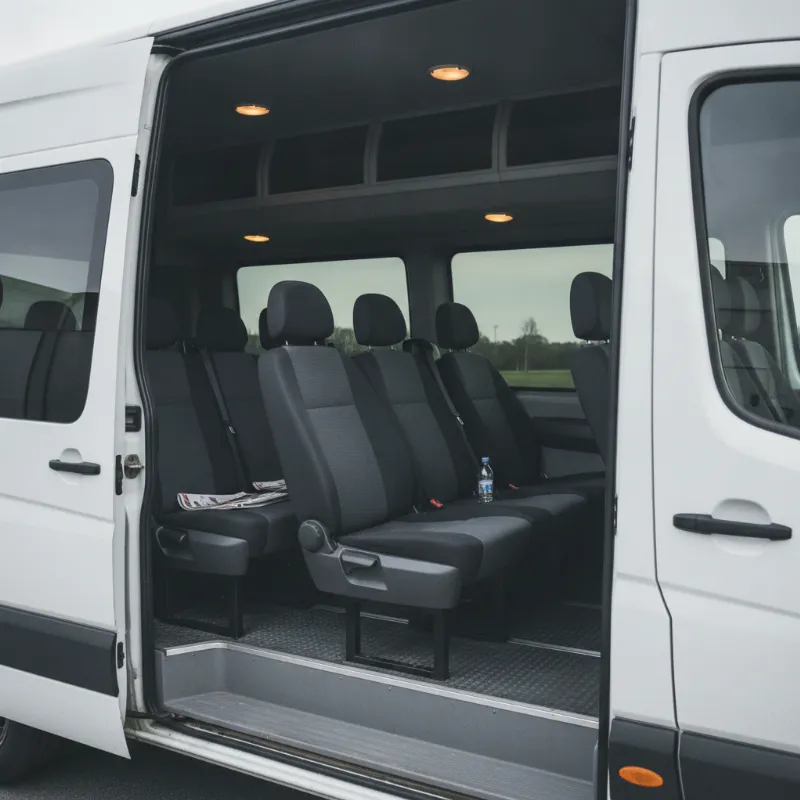
How Many Passengers Can a Mercedes Sprinter Van Carry?
The Mercedes Sprinter is one of the most versatile large vans on the UK market, and passenger capacity varies enormously depending on the variant you choose. In its most basic panel van form, the Sprinter is designed primarily for cargo and typically seats just the driver plus one or two others in the cab. At the other end of the scale, factory-built and converted Sprinter minibuses can legally carry up to 16 passengers plus the driver, giving a total of 17 people on board. In between sit the crew vans, doublecabs and various minibus conversions that seat anywhere from five to twelve. Choosing the right configuration comes down to how many people you need to move, what luggage or equipment you're carrying alongside them, and the driving licence held by whoever will be behind the wheel.
Passenger Capacity by Sprinter Variant
Mercedes offers the Sprinter in several bodystyles, and each has a different seating capacity straight from the factory. Third-party converters also produce a wide range of minibus and welfare vehicles based on the Sprinter chassis cab and panel van, which further broadens the choice. Below we break down the three most common categories buyers ask about.
Panel Van (Driver + 1 or 2)
The standard Sprinter panel van is built around load capacity rather than passenger space. Depending on the specification, you'll find either a two-seat cab (driver plus a single passenger) or a three-seat cab with a bench-style double passenger seat. This makes the panel van ideal for tradespeople and delivery drivers who occasionally need to bring a colleague along but are focused mainly on carrying tools, stock or parcels in the load area behind the bulkhead.
Crew Van / Doublecab (Up to 7)
The Sprinter Crew Van (sometimes called the doublecab or kombi) adds a second row of seats behind the front cab, typically in a three-across bench configuration. That gives a total capacity of six or seven, including the driver, while still leaving a substantial load area at the rear separated by a bulkhead. It's a popular choice for site teams, groundworkers, event crews and utility companies who need to transport a crew and their equipment in the same vehicle.
Sprinter Minibus (Up to 17)
Factory and converted Sprinter minibuses stretch the seating right through the rear of the vehicle, using the long-wheelbase or extra-long-wheelbase body and a high roof for standing headroom. Depending on layout, these can seat between 8 and 16 passengers in addition to the driver, so the maximum legal capacity is 17. Common variants include 12, 14, 15 and 16-seat configurations, often with a rear luggage area or tail lift for accessibility.
10 Seat Mercedes Sprinter Minibus
The 10-seat Sprinter is one of the most requested configurations in the UK because it sits neatly within the limits of a standard Category B car licence for drivers who qualify. With nine passenger seats plus the driver, it's compact enough to handle like a large van but spacious enough to carry a full sports team, extended family or small tour group in comfort.
Typical Layout and Use Cases
A typical 10-seat Sprinter layout features the driver and front passenger seats up front, followed by two or three rows of forward-facing seats in the rear. Individual captain's chairs with armrests are common, and there's usually a dedicated luggage area behind the last row, sometimes with a fixed partition. You'll find these vehicles used widely by schools, care providers, hotels for airport shuttle work, church groups, minicab and private hire operators, and community transport schemes. The combination of Mercedes reliability and manageable size makes them a sensible workhorse.
10 Seat Luxury Mercedes Sprinter Minibus
For operators in the executive travel, corporate hospitality and VIP transfer sectors, a standard minibus interior simply isn't enough. That's where the luxury 10-seat Sprinter comes in — same seating count, but a completely elevated cabin experience designed to compete with limousines and executive people carriers.
Executive Trim, Leather Seating and Extras
Luxury Sprinter conversions typically feature individual leather captain's seats with recline, armrests and often heating, arranged around fold-out tables or a central aisle. Expect extras such as mood lighting, tinted privacy glass, climate control throughout the cabin, wood or piano-black trim, USB and 240V charging points, upgraded sound systems and sometimes a rear entertainment screen. Automatic transmission, cruise control and the latest driver-assistance systems are the norm. These vehicles are popular with chauffeur companies, football clubs, film production units and businesses that need to move senior teams between meetings or airports in genuine comfort.
What Affects Legal Passenger Capacity (Licence, Weight, Seatbelts)
The number of people you can legally carry in a Sprinter isn't just a question of how many seats are fitted. Three main factors come into play. First, driving licence: if you passed your car test after 1 January 1997, a standard Category B licence generally allows you to drive a vehicle with up to 8 passenger seats (nine including the driver). To drive anything with 9 to 16 passenger seats you'll usually need a D1 entitlement, and there are specific exemptions for volunteer and not-for-profit minibus driving. Second, weight: the Sprinter's gross vehicle weight (GVW) matters, and heavier variants above 3.5 tonnes may require a C1 licence depending on age and licence category. Third, seatbelts: every passenger must have a properly fitted seatbelt, and the M1 or M2 type approval of the conversion determines the maximum number of belted seats. Always check the V5C, the plate on the vehicle and the conversion certification before assuming a capacity figure.
Choosing the Right Sprinter for Your Passenger Needs
The best Sprinter for you depends on how you'll actually use it. If you're a tradesperson who occasionally carries a mate to a job, a panel van with a double passenger seat is plenty. If you regularly move a small team plus tools, a crew van gives you both. Schools, care homes and community groups tend to find the 12 to 16-seat minibus most economical per passenger, while private hire operators and executive chauffeurs gravitate towards 8 to 10-seat layouts that keep them under the D1 threshold. Also think about wheelbase and roof height — longer bodies give more legroom and luggage space but are harder to park, while high roofs make loading passengers and luggage easier but affect fuel economy and some low-clearance car parks. Automatic gearboxes, rear air conditioning and parking sensors are worth prioritising for anyone driving passengers regularly.
Buying, Leasing or Financing a Mercedes Sprinter
Once you've settled on the right configuration, the next question is how to pay for it. Buying outright suits businesses with cash reserves and those planning to keep the vehicle long-term, and the used market offers strong value given the Sprinter's reputation for high mileage reliability. Leasing spreads the cost into predictable monthly payments and often includes maintenance packages, which appeals to operators who want to refresh their fleet every few years. Hire purchase and finance lease options are also widely available for businesses and sole traders, with the vehicle typically owned outright at the end of the agreement. Whichever route you choose, it's worth browsing a good selection of stock before deciding — you can view our current range of Mercedes Sprinter vans for sale to compare panel vans, crew vans and minibus variants side by side, with full specifications and finance options available on each listing.
FAQs
How many passengers can a Mercedes Sprinter van carry?
A Mercedes Sprinter can carry anywhere from 2 to 17 people in total depending on the variant. The panel van seats 2 or 3 including the driver, the crew van seats up to 7, and factory or converted Sprinter minibuses seat up to 17 (driver plus 16 passengers).
Can I drive a 16-seat Sprinter minibus on a normal car licence?
Generally no. A standard UK Category B car licence issued after 1 January 1997 only covers vehicles with up to 8 passenger seats. To drive a minibus with 9 to 16 passenger seats you'll usually need a D1 entitlement, though certain not-for-profit and volunteer permits provide exemptions in specific circumstances.
What's the difference between a Sprinter crew van and a Sprinter minibus?
A crew van (or doublecab) has a second row of seats behind the front cab followed by a separate load area with a bulkhead, seating around 6 or 7. A minibus has seating extended right through the rear of the vehicle for up to 16 passengers, with luggage space either at the very back or on a roof rack.
Is a 10-seat Sprinter big enough for luggage as well as passengers?
Yes, most 10-seat Sprinter conversions are built on the long-wheelbase body and include a dedicated rear luggage area behind the last row of seats. This makes them well suited to airport transfers, tour groups and sports teams who need to carry bags and kit as well as passengers.