
Mercedes-Benz Sprinter Weight Guide: Understanding Payload and GVW
What is the Gross Vehicle Weight (GVW) of a Mercedes-Benz Sprinter?
The Gross Vehicle Weight (GVW) is the maximum permitted weight of a vehicle when fully loaded, including the vehicle itself, passengers, fluids, and cargo. For the Mercedes-Benz Sprinter, the GVW typically ranges from 3.0 to 5.5 tonnes. It is important to note that the GVW is a fixed figure determined by the manufacturer to ensure the structural integrity of the chassis and safety systems.
Understanding Payload: How Much Can Your Sprinter Van Carry?
Payload is the actual weight capacity you can legally transport. It is calculated by subtracting the vehicle's kerb weight—its weight in running order including a full tank of fuel and fluids—from the GVW. Because features like high roofs, long wheelbases, and specific trims increase the kerb weight, they directly reduce the remaining payload allowance. Always check the manufacturer's plate located in the driver's door pillar for the specific weight figures for your exact vehicle configuration.
How Model Variations Affect Sprinter Weight
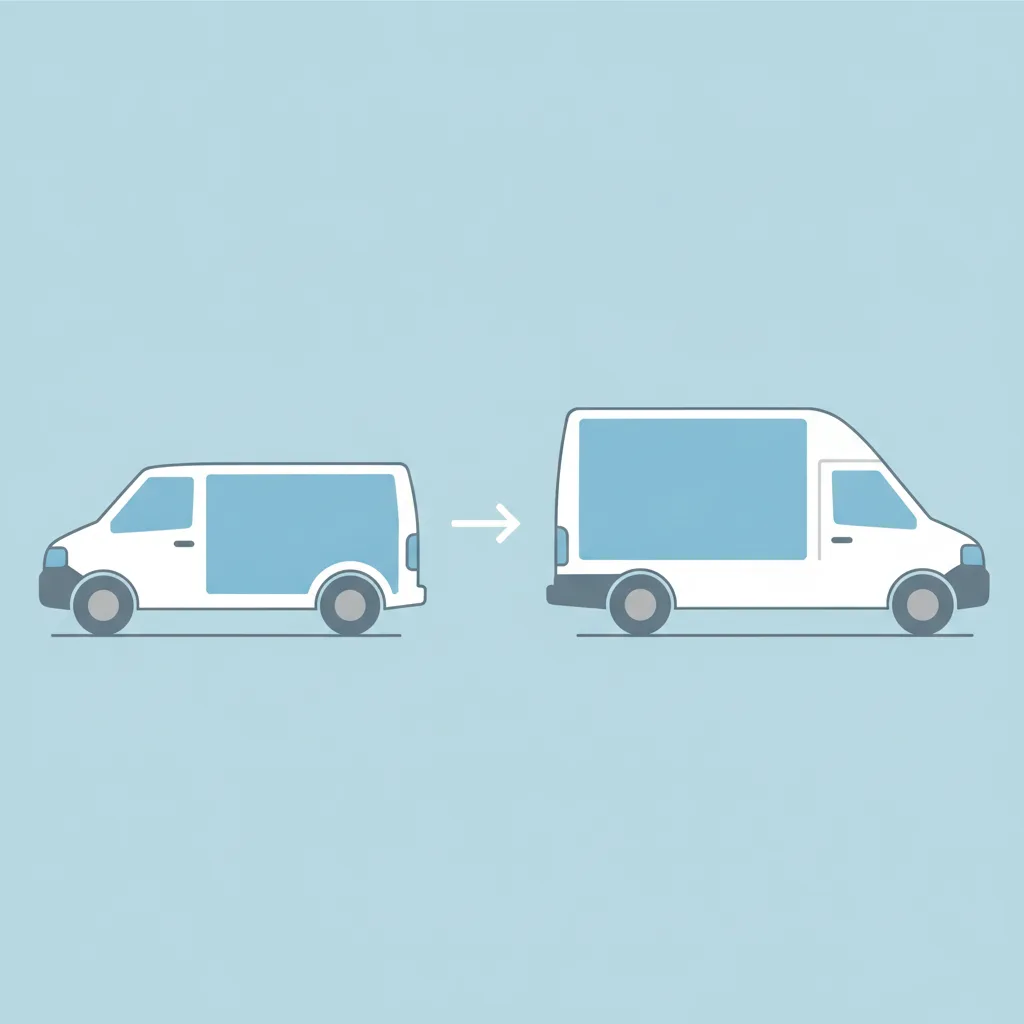
Selecting the correct Sprinter configuration requires understanding that every added dimension impacts your payload. The following table provides a guide to how dimensions generally influence the capacity of a standard panel van:
| Configuration | Impact on Kerb Weight | Impact on Payload |
|---|---|---|
| L1H1 (Short Wheelbase, Low Roof) | Lowest | Highest |
| L2H2 (Medium Wheelbase, High Roof) | Moderate | Reduced |
| L3H2 (Long Wheelbase, High Roof) | High | Lower |
| L4H3 (Extra Long Wheelbase, Extra High Roof) | Highest | Lowest |
Luton vs Panel Van weight differences
Luton vans are equipped with a box body which is significantly heavier than the standard steel shell of a panel van. Because the body construction adds substantial tare weight to the chassis, a Luton Sprinter will almost always have a lower net payload than a panel van sharing the same GVW rating. This configuration is better suited for bulky, lightweight goods rather than high-density materials.
Why Weight Matters for Sprinter Van Diesel Maintenance
Consistently operating a vehicle at or near its maximum payload places greater stress on the drivetrain. Maintaining your vehicle according to the manufacturer's specified service intervals is essential when the van is frequently used at maximum capacity. Ensuring your tyres are inflated to the correct pressure for the specific load and keeping to a strict maintenance schedule helps manage the impact of regular heavy-duty use on the suspension and braking systems.
Expert Advice on Choosing the Right Sprinter Weight Class
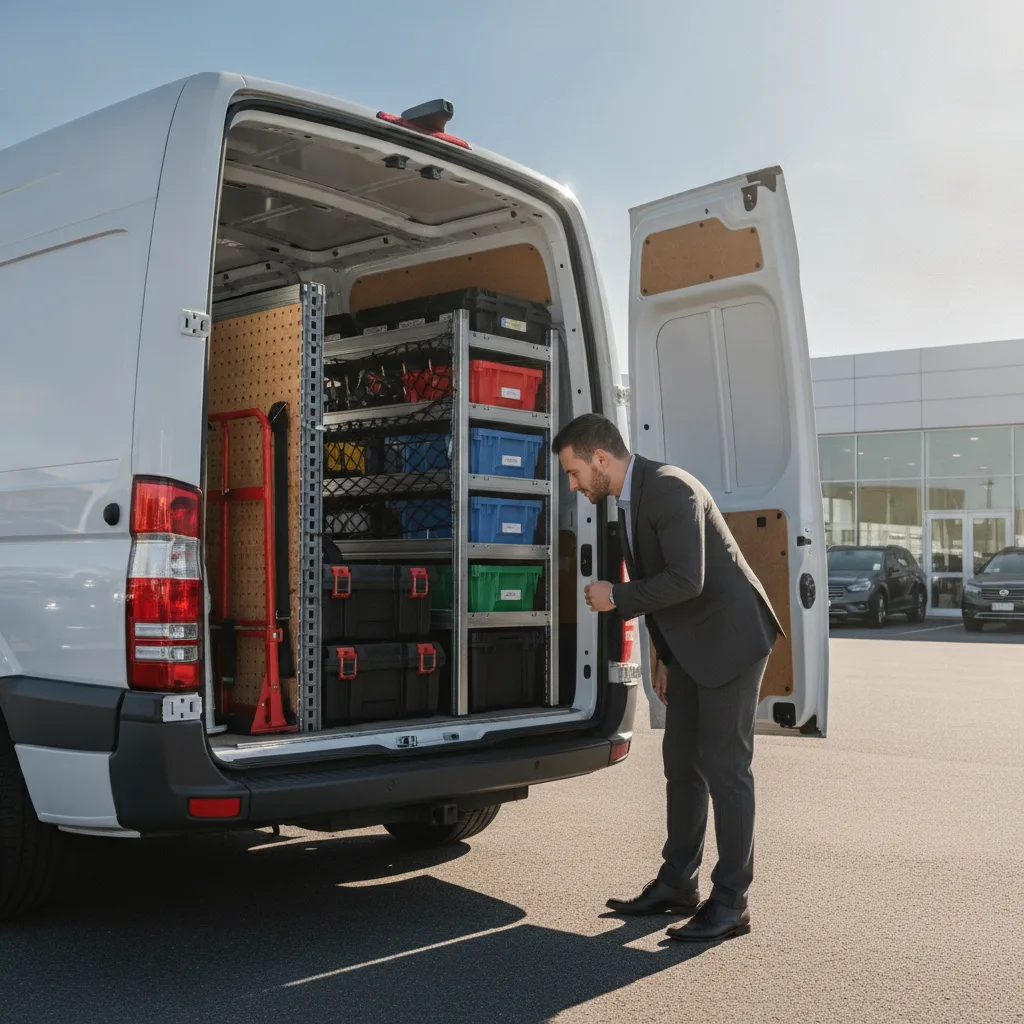
The correct weight class for your business depends on your specific load requirements and your driving license entitlement. While a 5.0-tonne Sprinter offers greater raw capacity, it requires specific regulatory compliance compared to 3.5-tonne variants. We recommend calculating your maximum anticipated load per journey before selecting a model to ensure you balance operational needs with legal weight limits.
FAQs
What is the weight capacity and GVW of a Mercedes-Benz Sprinter?
The Gross Vehicle Weight (GVW) of a Mercedes-Benz Sprinter typically ranges from 3,000kg (3.0 tonnes) to 5,500kg (5.5 tonnes), depending on the specific model, axle configuration, and chassis variant chosen.
Does my driving licence affect which Sprinter weight class I can drive?
Yes, drivers who passed their test after 1997 are generally limited to driving vehicles up to 3,500kg (3.5 tonnes). Operating a Sprinter with a GVW above 3,500kg requires a C1 category entitlement on your licence.
How do I find the payload capacity of my specific Sprinter?
You can calculate your specific payload by taking the vehicle's GVW and subtracting the kerb weight. This information is found on the manufacturer's plate, typically located in the driver's door pillar or under the bonnet.
Does increasing the roof height affect the payload?
Yes, increasing the roof height and wheelbase adds extra steel and components to the build, which increases the kerb weight. This reduces the remaining payload capacity compared to a standard-height, short-wheelbase model.