Are LDV Vans Any Good? An Honest UK Buyer's Guide
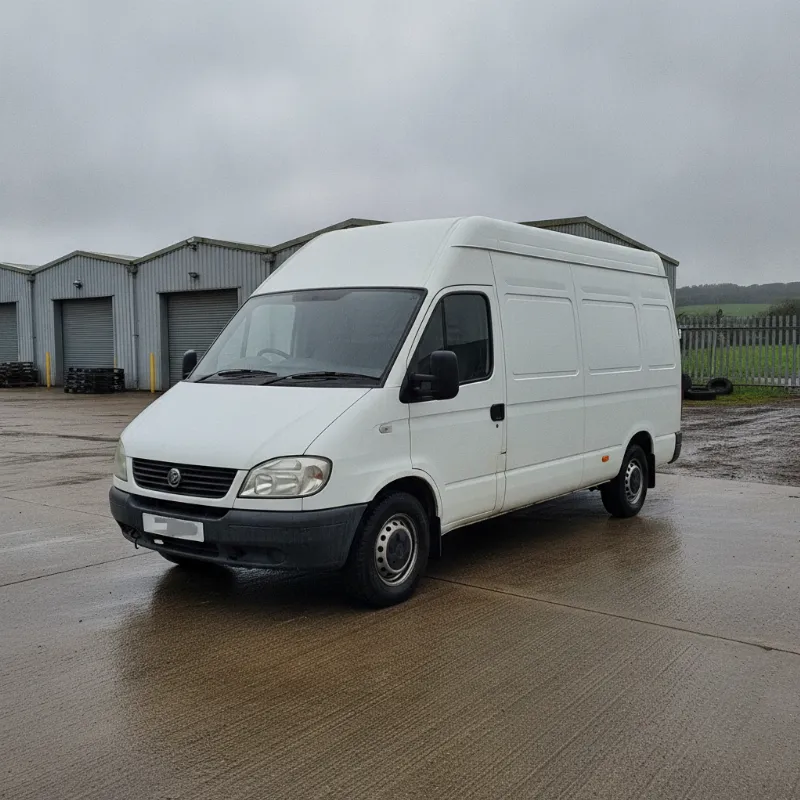
Are LDV vans any good? The short answer
Yes — LDV vans are genuinely good value for money, and for many UK operators they represent one of the smartest ways to get a large, well-equipped panel van on the road without stretching the budget. They're not quite in the same league as a Mercedes-Benz Sprinter or a Ford Transit when it comes to refinement, resale value or dealer network density, but they punch well above their price point on space, payload and standard equipment. If you're a tradesperson, a small courier firm or a fleet operator who needs a workhorse that just gets on with the job, an LDV is well worth a look.
The brand has also come a long way in the last decade. Modern LDVs are built by a global manufacturer with serious resources behind them, they come with generous warranties, and the electric variants have already proven themselves in high-mileage commercial use. In short: yes, LDV vans are any good — as long as you go in with realistic expectations about what a value-focused brand delivers.
Who makes LDV vans?
LDV is a name with a genuinely interesting history, and understanding who builds these vans today helps explain why they've become a credible choice on UK forecourts.
From British Leyland to SAIC Motor ownership
LDV — short for Leyland DAF Vans — traces its roots back to British Leyland's commercial vehicle division in Birmingham. The company had a turbulent few decades, passing through several owners and going into administration more than once, before Chinese automotive giant SAIC Motor acquired the brand in 2010. SAIC is one of the largest vehicle manufacturers in the world, with joint ventures involving Volkswagen and General Motors, and it has invested heavily in modernising LDV's product range. Today's LDV vans are designed and built by SAIC's Maxus commercial vehicle division, and in many markets outside the UK they're sold under the Maxus badge.
That backing matters. It means LDV has proper engineering resources, access to modern platforms, and the financial stability to develop electric drivetrains — something plenty of larger, more established rivals have taken longer to bring to market.
Why Amazon chose LDV electric vans for its UK fleet
One of the strongest votes of confidence for LDV came from Amazon, which added significant numbers of LDV EV80 and later electric models to its UK last-mile delivery fleet. When a company that scrutinises total cost of ownership as closely as Amazon puts thousands of your vans into daily high-mileage service, it tells you the fundamentals — payload, range, running costs, uptime — stack up in the real world. Other big fleets, including supermarket home delivery operations and local authority services, have followed suit, which has helped normalise the LDV badge on British roads.
LDV van reliability and common issues
Reliability is the question every buyer wants answered, and the honest picture with LDV is mixed but improving. Modern V80, Deliver 9 and electric models are generally holding up well, particularly the drivetrains, and the five-year warranty offered on new vans gives useful peace of mind. That said, LDVs don't yet match the very best Japanese or German vans for long-term durability, and trim, electrical fittings and interior plastics can feel less robust than pricier rivals.
Are LDV Convoy vans any good for older-model buyers?
The LDV Convoy — built from the mid-1990s until 2005 — still has a following among budget-conscious buyers, campervan converters and horsebox builders because of its huge cargo area and low purchase price. Are they any good today? For light, occasional use they can be, but you're buying a vehicle that's at least 20 years old, and rust is the number one enemy. Check the chassis, sills, rear crossmember and door bottoms carefully. The Ford-sourced 2.4 and 2.5 diesel engines are largely proven, but ancillaries, wiring and brakes will often need attention. As a cheap project or a low-use second vehicle, a sound Convoy still makes sense; as a daily workhorse in 2024, a newer V80 is a smarter buy.
Known issues: why does an LDV van lose power?
One of the most common complaints on owner forums — particularly with the V80 — is intermittent power loss or the van dropping into limp mode. In the vast majority of cases the cause is fuel or emissions related: a clogged diesel particulate filter (DPF) from too much short-journey use, a faulty EGR valve, a sticking turbo actuator, or a blocked fuel filter. Sensor faults, particularly around the MAF and boost pressure sensors, are also frequently to blame. The good news is that these are well-known issues with well-known fixes, parts are increasingly easy to source, and a competent independent commercial vehicle specialist can usually diagnose the problem quickly. Regular motorway runs to allow the DPF to regenerate, and sticking to the recommended service intervals, prevent most of these headaches in the first place.
The current LDV van range explained
LDV's line-up has expanded significantly in recent years, and the current range covers everything from car-derived light vans through to full-size 3.5-tonne panel vans and electric options.
LDV V80, Deliver 9 and EV models
The V80 has been the backbone of the range for years — a large panel van pitched squarely against the Ford Transit and Fiat Ducato on price. It's spacious, offers strong payload and comes well equipped as standard, though it's now being gradually replaced by the newer Deliver 9. The Deliver 9 is a genuine step forward: better cab ergonomics, a more modern 2.0-litre diesel, improved refinement and a much-updated interior with touchscreen infotainment and modern safety kit. It's the model that finally makes LDV feel like a mainstream choice rather than a budget alternative.
On the electric side, the eDeliver 3 (small van) and eDeliver 9 (large van) round out the range. Real-world range, payload and charging performance are competitive, and both models qualify for the government's plug-in van grant where eligible. For urban fleets and delivery operators facing ULEZ and Clean Air Zone charges, they're a compelling proposition.
Classic LDV Pilot and Convoy for sale on the used market
Alongside the modern range, the classic LDV Pilot and Convoy still turn up regularly on the UK used market. The Pilot, based on the older Leyland Sherpa platform, is a small-to-medium panel van popular with couriers back in its day and now often bought as a cheap runabout or converted into a camper. The Convoy is its larger sibling. Prices are low, parts availability for common service items is reasonable, and there's a strong owner community sharing knowledge online. Just go in with your eyes open: these are old vehicles that need mechanical sympathy and a willingness to maintain them.
LDV vans vs rival brands: value for money
The strongest argument for buying an LDV has always been price. New, a Deliver 9 typically undercuts an equivalent Ford Transit, Mercedes Sprinter or Volkswagen Crafter by several thousand pounds — sometimes considerably more once you factor in standard equipment. You often get air conditioning, cruise control, rear parking sensors, a touchscreen and a reversing camera thrown in at price points where German rivals still charge extra for basics.
Where LDV loses ground is on residual values and dealer coverage. A three-year-old Transit will hold more of its money than a three-year-old V80, so if you plan to change your van frequently, the total cost of ownership gap narrows. Dealer networks are also smaller, though growing, so it's worth checking how far your nearest LDV service point actually is. For operators who buy and keep for the long haul, or who cover very high mileage where the initial saving compounds year on year, LDV genuinely stacks up.
Buying an LDV van in the UK: new, used, lease or finance
How you buy your LDV matters almost as much as which model you choose. New LDVs bought outright give you the full manufacturer warranty and the lowest total ownership risk, and they're a good option for sole traders and small businesses who want a van they'll keep for five to ten years. The used market is where LDV really shines on value — depreciation means a two or three-year-old V80 or Deliver 9 can look extraordinarily good next to a similarly priced but older or higher-mileage rival.
Leasing is increasingly popular for LDVs, particularly the electric models, because it wraps the vehicle, warranty and (often) servicing into a single monthly payment and removes the residual value risk from your shoulders. Business contract hire deals on eDeliver 9s in particular can be very competitive. Finance options such as hire purchase and PCP are also widely available through LDV dealers, letting you spread the cost over an agreed term and either own the van outright at the end or hand it back. Whichever route you choose, get quotes from more than one dealer, check what's included in any service package, and make sure the mileage allowance on a lease genuinely matches how you'll use the van — going over is expensive.
Verdict: should you buy an LDV van?
If you want the last word in refinement, resale or dealer polish, LDV isn't quite there yet — a Transit Custom or a Sprinter will still feel a cut above. But if your priority is a lot of van for the money, generous standard equipment, a solid warranty and — crucially — a credible electric option, LDV absolutely deserves a place on your shortlist. The brand is backed by one of the world's biggest carmakers, it's proven in some of the toughest UK delivery fleets, and the current Deliver 9 and eDeliver range are the strongest products LDV has ever sold.
So are LDV vans any good? For the right buyer — value-focused, pragmatic, and happy to trade a little badge prestige for a lot of usable van — the answer is a confident yes.
FAQs
Are LDV vans any good, and are they worth buying in the UK?
Yes — LDV vans offer strong value for money, generous standard equipment and a competitive five-year warranty on new models. They're not as refined or as strong on resale as a Ford Transit or Mercedes Sprinter, but for buyers focused on getting the most van for their budget, particularly on the used market or as an electric fleet vehicle, LDVs are well worth considering.
How long does an LDV van last?
With regular servicing and sensible use, a modern LDV V80 or Deliver 9 can comfortably cover 150,000 to 200,000 miles. Fleet operators like Amazon routinely put very high mileages on their LDVs, which is a good real-world indicator. Keeping on top of the DPF, EGR and cambelt schedules is the key to longevity.
Are LDV electric vans reliable?
The eDeliver 3 and eDeliver 9 have generally performed well in UK fleet service, with the electric drivetrain proving less trouble-prone than the older diesel engines. Battery warranties are strong, real-world range is competitive, and running costs are significantly lower than a diesel equivalent, particularly for urban and last-mile use.
Where are LDV vans made?
Today's LDV vans are designed and built by SAIC Motor's Maxus commercial vehicle division, primarily in China. SAIC is one of the world's largest vehicle manufacturers and has invested heavily in modernising the LDV range since acquiring the brand in 2010.
Do LDV vans hold their value?
LDV vans depreciate faster than segment leaders like the Ford Transit or Mercedes Sprinter, which is partly why they represent such good value on the used market. If you plan to keep the van long term, this matters less; if you change vans every three years, factor the weaker residuals into your total cost of ownership calculations.