Vauxhall Combo Van Won't Start When Hot? Causes & Fixes
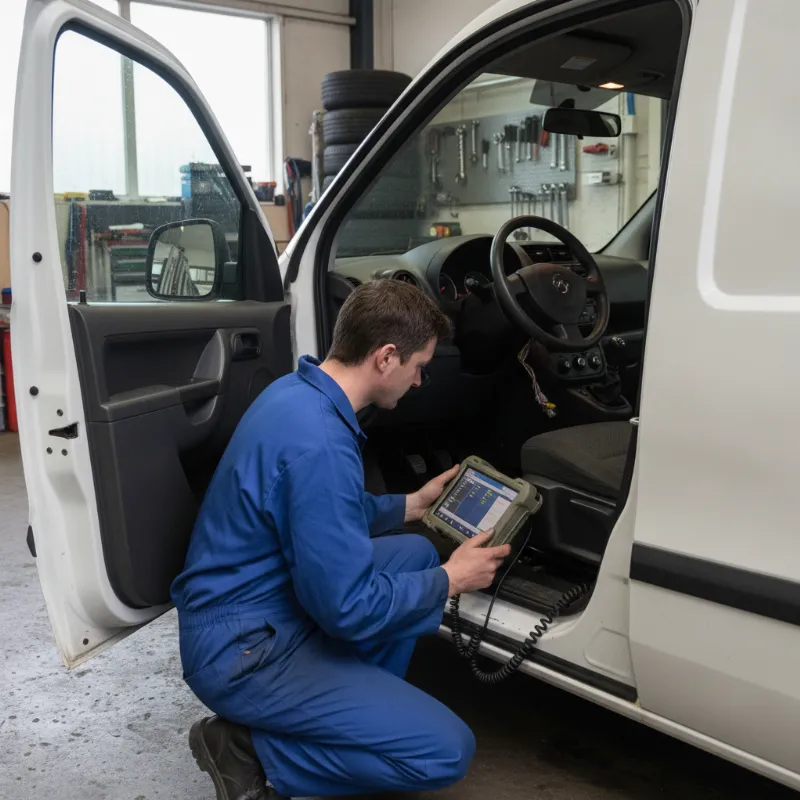
Why won't my Vauxhall Combo start when hot?
A Vauxhall Combo that fires up perfectly from cold but refuses to start once the engine is at operating temperature is one of the most frustrating faults a van owner can face. It's the classic "hot soak" problem — you've done a delivery, popped into a customer, come back twenty minutes later and the engine just cranks and cranks without catching. Sometimes it'll fire on the third or fourth attempt, sometimes you're stuck waiting an hour for everything to cool down before it'll turn over properly.
The reason this happens is that heat changes the behaviour of certain components. Sensors that work fine at 20°C can start sending faulty signals at 90°C. Fuel that's being circulated through a hot engine bay can vaporise or lose pressure. Electrical resistance climbs as temperatures rise, meaning a starter motor or battery that's borderline in cold weather can fall below the threshold needed to crank a hot engine. On the 1.3 and 1.6 CDTi Combo engines in particular, there are a handful of well-known culprits that account for the vast majority of hot no-start complaints.
The good news is that once you know what to look for, diagnosis is usually straightforward and most fixes are well within the scope of an independent garage or a competent DIYer. Below we'll walk through the most common causes, how to spot which one is affecting your van, and what you can realistically expect to pay to put it right.
Common causes of a hot-start problem on the Vauxhall Combo van
Hot-start faults on the Combo almost always trace back to one of four areas: a heat-sensitive sensor, a fuel delivery problem, a leak that only shows itself when things get hot, or a marginal cranking system. Here's what each one looks like in the real world.
Failing crankshaft position sensor
The crankshaft position sensor (CKP) is comfortably the number one cause of hot no-start problems on the Combo, especially on the 1.3 CDTi engines shared with Fiat and other Stellantis-group vehicles. The sensor sits low on the engine block and is exposed to a lot of radiated heat from the exhaust and turbo. As it ages, the internal windings develop a fault that only appears once the sensor gets thoroughly heat-soaked — at that point it stops sending a signal to the ECU, which means no spark timing reference and no fuel injection.
The tell-tale signs are a van that cranks normally but simply won't fire when hot, often accompanied by a fault code such as P0335 or P0336 stored in the ECU. Frequently there's no engine management light showing while you're driving, only when the fault appears at start-up. Replacement sensors are inexpensive and swapping one out is typically a 30–45 minute job.
Fuel pressure and lift pump issues
Diesel Combos rely on a low-pressure lift pump in the tank to feed the high-pressure common-rail pump on the engine. When the lift pump starts to weaken, it can still supply enough fuel to run a cool engine, but once everything's hot and fuel is expanding, the pump can't build enough pressure to prime the system for restart. You'll typically hear extended cranking, and the engine may fire briefly before dying again.
A leaking fuel pressure regulator or a worn high-pressure pump can produce similar symptoms. If you notice the fuel filter housing is warm to the touch and there's air visible in the clear sections of fuel line, it's a strong pointer towards a fuel delivery issue rather than an electrical one.
Injector seal leaks and hot fuel return problems
Over time, the copper washers under the diesel injectors can fail, letting combustion gases blow past and carbonising the injector seat — what the trade calls a "black death" injector. Even a minor leak allows pressurised fuel and combustion gases to escape when hot, causing the rail pressure to bleed off during a hot soak. The van starts fine from cold because the leak isn't significant at ambient temperature, but after a run it can't hold enough pressure to fire.
Excessive back-leak through worn injectors sends too much fuel back to the tank via the return line, again robbing the rail of the pressure needed for a hot start. This is a more involved repair than a sensor swap, but it's a well-understood fault with a clear diagnostic path using a back-leak test kit.
Weak starter motor or dropping battery voltage
Don't overlook the basics. A starter motor that's on its way out will often struggle worst when hot, because the increased resistance in the windings combined with the higher cranking effort needed for a warm engine tips it over the edge. Similarly, a battery that's holding just enough charge to spin a cold engine may drop below the voltage the ECU needs to enable injection once things heat up.
If cranking sounds slower, laboured, or you hear a heavy click without proper rotation when hot, get the battery load-tested and the starter's current draw checked before you start throwing sensors at the problem.
How to diagnose a hot no-start on your Combo at the roadside
If it happens to you out on a job, there are a few sensible checks you can do before calling recovery. First, listen carefully as you crank — does it turn over at the normal speed, or is it noticeably slower than when cold? Slow cranking points at battery or starter; normal cranking with no fire points at fuel or sensor issues.
Next, try the "wait and retry" trick. If the van fires up reliably after 20–40 minutes of cooling, that's classic heat-soak behaviour and strongly suggests a crank sensor. If it still won't start even after cooling, or if it needs multiple long cranks before it catches, fuel delivery becomes more likely. Turn the ignition to position II (without cranking) two or three times before attempting to start — this cycles the lift pump and can help you spot a fuel pressure issue.
Finally, if you have access to an OBD reader, plug it in and check for stored codes. P0335, P0336 or P0340 point at position sensors; P0087, P0088, P0089 or P0093 point at fuel pressure and delivery. Even a basic £20 code reader can save you a lot of guesswork. If you're a member of a breakdown service, ask the patrol to check live rail pressure while cranking — that single reading tells you almost everything you need to know.
Repair costs and when it's time to replace your Combo
What you'll pay depends entirely on which fault it turns out to be. A crankshaft position sensor is typically the cheapest fix, often coming in under £150 including parts and labour at an independent diesel specialist. A new battery or starter motor will usually land somewhere between £150 and £400 fitted. Fuel-related repairs get more variable — a lift pump replacement is usually manageable, but if you're looking at reconditioned injectors, seals and a rail pressure sensor, the bill can climb to £800–£1,500 quite quickly. A full high-pressure pump replacement on an older Combo can approach or exceed £2,000 by the time labour and fuel system cleaning are included.
That's the point at which many owners start doing the maths. If your Combo is over ten years old, has 130,000+ miles on the clock and is facing a four-figure repair bill, you have to weigh the cost against the van's remaining value and reliability. One expensive fix rarely comes alone on a high-mileage diesel — once injectors go, timing belts, EGR valves, DPFs and turbos often aren't far behind. If the van is central to your income and downtime costs you money, throwing good money after bad on an ageing vehicle is often a false economy.
Thinking of upgrading? Newer Vauxhall Combo Cargo options
The current Combo Cargo is a very different proposition to the older models most hot-start complaints relate to. Built on the same platform as the Citroën Berlingo, Peugeot Partner and Toyota Proace City, it benefits from years of shared development and a much more modern 1.5 BlueHDi diesel or fully electric Combo-e drivetrain. The starting and fuel systems are more robust, cabin comfort has moved on considerably, and payload and load volume are competitive with anything in the small van class.
Used examples from three or four years ago are now reaching sensible price points, and there's a healthy choice of low-mileage ex-fleet vans on the market. If you're spending £1,500+ to keep a tired older Combo going, it's genuinely worth pricing up a newer replacement and comparing monthly costs — often a finance package on a younger van works out at little more than the maintenance bills you're already absorbing, with the added benefit of a warranty and predictable running costs. Either way, don't let a hot no-start leave you stranded on another job — get it diagnosed properly and make an informed decision from there.
FAQs
Why won't my Vauxhall Combo van start when the engine is hot?
The most common cause is a failing crankshaft position sensor that stops signalling correctly once heat-soaked, but fuel pressure problems (weak lift pump, leaking injectors or back-leak issues) and a marginal battery or starter motor can produce the same symptoms. Diagnosis usually starts with an OBD scan for codes like P0335 or P0087, followed by a live fuel rail pressure check while cranking.
How much does it cost to replace the crankshaft sensor on a Vauxhall Combo?
At an independent garage you're typically looking at somewhere under £150 all-in for parts and labour on the 1.3 and 1.6 CDTi engines. The sensor itself is inexpensive and it's usually a 30–45 minute job, though access can be awkward on some engines which pushes the labour time up slightly.
Can I still drive my Combo if it sometimes won't start when hot?
You can, but you're rolling the dice every time you switch it off away from home. Intermittent hot no-start faults tend to get worse over time as the underlying component degrades further, and being stranded on a delivery or customer call can cost you far more than the repair itself. It's worth getting it diagnosed sooner rather than later.
Is a hot-start problem the same as a flat battery?
No — a flat or weak battery usually gives you slow, laboured cranking or nothing at all, and it tends to be worse when cold, not hot. A true hot-start fault sees the van cranking at normal speed but simply not firing, then behaving perfectly once it's cooled down. That said, always rule out battery and starter issues first because they're cheap to check.
When is it worth replacing rather than repairing an older Combo?
As a rough guide, if the repair bill approaches half the van's market value, or if the vehicle is over ten years old with high mileage and multiple age-related faults looming, replacement usually makes better financial sense. A newer Combo Cargo brings improved reliability, warranty cover and predictable running costs, which often offsets the monthly finance payment compared to ongoing repair bills.