How to Remove the EGR Valve on a Vauxhall Combo: Step-by-Step Guide
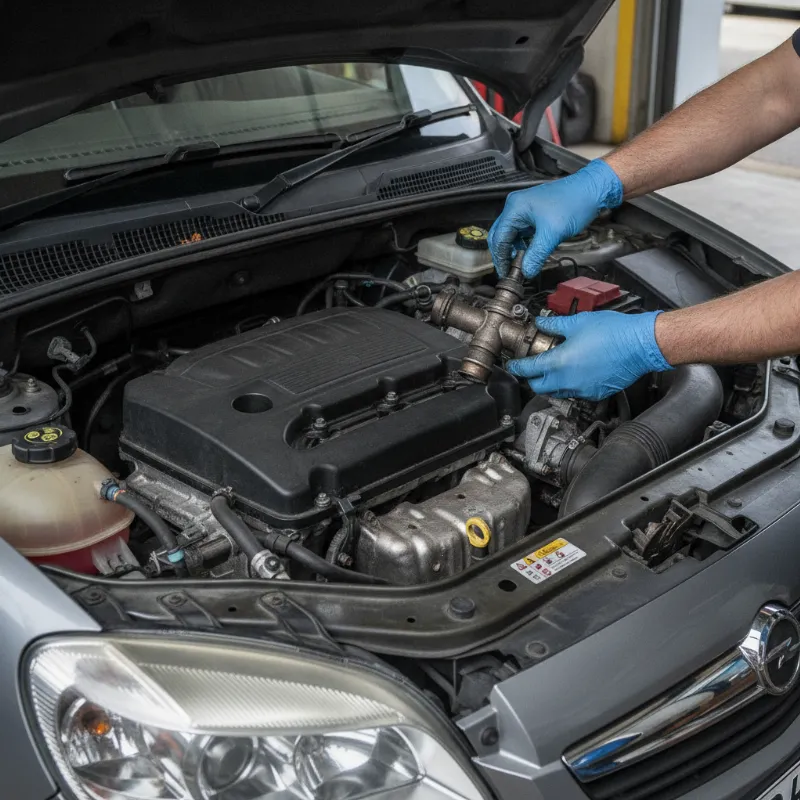
Why Remove or Clean the EGR Valve on a Vauxhall Combo?
The Exhaust Gas Recirculation (EGR) valve on a Vauxhall Combo plays a key role in reducing emissions by recirculating a portion of the exhaust gases back into the intake manifold. Over time, especially on vans used for short urban journeys or lots of stop-start delivery work, soot and carbon deposits build up inside the valve. This can cause it to stick open or closed, leading to poor running, loss of power, black smoke from the exhaust and — in many cases — the dreaded engine management light on the dashboard.
Removing the EGR valve for cleaning or replacement is one of the most common DIY jobs on the Combo, and doing it yourself can save a significant garage bill. Whether your van is showing fault codes like P0401 (insufficient EGR flow) or P0404 (EGR circuit range/performance), or you simply want to give the valve a preventative clean, the process is broadly the same across the popular Combo diesel engines. Before starting, it's worth checking whether your local emissions regulations require the EGR to remain fitted and functional — in the UK, the valve must be present and working for the van to pass its MOT.
Tools and Parts You'll Need
Getting the right gear together before you start will save a lot of frustration halfway through the job. For most Vauxhall Combo EGR removals you'll need a socket set (typically 8mm, 10mm and 13mm sockets), a set of Torx bits (usually T30), a decent extension bar and a small ratchet spanner for tight spots. A flat-blade and Phillips screwdriver will help with hose clips, and a pair of long-nose pliers is useful for spring clips and electrical connectors.
On the consumables side, pick up a can of specialist EGR or carburettor cleaner, some clean rags, a soft brass wire brush (avoid steel — it can score the sealing faces) and a new EGR gasket, as the original will almost certainly tear on removal. It's also wise to have a torque wrench for refitting, some penetrating oil for stubborn bolts, and disposable nitrile gloves — the carbon deposits are messy and stain everything. An OBD-II diagnostic reader is essential for clearing fault codes once the job is complete.
Locating the EGR Valve on a Vauxhall Combo Van
The Vauxhall Combo has been offered with several diesel engines over the years, and the EGR valve sits in a slightly different position depending on which unit is under your bonnet. Identifying the engine first will save you a lot of head-scratching once you're leaning over the wing.
1.3 CDTi Engine
On the popular 1.3 CDTi (a Fiat-derived Multijet engine used from around 2005 onwards), the EGR valve is mounted on the driver's side of the engine, bolted to the intake manifold and connected to the exhaust manifold via a short metal pipe. You'll usually spot it after removing the plastic engine cover — look for a black or metallic unit with a single electrical connector and two or three bolts securing it to the manifold. Access can be tight, so you may find it easier to remove the air intake pipe first for better working room.
1.7 DTi / DI Engine
The older 1.7 DTi and DI Isuzu-based engines, common in earlier Combos, place the EGR valve towards the rear of the engine bay, near the bulkhead. It's typically bolted directly to the intake side and linked by a rigid metal EGR pipe running from the exhaust manifold. On these engines the valve is often more exposed but the bolts can be seized, so a good soak of penetrating oil the night before is a smart move.
Step-by-Step: How to Remove the EGR Valve on a Vauxhall Combo
Once you've identified the engine and gathered your tools, the removal process itself is relatively straightforward. Work methodically, take photos as you go, and don't force anything — most bolts on the Combo's EGR assembly are small and easily rounded off.
Step 1: Disconnect the Battery
Always start by disconnecting the negative terminal of the battery. This prevents any accidental shorts when you're unplugging the EGR's electrical connector and also allows the ECU to reset once the job is done. Leave it disconnected for at least 10-15 minutes to let residual charge drain from the system. If your Combo has a coded stereo, make sure you have the code to hand before disconnecting.
Step 2: Remove Air Intake and Hoses
To gain proper access to the EGR valve, you'll usually need to remove the airbox intake pipe and any nearby vacuum or breather hoses. Loosen the jubilee clips at each end of the intake trunking, mark hoses with masking tape so you remember which goes where, and set them aside. On the 1.3 CDTi, you may also want to unclip the plastic engine cover for better clearance.
Step 3: Unplug the Electrical Connector
The EGR valve has a single multi-pin electrical connector on top. Press the retaining clip firmly and pull the plug straight off — never yank on the wiring. If the clip is stiff after years of heat cycles, a small flat-blade screwdriver can help ease it up. Inspect the pins for corrosion while you have it apart; green oxide on the terminals is a common cause of intermittent faults.
Step 4: Unbolt and Extract the Valve
Finally, undo the two or three bolts securing the EGR valve to the intake manifold. Work in a criss-cross pattern to release tension evenly. If the valve is stuck (very likely due to carbon build-up), gently tap it sideways with a rubber mallet — do not lever against the mating face, as any damage here will cause a vacuum leak on reassembly. Once free, lift the valve away and scrape off the old gasket. You'll almost certainly be shocked at the amount of black, tarry soot inside.
Cleaning vs Replacing the EGR Valve
With the valve on the bench, you have a decision to make: clean it or replace it. Cleaning is by far the cheaper option and works well if the valve itself is mechanically sound. Spray the internals liberally with EGR cleaner, let it soak, then work the pintle or flap gently by hand while brushing away the softened carbon with a brass brush. Repeat until the metal is visible and the mechanism moves freely. Avoid getting cleaner into the electrical connector or motor housing on electronically actuated valves, as this can damage the sensor.
If the valve is heavily coked, the motor is seized, or you're already seeing multiple fault codes, replacement is the more reliable long-term fix. Genuine Vauxhall EGR valves are available, but good-quality aftermarket units from brands like Pierburg, Wahler or Delphi are often identical parts at a lower price. Whichever route you take, always fit a new gasket — reusing the old one is a false economy that usually ends in exhaust leaks.
Refitting the EGR Valve and Clearing Fault Codes
Refitting is essentially the reverse of removal, but a few details matter. Make sure the mating faces on the manifold are completely clean and free of old gasket material before offering up the new gasket. Tighten the bolts evenly and to the correct torque — typically around 8-10 Nm for the EGR mounting bolts on the Combo, though check your specific workshop manual. Reconnect the electrical plug until it clicks, refit the air intake hoses, and reconnect the battery.
Start the engine and let it idle for a few minutes. It's normal to see the engine management light stay on until you clear the stored fault codes with an OBD-II reader. Once cleared, take the van for a short drive including some higher-rev motorway running to let the ECU relearn the EGR's operating parameters. If the light stays off and the van pulls cleanly, the job is done.
When to Call a Professional (and Signs of Bigger Engine Problems)
While the EGR job is well within the reach of a competent home mechanic, there are situations where it's worth handing over to a specialist. If bolts shear off inside the manifold, if you notice cracks in the EGR pipe or manifold, or if the fault codes return within days of cleaning, there may be a deeper issue such as a blocked DPF, a failing turbo, or a faulty MAF sensor causing the EGR to over-work.
Persistent black smoke, loss of power under load, or a rattling noise from the turbo area shouldn't be ignored — these can indicate problems that a simple EGR clean won't cure. A diagnostic session at a Vauxhall specialist will quickly identify whether the EGR is the real culprit or just a symptom of something bigger.
Thinking of Upgrading? Browse Newer Vauxhall Combo Vans
If your Combo is starting to feel its age — with recurring EGR issues, tired turbo performance or mounting maintenance bills — it may be time to consider an upgrade. Newer Vauxhall Combo models offer significantly improved fuel economy, cleaner Euro 6 engines that are ULEZ-compliant, better payloads and modern in-cab technology including reversing cameras and smartphone connectivity. Many are available with manufacturer-approved warranties for peace of mind. Whether you're a sole trader looking for a reliable workhorse or a fleet operator planning a refresh, upgrading can often work out cheaper over three or four years than continually patching up an older van.
FAQs
How do you remove the EGR valve on a Vauxhall Combo van?
Start by disconnecting the negative battery terminal, then remove the air intake pipe and any hoses blocking access to the valve. Unplug the electrical connector on top of the EGR, undo the two or three mounting bolts (usually 8mm or T30 Torx), and gently work the valve free from the intake manifold. Scrape off the old gasket, clean or replace the valve, then refit using a new gasket and clear any fault codes with an OBD-II reader. On the 1.3 CDTi it's located on the driver's side of the engine, while on 1.7 DTi/DI engines it sits nearer the bulkhead.
How long does it take to remove and clean the EGR valve on a Combo?
For a competent DIYer, the full job — removal, cleaning and refitting — typically takes between 1.5 and 3 hours. The 1.3 CDTi is generally a bit quicker due to easier access, while the 1.7 DTi can take longer if the bolts are seized. Allow extra time if you need to soak stubborn fasteners with penetrating oil or if the valve is heavily coked with carbon.
Can I drive my Vauxhall Combo with the EGR valve blanked off?
In the UK it's illegal to drive on public roads with the EGR valve blanked, removed or disabled, as it forms part of the vehicle's emissions control system. Doing so will also cause an MOT failure and can invalidate your insurance. If the valve is faulty, the correct fix is to clean or replace it rather than blank it off.
Will cleaning the EGR valve clear the engine management light?
In many cases, yes — if the fault was caused by a sticking or clogged valve, a thorough clean and a fault-code reset will usually turn the light off and keep it off. However, if the light returns within a short period, there may be a related issue such as a blocked DPF, a faulty MAF sensor or a mechanical fault with the EGR motor itself, and further diagnostics will be needed.
How much does it cost to replace an EGR valve on a Vauxhall Combo at a garage?
Garage prices in the UK typically range from around £250 to £500 depending on engine variant, whether you go for a genuine Vauxhall part or a quality aftermarket brand like Pierburg or Delphi, and local labour rates. DIY replacement can bring the cost down to roughly £80-£180 for the part and gasket alone, which is why many Combo owners tackle the job themselves.