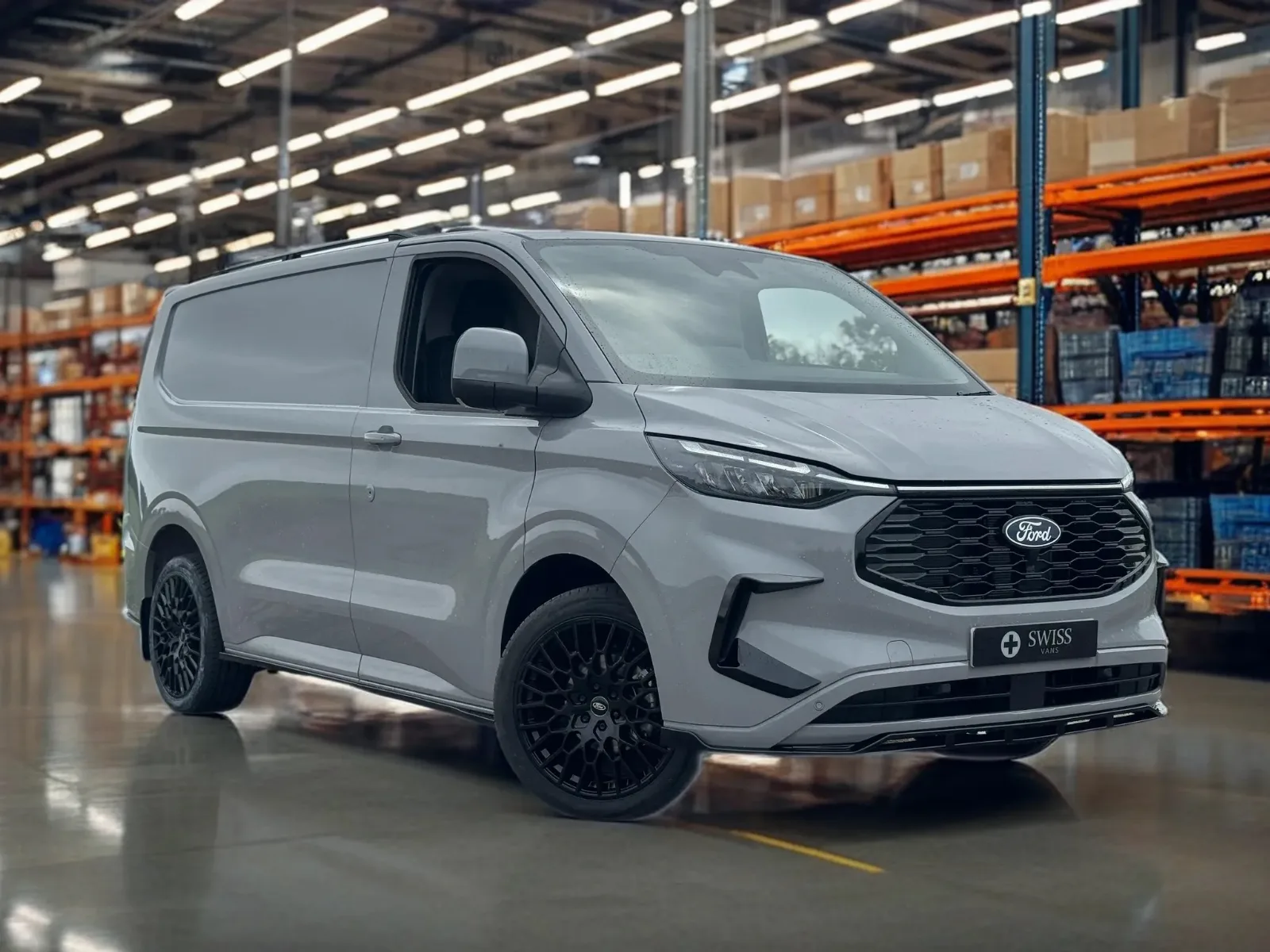
Ford Transit Length: A Guide to Choosing the Right Size
Understanding Ford Transit Length and Height Options
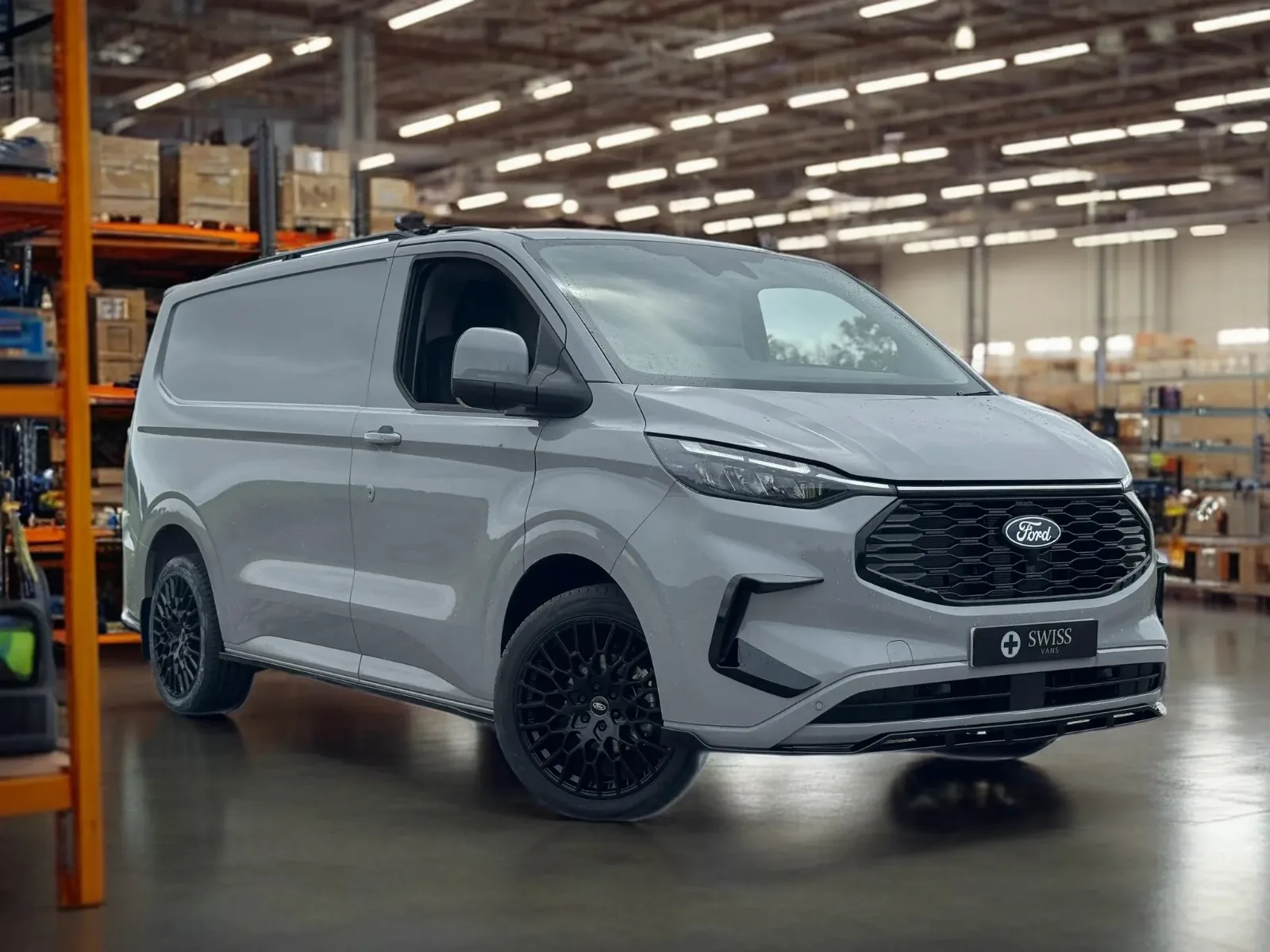
The full-sized Ford Transit is categorised by its load length (L) and roof height (H). Choosing the correct configuration is essential for matching vehicle capacity to your specific cargo requirements. The following dimensions represent the industry-standard specifications for the current Ford Transit panel van range.
The Ford Transit Dimensions: Short, Medium, Long, and Jumbo
| Configuration | Load Length (mm) | Load Height (mm) | Load Volume (m3) |
|---|---|---|---|
| L2 H2 (Medium Wheelbase, Medium Roof) | 3044 | 1886 | 9.5 |
| L3 H2 (Long Wheelbase, Medium Roof) | 3494 | 1886 | 11.0 |
| L3 H3 (Long Wheelbase, High Roof) | 3494 | 2125 | 13.0 |
| L4 H3 (Extended Wheelbase, High Roof) | 4256 | 2125 | 15.1 |
Note that the Ford Transit Custom, a separate model line, utilizes different sizing conventions (L1 and L2). Always ensure you are reviewing specifications for the correct chassis type when assessing your payload needs.
How to Choose the Right Transit for Your Load Requirements
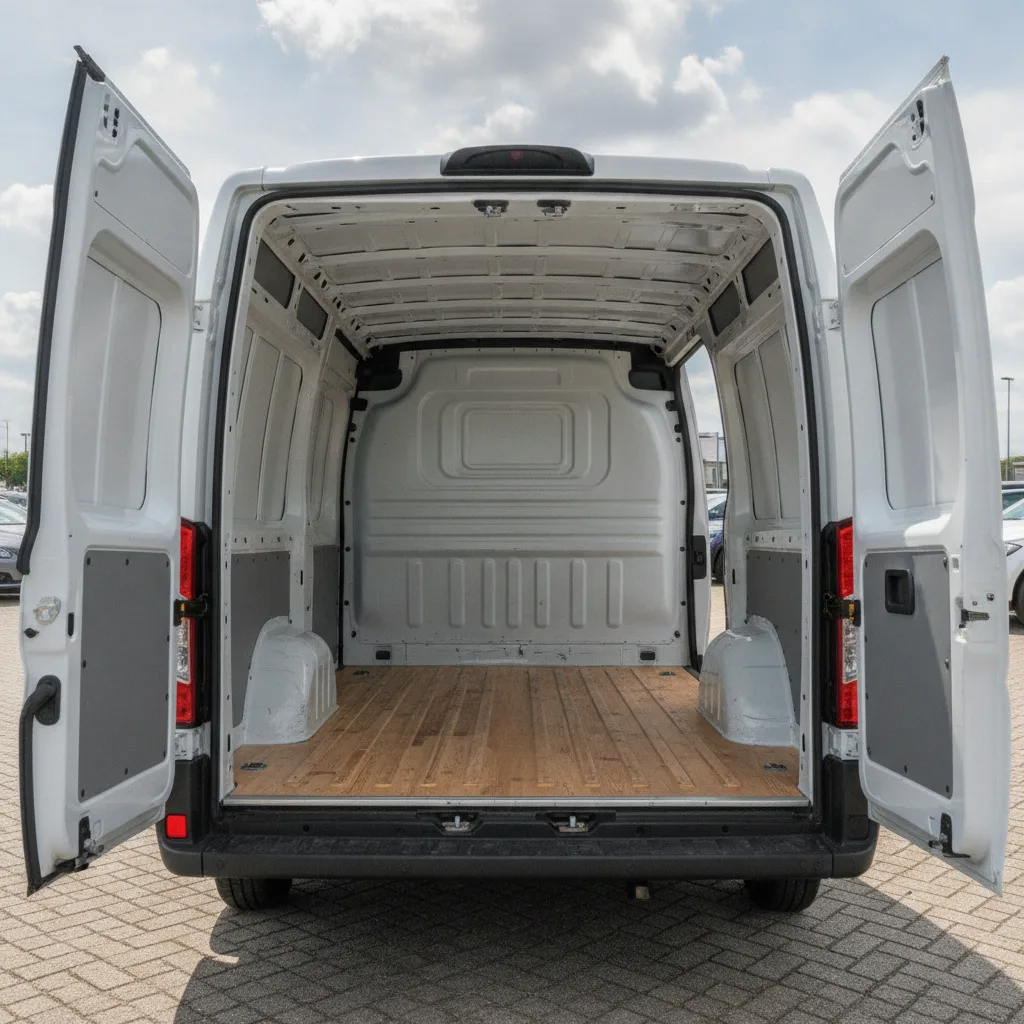
When selecting a Transit, match the load length to the longest items you carry and the height to your standing requirements or tall equipment. The L2 model is suited for standard pallet loads, while the L3 and L4 options provide the additional floor length necessary for longer materials like piping or timber. Height considerations are critical for personnel who need to stand inside the cargo area; the H3 roof provides 2125mm of internal clearance, making it suitable for high-volume delivery or mobile workshop conversions.
Comparing Ford Transit Models: From Courier to 350 Leader
The Ford Transit range is distinct from smaller models like the Transit Courier, Connect, and Custom. The full-sized Transit is generally designated as the 2-tonne range. Models are often labelled by their Gross Vehicle Mass (GVM), such as the 350 series, which denotes a 3.5-tonne gross weight. When comparing models, focus on the GVM alongside the L and H designation to ensure the van provides both the physical space and the legal payload capacity required for your business.
Flexible Finance Options for Your Next Ford Transit

Leasing options are available across the entire Ford Transit range, allowing businesses to select the L and H configuration that meets their operational demands. We offer tailored leasing solutions to help you secure the correct vehicle specification for your specific business requirements.
FAQs
What is the difference between the Ford Transit and the Transit Custom?
The Ford Transit is the larger, 2-tonne capacity van available in L2-L4 lengths. The Ford Transit Custom is a separate, smaller 1-tonne capacity model which uses different sizing classifications (L1 and L2).
How do L and H designations work?
L refers to the vehicle's load length (e.g., L2, L3, L4), where a higher number indicates a longer load floor. H refers to the roof height (e.g., H2, H3), where a higher number indicates more internal headroom.
Which Transit size is best for standing work?
The H3 roof height configuration is best for those who need to stand in the back of the van, offering 2125mm of internal height.
Does load volume change between wheelbase lengths?
Yes, load volume increases with the wheelbase and roof height. The L4 H3 configuration provides the maximum cargo capacity of 15.1 cubic metres.