What Oil Does My Citroen Relay Need? A Simple Owner's Guide
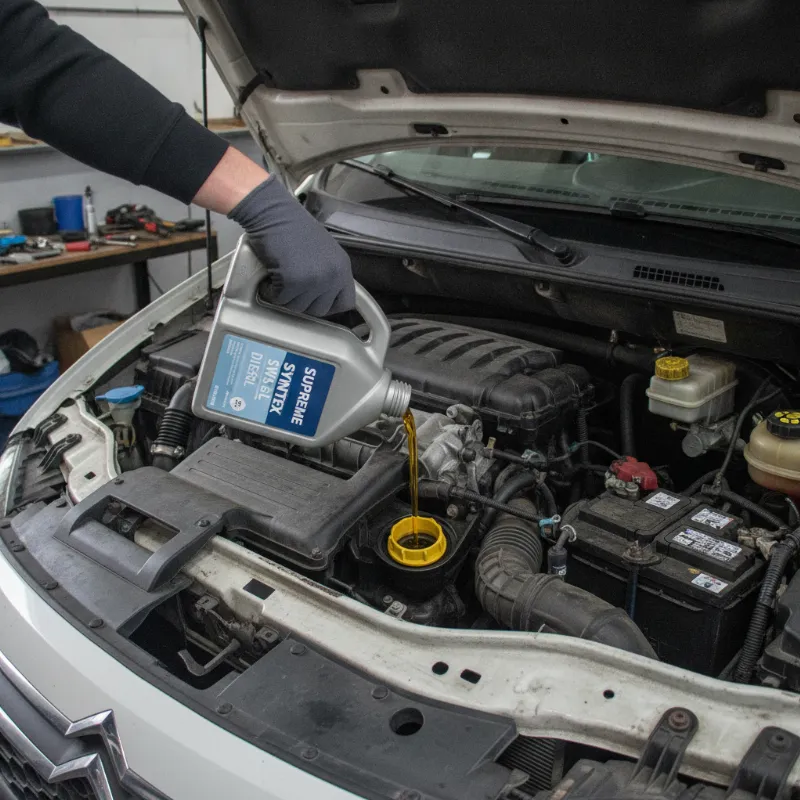
What oil does a Citroen Relay need?
The Citroen Relay is a hard-working panel van, and putting the right engine oil in it is one of the simplest things you can do to keep it reliable for the long haul. In general terms, every modern Relay uses a low-SAPS (low sulphated ash, phosphorus and sulphur) fully synthetic diesel engine oil, because the engines are fitted with a diesel particulate filter (DPF) that a standard oil would quickly clog up.
The two most common grades you will see specified are 5W-30 and 0W-30, both meeting the PSA B71 2312 or B71 2290 approval standards set by the manufacturer (PSA being the parent company behind Citroen, Peugeot and Fiat vans built on the same platform). Using an oil that does not meet these approvals — even if it is the right viscosity — can shorten DPF life and, in some cases, invalidate warranty claims. Always check the handbook in your specific van before buying, because the exact requirement changes with the engine and year of manufacture.
Recommended oil grades by Citroen Relay engine
The Relay has been offered with several different diesel engines since it was launched, and each has its own oil requirement. Below is a breakdown of what each of the common engines needs, based on Citroen's own service data.
2.0 BlueHDi (Euro 6) oil specification
The 2.0 BlueHDi engine, fitted to Relays from around 2016 onwards, is the most common engine on today's used market. It requires a fully synthetic 0W-30 low-SAPS oil meeting the PSA B71 2312 specification. This is a very specific approval and you should not substitute a generic 0W-30 or 5W-30 — the additive package is what protects the DPF and SCR (AdBlue) system, both of which are expensive to replace if they fail early.
2.2 HDi oil specification
The 2.2 HDi engine, which was fitted from around 2006 through to the introduction of the BlueHDi, typically calls for a 5W-30 fully synthetic oil meeting PSA B71 2290. Some earlier 2.2 HDi vans without a DPF can also run on an ACEA C2 or C3 rated 5W-30, but if in doubt stick with the PSA-approved product — it costs only a little more and removes any guesswork.
Older 2.0 HDi and 2.8 HDi engines
The older 2.0 HDi and 2.8 HDi engines, common on Relays built before the mid-2000s, are less fussy. They generally accept a good-quality 5W-40 semi-synthetic or fully synthetic oil to ACEA B3 or B4 standard. Because most of these vans are pre-DPF, the low-SAPS requirement doesn't apply, but a fully synthetic oil is still worth the small extra cost for the added protection on high-mileage engines.
How much oil does a Citroen Relay hold?
Total oil capacity varies by engine, but as a rough guide the 2.0 BlueHDi holds around 5.25 litres including the filter, the 2.2 HDi around 5.75 litres, and the older 2.8 HDi around 6.25 litres. It is always worth buying a 5-litre container plus a spare 1-litre top-up bottle so you have enough to complete the job and some left over for future top-ups.
Do not simply pour the full container in and assume it is right — always fill in stages and check the dipstick, because overfilling a modern diesel can be just as damaging as running it low. Excess oil can be drawn into the intake through the crankcase breather and, in the worst cases, cause the engine to run away on its own oil.
How to check and top up the oil on a Citroen Relay
Checking the oil on a Relay is straightforward. Park on level ground, switch the engine off and leave it for at least five minutes so the oil can drain back into the sump. Pull the yellow-handled dipstick out, wipe it clean with a lint-free cloth, push it fully back in, then withdraw it again and read the level. It should sit between the minimum and maximum marks.
If it needs topping up, unscrew the oil filler cap on top of the engine and add small amounts — around 250ml at a time — waiting a minute between each pour and rechecking the dipstick. The difference between minimum and maximum is roughly one litre on most Relay engines, so it does not take much to bring it back up. Some newer BlueHDi models also have an electronic oil level readout in the dashboard menu, which can be used alongside the dipstick as a cross-check.
Oil change intervals for the Citroen Relay van
Citroen's official service schedule for the Relay typically calls for an oil and filter change every 24 months or between 25,000 and 30,000 miles, whichever comes first. In practice, if your van does a lot of short urban journeys, stop-start delivery work, or spends time idling, a shorter interval of every 12 months or 10,000 to 12,000 miles is much kinder to the engine and DPF.
Diesel oil degrades faster under low-speed use because the DPF regeneration cycle dilutes the oil with unburnt fuel. If you regularly see the DPF light illuminate, or the oil on the dipstick looks thin and smells strongly of diesel, it is time for a change regardless of the mileage on the clock.
Common oil-related issues and warning lights
The most common warning to see on the Relay's dashboard is the red oil pressure light, shaped like an oil can. If this comes on while driving, stop as soon as it is safe to do so and switch the engine off — continuing to drive can destroy the engine in minutes. It usually points to low oil level, but can also indicate a failing oil pump or a blocked pickup.
An amber "oil level" or "min oil" message is less urgent and simply means the level has dropped and needs topping up at the next opportunity. On BlueHDi engines, watch out for oil level rising on the dipstick between services — this is a classic sign of fuel dilution from failed DPF regenerations, and needs investigating before it damages the turbo or big-end bearings. Finally, if you find fresh oil on the driveway or a burning smell after a long drive, the most common culprits on a Relay are the rocker cover gasket, the oil filter housing seal, and the crankshaft rear main seal — all worth a quick look before your next long trip.
FAQs
What type, grade and quantity of engine oil does a Citroen Relay need?
Most modern Citroen Relays need a fully synthetic low-SAPS diesel engine oil. The 2.0 BlueHDi (2016 onwards) uses 0W-30 to PSA B71 2312, the 2.2 HDi uses 5W-30 to PSA B71 2290, and older 2.0 HDi and 2.8 HDi engines use 5W-40 to ACEA B3/B4. Capacity ranges from around 5.25 litres on the 2.0 BlueHDi to about 6.25 litres on the 2.8 HDi, including the filter.
Can I use 5W-30 instead of 0W-30 in a Citroen Relay BlueHDi?
It is not recommended. The 2.0 BlueHDi is designed around a 0W-30 low-SAPS oil meeting PSA B71 2312. Using a 5W-30 — even a low-SAPS one — can affect cold-start protection and DPF life. If you cannot get the correct grade, it is better to wait than to use the wrong oil.
How often should I change the oil in my Citroen Relay?
Citroen's official interval is every 24 months or 25,000 to 30,000 miles. However, if your van does mainly short urban trips, deliveries or lots of idling, changing the oil and filter every 12 months or 10,000 to 12,000 miles will protect the engine and DPF far better.
Why does the oil level on my Citroen Relay keep rising?
On BlueHDi engines, a rising oil level is usually caused by diesel fuel washing past the piston rings during failed DPF regeneration cycles — often the result of too many short journeys. The fuel-diluted oil loses its lubricating properties and can damage the turbo and bearings. An oil change and a longer motorway run to complete a full DPF regen usually resolves it.
What happens if I overfill the oil in my Citroen Relay?
Overfilling a diesel engine is dangerous. Excess oil can be drawn into the intake via the crankcase breather, causing smoke, foaming, and in the worst cases a runaway engine that revs uncontrollably on its own oil. If you accidentally overfill, drain the excess out before starting the van again.