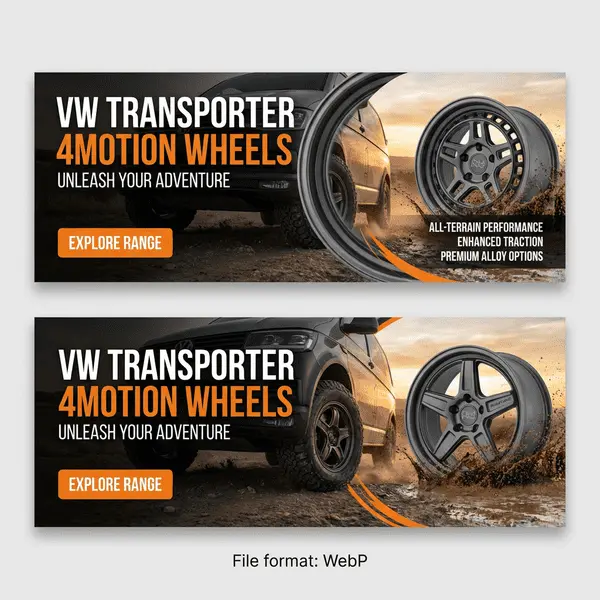
VW Transporter 4motion Wheels
VW Transporter 4motion Wheels
The VW Transporter 4Motion is a versatile vehicle that demands the right wheels and tires to maximize its performance. With its advanced all-wheel-drive system, this van requires careful consideration when it comes to selecting the optimal wheel and tire combination. The choice of VW Transporter 4Motion wheels and tires has a significant impact on the vehicle’s handling, efficiency, and off-road capabilities, making it crucial for owners to understand their options Browse the full 4Motion range for sale.. Source 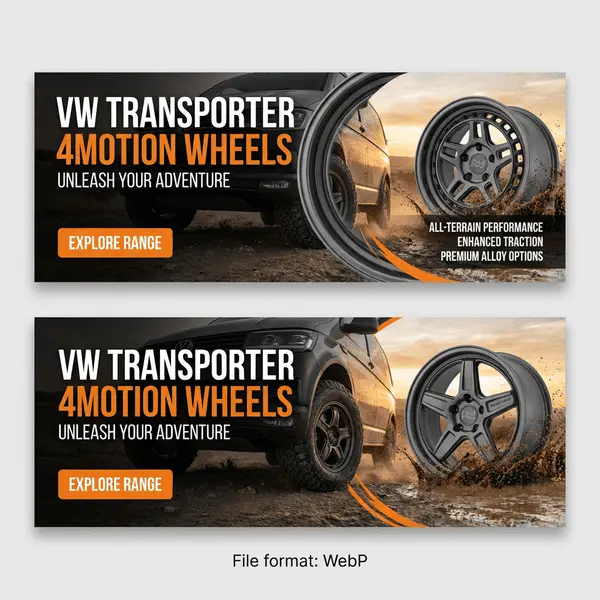
This article delves into the world of VW Transporter 4Motion wheels and tires, exploring the best choices for various driving conditions. It examines the technology behind the 4Motion system, discusses wheel options tailored for this model, and highlights tire considerations specific to 4Motion Transporters. Additionally, it covers the balance between performance and esthetics, provides installation and maintenance tips, and offers insights on enhancing the van’s off-road prowess with options like lift kits and specialized tires. Wikopedia Off Road Tyres
Understanding 4Motion Technology
What is 4Motion?
4Motion is Volkswagen’s advanced all-wheel drive system designed to enhance traction and stability across various driving conditions. This innovative technology distributes power to all four wheels, providing superior grip and control on slippery surfaces such as snow, ice, or mud. At the heart of the 4Motion system lies an inter-axle differential, which shares power between the front and rear axles, directing it where it’s most needed. See the New VW Transporter t7 For Sale which comes in 4WD
The system employs sophisticated sensors and control units linked to the car’s dynamic sensors, engine management system, and gearbox. These components work in harmony to monitor driving conditions constantly and react swiftly to even the slightest wheel slip. In milliseconds, the system can detect a problem and deliver extra traction to the wheels with the most grip.
There are two primary types of 4Motion systems: Haldex and Torsen. The Haldex system, commonly used in vehicles with engines mounted widthways, such as small family hatchbacks and most small SUVs, typically sends power to the front wheels. It uses an electronic clutch to selectively direct up to half of the engine’s power to the rear wheels when necessary. On the other hand, the Torsen system, found in larger vehicles with lengthways-mounted engines, usually maintains a 50/50 power split between the front and rear axles, with the ability to adjust this distribution as needed.
Benefits for the VW Transporter
The 4Motion system offers several key advantages for the Volkswagen Transporter:
- Improved traction and handling: This is particularly beneficial when the vehicle is heavily loaded or driving on uneven terrain.
- Enhanced stability and control: The system reduces the risk of skids or loss of control, providing a sure-footed driving experience even in challenging conditions.
- Better acceleration and hill-climbing ability: Compared to a two-wheel drive system, 4Motion allows for improved performance on inclines and during acceleration.
- Adaptability to various conditions: Whether facing rain, wind, or snow, 4Motion provides great grip on the road, ensuring a safe and confident driving experience.
- Seamless operation: The system works automatically, constantly monitoring and adjusting power distribution without requiring driver intervention.
These benefits combine to make the VW Transporter 4Motion a versatile and capable vehicle, well-suited for a wide range of driving scenarios and load conditions.
Impact on wheel and tire selection VW Transporter 4motion Wheels
The 4Motion system has a significant influence on wheel and tire selection for the VW Transporter. As the all-wheel drive components require specific configurations to function properly, owners need to consider several factors when choosing wheels and tires:
- Tread depth: Tires with deeper treads may be necessary to maximize the benefits of the 4Motion system in challenging conditions.
- Specialized tires: Winter or off-road tires might be required to fully utilize the capabilities of the 4Motion system in extreme environments.
- Wheel size and offset: The 4Motion system may necessitate specific wheel dimensions to ensure proper clearance and functionality.
- Load rating: Given the Transporter’s utility as a load-carrying vehicle, tires must be selected with appropriate load ratings to support the vehicle’s weight and cargo capacity.
- Performance balance: Wheel and tire choices should aim to maintain a balance between the enhanced traction provided by 4Motion and the vehicle’s overall performance characteristics.
By carefully considering these factors, VW Transporter 4Motion owners can optimize their vehicle’s performance, ensuring that the wheel and tire combination complements the advanced capabilities of the 4Motion system. This thoughtful selection process allows drivers to fully leverage the benefits of all-wheel drive technology while maintaining the Transporter’s versatility and performance across various driving conditions.
Wheel Options for 4Motion Transporters
The VW Transporter 4Motion presents unique challenges when selecting wheels due to its advanced all-wheel-drive system. Owners must consider various factors to ensure optimal performance and compatibility with their vehicle’s specifications.
Recommended sizes VW Transporter 4motion Wheels
The recommended wheel sizes for VW Transporter 4Motion models have evolved over time. Currently, these vehicles come fitted with 215/60/17 wheels, a change from the previous 235/55/17 configuration. This alteration has implications for owners looking to upgrade or replace their wheels:
- Standard option: 215/60/17
- Larger option: 235/55/17 (available with All Weather tire option)
For those considering an upgrade, 17-inch or 18-inch wheels are generally suitable for a T6 Kombi, as they don’t significantly affect the ride quality. However, it’s crucial to consider the offset when selecting new wheels, as an incorrect offset can lead to fitment issues or affect the vehicle’s handling characteristics.
Popular styles
When it comes to wheel styles, VW Transporter 4Motion owners have several options to choose from:
- Diamond-Turned “Woodstock” wheels: These wheels are available as a no-cost option but may be more vulnerable to curb damage. Opting for a wider tire size, such as the 235/55/17, can provide additional curb protection.
- Staggered setup: Some owners prefer a staggered wheel configuration, with wider wheels at the rear for a more aggressive stance. A popular combination is 8.5J front and 10J rear. However, it’s essential to verify compatibility with the 4Motion system before making this change.
- Alloy wheels: Aftermarket alloy wheels are a popular choice for customization. However, due to the unique requirements of the 4Motion system, it’s advisable to consult with specialists to ensure proper fitment.
Material considerations
The choice of wheel material can impact both performance and esthetics:
- Alloy wheels: These are lightweight and offer improved heat dissipation, which can be beneficial for brake performance. They also provide a wide range of design options for customization.
- Steel wheels: While less common on modern Transporters, steel wheels offer durability and are often more cost-effective. They may be preferred for heavy-duty applications or off-road use.
When selecting wheels for a VW Transporter 4Motion, owners should consider several additional factors:
- Vehicle modifications: If the van has undergone any bespoke conversions, such as suspension upgrades, springs, or body kits, it’s crucial to consult with specialists to ensure wheel compatibility.
- Lowered suspension: Owners who have lowered their Transporter should be particularly cautious when selecting wheels, as clearance issues may arise.
- Wheel spacers: While some owners may consider using wheel spacers to alter the stance of their vehicle, it’s important to note that their compatibility with 4Motion systems is not well-documented. Caution is advised when considering this option.
- Tire selection: The choice of tires should complement the selected wheels. For those seeking improved off-road capability, options like the BF Goodrich AT KO2 (225/65 R17 107S) may be suitable, though exact size matching can be challenging.
In conclusion, selecting the right wheels for a VW Transporter 4Motion requires careful consideration of size, style, and material, as well as compatibility with the vehicle’s all-wheel-drive system. Consulting with specialists and considering the vehicle’s specific modifications and intended use will help ensure the best wheel choice for optimal performance and esthetics.
Tire Considerations for 4Motion Models
Selecting the right tires for a VW Transporter 4Motion is crucial for optimizing performance and safety. The advanced all-wheel-drive system requires careful consideration of various factors to ensure the best possible driving experience across different conditions.
All-season vs. all-terrain tires
When choosing tires for a 4Motion model, owners must decide between all-season and all-terrain options based on their driving needs:
- All-season tires: These provide a balance of performance in various weather conditions, including dry, wet, and light snow. They typically feature a more subtle tread pattern, making them suitable for everyday driving on paved roads. All-season tires offer better fuel efficiency and a quieter ride compared to their all-terrain counterparts.
- All-terrain tires: Designed for enhanced traction in challenging driving conditions, these tires excel in off-road scenarios such as mud, gravel, and deep snow. They have a more aggressive tread pattern with larger, deeper lugs, providing superior grip in rough terrain. However, this comes at the cost of increased road noise and reduced fuel efficiency on paved surfaces.
For 4Motion owners who primarily use their vehicles on-road with occasional light off-road use, all-season tires may be the best choice. However, those who frequently encounter more demanding terrain should consider all-terrain options for optimal performance.
Load ratings VW Transporter 4motion Wheels
Load ratings are a critical factor when selecting tires for a 4Motion model. These ratings indicate the maximum weight each tire can safely support. For the VW Transporter 4Motion, it’s essential to choose tires with appropriate load ratings to ensure they can handle the vehicle’s weight, cargo, and passengers.
Key points to consider regarding load ratings:
- The standard load rating for many VW Transporter 4Motion models is 109/107T or 104H for 215/60R17 tires.
- Some owners have reported issues with tires rated 101 (825kg), as they may not meet the axle weight requirements specified on the vehicle’s VIN plate.
- It’s crucial to verify that the combined load rating of the tires exceeds the vehicle’s maximum gross vehicle weight rating (GVWR) and that each axle’s tire load capacity meets or exceeds the axle weight limits.
- When upgrading to larger wheels or different tire sizes, ensure that the new tires maintain or exceed the original load rating specifications.
Tread patterns for optimal traction
Tread patterns play a significant role in providing optimal traction for 4Motion models across various driving conditions. The right tread pattern can enhance performance, safety, and overall driving experience.
- Symmetric tread patterns: These are common on most cars and provide good grip on dry roads. However, they may not perform as well in wet conditions due to their simple design.
- Asymmetric tread patterns: These tires feature different tread patterns on the inner and outer sides. The outer tread has large blocks for enhanced cornering stability and dry grip, while the inner tread has smaller blocks and more grooves for better water displacement and wet traction.
- Directional tread patterns: Designed to roll in one direction only, these tires have an arrow-like pattern that facilitates faster water displacement. They excel in wet conditions and are often used on winter tires.
For 4Motion models, the choice of tread pattern depends on the primary driving conditions:
- For predominantly on-road use, a symmetric or asymmetric pattern may be suitable.
- For mixed on-road and light off-road use, an all-season tire with an asymmetric pattern can provide a good balance.
- For more demanding off-road conditions, a directional or aggressive all-terrain tread pattern would be more appropriate.
When selecting tires for a 4Motion model, it’s essential to consider the balance between on-road performance, off-road capability, and fuel efficiency. Factors such as noise levels, tread life, and rolling resistance should also be taken into account to ensure the best overall driving experience.
Balancing Performance and Esthetics
When modifying a VW Transporter 4Motion, owners often face the challenge of striking a balance between enhancing performance and maintaining an appealing esthetic. This delicate equilibrium requires careful consideration of various factors, including wheel and tire choices, suspension modifications, and customization options.
Upsizing pros and cons
Upsizing wheels and tires has become a popular modification among VW Transporter owners. This change can significantly alter the vehicle’s appearance, giving it a more aggressive and sporty look. However, it’s crucial to understand the potential impacts on performance and handling.
Pros of upsizing:
- Improved visual appeal
- Enhanced cornering stability
- Increased ground clearance (with larger diameter wheels)
Cons of upsizing:
- Rougher ride quality
- Increased road noise
- Decreased fuel economy
- Potential strain on the drivetrain
It’s important to note that while larger wheels can provide a more striking appearance, they may also affect the vehicle’s handling characteristics. The added weight of larger wheels can impact acceleration and braking performance, potentially altering the driving experience.
Maintaining factory specifications VW Transporter 4motion Wheels
To ensure optimal performance and safety, it’s crucial to maintain the factory specifications for the vehicle’s suspension, brakes, and other components when making modifications. Altering these systems without proper consideration can lead to handling issues, premature wear, and safety concerns.
When selecting new wheels and tires, owners should pay close attention to the following factors:
- Wheel offset: Ensure that the new wheels have the correct offset to maintain proper fitment and avoid rubbing issues.
- Load rating: Choose tires with appropriate load ratings to support the vehicle’s weight and cargo capacity.
- Rolling radius: Maintain a similar rolling radius to the original wheels to prevent issues with the speedometer and transmission.
By adhering to these guidelines, owners can preserve the vehicle’s intended performance characteristics while still achieving their desired esthetic upgrades.
Customization options
VW Transporter 4Motion owners have a wide range of customization options to personalize their vehicles and enhance their driving experience. These modifications can include:
- Aftermarket wheels: Companies like Navis and Rotiform offer high-quality alloy wheels specifically designed for VW Transporters.
- Body kits: These can enhance the vehicle’s appearance and potentially improve aerodynamics.
- Performance upgrades: Engine tuning, exhaust systems, and suspension modifications can boost performance.
When considering customization options, it’s essential to research and choose modifications that complement the vehicle’s design and performance characteristics. For example, a set of 20-inch wheels may provide a striking visual upgrade, but owners should be aware of potential impacts on the gearbox and overall driving dynamics.
It’s worth noting that VW has expressed concerns about the use of oversized wheels on their vehicles. However, some owners argue that as long as the rolling radius remains similar to the original specifications, the impact on the drivetrain should be minimal. This highlights the importance of carefully considering the pros and cons of each modification and consulting with experts when necessary.
Ultimately, the key to successfully balancing performance and esthetics lies in making informed decisions that enhance the vehicle’s appearance without compromising its functionality or safety. By carefully selecting modifications that complement the VW Transporter 4Motion’s design and capabilities, owners can create a unique and personalized vehicle that performs as well as it looks.
Installation and Maintenance Tips
Professional fitting importance
When it comes to installing new wheels and tires on a VW Transporter 4Motion, professional fitting is crucial. The complexity of the 4Motion system requires expertise to ensure proper alignment and fitment. A professional installer has the necessary tools and knowledge to handle the unique requirements of this all-wheel-drive system.
For instance, when changing to larger wheels or different tire sizes, it’s essential to consider factors such as wheel offset and load ratings. A professional can ensure that the new wheels and tires maintain the correct rolling radius, which is vital for the 4Motion system to function optimally. They can also address potential issues like rubbing on the outer wing, which may occur if the vehicle is lowered or if the wheel size is increased significantly.
Rotation schedules
Tire rotation is a common practice to even out wear across all four tires. However, for 4Motion vehicles, the approach to tire rotation may differ from standard front-wheel-drive vehicles. Some owners choose not to rotate their tires, citing evidence of uneven wear patterns.
For example, one 4Motion California owner observed that the front nearside tire tends to wear faster than the others. This is attributed to driving on the left side of the road in the UK, where left turns are more acute and cause more tire scrubbing. In countries that drive on the right, the opposite would be true.
Based on this observation, some owners opt for the following strategies:
- Not rotating front to rear tires at all
- Considering swapping front nearside and offside tires only
- Replacing all four tires when the front nearside reaches 3-4mm tread depth
It’s important to note that there are arguments against frequent rotation, as tires tend to wear into their positions, and moving them can temporarily affect efficiency until they bed in again.
Alignment considerations
Proper wheel alignment is crucial for the performance and longevity of tires on a 4Motion vehicle. After modifications such as installing new suspension components or changing wheel sizes, a professional alignment is essential.
Key points to consider for 4Motion alignment:
- Use a Hunter 4-wheel alignment system or equivalent for precise measurements
- Address both camber and toe adjustments
- Set alignment to ‘no load’ conditions
- Ensure a full fuel tank for accurate weight distribution
When aligning a 4Motion vehicle, it’s important to note that front camber adjustments may require special techniques. In some cases, the weight needs to be taken off the front suspension to make adjustments, which requires specific equipment and expertise.
For vehicles with modified suspension, such as those fitted with coilovers, alignment becomes even more critical. Owners should be prepared for a process of trial and error to achieve the optimal setup.
Lastly, it’s worth noting that improper alignment can lead to various issues, including uneven tire wear, steering wheel misalignment, and in some cases, even triggering ESP (Electronic Stability Program) errors. Regular alignment checks, especially after any suspension modifications or significant impacts, are recommended to maintain optimal performance and tire life.
Conclusion
The VW Transporter 4Motion’s wheels and tires have a significant influence on its performance and esthetics. Read our full 4MOTION 130PS T30 review for a complete look at this variant. Choosing the right combination requires careful thought about factors like tread patterns, load ratings, and wheel sizes to make the most of the advanced all-wheel-drive system. Striking a balance between looks and function is key, with owners needing to consider how changes might affect handling, fuel efficiency, and overall driving experience.
To wrap up, proper installation and maintenance are crucial to keep a 4Motion Transporter running smoothly. Professional fitting ensures correct alignment and fitment, while regular checks and appropriate rotation schedules help extend tire life. By taking these factors into account, VW Transporter 4Motion owners can optimize their vehicle’s performance, whether for daily driving or more adventurous off-road excursions.
FAQs VW Transporter 4motion Wheels
Q: How does the VW Transporter’s 4MOTION system function?
A: The 4MOTION system in the VW Transporter utilizes a multi-plate clutch to variably distribute power between the front and rear axles. Typically, the majority of the power is directed to the front axle to enhance energy efficiency.
Q: What tire pressure is recommended for different VW Transporter models?
A: The recommended tire pressures vary depending on the wheel size fitted on the VW Transporter. For instance:
- For 205/65 R16C 103/101 T tires, the recommended pressure is 4.2 Bar or 61 psi.
- For 215/65 R16C 102/101T tires, it is 3.5 Bar or 51 psi.
Q: What is the advised tire pressure for a T32 Transporter?
A: The recommended tire pressure for a T32 Transporter, as suggested by wheel suppliers, is between 40-42 psi.