 Call us on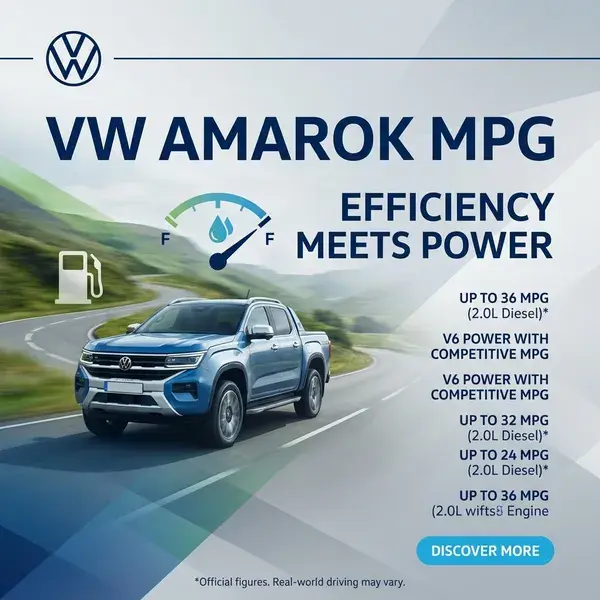
VW Amarok MPG
VW Amarok MPG: Fuel Efficiency and Running Costs Explained
The VW Amarok has gained popularity as a versatile pickup truck, but many potential buyers are curious about its fuel efficiency and running costs. Understanding the VW Amarok MPG (miles per gallon) is crucial for those considering this vehicle for their daily commute or business needs. With various engine options available, including diesel and petrol variants, the Amarok’s fuel consumption can vary significantly. Source
Fuel efficiency is just one aspect of the overall running costs of the VW Amarok. This article will explore the different engine options and their corresponding MPG figures, factors affecting fuel economy, and how the Amarok compares to its competitors in terms of efficiency. Additionally, it will provide tips to improve fuel economy, discuss other running costs such as road tax and insurance, and examine the potential for hybrid or electric versions of the Amarok in the future. By the end, readers will have a comprehensive understanding of what to expect when it comes to the VW Amarok’s fuel efficiency and overall expenses. See all VW Amarok for sale
VW Amarok Engine Options and MPG Figures
The Volkswagen Amarok offers a range of engine options, each with its own fuel efficiency characteristics. The pickup truck comes with both diesel and petrol variants, catering to different needs and preferences. See VW Amarok lease deals
Fuel Economy & Performance
The base model VW Amarok MPG features a 2.0-liter four-cylinder diesel engine. This engine comes in two configurations:
- Single Turbo: Produces 125kW and 405Nm of torque.
- Bi-Turbo: Delivers 154kW and 500Nm of torque.
According to Volkswagen’s official figures, the 2.0L diesel engines offer the following fuel economy:
- Core manual (Single Turbo): 7.1L/100km (33.6 mpg)
- Core automatic (Single Turbo): 8.0L/100km (32.8 mpg)
- Life and Style (Bi-Turbo): 7.2L/100km (32.1 mpg)
The most efficient model in the Amarok range is the Core manual with the 2.0-liter single turbo engine, using 7.1 liters per 100km on the combined cycle. See New VW Amarok
3.0L V6 Diesel
For those seeking more power, the VW Amarok MPG offers a 3.0-liter VW Amarok V6 diesel engine. This powerplant produces 184kW and 600Nm of torque, providing impressive performance for a pickup truck.
The 3.0L V6 diesel is available in the following trims:
- Style
- PanAmericana
- Aventura
Volkswagen claims that the 3.0-liter V6 diesel, paired with a 10-speed automatic transmission, can return up to 28 mpg (8.4L/100km) across all three trims.
Real-World Fuel Economy
While official figures provide a benchmark, real-world fuel economy often differs. Data from actual Amarok owners reveals interesting insights:
- Recent models (2020-2022) average between 17.8 to 21.2 mpg.
- Older models (2011-2019) show slightly better efficiency, ranging from 20.5 to 23.8 mpg on average.
It’s important to note that these figures are based on various driving conditions and may not reflect individual experiences.
A long-term test of the 204hp/500Nm V6 model, which should theoretically return 34.9 mpg according to official figures, actually achieved 26.8 mpg over 3,300 miles of primarily motorway driving with an empty load bed.
Compared to its competitors, the Amarok’s fuel consumption is higher on average. However, it’s worth noting that the Amarok is the only pickup in its class not offering a sub-2.5 liter engine option. When compared to similar-sized engines, the Amarok performs more efficiently than the Ford Ranger 5-cylinder 3.2TDCi (32.1 mpg combined) and the Mercedes-Benz X350D 3.0 V6 (31.4 mpg combined).
Lastly, for those considering the petrol option, the Amarok TSI452 with its 2.3-liter four-cylinder petrol engine consumes 9.9L/100km (23.7 mpg) on the combined cycle. While this is less efficient than the diesel options, it’s important to consider the varying prices of petrol and diesel when calculating overall running costs.
Factors Affecting Amarok Fuel Efficiency
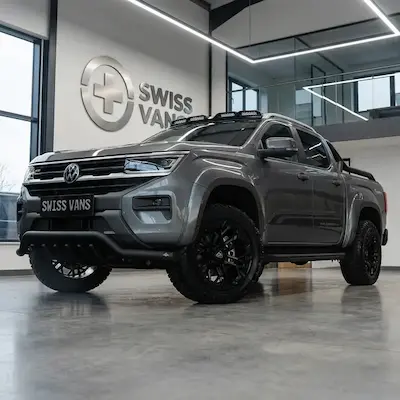
The fuel efficiency of the VW Amarok can vary significantly depending on several factors. Understanding these can help owners optimize their vehicle’s performance and reduce fuel consumption.
Driving Style
The way a person drives has a substantial impact on the Amarok’s fuel efficiency. Smooth, relaxed driving typically improves fuel consumption. Harsh acceleration and braking can significantly increase fuel usage. For instance, someone who accelerates hard into every traffic gap and frequently changes lanes will consume more fuel than a driver who maintains a steady pace with the flow of traffic.
To maximize fuel efficiency, drivers should:
- Accelerate gently and avoid “jack rabbit” starts
- Maintain a consistent speed, especially on highways
- Anticipate traffic flow to minimize unnecessary braking
- Use cruise control on highways when possible
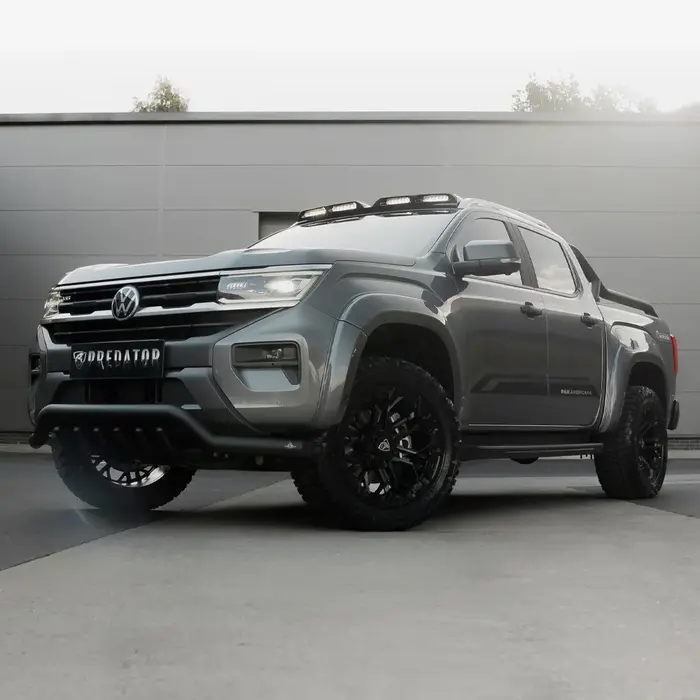
Interestingly, cruise control can be a double-edged sword. While it’s excellent for maintaining a steady speed on flat roads, it may not be as efficient on hilly terrain. A human driver can anticipate hills, allowing the vehicle to gain momentum on downhills and using that momentum to climb the next hill, whereas cruise control might unnecessarily accelerate uphill. See VW Amarok Predator
Load and Towing
The Amarok’s fuel consumption increases dramatically when under stress, such as when carrying heavy loads or towing. This is particularly noticeable with the 2.0-liter Bi-Turbo engine, which is very efficient in part-load situations but consumes significantly more fuel when towing or during off-road driving. See VW Amarok Style
When towing, the Amarok’s performance can vary:
- With a 1.6-ton trailer, some users report that other vehicles like the Mitsubishi Triton may perform better.
- However, with heavier loads up to 3 tons, the Amarok, especially the V6 variant, performs admirably.
One user reported achieving 20-26 mpg when towing on a long run with the V6 model. Another mentioned that the Amarok could comfortably tow a 3-ton trailer on flat ground, though maneuvering on inclines could strain the clutch in manual versions. See VW Amarok Interior
Terrain and Conditions
The type of terrain and driving conditions significantly affect the Amarok’s fuel efficiency:
- Highway Driving: The Amarok performs efficiently at speeds between 80-100 km/h on highways. Some users report achieving less than 8L/100km in these conditions. See VW Amarok V6
- City Driving: Urban environments with frequent stops and starts can increase fuel consumption. Users report averages ranging from 8L/100km in light traffic to 11.5-12L/100km in heavy traffic conditions.
- Off-road and 4×4 Driving: Engaging 4×4 mode and driving on challenging terrain naturally increases fuel consumption. One user reported an average of 10.45L/100km over a 3500km trip that included both highway and off-road driving.
- Speed: Higher speeds, particularly over 120 km/h, can significantly increase fuel consumption due to increased air resistance.
- Air Conditioning: Regular use of air conditioning can impact fuel efficiency, though in extremely hot conditions, the comfort benefit may outweigh the fuel cost.
To optimize fuel efficiency, drivers should:
- Remove roof racks when not in use to reduce drag
- Ensure proper tire inflation
- Clean the vehicle regularly to minimize air resistance
- Plan routes to avoid heavy traffic and frequent stops
Comparing Amarok MPG to Competitors
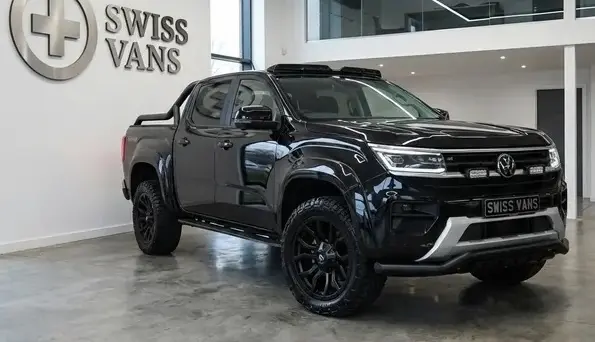
When evaluating the VW Amarok’s fuel efficiency, it’s essential to compare it with its main competitors in the pickup truck market. This comparison provides valuable insights into how the Amarok stacks up against other popular models in terms of miles per gallon (MPG) and overall running costs.
Ford Ranger VW Amarok MPG
The Ford Ranger is one of the Amarok’s closest rivals, and the comparison between these two vehicles is particularly interesting. Both trucks offer powerful V6 diesel engines, providing excellent performance and towing capabilities. However, there are some notable differences in fuel efficiency:
- V6 Diesel Performance: Both the Amarok and Ranger deliver great performance from their V6 diesels. The Amarok’s 3.0-liter V6 diesel engine, producing 237bhp and 600Nm of torque, is known for its smooth power delivery and effortless performance, especially when towing.
- Fuel Consumption: In real-world testing, the V6 Ranger averaged around 22 mpg, while estimates suggest the Amarok V6 might achieve closer to 25 mpg under similar conditions. However, it’s important to note that these figures can vary significantly depending on driving conditions and load.
- Ride Comfort: The Ranger Wildtrak with Comfort suspension offers a noticeably smoother ride compared to the Amarok Style with standard suspension. This difference in comfort could indirectly affect fuel efficiency, as a smoother ride often allows for more consistent and efficient driving.
- Engine Options: While the V6 engines are comparable, the Ranger also offers a 2.0-liter engine option. This smaller engine provides lower running costs without compromising on equipment levels, making it an attractive choice for those prioritizing fuel efficiency.
Toyota Hilux
The Toyota Hilux has long been a staple in the pickup truck market, known for its reliability and durability. However, when compared to the Amarok, some differences become apparent:
- Performance and Technology: The new Amarok has set a higher standard in the pickup truck class, particularly in terms of performance and in-cabin technology. The Hilux, especially in its GR Sport trim, is showing its age in these areas.
- Cruising Ability: While the Hilux GR Sport is a better cruiser than other Hilux versions, it still falls short of the Amarok’s refinement, especially on long highway drives.
- Cargo Capacity: The Hilux’s cargo bed is shallower than the Amarok’s, although the floor area is similar. The Hilux offers a payload weight of 1,010kg, which is just enough to qualify for commercial vehicle classification.
Isuzu D-Max
The Isuzu D-Max is another competitor worth considering when comparing fuel efficiency and running costs:
- Engine Options: The D-Max offers two engine choices: a larger engine with an estimated fuel consumption of 8.0L/100km on the combined cycle, and a smaller 1.9-liter engine achieving 6.9L/100km.
- Fuel Tank and Range: The D-Max features a 76-liter fuel tank for both engine options, potentially offering a theoretical range of 950km to 1100km, depending on the engine choice.
- Real-World Performance: One D-Max owner described it as a “good solid steady oul bus,” comfortable over bumps and pleasant for rear-seat passengers. The 1.9 TDI engine offers good economy without excessive power, which may suit drivers who don’t require rapid acceleration.
- Long-Term Considerations: Some D-Max owners have expressed concerns about the engine’s long-term reliability, particularly regarding the regeneration process that occurs every 270 kilometers and its effect on oil levels.
When comparing these vehicles, it’s crucial to consider that real-world fuel consumption often differs from official figures. Factors such as driving style, load, and terrain significantly impact fuel efficiency. For instance, during a test involving off-road driving, the Amarok recorded 10.2L/100km, which is higher than its official figure of 8.4L/100km but still impressive given the conditions.
In conclusion, while the Amarok may not always lead in terms of raw MPG figures, its combination of performance, refinement, and reasonable fuel efficiency makes it a strong contender in the pickup truck market. Potential buyers should weigh these factors against their specific needs and driving habits when making a decision.
Tips to Improve VW Amarok Fuel Economy
Regular Maintenance
Regular maintenance plays a crucial role in optimizing the fuel efficiency of the VW Amarok. Proper upkeep ensures that the vehicle operates at its peak performance, ultimately leading to better fuel economy. One of the most critical aspects of maintenance is keeping the engine in good condition. A well-maintained engine can improve fuel economy by up to 4%. This includes regular oil changes using the right type of oil, which can enhance fuel economy by 1 to 2%.
Tire maintenance is another essential factor. Properly inflated tires can improve fuel economy by about 3.3%. Underinflated tires generate more friction and have a higher rolling resistance on the road, forcing the engine to work harder and consume more fuel. It’s important to check the VW Amarok’s manual for the correct tire pressure and avoid overinflation, which can lead to other issues.
Other maintenance tasks that can impact fuel efficiency include:
- Replacing spark plugs as recommended
- Changing the fuel filter regularly
- Replacing the air filter when necessary
- Addressing any issues that cause the vehicle to fail emissions tests
Efficient Driving Techniques
Adopting fuel-efficient driving techniques can significantly reduce the VW Amarok’s fuel consumption. One of the most effective methods is maintaining a steady speed, especially on highways and in free-flowing traffic. Using cruise control, where appropriate, can help maintain a constant speed and improve fuel economy.
Acceleration and braking techniques also play a crucial role:
- Accelerate gently: Take about 5 seconds to reach 20 kilometers per hour from a stop.
- Avoid aggressive braking: Look ahead and anticipate traffic patterns to reduce the need for sudden stops.
- Coast to decelerate: When possible, take your foot off the accelerator and allow the vehicle to slow down naturally.
It’s important to note that speeds over 60 mph typically lead to decreased fuel economy. Additionally, idling consumes fuel without any benefit, so it’s best to turn off the engine when stopped for extended periods.
Reducing Vehicle Weight VW Amarok MPG
The weight of the VW Amarok has a direct impact on its fuel consumption. A mid-size car’s fuel consumption increases by about 1% for every 25 kilograms of additional weight. Therefore, reducing unnecessary weight can lead to significant fuel savings.
To optimize fuel efficiency:
- Remove unnecessary items from the cargo area and passenger compartment.
- Unload any equipment such as bikes, boards, or cargo carriers when not in use.
- Consider removing roof racks when not needed, as they increase wind resistance and fuel consumption.
By keeping the vehicle as light as possible, the engine doesn’t have to work as hard, resulting in improved fuel economy.
Additional tips for improving the VW Amarok’s fuel efficiency include:
- Planning trips to combine multiple errands, which helps keep the engine warm and running more efficiently.
- Using the air conditioning system judiciously, as it can increase fuel consumption by up to 20%.
- Considering alternatives to driving for short trips, such as walking or cycling, which not only save fuel but also promote a healthier lifestyle.
By implementing these maintenance practices, driving techniques, and weight reduction strategies, VW Amarok owners can significantly improve their vehicle’s fuel economy, reduce operating costs, and minimize environmental impact.
Running Costs Beyond Fuel
When considering the overall expenses of owning a VW Amarok, it’s crucial to look beyond fuel costs. Several other factors contribute significantly to the total running costs of this popular pickup truck.
Road Tax
The road tax for a VW Amarok depends on its classification and registration date. Light goods vehicles registered on or after March 1, 2001, with a maximum weight not exceeding 3,500kg, fall under a specific tax category. For Amaroks registered between March 1, 2003, and December 31, 2006, that are Euro 4 compliant, a different tax rate applies. Similarly, Euro 5 compliant Amaroks registered between January 1, 2009, and December 31, 2010, have their own tax bracket.
It’s important to note that these classifications can significantly impact the annual road tax costs for Amarok owners. The exact amount will vary based on the specific model year and emission standards of the vehicle.
Insurance
Insurance is another crucial aspect of running costs for VW Amarok owners. The insurance costs can vary widely depending on several factors, including the specific model, the driver’s history, and the level of coverage chosen.
VehicleScore, in partnership with confused.com, offers a convenient way for Amarok owners to compare insurance quotes. This platform allows users to input their vehicle details and receive instant quotes tailored to their specific needs and budget. The service also provides information about which insurance group the Amarok falls into, helping owners make informed decisions about their coverage.
It’s worth noting that while 4×4 vehicles like the Amarok might be assumed to have higher insurance premiums, this isn’t always the case. By using comparison services, Amarok owners might find that their insurance costs are more affordable than initially expected. The convenience of online comparison tools can save both time and money when seeking the best insurance rates.
Servicing and Maintenance
Regular servicing and maintenance are essential for keeping the VW Amarok in optimal condition and can significantly impact long-term running costs. Volkswagen offers service plans designed specifically for the Amarok, allowing owners to plan ahead and potentially save money on maintenance.
Currently, Volkswagen is offering a service plan for Amaroks between 1-15 years old, priced at £199. This plan covers the next two services and one MOT, representing a substantial saving of £386.05 compared to paying for these services individually. The plan can be paid for upfront or spread over 24 monthly payments, providing flexibility for owners.
For those looking to maintain their Amarok themselves or through independent mechanics, it’s helpful to know the costs of common service items:
- Engine oil
- Engine oil filter
- Pollen filter element
- Air filter element
The costs for these parts can range from £83 to £134, depending on the specific model year and chosen brands. Labor time for a full service typically ranges from 1-2 hours, with total costs (including parts and labor) ranging from £310 to £344.
It’s important to note that these figures are estimates and can vary based on factors such as the specific model year, location, and chosen service provider. Regular maintenance not only helps keep the Amarok running smoothly but can also prevent more costly repairs down the line.
By considering these additional running costs – road tax, insurance, and servicing – alongside fuel efficiency, VW Amarok owners can gain a more comprehensive understanding of the total cost of ownership. This knowledge allows for better financial planning and can help in making informed decisions about vehicle maintenance and upgrades.
Conclusion
The VW Amarok’s fuel efficiency and running costs have a significant influence on its appeal to potential buyers. This article has explored various aspects, including engine options, real-world MPG figures, and factors affecting fuel consumption. We’ve also compared the Amarok to its competitors and provided tips to improve fuel economy. What’s more, we’ve examined other running costs like road tax, insurance, and maintenance to give a comprehensive picture of owning an Amarok.
To wrap up, the VW Amarok offers a balance of performance and reasonable fuel efficiency, especially in its diesel variants. While it might not always lead in raw MPG figures, its overall package makes it a strong contender in the pickup truck market. Potential buyers should weigh these factors against their specific needs and driving habits to make an informed decision. Remember, regular maintenance and smart driving techniques can help maximize fuel efficiency and minimize long-term costs.
FAQs VW Amarok MPG
What are the running costs like for a VW Amarok?
The Volkswagen Amarok, particularly with its diesel engines, is not considered highly economical. As a robust commercial vehicle, its durable nature contributes to higher fuel consumption, which impacts running costs.
How fuel-efficient is the VW Amarok?
The Amarok Aventura TSI452 model features an 80L fuel tank and requires premium unleaded fuel with a minimum octane rating of 95. Volkswagen reports a fuel consumption rate of 9.9 liters per 100 kilometers on a combined cycle and 12.7 liters per 100 kilometers in urban settings.
What is the typical fuel consumption for the 2023 VW Amarok?
Fuel consumption for the 2023 VW Amarok varies depending on engine type, transmission, and model configuration. Generally, the fuel consumption ranges between 7.1 to 9.9 liters per 100 kilometers.
How many miles per gallon does the VW Amarok achieve?
The VW Amarok offers two 2.0-liter diesel engine options: a 138bhp turbo and a 178bhp twin-turbo. The fuel efficiency for these engines is approximately 36.2 miles per gallon and 35.3 miles per gallon respectively, with CO2 emissions of 205g/km and 211g/km.