 Call us on
In stock now
Small Vans For Sale
New and used commercial vans, ready to drive away. Browse by make below, or talk to the team for a deal built around your business.
Products
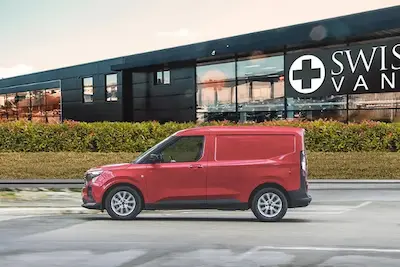
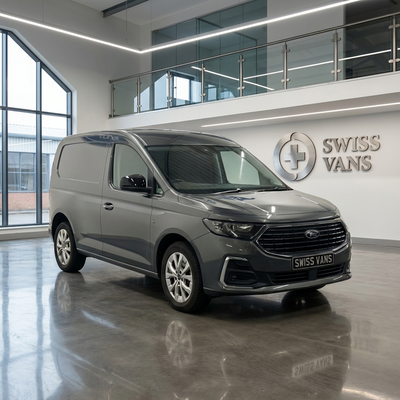
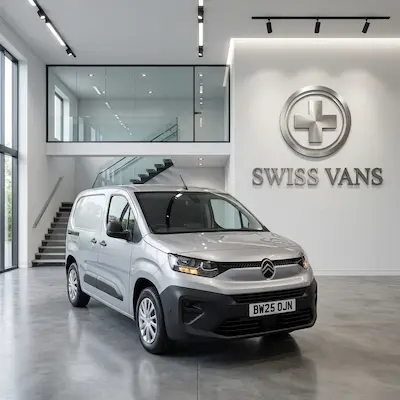

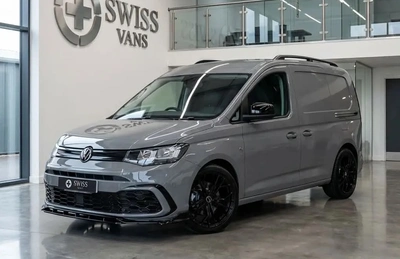
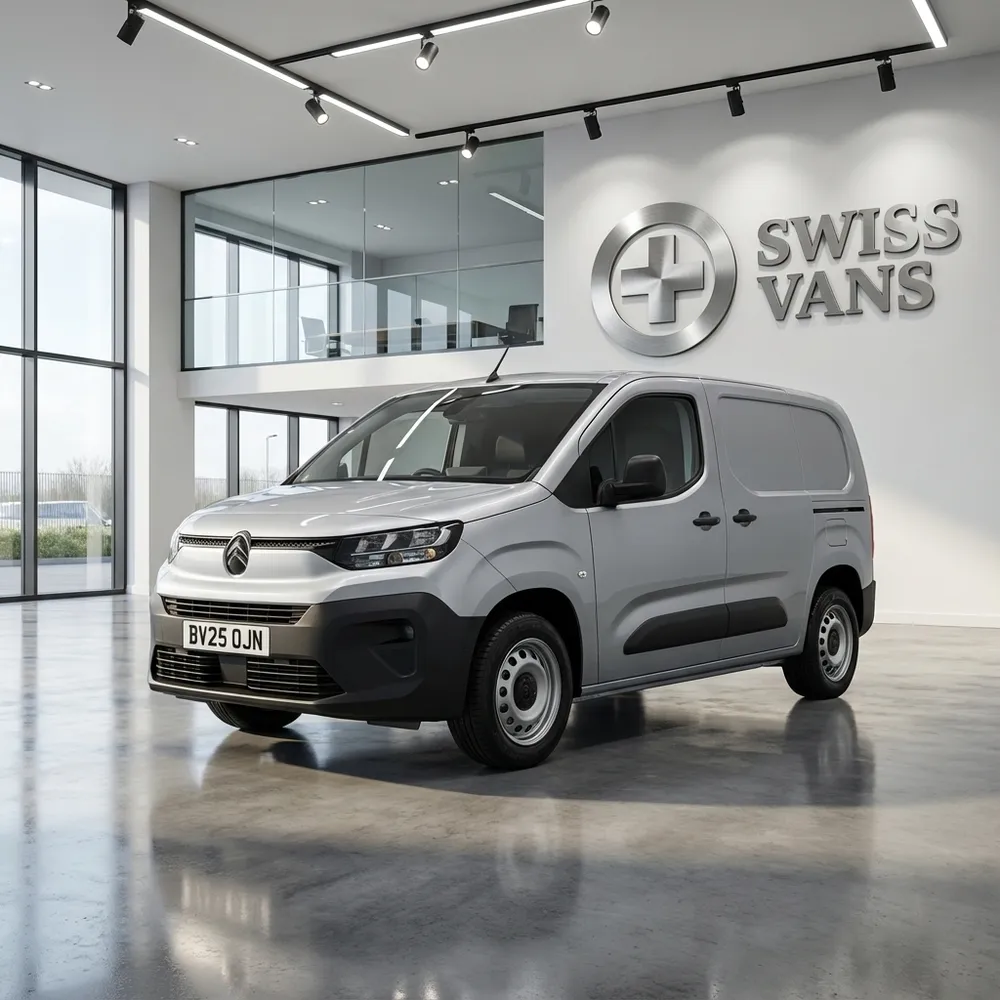
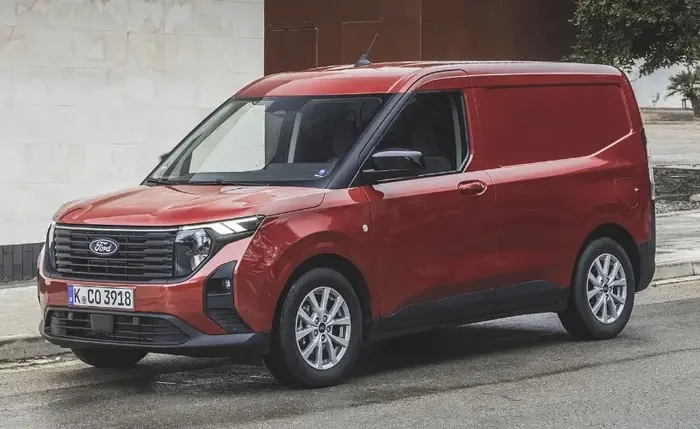
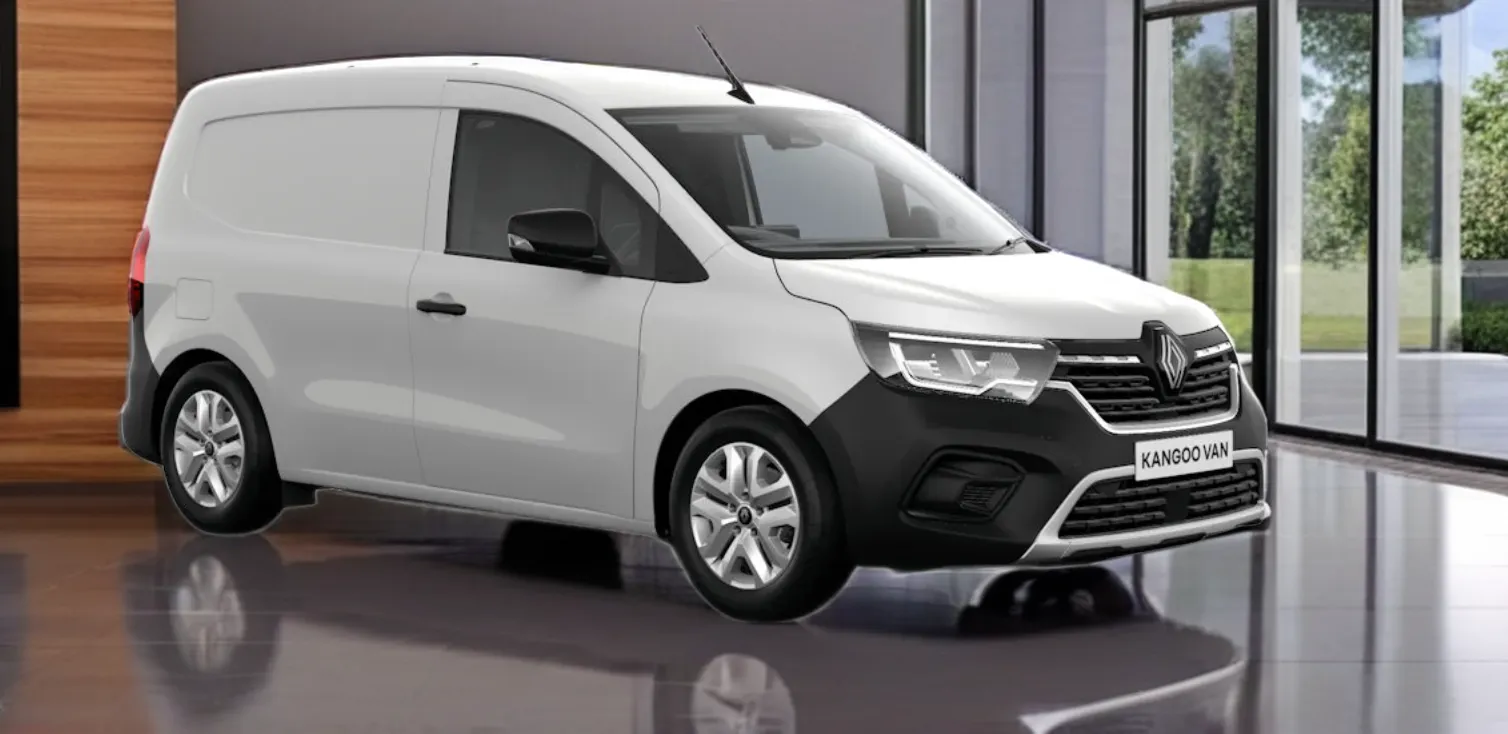
Small Vans For Sale
Small Vans for Sale Compact
Small vans for sale have become increasingly popular among businesses and individuals seeking compact, versatile vehicles for their transportation needs. These nimble commercial vehicles offer an ideal solution for those who require cargo space without the bulk of larger vans. From used small vans for sale to new models fresh off the production line, the market has an option to suit every budget and requirement. Source

This guide has the aim to explore the world of small vans, covering various aspects to help buyers make informed decisions. It will delve into the types of small vans available, highlight top brands and models, and discuss key features to consider. The guide will also compare buying new versus used small vans, examine financing options, and provide insights on where to find small vans for sale near you, whether through auto traders, private sellers, or online platforms like eBay and Gumtree.
Small Vans For Sale
The small van market offers a diverse range of options to suit various business needs. These compact commercial vehicles can be broadly categorized into three main types: car-derived vans, compact panel vans, and small electric vans. See all electric vans for sale
Which Small Van Is Right for You?
Car-derived vans (CDVs) are based on regular passenger cars, offering a unique blend of practicality and familiarity. The Department of Transport defines a CDV as "a goods vehicle which is constructed or adapted as a derivative of a passenger vehicle and which has a maximum laden weight not exceeding 2 tons." See Fiat Vans For Sale
These vehicles typically have their rear seats removed and replaced with a practical cargo area. The rear windows are often replaced with solid bodywork, enhancing security and preventing thieves from seeing the contents. CDVs are ideal for businesses that need to transport smaller tools or goods, as they offer several advantages: See Commercial VW Vans For Sale
- Better driving experience compared to larger vans
- Sleek looks and up-to-date technology
- Ability to travel at the same speed limits as normal passenger vehicles
- Easier to park and maneuver in urban areas
- Better fuel economy due to their lighter weight
However, CDVs have limitations, including reduced cargo space compared to larger vans and a maximum weight limit of two tons. Examples of car-derived vans include the Ford Fiesta Van, Vauxhall Corsavan, and more recently, the Toyota Corolla Commercial and Dacia Duster Commercial.
Compact Panel Vans Small Vans For Sale
Compact panel vans strike a balance between car-derived vans and full-sized commercial vehicles. These vans offer increased cargo capacity while maintaining relatively compact dimensions, making them suitable for a wide range of businesses. See Luxury Vans For Sale
Some popular compact panel vans include:
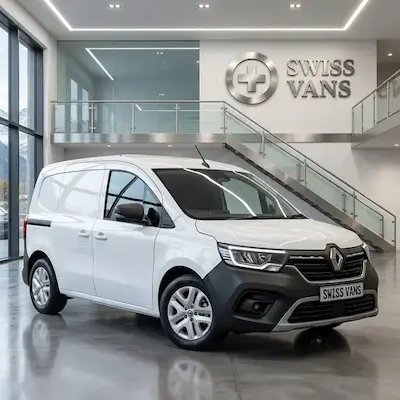
- Renault Kangoo
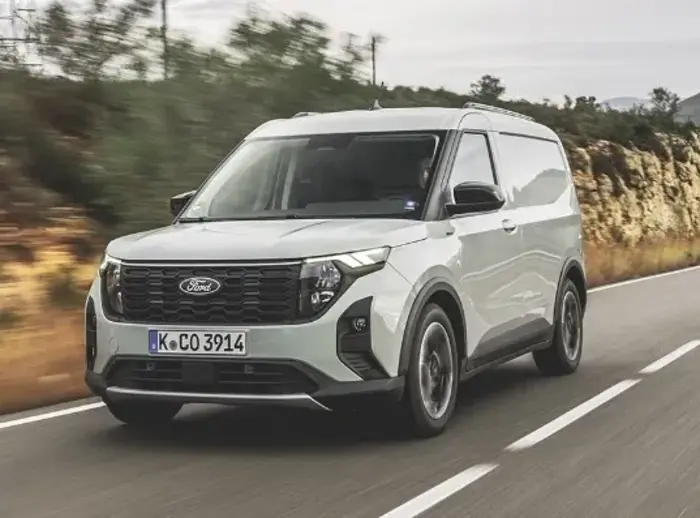
- Ford Transit Connect
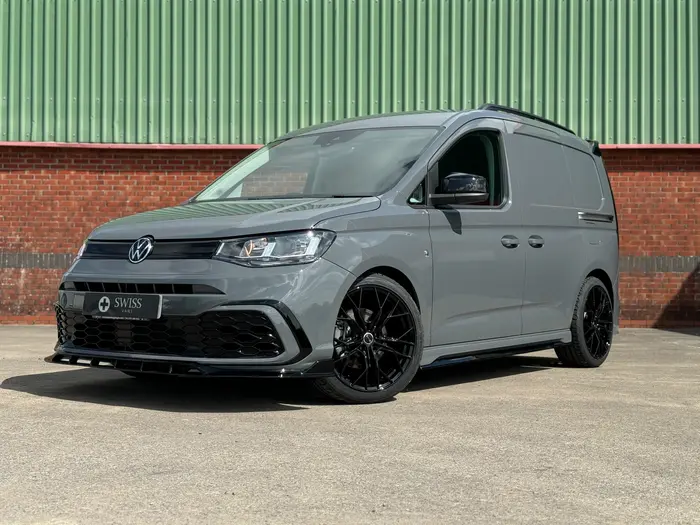
- Volkswagen Caddy
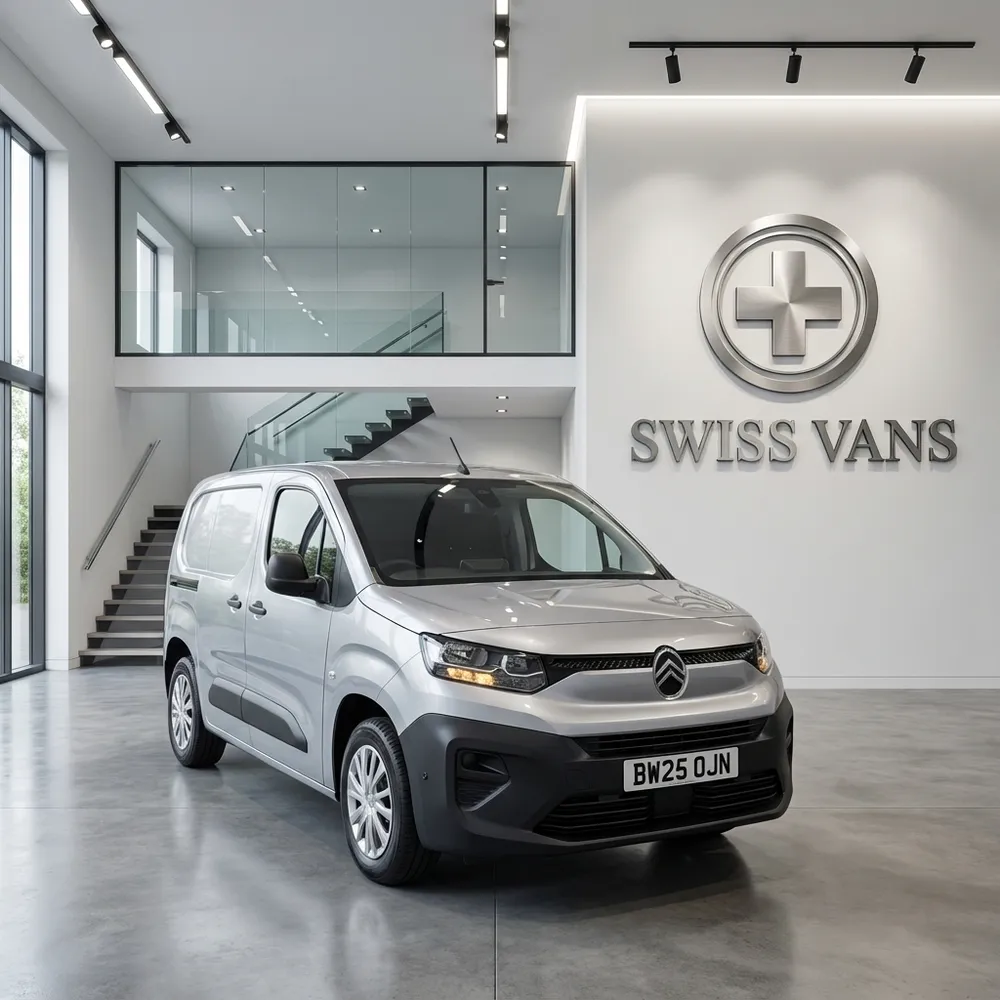
- Citroën Berlingo
- Peugeot Partner
- Toyota Proace City
- Vauxhall Combo Cargo
These vans typically offer payloads of up to one ton and have larger cargo volumes compared to CDVs. They often come equipped with wide-opening doors and versatile load spaces, allowing for easy loading and unloading of goods. Many compact panel vans share platforms and components, resulting in similar features and capabilities across different brands. See 4x4 Sales Soar thanks to Flooding
Small Electric Vans
As businesses increasingly focus on sustainability and reducing emissions, small electric vans have gained popularity. These vehicles offer zero tailpipe emissions, making them ideal for urban deliveries and operations in low or zero-emission zones. See Crew Vans For Sale
Key advantages of small electric vans include:
- Lower running costs compared to diesel alternatives
- Reduced maintenance costs due to fewer moving parts
- Government incentives, such as the plug-in van grant
- Quieter and more pleasant driving experience
However, potential buyers should consider factors such as:
- Limited driving range compared to conventional fuel vans
- Longer charging times compared to refueling
- Higher initial purchase costs, although they are often cheaper to run
Popular small electric vans include electric versions of existing compact panel vans, such as the Renault Kangoo Z.E., Nissan e-NV200, and Citroën e-Berlingo. These vehicles typically offer ranges between 100-200 miles on a single charge, making them suitable for many urban and suburban business operations. See VW Camper Van For Sale
When choosing a small van, businesses should consider their specific needs, including payload requirements, driving range, and available charging infrastructure. Each type of small van has its strengths and limitations, and the best choice will depend on the individual business's operational requirements and budget constraints. See Peugeot Partner For Sale
Top Small Van Brands and Models
The small van market offers a diverse range of options for businesses seeking compact commercial vehicles. Three standout models in this segment are the Ford Transit Connect, Volkswagen Caddy, and Citroen Berlingo. Each of these vans has its unique features and strengths, catering to different needs and preferences. See Automatic Vans For Sale
Ford Transit Connect Small Vans For Sale
The Ford Transit Connect has evolved significantly since its introduction in 2002. It has become a popular choice in the compact van sector, offering a blend of practicality and driving pleasure. The Transit Connect uses the same platform as the Mk2 and Mk3 Ford Focus, resulting in a van that's surprisingly enjoyable to drive.
A 2018 facelift introduced more efficient 1.5 EcoBlue diesel engines, improved exterior looks, and in-car technology borrowed from Ford's passenger cars. The engine options include 75PS, 100PS, and 120PS variants of the 1.5 EcoBlue diesel, all compliant with Euro 6 emissions standards. For those preferring petrol, a 1.0 EcoBoost 100PS turbo engine is available in more basic trims. See Toyota Proace City For Sale
The Transit Connect comes in various trim levels, from the entry-level Leader to the top-of-the-range Sport and Active models. Higher trims offer features such as alloy wheels, air conditioning, auto lights and wipers, and Ford's SYNC 3 touchscreen infotainment system. See Ford Electric Vans For Sale
One of the Transit Connect's strengths is its cargo capacity. The L1 model offers a loadspace of 1.5m in length and width, with a payload capacity of 600kg-740kg. The L2 model can handle over 1000kg, making it suitable for businesses with heavier cargo needs. See Mercedes Benz V Class For Sale
Volkswagen Caddy
The Volkswagen Caddy, now in its fifth generation, has undergone a significant transformation, becoming more car-like than ever before. It features a premium feel, making it an attractive option for those seeking a small van with a touch of sophistication. See Toyota Hilux Invincible X For Sale Near Me
The latest Caddy boasts a redesigned exterior, including honeycomb-like effects in the bumper and modern LED lighting. VW has also focused on increasing the load bay space. Standard Caddy Cargo models can now fit a Euro pallet sideways, with a cargo volume rated at 3100 liters. For those needing more space, the Caddy Cargo Maxi offers a stretched wheelbase capable of accommodating two Euro pallets. See Toyota Hilux GR Sport For Sale
Volkswagen has incorporated advanced technologies into the Caddy, such as Travel Assist and Trailer Assist. The interior has been thoroughly redesigned, featuring a dashboard inspired by the Golf, including touch sliders for volume and temperature controls.
The Caddy offers a smooth driving experience with comfortable ride quality and well-judged controls. Its McPherson struts at the front provide an increased steering ratio compared to the previous generation, resulting in fluid and accurate steering.
While the Caddy Cargo offers more features and a premium feel, it comes at a higher price point compared to some competitors. The entry price is around £5,000 more than a comparable Transit Connect and about £7,000 more than a Peugeot Partner. See Man TGE Vans For Sale
Citroen Berlingo Small Vans For Sale
The Citroen Berlingo stands out with its practical design and spacious interior. Unlike the more car-like appearance of the Caddy, the Berlingo looks like a slightly scaled-down medium van, appealing to those who prefer a more traditional van esthetic.
The Berlingo offers a range of engine options to meet Euro 6 emission standards. These include three choices of 1.5-liter diesel BlueHDi engines outputting 76hp, 102hp, or 130hp, and a 1.2-liter PureTech petrol engine producing 110hp. See Pick Up Trucks For Sale
One of the Berlingo's key advantages is its cargo capacity. In its largest version (XL), the loading bay is 2.1m long, 1.2m high, and 1.2m wide between the wheel arches, offering a maximum load volume of 4.4 cubic meters. Notably, the Berlingo can accommodate a Euro pallet sideways, a feature not available in some competitors.
The interior of the Berlingo is well-thought-out and spacious, with excellent use of available space. Features like a stand-up infotainment screen, flip-top glove box, and extra storage areas contribute to its practicality.
Each of these small vans offers unique strengths, catering to different business needs and preferences. The choice between them will depend on factors such as required cargo capacity, desired driving experience, budget, and specific features needed for the intended use.
Key Features to Consider
When selecting a small van for sale, buyers should take into account several crucial factors that can significantly impact their overall satisfaction and the vehicle's performance. Three key features stand out: payload capacity, fuel efficiency, and technology and safety features.
Payload Capacity Small Vans For Sale
Payload capacity has a significant influence on a van's utility and is often a deciding factor for many buyers. Small vans offer impressive value for money in terms of payload on a pound-per-kilo basis. Despite their compact dimensions, these vehicles can carry substantial amounts of cargo.
The Fiat Doblo, for instance, boasts the highest payload in the sector at 1,005kg. It also offers a physically larger-than-average loading bay, with a length exceeding 2m and a 5 cubic meter load volume. Other vans in the 1,000kg payload range include the Citroen Berlingo, Peugeot Partner, and Toyota Proace City. These models typically provide a maximum load volume of 3.3 cubic meters and an internal loading bay length of over 1.8m.
The Renault Kangoo is another standout, capable of carrying almost a ton in weight. Notably, this large payload is available on the longer of the van's two body options, allowing for versatility in cargo type.
Fuel Efficiency Small Vans For Sale
With rising fuel prices, economy has become an increasingly vital factor in van selection. Small vans generally offer some of the best miles per gallon (mpg) figures due to their lightweight nature.
The Volkswagen Caddy leads the pack in fuel efficiency, boasting an impressive 57.6 mpg. Both its 75hp and 102hp models claim this maximum official figure, featuring regenerative braking and start-stop technology as standard to maximize fuel economy.
Following closely are the Peugeot Partner and Citroen Berlingo, both achieving 55.7 mpg. These models offer this economy across different van lengths and even in crew van configurations with extra seating.
The Ford Transit Connect also performs well, with both its 75hp and 100hp models delivering 55.4 mpg. However, it's worth noting that higher trim levels with additional features may slightly reduce efficiency.
Technology and Safety Features
Advanced Driver Assist Systems (ADAS) have become increasingly prevalent in small vans, enhancing driver safety and reducing accident risks. These technologies use cameras and advanced sensors to detect information about the driver and driving environment.
Key ADAS features include:
- Lane Departure Warning (LDW): Uses sensors to track the van's position relative to lane markings, alerting the driver if they drift too close to the lines.
- Autonomous Emergency Braking (AEB): Detects potential collisions and automatically applies brakes if the driver doesn't react in time.
- Blind Spot Detection: Employs ultrasonic sensors to monitor nearby lanes and alert the driver to vehicles in blind spots.
- Driver Attention Monitoring: Analyzes the driver's attention levels and alerts them if signs of drowsiness or distraction are detected.
These safety features can significantly reduce the risk of accidents. For instance, studies have shown that AEB technologies can reduce injury claims by as much as 35%.
When considering a small van for sale, evaluating these key features - payload capacity, fuel efficiency, and safety technologies - will help ensure the chosen vehicle meets specific business needs while prioritizing efficiency and safety.
Buying New vs. Used Small Vans
When considering the purchase of a small van, buyers face the decision of whether to opt for a new or used vehicle. Both options have their merits and drawbacks, and the choice ultimately depends on individual needs, budget, and preferences.
Pros and Cons Small Vans For Sale
New small vans offer the latest technology, safety features, and fuel efficiency. They come with full manufacturer warranties, providing peace of mind for buyers. However, new vans experience significant depreciation, losing up to 20% of their value as soon as they leave the forecourt. After three years, many will have lost up to two-thirds of their value.
Used small vans, on the other hand, offer substantial cost savings. They have already undergone the steepest depreciation, resulting in a more stable resale value. This makes used vans an attractive option for small business owners or individuals on a tight budget. Additionally, insurance premiums for used vans are typically lower due to their reduced market value.
However, used vans come with their own set of challenges. There's uncertainty surrounding the vehicle's history, and they may require more frequent maintenance and repairs. Used vans might also lack the latest technological advancements and safety features found in newer models.
Where to Find Used Vans
For those opting for a used small van, there are numerous avenues to explore. Online platforms such as Auto Trader UK, Gumtree, Motors.co.uk, and Van Monster are trusted sources for second-hand vans. These websites offer a wide selection of vehicles, allowing buyers to compare prices and specifications easily.
Interestingly, location can play a role in finding the best deals. According to a CarGurus study cited by The Sun, Glasgow topped the list as the cheapest place in the UK to purchase a used van, with prices around 2.4% below the national average. Edinburgh followed closely at 2.2% below average. Other cities offering competitive prices include Sheffield, Manchester, and Stoke-on-Trent, where second-hand vans were 1.8%-1.9% cheaper than the national average.
Inspection Tips Small Vans For Sale
When considering a used small van, thorough inspection is crucial. Here are some key points to check:
- Vehicle History: Request information about previous owners and service history. Check the MOT history online.
- Exterior: Look for signs of damage, rust, or previous accidents. Pay close attention to areas under the wheel arches and around door frames.
- Interior: Test all features including seatbelts, door locks, heater, air conditioning, and windscreen wipers. Inspect the load bay for any damage.
- Mechanical Checks: Start the engine from cold and listen for any unusual noises. Check fluid levels, including oil and coolant. Look for signs of oil leaks or water mixing with oil.
- Test Drive: Pay attention to the van's performance, including brakes, steering, and suspension. Check for any warning lights on the dashboard.
- Documentation: Ensure all paperwork is in order, including the V5C document. Consider purchasing an additional history check for added peace of mind.
Remember, buying from a registered dealer provides certain consumer rights under the 2015 Consumer Rights Act. This includes the right to return the van and get a refund if a fault is found within 30 days.
By carefully weighing the pros and cons, exploring various sources, and conducting thorough inspections, buyers can make an informed decision when choosing between new and used small vans for sale.
Financing Options for Small Vans
When it comes to acquiring small vans for sale, businesses have several financing options to choose from. These options allow companies to spread the cost over time, making it easier to manage their cash flow while obtaining the vehicles they need. Three popular financing methods are Hire Purchase, Leasing, and Business Contract Hire.
Hire Purchase
Hire Purchase (HP) has become a flexible and popular finance option among van owners. This method allows businesses to decide on an initial deposit amount, followed by fixed monthly payments over a set period, which can range from 12 to 48 months or more. One of the main advantages of Hire Purchase is that it enables the business to eventually own the van outright at the end of the contract.
Under a Hire Purchase agreement, businesses have the flexibility to 'return' the van at any time. This can be done through two primary methods:
- Voluntary termination: This option allows the business to terminate the hire purchase agreement at any stage of the contract and hand the vehicle back. However, the finance lender will only consider this option if the total amount owed has been paid.
- Early settlement: If a business wishes to pay off the agreed hire purchase repayments in full before the end of the contract, this is also possible. Any outstanding fees must be settled before the lender accepts a settlement agreement.
Leasing Small Vans For Sale
Small Van Leasing has become an increasingly popular option for businesses looking to acquire small vans. A typical lease lasts between 2 and 5 years, allowing companies to pay a fixed monthly rate for the use of a new van. This option offers several benefits:
- Lower upfront costs compared to buying outright
- Access to a range of leasing deals available to business owners
- Ability to spread the cost of the new vehicle across the agreed term
- Opportunity to afford a higher quality and spec of vehicle than when buying outright
- Professional appearance on the road and greater driver comfort
- New vehicles are subject to manufacturer's warranty, providing peace of mind and protection against unexpected costs
Business Contract Hire
Business Contract Hire (BCH) is a long-term vehicle lease agreement, typically lasting two to four years. This option is suitable for sole traders, partnerships, and limited companies who don't want to own the vehicle outright. BCH has become popular among VAT-registered companies as they can claim back 50% of the VAT on vehicle payments (100% for vans) and 100% of the VAT on maintenance costs.
With Business Contract Hire, a company pays fixed monthly rentals for an agreed period for the use of a vehicle. At the end of the agreement, the vehicle is returned to the finance provider, eliminating concerns about depreciation values and vehicle disposal. This allows businesses to concentrate on their core activities while avoiding the financial risk and administrative burden of owning a vehicle or fleet.
Key features of Business Contract Hire include:
- Flexible contract lengths (usually two, three, or four years)
- Initial payment equivalent to three, six, or nine months' rentals
- Yearly mileage allowance, which can often be amended during the contract term
- Option to add maintenance and servicing packages
Business Contract Hire offers numerous benefits, such as fixed monthly costs, no depreciation risk, and potential tax advantages. However, businesses should also consider factors like mileage restrictions, potential excess mileage charges, and the responsibility to return the vehicle in good condition at the end of the contract.
By carefully evaluating these financing options, businesses can choose the most suitable method for acquiring small vans, aligning with their financial goals and operational needs.
Conclusion
Small vans have a significant impact on the commercial vehicle market, offering versatility and efficiency to businesses of all sizes. From car-derived vans to compact panel vans and electric options, there's a wide range of choices to suit different needs. When selecting a small van, it's crucial to consider factors such as payload capacity, fuel efficiency, and safety features to ensure the vehicle aligns with specific business requirements.
Whether opting for a new or used small van, buyers have various financing options to explore, including hire purchase, leasing, and business contract hire. These options allow businesses to spread the cost over time, making it easier to manage expenses while acquiring the necessary vehicles. By weighing the pros and cons of each option and conducting thorough research, businesses can make informed decisions that support their operational goals and financial strategies.
FAQs Small Vans For Sale
What are the most reliable small commercial vans currently available?
The top small commercial vans that are renowned for their reliability include the Ford Transit Connect, RAM ProMaster City, and the Mercedes Benz Metris. Additionally, the Nissan NV 200 is available as a pre-owned option, and the Chrysler Voyager is also a notable mention.
Which used small van is considered the best to purchase?
Some of the best small vans to consider when looking at used options include the Citroen Berlingo, Fiat Doblo, Peugeot Partner, Toyota Proace City, and Vauxhall Combo for models from 2018 onwards. Other good choices are the Renault Kangoo from 2014 to 2022, the Land Rover Defender Hard Top from 2023 onwards, the Mercedes Citan from 2013 to 2022, the Nissan NV200 from 2009 to 2019, and the Peugeot Bipper from 2007 to 2017.
Do small vans qualify as commercial vehicles?
Yes, small vans are classified as commercial vehicles. They are typically used for business purposes, such as transporting goods or products that a business sells.
Why are some small vans being phased out?
The discontinuation of certain small van models in recent years, particularly in 2023 in the US, can be attributed to declining sales and a shift towards electric vehicles. Notable models that have been discontinued include the Ford Transit Connect and the Mercedes-Benz Metris.