Is the Fiat Ducato Any Good? An Honest UK Buyer's Review
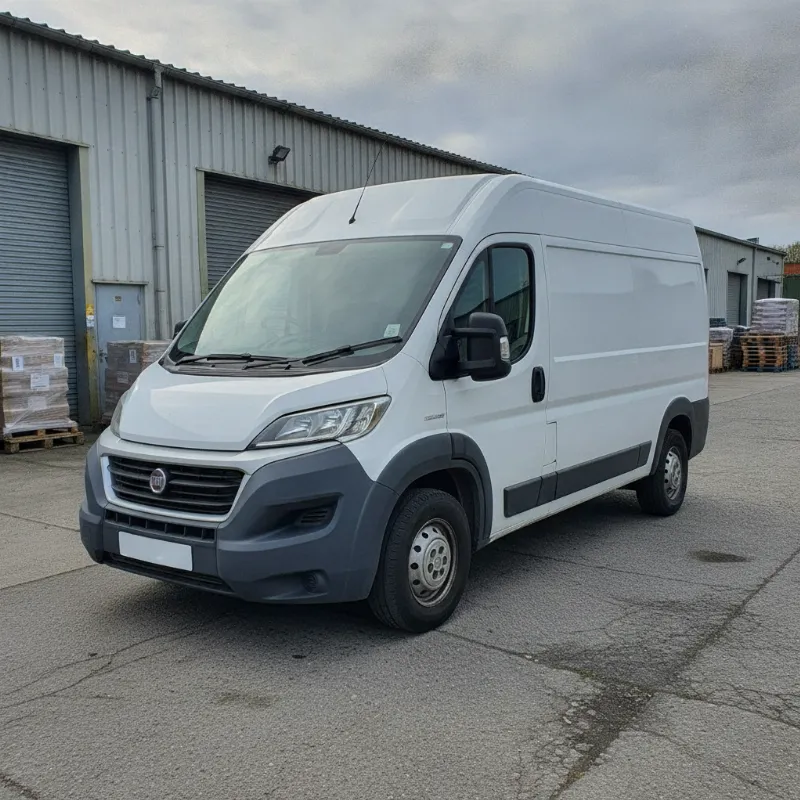
Is the Fiat Ducato Any Good? The Short Answer
Yes — the Fiat Ducato is a genuinely good van, and for many UK buyers it's one of the smartest large panel vans you can put your money into. It offers a huge load area, a proven diesel engine, comfortable long-distance manners and a price point that typically undercuts its German rivals. It's not perfect — no van is — but for tradespeople, fleet operators and especially motorhome buyers, the Ducato has earned its reputation as a dependable, hard-working workhorse.
If you want the honest verdict up front: the Ducato is best-in-class for load volume, excellent as a camper base vehicle, and reasonably priced to run. Its weak points are cabin plastics that feel a generation behind and a handful of well-known mechanical niggles that are easy to check for before you buy.
A Quick History of the Fiat Ducato Van
The Fiat Ducato has been around since 1981, which makes it one of the longest-running large vans on sale in Europe. It's now in its third major generation, launched in 2006 and heavily updated multiple times since — most notably in 2014 with the Euro 6 engines and again in 2021 with a new dashboard, updated safety kit and the arrival of the electric E-Ducato.
Crucially, the Ducato shares its platform with the Peugeot Boxer and Citroën Relay, and previously the Vauxhall/Opel Movano and now-defunct Ram ProMaster in North America. That shared DNA means parts are widely available, independent specialists know the van inside out, and used values remain sensible. In the UK it's been a fleet and courier favourite for decades, but it's the motorhome industry that has truly cemented its reputation — around three-quarters of European motorhomes are built on a Ducato chassis.
Fiat Ducato Engines: How Reliable Is the 2.3 MultiJet?
The heart of the modern Ducato is the 2.3-litre MultiJet diesel, and it's genuinely one of the better large-van engines on the market. Offered in outputs ranging from around 120bhp to 180bhp, it's a torquey, flexible unit that pulls well from low revs and copes easily with heavy payloads. There's also a 2.2-litre unit in the latest models developed with PSA, plus the fully electric E-Ducato for urban operators.
Reliability is broadly very good. Owners regularly report six-figure mileages with only routine servicing, and the engine's timing chain (rather than a belt on most variants) removes one major service cost. That said, like any modern diesel, it needs the right care — regular oil changes with the correct specification, decent-quality fuel, and enough motorway running to keep the DPF happy.
Fuel Economy and Running Costs
Real-world fuel economy from the 2.3 MultiJet typically sits in the 32–40mpg range depending on load, body length and how it's driven. Empty and driven gently on a motorway run, low 40s is achievable. Loaded up or used around town, expect to see the lower end of that range. That's competitive with rivals like the Mercedes Sprinter and Ford Transit, and often slightly better than the VW Crafter.
Servicing costs are reasonable, especially if you use an independent Fiat Professional specialist rather than a main dealer. Insurance groupings are sensible, and because parts are shared across the Boxer and Relay, consumables like brakes, filters and clutches are widely available and competitively priced.
Common Issues to Watch For
No van is faultless, and the Ducato has a few known weak spots. The reverse gear on the older six-speed manual boxes can become notchy or difficult to engage — a well-documented issue that's often solved with a linkage adjustment or clutch replacement. EGR valves and DPFs can clog on vans used mainly for short urban journeys. Some earlier Euro 6 vans had AdBlue system faults, and the electric handbrake on newer models can occasionally play up.
Bodywork rust around the wheel arches and lower doors can appear on higher-mileage examples, particularly those used near the coast or on gritted winter roads. None of these are dealbreakers, but they're worth checking during a pre-purchase inspection.
Fiat Ducato Dimensions, Size and Load Space
One of the Ducato's biggest strengths is genuinely how much it will swallow. It's offered in four lengths (L1 to L4) and three roof heights (H1 to H3), giving load volumes from around 8 cubic metres in the smallest variant up to a class-leading 17 cubic metres in the Maxi L4H3. Payloads range from roughly 1,000kg to over 2,000kg depending on specification.
Load area width between the wheel arches is 1,422mm — wide enough to take a Euro pallet sideways — and the low load height of around 535mm makes daily loading and unloading easier on the back. Rear doors open to 270 degrees on most models, which is a genuinely useful feature when you're reversing up to a loading bay or working in tight spaces.
Fiat Ducato Size Compared to Rivals
Against a Ford Transit, VW Crafter or Mercedes Sprinter of equivalent size, the Ducato offers more cubic metres of load space for its overall footprint — largely thanks to its front-wheel-drive layout, which removes the transmission tunnel and lowers the floor. The trade-off is that heavily loaded, rear-wheel-drive rivals like the Sprinter and Crafter have marginally better traction on slippery surfaces. For most UK operators, though, the extra usable space wins out.
Camper Vans for Sale Fiat Ducato: Why It's the UK's Favourite Motorhome Base
Walk around any UK campsite and you'll notice something quickly: the vast majority of coach-built motorhomes are Ducato-based. Auto-Trail, Bailey, Swift, Elddis, Adria, Hymer, Bürstner, Rapido, Chausson — the list of manufacturers building on the Ducato AL-KO chassis is enormous. There are good reasons for that.
The front-wheel-drive layout means a low, flat floor throughout the habitation area — vital for interior headroom and layout flexibility. The AL-KO chassis extension available from Fiat gives motorhome builders a lightweight, rust-resistant platform with a wide track for stability. The 2.3 MultiJet has the torque to shift a fully-loaded 3.5-tonne motorhome without complaint. And parts and servicing are available almost anywhere in Europe, which matters when you're touring.
Fiat Ducato Campervan: What Makes It Ideal for Conversion
For DIY and professional campervan conversions, the panel-van Ducato is arguably the best base vehicle you can buy. The H2 medium roof gives standing headroom for most adults, the L3 length gives enough space for a fixed bed plus kitchen and seating, and the flat floor makes fitting furniture straightforward. Insulation kits, window blanks, pop-tops, elevating roofs and conversion components are all readily available from UK suppliers because the platform is so widely used.
The wide sliding side door (1,250mm on most variants) makes fitting seating and getting in and out easy, and the payload on a 35 Maxi variant is generous enough to accommodate a full conversion, water tanks, leisure batteries and passengers without going over 3.5 tonnes. That last point matters — staying under 3.5t means you can still drive it on a standard UK car licence.
Fiat Ducato Campervans for Sale: What to Look for When Buying
If you're shopping for a used Ducato campervan, there are a few checks that matter more than usual. Service history is crucial — a well-maintained Ducato will outlast a neglected one by a huge margin. Look for evidence of regular oil changes, cambelt or auxiliary belt replacements where applicable, and habitation servicing on converted vans.
Check the underside carefully for corrosion, especially on ex-fleet vans that may have spent winters on gritted roads. Test every gear including reverse. Look at the DPF and AdBlue warning history if it's a Euro 6 model. On converted campers, inspect the damp readings on the habitation area, test all 12V and mains systems, and verify the weight plate matches what's actually on the van after conversion — overloaded campers are surprisingly common.
Finally, mileage isn't the enemy it once was. A 100,000-mile Ducato with full history and consistent motorway use is often a better buy than a 40,000-mile example that's spent its life on short urban school-run trips.
Fiat Ducato in the Cab: Driving Experience and Comfort
The Ducato drives more like a large car than most of its rivals. The high seating position gives excellent visibility, the light steering makes town work easy, and the ride is generally supple even when the van is unladen — a common weakness of some competitors. The 2021 facelift brought a much-improved dashboard with a proper touchscreen infotainment system, digital instruments on higher trims, and useful driver assistance features like lane-keeping, adaptive cruise and traffic sign recognition.
Cabin plastics still aren't quite up to VW Crafter standards, and the driving position won't suit everyone — the steering wheel is fairly upright and the pedals are offset slightly. But for long motorway hauls, the Ducato is genuinely comfortable, quiet enough at cruising speed, and equipped with well-shaped seats that don't punish you after eight hours behind the wheel.
Pros and Cons of the Fiat Ducato Van
On the plus side: class-leading load volume, a strong and generally reliable 2.3 MultiJet diesel, excellent parts availability, competitive purchase and running costs, unmatched status as a motorhome and campervan base, comfortable long-distance cabin, and a wide choice of body sizes and payloads to suit almost any use case.
On the minus side: cabin materials feel a step behind the newest rivals, some known mechanical issues (reverse gear, EGR, DPF) to be aware of on used examples, front-wheel-drive traction can struggle when heavily unladen in wet or icy conditions, and residual values on ex-fleet panel vans can be softer than a Transit or Sprinter equivalent — though that's arguably a plus if you're the one buying used.
Verdict: Is the Fiat Ducato Worth Buying in the UK?
Yes — for most UK buyers, the Fiat Ducato is absolutely worth buying. As a working panel van it offers more cargo space per pound than almost any rival, and the 2.3 MultiJet is a proven, hard-wearing engine when properly maintained. As a motorhome or campervan base it's essentially the default choice in Europe, and for good reason: the platform is designed around habitation use, parts are everywhere, and specialist support is unmatched.
It isn't the plushest large van on sale, and it isn't the most premium-feeling in the cab. But if you value practicality, running costs, load space and long-term serviceability over badge appeal, the Ducato is one of the smartest large-van buys in the UK — whether you're picking up a used panel van for the business or hunting down your next motorhome adventure.
FAQs
Is the Fiat Ducato a good van to buy in the UK?
Yes. The Fiat Ducato is one of the most practical large vans on sale in the UK, offering class-leading load volume, a reliable 2.3 MultiJet diesel engine, competitive running costs and unrivalled status as a motorhome base. It's particularly strong value on the used market and benefits from excellent parts availability thanks to its shared platform with the Peugeot Boxer and Citroën Relay.
How many miles will a Fiat Ducato last?
A well-maintained Fiat Ducato with the 2.3 MultiJet engine will comfortably cover 200,000 miles or more, and many examples are still working hard well beyond 250,000 miles. The key is regular servicing with the correct oil, timely replacement of consumables, and enough motorway running to keep the DPF and EGR system clear.
What is the most common problem with a Fiat Ducato?
The best-known issue on the Ducato is a notchy or difficult reverse gear on the six-speed manual gearbox, which can usually be resolved with a linkage adjustment or clutch replacement. Other common items to check are the EGR valve and DPF on vans used mainly for short urban trips, and any AdBlue system fault codes on Euro 6 examples.
Is the Fiat Ducato better than a Ford Transit or Mercedes Sprinter?
It depends on how you'll use it. The Ducato offers more load volume for its overall size and is the clear choice as a motorhome or campervan base. The Ford Transit generally has a nicer cabin and better driving dynamics, while the Mercedes Sprinter feels more premium and offers rear-wheel drive for heavy loads. For value, load space and campervan conversion, the Ducato wins.
Why are most motorhomes built on a Fiat Ducato?
Around three-quarters of European motorhomes use a Ducato base because its front-wheel-drive layout gives a low, flat floor for interior space, the AL-KO chassis extension is lightweight and rust-resistant, the 2.3 MultiJet has the torque to move a fully loaded motorhome, and parts and servicing are available across Europe — which matters when you're touring far from home.