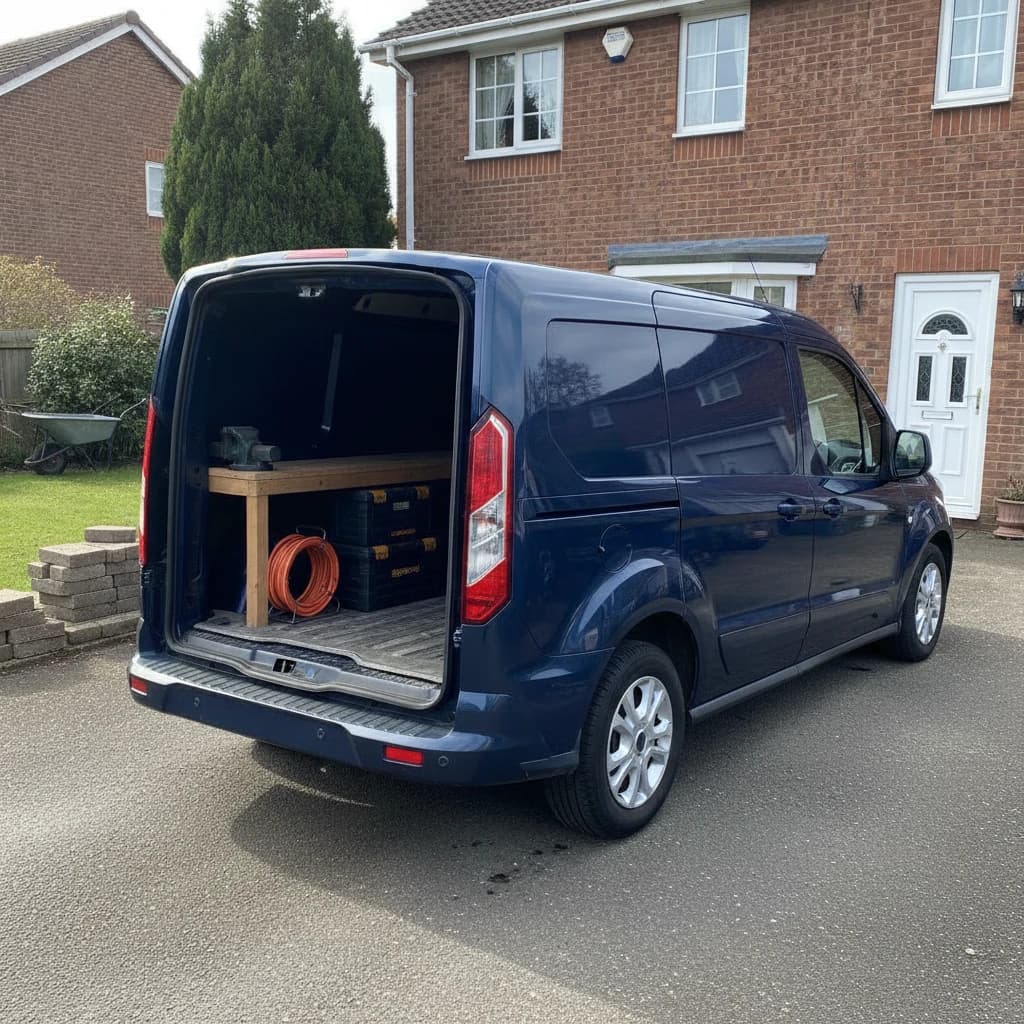
How Much Weight Can a Ford Transit Connect Carry?
Ford Transit Connect Payload Explained
The Ford Transit Connect is one of the UK's most popular small vans, but before you load it up with tools, stock or parcels it's worth understanding exactly how much weight it can legally carry. Payload isn't just a number on a spec sheet — it's a legal limit, and overloading your van can lead to fines, points on your licence, invalidated insurance and increased wear on brakes, tyres and suspension.
Payload figures vary quite a bit across the Transit Connect range depending on wheelbase, engine, trim level and whether you've added any factory options. In this guide we'll break down exactly what the Connect can carry, how that compares between the L1 and L2 body styles, and what to watch out for when you're loading up.
What Is Payload vs Gross Vehicle Weight (GVW)?
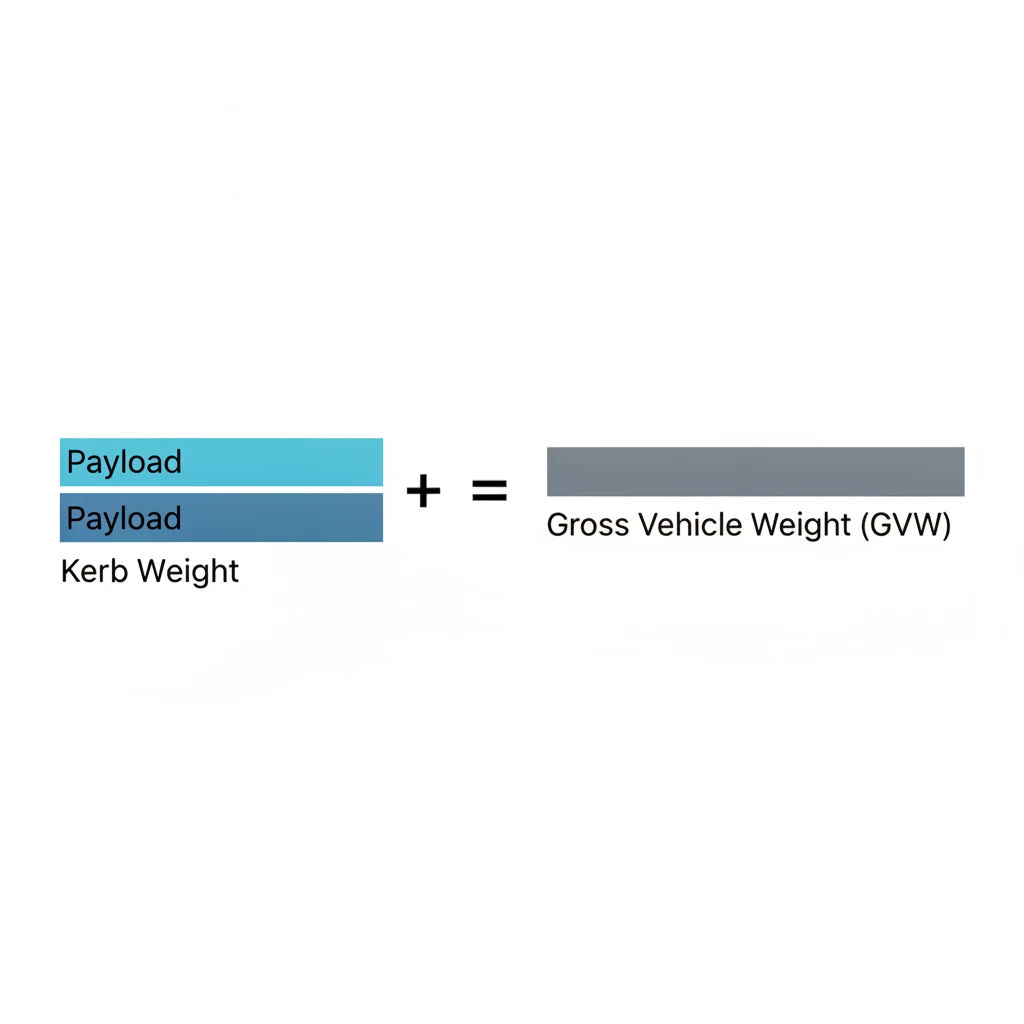
Payload is the maximum weight of cargo (and passengers, other than the driver in some calculations) that your van can carry on top of its own kerb weight. It's calculated by taking the Gross Vehicle Weight — the maximum the fully loaded vehicle is legally allowed to weigh — and subtracting the kerb weight of the van itself.
For example, if a Transit Connect has a GVW of 2,340kg and a kerb weight of around 1,540kg, the payload works out at roughly 800kg. That figure includes everything you put in the load area, any passengers and even accessories like roof racks, ply lining or racking systems. Always check the VIN plate inside the driver's door for the exact GVW and axle weights for your specific van.
How Much Weight Can a Ford Transit Connect Carry?
Across the current and recent generations, the Ford Transit Connect typically carries between around 500kg and 1,000kg depending on the specification. Most panel van versions fall comfortably in the 700–900kg range, making it a genuinely useful workhorse for tradespeople, couriers and mobile businesses that don't need a full-sized Transit.
Below we've broken payload down by the two main body lengths — L1 (short wheelbase) and L2 (long wheelbase) — as well as by engine and trim, since these details all affect how much cargo you can legally load.
Payload by Model: L1 Short Wheelbase
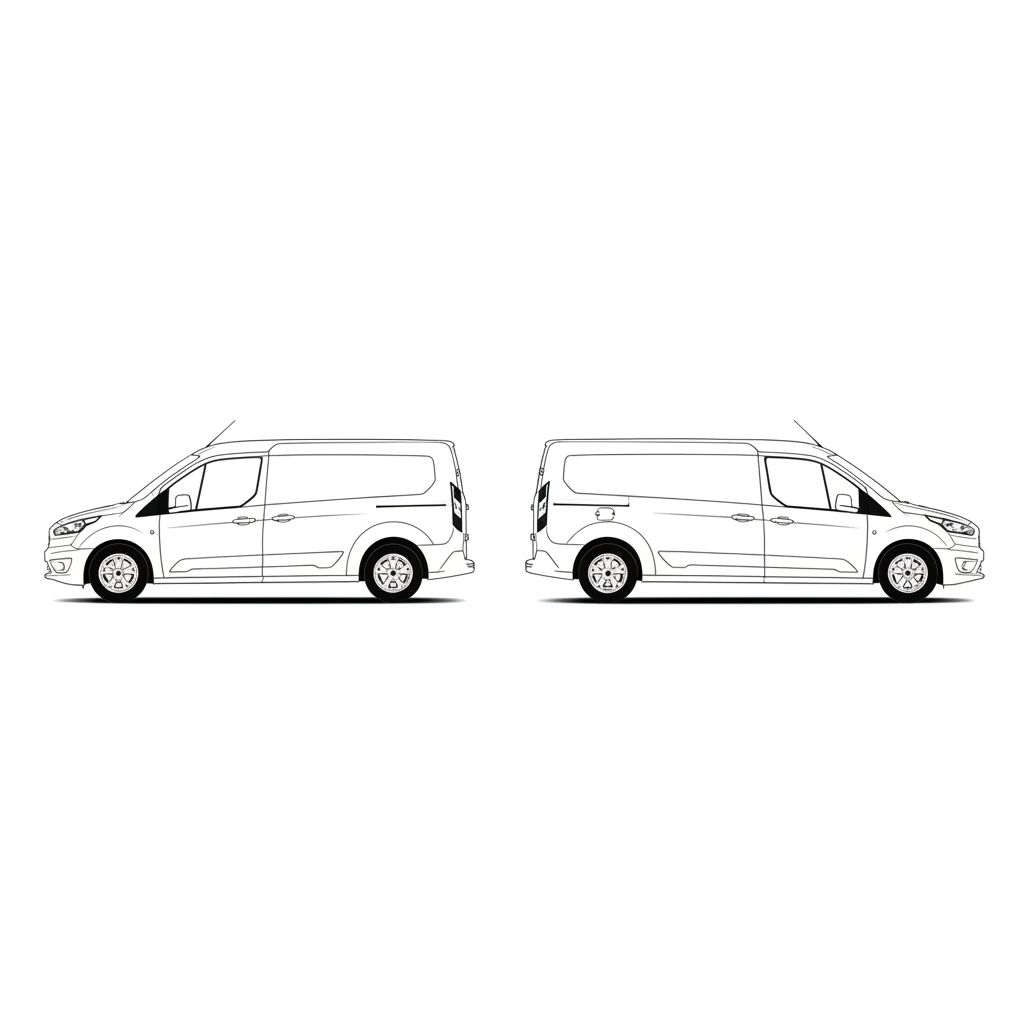
The L1 short-wheelbase Transit Connect is the more compact option, designed for urban delivery work and easy manoeuvring. Payload on the L1 typically ranges from around 600kg to 850kg depending on engine and trim. The lighter diesel variants in basic Leader or Trend specification tend to offer the best payload figures, while higher-trim models with more equipment sacrifice a little capacity to the kerb weight.
For most small business use — plumbing, electrical work, mobile servicing or light courier duties — the L1's payload is more than adequate, and the shorter body makes it easier to park and drive in busy town centres.
Payload by Model: L2 Long Wheelbase
The L2 long-wheelbase Transit Connect adds around 400mm to the load area and, in most cases, offers a slightly higher payload — typically between 750kg and 1,000kg. The extra length is particularly useful if you carry longer items like copper pipe, timber lengths or flat-packed goods, and the higher GVW rating on some L2 models means you can genuinely make use of that additional space.
If you regularly load close to the limit, the L2 is usually the smarter choice — you get more volume and more weight capacity for a relatively small increase in overall vehicle length.
Payload Differences by Engine and Trim
Engine choice makes a real difference to payload. The 1.5 EcoBlue diesel is the most common option in recent Transit Connects and offers a good balance of economy and carrying capacity. Petrol EcoBoost variants tend to have slightly lower payloads because of engine weight and, historically, lower GVW ratings. Automatic gearboxes also add a few kilos compared with the manual.
Trim level matters too. Base Leader specs are the lightest and therefore carry the most, while Limited and Sport trims — with their extra equipment, alloy wheels and body kits — typically shave 20–50kg off the maximum payload. Factory extras like air conditioning, tow bars, ply lining and dual sliding doors all reduce payload further, so always check the actual VIN plate rather than relying on a brochure figure.
Load Space Dimensions and Volume
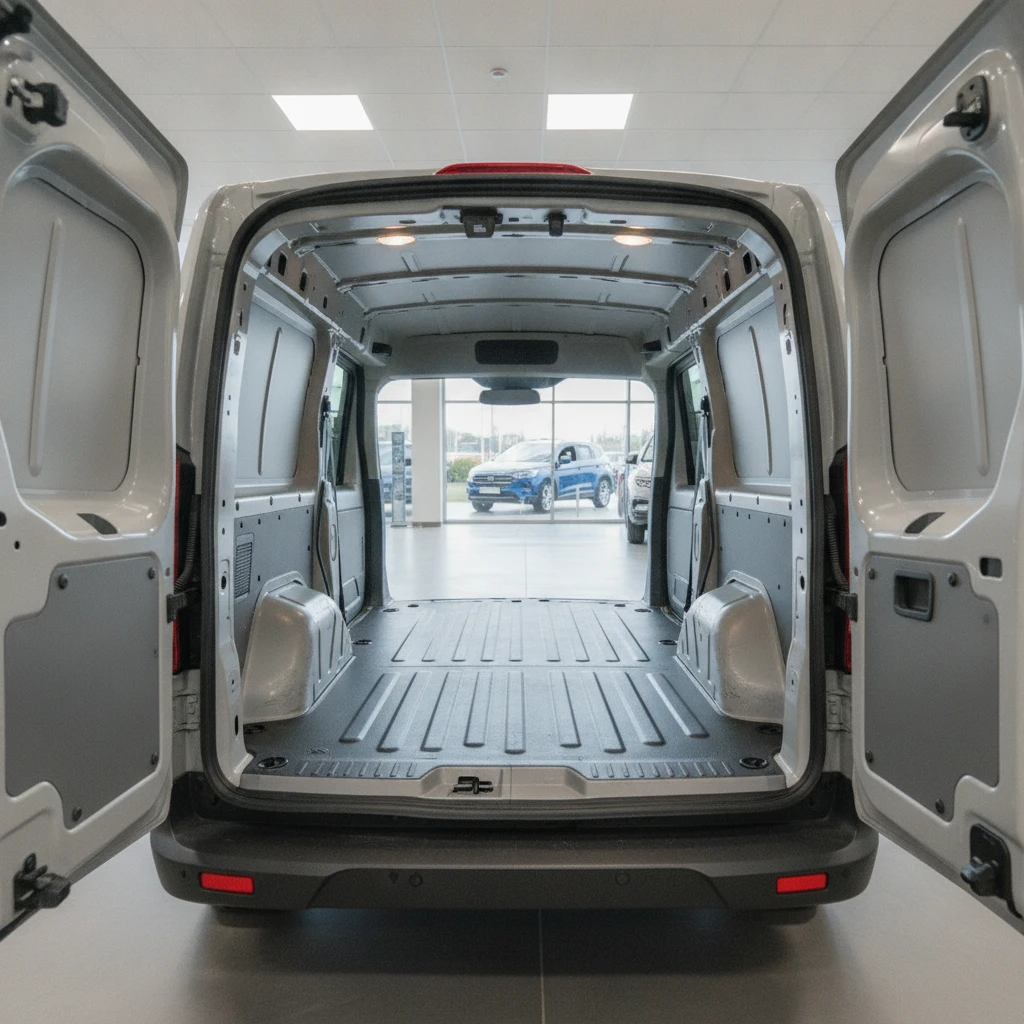
Payload only tells half the story — you also need to be sure your cargo fits. The L1 Transit Connect offers a load volume of around 2.9 cubic metres, with a load length of roughly 1,753mm at floor level. The L2 stretches that to about 3.6 cubic metres and 1,978mm of load length. With the optional through-loading bulkhead hatch, you can extend that length to over 3 metres — long enough for lengths of pipe, ladders or timber.
Load width between the wheel arches is around 1,226mm on both bodies, which is enough to take a Euro pallet loaded sideways. Rear door aperture width is generous, and twin sliding side doors are available for easier kerbside access.
Towing Capacity of the Transit Connect
If your work involves a trailer as well as a loaded van, the Transit Connect can tow up to 1,500kg braked on most diesel derivatives, with lower figures for petrol and automatic models. Unbraked towing is limited to 750kg, as with most light commercials. Always factor towing weight into your overall calculations — the Gross Train Weight (GTW) is the combined limit for the fully loaded van plus trailer, and exceeding it is just as illegal as overloading the van itself.
Tips for Staying Within Your Payload Limit
Overloading is easier than most drivers realise — a few bags of sand, a couple of toolboxes and a passenger can quickly eat into your available capacity. To stay legal and safe, weigh your van fully loaded at a public weighbridge at least once so you know your real-world starting point with all your usual kit on board. Keep heavy items low and over the axles for better stability, and secure everything with proper load-lashing points.
Remember that fuel counts too — a full 60-litre diesel tank adds around 50kg. If you're regularly close to the limit, consider upgrading to a higher-GVW variant or stepping up to a mid-sized van. Regular checks of tyre pressures at the load-rated figure will also help protect the van and keep it handling safely when fully loaded.
Is the Transit Connect the Right Van for Your Load?
For most small trades, mobile businesses and last-mile delivery operators, the Transit Connect hits a genuine sweet spot — car-like to drive, cheap to run, and capable of shifting up to a tonne of gear in the right specification. If your loads regularly exceed 900kg, or you need to carry bulkier items like full sheets of plasterboard, you may be better off looking at a Transit Custom or larger van instead.
Ready to see what's available? You can browse our Ford Transit Connect vans for sale to compare payloads, wheelbases and trims side by side, or explore small vans in stock from other manufacturers if you'd like to weigh up alternatives. Our team is always happy to help you match a van to the loads you actually carry — just get in touch and we'll talk it through.
FAQs
How much weight can a Ford Transit Connect legally carry?
Depending on the model, a Ford Transit Connect can legally carry between around 600kg and 1,000kg of payload. L1 short-wheelbase vans typically manage 600–850kg, while L2 long-wheelbase variants can reach up to around 1,000kg in the right specification. Always check the VIN plate inside the driver's door for the exact figure for your specific van, as engine, trim and factory options all affect the number.
What happens if I overload my Transit Connect?
Overloading a van is a legal offence in the UK. You can be fined up to £300 per offence on the spot, receive a court summons for more serious overloads, and potentially invalidate your insurance. It also puts extra strain on brakes, tyres and suspension, increasing the risk of a crash. DVSA officers regularly weigh vans at the roadside using portable weighbridges.
Can a Ford Transit Connect carry a Euro pallet?
Yes. The load area between the wheel arches is around 1,226mm wide, which is enough to take a standard 1,200mm x 800mm Euro pallet loaded sideways. The L1 can accommodate one Euro pallet and the L2 can typically fit two, depending on how they're loaded and secured.
How much can a Ford Transit Connect tow?
Most diesel Transit Connects can tow up to 1,500kg braked, or 750kg unbraked. Petrol and automatic variants may have slightly lower limits, so always check the V5C or handbook for your specific vehicle. Remember that the Gross Train Weight limits the combined weight of the fully loaded van and trailer together.
Is payload the same on all Transit Connect trim levels?
No. Higher trim levels like Limited or Sport add equipment such as alloy wheels, body styling and additional interior kit, which increases kerb weight and reduces payload by anywhere from 20 to 50kg compared with a base Leader spec. Options like air conditioning, tow bars and ply lining reduce it further, so check the actual VIN plate figure rather than the brochure headline.