How Much Is It to Tax a Vauxhall Combo Van? UK Road Tax Guide
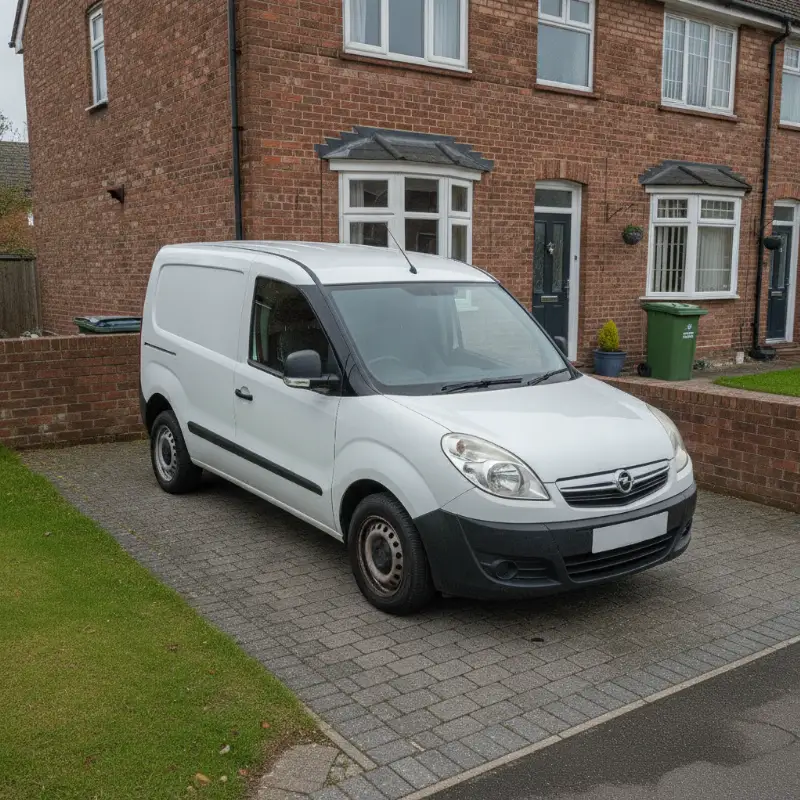
How Much Is It to Tax a Vauxhall Combo Van? Quick Answer
For most Vauxhall Combo vans on UK roads today, road tax (Vehicle Excise Duty, or VED) costs £335 per year if paid as a single annual payment. This is the flat rate that applies to light commercial vehicles registered on or after 1 March 2001 that meet Euro 4, Euro 5 or later emissions standards — which covers the vast majority of Combo Cargo diesels currently in use.
If you'd prefer to spread the cost, you can pay £184.25 for six months, or set up a monthly Direct Debit which works out at around £351.75 across the year. Older Combo vans registered before March 2001 are taxed on engine size rather than emissions, and the electric Combo-e Life passenger model currently pays £0. The exact figure you'll pay depends on your registration date, fuel type and whether the vehicle is classed as a van (LCV) or a car-derived passenger vehicle.
How Vehicle Excise Duty (VED) Works for the Vauxhall Combo Van
Vehicle Excise Duty is the annual tax every keeper of a UK-registered vehicle must pay to use or park it on public roads. How much you pay depends on when the vehicle was first registered, what fuel it uses, its CO2 emissions and — crucially for vans — whether it's classified as a light commercial vehicle or a passenger car. The Vauxhall Combo sits in an interesting position because it's sold in two distinct forms: the Combo Cargo panel van and the Combo Life MPV, and each is taxed differently.
Light Commercial Vehicle (LCV) Tax Bands Explained
Light commercial vehicles are vans with a gross vehicle weight of up to 3,500kg used primarily for carrying goods. Unlike cars, LCVs aren't taxed on CO2 emissions bands. Instead, most modern vans pay a single flat rate known as the TC39 band, which currently stands at £335 per year. A slightly lower Euro 4 and Euro 5 concession rate of £140 applies to a small number of vans registered between specific dates in the mid-2000s and early 2010s, but very few Combos qualify. If your Combo is used privately as a passenger vehicle rather than for goods, it may fall under different rules — always check the V5C log book to confirm its taxation class.
Where the Vauxhall Combo Cargo Sits in the VED System
The current Vauxhall Combo Cargo, launched in 2018 on the Stellantis EMP2 platform, is registered as a light goods vehicle (LGV/LCV) and pays the standard £335 flat rate. Earlier Combo generations built on the Fiat Doblò platform (2012–2018) and the original Corsa-based Combo (2001–2011) also generally fall under the LCV flat rate for their era. Because these are goods vehicles, DVLA doesn't apply the CO2-based first-year "showroom tax" that cars are subject to, which makes van running costs more predictable but also means there's no reward for choosing a lower-emission diesel version.
Vauxhall Combo Van Tax Costs by Age and Model
The age of your Vauxhall Combo has a real impact on the tax bill, because the rules that applied when it was first registered generally continue to apply throughout its life. Here's how the costs break down by era.
Older Vauxhall Combo Vans (Pre-2001 and Early 2000s Models)
Combo vans registered before 1 March 2001 are taxed on engine size alone under the Private/Light Goods (PLG) taxation class. For a Combo with an engine of 1,549cc or less — which covers the 1.4 petrol and 1.7 diesel variants — the current rate is £210 per year. Engines over 1,549cc pay £345. These older Combos are becoming rare, but if you're running one as a classic workhorse it's worth knowing that any vehicle over 40 years old can apply for the historic vehicle tax class and pay nothing at all, which the earliest Combos from 1993 are now eligible for.
Modern Vauxhall Combo Cargo Diesel Tax Rates
Every Combo Cargo 1.5 Turbo D and 1.6 CDTi from the 2012 model year onwards pays the £335 flat LCV rate. That applies whether you have the short-wheelbase L1H1 or the long-wheelbase L2H1, and regardless of whether it's the 75PS, 100PS or 130PS engine. The BlueInjection AdBlue system on newer models keeps them compliant with Euro 6d emissions standards, but this doesn't change the VED figure — it's still £335 flat. Choose the six-month option and you'll pay £184.25 (a small premium for splitting payments), or £27.92 a month by Direct Debit.
Vauxhall Combo Life Electric
The Combo-e Life is the fully electric version of Vauxhall's compact people carrier, powered by a 50kWh battery driving a 136PS motor with a WLTP range of around 175 miles. Unlike the Combo Cargo, the Combo Life is registered as a passenger car (M1 category), which means it's taxed under the car VED system rather than the LCV flat rate — and this is where the tax picture gets a lot more attractive.
Zero Road Tax on the Electric Combo Life Passenger Model
Because the Combo-e Life produces zero tailpipe emissions, it currently qualifies for £0 VED in both its first year and its subsequent standard rate. This exemption has been a major incentive for family buyers and small businesses running the electric version. However, it's worth being aware that from 1 April 2025 the government is bringing electric cars into the VED system: new EVs will pay the lowest first-year rate and then the standard annual rate (£190 in 2024/25 figures, likely to rise with inflation), and EVs with a list price over £40,000 will also become liable for the expensive car supplement. If you're buying a new Combo-e Life around that transition, factor this into your total cost of ownership calculations.
Vauxhall Combo Life Electric Leasing
Leasing has become one of the most popular ways to acquire an electric Combo Life, particularly for families who want a spacious, sliding-door MPV without committing to the outright purchase price of a new EV or worrying about future battery values.
How Leasing an Electric Combo Life Affects Your Road Tax Bill
When you lease a Combo-e Life on a personal contract hire (PCH) or business contract hire (BCH) agreement, the road tax is included in your monthly payment for the entire duration of the contract. The leasing company remains the registered keeper and takes responsibility for taxing the vehicle each year, so you never have to think about it. This is a real convenience — and while EVs currently attract £0 VED anyway, when the 2025 rules come into force, leasing companies will absorb the administrative side and simply factor the new rate into fresh contract prices. For business users, an electric Combo Life on lease also brings benefit-in-kind advantages that a diesel Combo Cargo simply can't match, making it worth running the numbers on both purchase and leasing routes before deciding.
How to Tax Your Vauxhall Combo Van (Step-by-Step)
Taxing a Combo is straightforward and takes just a few minutes online. First, gather your paperwork: you'll need either the 11-digit reference number from your V5C log book, the 12-digit number from a V11 reminder letter, or the reference from the green V5C/2 new keeper slip if you've just bought the van. You'll also need proof of a valid MOT (checked automatically by DVLA) and valid insurance under the Continuous Insurance Enforcement rules.
Head to the GOV.UK vehicle tax service, enter your reference number, and confirm the vehicle details. Choose whether to pay for six months, twelve months, or by monthly Direct Debit, then pay by debit or credit card, or set up the Direct Debit using your bank details. You'll receive an immediate confirmation email and the DVLA database updates within minutes — there are no paper tax discs any more, so ANPR cameras will recognise your Combo as taxed straight away. If you prefer to do it in person, most Post Office branches that handle vehicle tax can process the transaction with the same documents.
Ways to Reduce the Cost of Taxing a Combo Van
While you can't negotiate the VED rate itself, there are several legitimate ways to keep your Combo's total tax burden down. Paying annually rather than monthly saves around £17 a year compared with Direct Debit and about £34 compared with two six-month payments — a small but easy win. If you have a second Combo or a seasonal work van that isn't used for periods of the year, declare it SORN (Statutory Off Road Notification) and stop paying tax entirely while it's off the road, then re-tax it the moment you need it back.
Consider your next purchase carefully: if you can transition to the electric Combo-e Cargo or Combo-e Life, you'll benefit from zero VED until at least April 2025 and lower rates thereafter, plus significant savings on fuel and business tax. For very old Combos, check whether the 40-year historic vehicle exemption applies. And always keep your MOT and insurance continuously valid — a lapse means you can't tax the vehicle at all, and driving untaxed risks fines starting at £80 and rising to £1,000 if the case goes to court.
Frequently Asked Questions
FAQs
How much does it cost to tax a Vauxhall Combo van in the UK?
Most modern Vauxhall Combo Cargo vans pay the flat light commercial vehicle VED rate of £335 per year if paid annually, £184.25 for six months, or around £351.75 spread across the year by monthly Direct Debit. Pre-2001 Combos are taxed on engine size (£210 for engines up to 1,549cc, £345 for larger engines), and the fully electric Combo-e Life currently pays £0 until VED rules for EVs change in April 2025.
Is a Vauxhall Combo taxed as a van or a car?
It depends on the model. The Combo Cargo panel van is registered as a light goods vehicle (LCV) and pays the flat van rate of £335. The Combo Life passenger MPV is registered as a car (M1) and taxed under the car VED system based on CO2 emissions or, for the electric Combo-e Life, at the zero-emission rate. Check the taxation class printed on your V5C log book to confirm which applies to your vehicle.
Do I have to pay road tax on an electric Vauxhall Combo?
At the moment, no — the electric Combo-e Life and Combo-e Cargo both qualify for £0 VED because they produce zero tailpipe emissions. However, from 1 April 2025 the government is bringing electric vehicles into the VED system, so new EVs registered from that date will pay a small first-year rate followed by the standard annual rate. You still need to formally 'tax' the vehicle each year through GOV.UK even when the rate is £0.
Can I pay my Vauxhall Combo road tax monthly?
Yes. DVLA offers a monthly Direct Debit option for VED, which spreads the £335 annual cost across twelve payments of roughly £29.30 (a total of about £351.75 for the year — around 5% more than paying annually). You can set this up when you tax the vehicle online at GOV.UK, and it will automatically renew each year as long as your MOT and insurance remain valid.
What happens if I don't tax my Vauxhall Combo van?
Driving or keeping an untaxed Combo on a public road is illegal under Continuous Registration rules. DVLA runs automatic checks against the tax database and issues an initial £80 fine (reduced to £40 if paid within 28 days). If the case escalates to court, fines can reach £1,000, and your van can be clamped or impounded. If the vehicle is genuinely off the road, you must declare it SORN to legally stop paying tax.