How Many Teeth Has the Iveco Daily Timing Belt?
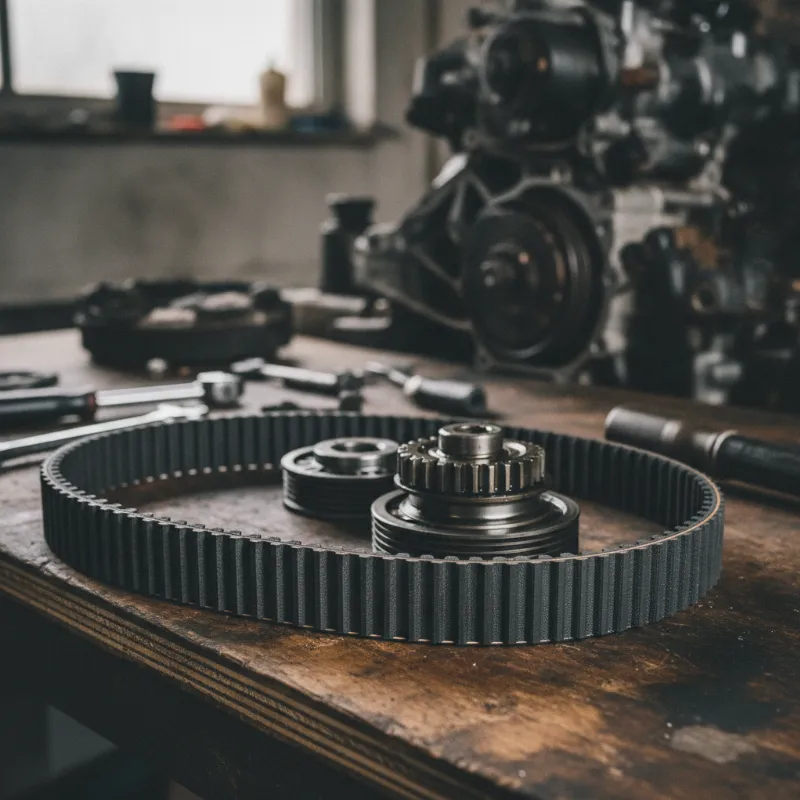
How many teeth does the Iveco Daily timing belt have?
The exact tooth count on an Iveco Daily timing belt depends on which engine sits under the bonnet, but the most commonly referenced figure for the 2.3-litre Sofim/JTD units fitted to the Daily is 141 teeth. Belts for the 2.3 HPI and later 2.3 HPT engines are typically quoted at 141 teeth with a width of around 25.4mm, which is what you'll see stamped on most aftermarket Gates, Dayco and Continental replacements.
It's worth being cautious with a single "one-size-fits-all" answer, though. Iveco updated the Daily's engine range several times between the late 1990s and the current generation, and tooth counts can vary slightly between the older 8140 Sofim engines, the 2.3 F1A family and the 3.0 F1C family. Before ordering a belt or a full timing kit, always cross-check the tooth count and width against your engine code and chassis number — the sticker on the driver's B-pillar or the V5C will confirm the exact variant.
Iveco Daily timing belt: quick specs by engine variant
To make things clearer, here's a breakdown of the two engine families you're most likely to be dealing with on a Daily bought in the UK over the last 20 years or so.
2.3 JTD / HPI engines
The 2.3-litre F1A engine, badged variously as JTD, HPI and later HPT, is the most common unit in the smaller Daily vans. The timing belt on this engine is generally listed with 141 teeth and a belt width of 25.4mm (1 inch). It drives the camshaft, with the high-pressure fuel pump and other ancillaries handled separately. A full timing kit for this engine will usually include the belt, tensioner pulley, idler pulley and often the water pump, since it's driven off the same belt.
Iveco's original service schedule for the 2.3 typically calls for inspection at set mileage intervals with replacement around 74,500 miles (120,000 km) or five years, whichever comes first — although many independent specialists recommend changing sooner, particularly if the van does a lot of stop-start urban work.
3.0 JTD / HPT engines
The bigger 3.0-litre F1C engine, fitted to the heavier Daily variants (35S, 50C, 65C and 70C models), is a different story. Many 3.0 F1C engines in the Daily are chain-driven rather than belt-driven, using a duplex timing chain that's designed to last the life of the engine under normal servicing conditions. Where a belt is fitted to earlier or specific 3.0 variants, tooth counts differ from the 2.3 and you should verify against the specific engine code before ordering parts.
If you're unsure whether your 3.0 Daily has a belt or a chain, a quick look behind the plastic cover at the front of the engine will tell you — or your local Iveco specialist can confirm from the VIN.
Timing belt vs timing chain: which does your Iveco Daily van have?
This is where a lot of Daily owners get caught out. As a rough rule of thumb: 2.3-litre Dailys tend to run a rubber timing belt, while most 3.0-litre Dailys run a timing chain. But there are exceptions, and Iveco has revised the timing arrangements across model years, so the only reliable way to know for certain is to check your engine code.
The engine code is stamped on the block and also recorded in your service book. Common codes to look out for include F1AE (2.3 belt-driven variants) and F1CE (3.0 chain-driven variants). If you're buying a used Daily and the seller can't tell you which system it uses, that's a red flag in itself — it usually means service history is thin.
Why does it matter? A timing chain generally doesn't need routine replacement, whereas a belt absolutely does. Skipping a belt change on an interference engine like the 2.3 JTD can bend valves, damage pistons and write off the engine entirely.
When to change the timing belt on an Iveco Daily
Iveco's official replacement intervals have shifted over the years, but the widely accepted guidance for the 2.3 belt-driven Daily is every five years or 74,500 miles (120,000 km), whichever comes sooner. Some workshops advise a shorter interval — four years or 60,000 miles — for vans that spend their lives on delivery rounds, at heavy weights or in dusty environments.
Regardless of mileage, age matters. Rubber degrades over time, so a Daily that has only covered 30,000 miles over eight years still needs a fresh belt. The cost of a preventative belt and water pump change is a fraction of the cost of a top-end rebuild after a belt failure.
When the belt is changed, it's good practice to replace the tensioner, idler pulleys and water pump at the same time. These components share the same wear cycle, and it's false economy to reuse them when the front of the engine is already stripped down.
Signs of a worn Iveco Daily timing belt to watch for
Timing belts don't usually give much warning before they fail, which is why sticking to the service interval is so important. That said, there are a few symptoms that suggest the belt or its tensioner is on borrowed time:
A ticking or slapping noise from the front of the engine, particularly at idle, can point to a slack belt or a failing tensioner. A light whining or grinding from behind the timing cover may indicate a dry idler or tensioner bearing. Rough running, misfires or difficulty starting can sometimes be caused by a belt that has jumped a tooth, throwing the cam timing out of sync with the crank.
Visible cracks, glazing, missing teeth or oil contamination on the belt itself are all obvious signs it needs urgent attention. If you spot any of these on inspection — or if you don't know when the belt was last done — take the van off the road until it's been sorted. It's not worth the risk.
Buying an Iveco Daily van: what to check before purchase
If you're in the market for a used Daily, the timing belt should be near the top of your checklist. Ask the seller directly when the belt was last replaced and request a receipt or stamped service record. A change every five years or 74,500 miles should be documented; if there's no proof, budget for a fresh belt, tensioner and water pump as soon as you take delivery.
Beyond timing, check the usual heavy-duty van basics: clutch feel, gearbox synchros (particularly second gear on manual boxes), suspension bushes at the rear, and any signs of oil weeping from the front of the engine that could contaminate a belt. Have a look at the chassis rails and rear crossmember for corrosion, especially on older vans that have led a working life.
A pre-purchase inspection by an Iveco specialist is money well spent. They'll be able to confirm the engine variant, tell you whether it's belt or chain driven, and give you a realistic picture of what servicing is due in the next 12 months. Armed with that, you can negotiate on price with confidence and drive away knowing your Daily is ready for the miles ahead.
FAQs
How many teeth does the Iveco Daily timing belt have?
For the common 2.3-litre JTD/HPI/HPT engines fitted to the Daily, the timing belt has 141 teeth and is typically 25.4mm wide. Tooth counts can vary on older or less common variants, so always cross-check against your engine code before ordering a belt or timing kit.
Does the Iveco Daily 3.0 have a timing belt or a chain?
Most 3.0-litre F1C engines in the Iveco Daily use a duplex timing chain rather than a rubber belt. The chain is designed to last the life of the engine under normal servicing, though it still relies on regular oil changes to keep the tensioner and guides healthy.
How often should the timing belt be changed on an Iveco Daily?
The widely accepted interval for the 2.3 belt-driven Daily is every five years or 74,500 miles (120,000 km), whichever comes first. Vans that do heavy stop-start work or run at high weights often benefit from a shorter interval of around four years or 60,000 miles.
What happens if the timing belt breaks on an Iveco Daily?
The 2.3 JTD is an interference engine, meaning if the belt snaps the pistons and valves can collide. This typically bends valves, damages pistons and can crack the cylinder head — repair costs often exceed the value of the van, which is why preventative replacement is so important.
Should I replace the water pump with the timing belt?
Yes. On the 2.3 Daily engine the water pump is driven by the timing belt, so it makes sense to change it at the same time along with the tensioner and idler pulleys. Doing it all together saves labour later and avoids the risk of a failing pump taking out a new belt.